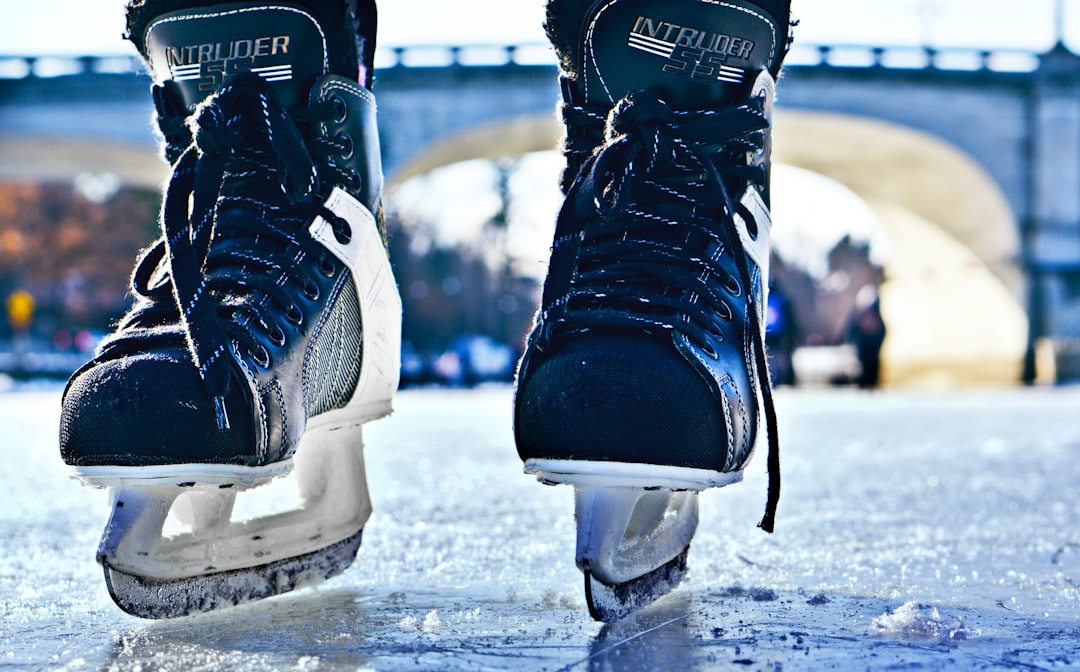
Ice skates are more than just footwear; they are precision instruments designed to harness the physics of friction and the unique properties of ice to achieve seemingly effortless gliding. The elegant arc of a figure skater, the blistering speed of a hockey player, and the graceful flow of a speed skater all depend on a sophisticated interplay of design, material science, and the very nature of the frozen water beneath their blades. Understanding how ice skates glide requires delving into the science that makes it possible, from the sharpness of the blade to the microscopic world of water molecules.
The ice skate, in its most fundamental form, is a boot attached to a metal blade. However, this simple description belies the intricate engineering and material choices that contribute to its performance. Every component, from the stiffened boot providing ankle support to the precisely ground blade, plays a crucial role in enabling the skater to move across the ice.
The Boot: Support and Power Transfer
The boot of an ice skate is engineered to be exceptionally rigid, particularly in the ankle area. This rigidity is not for comfort; it is essential for effective power transfer and stability.
Materials and Construction
Modern ice skate boots are typically constructed from a composite of leather, plastic, and synthetic materials. The outer shell provides structural integrity, while the inner lining offers cushioning and insulation. High-performance skates often utilize carbon fiber composites, which offer an exceptional strength-to-weight ratio, allowing for maximum power transfer from the skater’s leg muscles to the blade without adding unnecessary bulk. The lacing system is also crucial, allowing the skater to customize the fit and tightness, ensuring that the boot hugs the foot and ankle snugly. This close fit prevents unwanted movement within the boot, which would otherwise dissipate energy and reduce control.
The Role of Ankle Support
The high cut of most ice skate boots is designed to limit ankle flexion and extension. This limitation is critical for two primary reasons:
- Stability: A stable ankle provides a solid base of support, allowing the skater to maintain balance and control even when executing complex maneuvers or skating at high speeds. Without this support, the ankle would be prone to rolling, leading to falls and loss of momentum.
- Power Transfer: By restricting ankle movement, the boot ensures that the force generated by the skater’s leg muscles is channeled directly into the blade. This direct transfer of energy is essential for generating speed and executing powerful pushes off the ice. Imagine trying to push off with a floppy ankle; much of the force would be absorbed by the uncontrolled movement of the foot and ankle rather than propelling the skater forward.
The Blade: The Edge of Performance
The metal blade is arguably the most critical component of an ice skate, dictating how the skate interacts with the ice. Its shape, curvature, and edge are meticulously designed to facilitate gliding and maneuvering.
Blade Geometry and Profile
Ice skate blades are not flat strips of metal. They possess a distinct curvature, known as the rocker, which determines how easily the skate turns.
The Rocker
The rocker is the arc of the blade when viewed from the side. A more pronounced rocker (a more curved blade) allows for quicker turns and greater agility, making it ideal for figure skating and hockey. A flatter rocker, on the other hand, provides more stability and a longer gliding surface, which is preferred by speed skaters who prioritize straight-line speed and endurance. The rocker is not uniform along the entire length of the blade; it typically varies, with a tighter curve at the toe and heel and a flatter section in the middle. This gradient allows for both maneuverability and stability.
Blade Width and Thickness
The width and thickness of the blade also influence performance. Narrower blades offer less resistance and can cut into the ice more effectively, which is advantageous for speed skaters. Wider blades provide greater stability and are often preferred by beginners or those in disciplines where a larger contact area with the ice is beneficial, such as some forms of synchronized skating. The thickness of the blade also affects its rigidity and its ability to hold an edge.
The Edge: The Key to Control and Glide
The sharp edges of the ice skate blade are what allow it to cut into the ice and generate friction in a controlled manner. The sharpness and geometry of these edges are paramount.
Sharpening and Grinding
Ice skate blades are sharpened using specialized grinding wheels. The process involves creating a precise bevel along the bottom of the blade, forming a sharp edge. This bevel is typically angled, creating two distinct edges: an inside edge and an outside edge. The sharpness is maintained through regular sharpening. A dull edge will not dig into the ice effectively, leading to slippage and a loss of control. Conversely, an overly sharp or improperly ground edge can be detrimental, causing the blade to dig in too deeply and hinder smooth gliding.
The Hollow Grind
Most ice skate blades are not solid; they feature a hollow grind along their length. This hollow creates two distinct, sharp edges that run parallel to each other. The depth and radius of this hollow are carefully chosen to optimize performance.
- Depth of the Hollow: A deeper hollow creates sharper, more defined edges, allowing for deeper cuts into the ice. This is often preferred by figure skaters for intricate turns and jumps, and by hockey players for quick stops and changes of direction.
- Radius of the Hollow: The radius of the hollow determines the curvature of the ice surface that the blade creates. A smaller radius creates a more pronounced “groove” in the ice, offering more stability and grip. A larger radius creates a shallower groove, allowing for a more fluid glide.
Ice skates glide on ice due to a combination of factors, including the design of the blades and the properties of ice itself. The thin, sharp edges of the blades cut into the ice, while a thin layer of water created by pressure helps reduce friction, allowing for smooth movement. For a deeper understanding of the science behind this phenomenon, you can read a related article that explores the mechanics of ice skating in detail at Freaky Science.
The Physics of Friction and the Water Layer
The seemingly smooth glide of an ice skate is a complex phenomenon governed by the principles of friction and the unique properties of ice. It’s not simply about sliding; it’s about a controlled interaction with a thin layer of water.
Friction: The Unseen Force
Friction is the force that opposes motion between two surfaces in contact. On ice, friction is significantly lower than between most other solid surfaces. However, it is still a crucial factor in how ice skates operate.
Static vs. Kinetic Friction
When a skate is at rest on the ice, static friction prevents it from moving. As the skater begins to push off, they overcome this static friction, and kinetic friction takes over. Kinetic friction is generally less than static friction, which is why it takes more effort to initiate movement than to maintain it.
The Role of Pressure and Temperature
The amount of friction generated by an ice skate is influenced by several factors, most notably the pressure exerted by the skater and the temperature of the ice.
Pressure-Induced Melting
One of the most significant contributing factors to ice skating’s low friction is pressure-induced melting. When the sharp edge of the skate blade is pressed against the ice, it concentrates the skater’s weight onto a very small area. This high pressure lowers the melting point of ice. Even at temperatures below freezing, the ice directly beneath the blade can melt, creating a thin film of water. This water acts as a lubricant, drastically reducing friction between the blade and the ice. The higher the pressure, the more pronounced this melting effect.
Temperature and Friction
The temperature of the ice also plays a critical role. Colder ice generally exhibits higher friction than warmer ice. This is because at colder temperatures, less pressure-induced melting occurs. Professional ice rinks often maintain ice temperatures around -5 to -7 degrees Celsius (20-23 degrees Fahrenheit) for hockey and figure skating. This temperature provides a balance between sufficient hardness for sharp edges to grip and cold enough to allow for pressure-induced melting. Speed skaters, who require the absolute lowest friction for maximum speed, may opt for even colder ice, as their longer, flatter blades and immense speeds create their own lubricating layer.
The Lubricating Layer: Water, Not Ice
The popular misconception is that skates glide on ice. While the skate is in contact with the ice, the actual gliding surface is a microscopic film of liquid water. This layer is not a substantial pool; it is typically only a few molecules thick, but it is sufficient to dramatically reduce friction.
Sources of the Lubricating Layer
The thin film of water is created through a combination of mechanisms:
- Pressure-Induced Melting: As discussed, the high pressure exerted by the blade on the ice lowers its melting point, causing localized melting.
- Frictional Heating: As the skate moves across the ice, kinetic friction generates heat. This heat also contributes to the melting of the ice surface, further enhancing the lubricating effect.
- Surface Irregularities: Even polished ice has microscopic imperfections. As the blade moves, it can interact with these irregularities, generating small amounts of heat and further contributing to the water layer.
The interplay of these factors creates a dynamic surface where the skate is constantly gliding on a thin, self-generated layer of lubricant.
The Mechanics of Gliding and Turning

The ability to glide and turn is fundamental to ice skating, and these actions are a direct result of the skater’s technique and the physics of the blade’s interaction with the ice.
Generating Forward Motion
The primary means of generating forward motion on ice skates is through a process of pushing off against the ice. This involves a coordinated movement of the legs and body.
The Push-Off Technique
A skater pushes off by extending their leg and applying force to the ice. This force is directed backward and outward, propelling the skater forward. The technique involves leveraging the sharp edges of the blade.
Inside and Outside Edges
When pushing off, skaters utilize either the inside edge or the outside edge of their blades.
- Inside Edge Push-Off: This is a common technique for generating power. The skater leans inward, digging the inside edge into the ice, and then extends their leg, pushing the blade backward and across the ice. This generates significant forward momentum.
- Outside Edge Push-Off: The outside edge push-off is also used, particularly in conjunction with turns or for generating a different type of power. The skater leans outward, digging the outside edge into the ice and then extending their leg.
The effectiveness of the push-off is directly related to the sharpness of the blade and the skater’s ability to apply force at the correct angle.
The Stroke Cycle
In sports like speed skating and hockey, the push-off is part of a continuous “stroke cycle.” Skaters alternate between gliding on one foot and pushing off with the other. This rhythmic motion allows for sustained forward momentum and efficient use of energy. The transition between gliding and pushing must be smooth to avoid losing speed.
The Art of Turning
Turning on ice skates is a demonstration of precise control over the blade’s interaction with the ice. It involves leaning into the turn and using the edges to steer.
Edge Control and Angulation
The ability to turn relies on the skater’s mastery of edge control and body angulation.
Lean and Carving
When a skater wants to turn, they lean into the direction of the turn. This lean causes the blade to tilt, bringing one of the edges into contact with the ice at an angle. This angled contact allows the edge to “carve” into the ice, creating a curved track.
- Inside Turn: To turn left (for a right-handed skater), the skater leans left, using the right skate’s inside edge and the left skate’s outside edge.
- Outside Turn: To turn right, the skater leans right, using the right skate’s outside edge and the left skate’s inside edge.
The degree of lean and the sharpness of the edge determine the tightness of the turn. A sharper edge and a deeper lean will result in a tighter carve.
The Role of the Rocker in Turning
As mentioned earlier, the rocker of the blade significantly influences turning ability. Skates with a more pronounced rocker are more agile and can execute sharper turns. The rocker allows the skater to pivot more easily on the curved section of the blade.
Stopping: Reversing the Flow
Stopping on ice skates is the opposite of generating forward motion. It involves using the edges to create significant friction and reverse momentum.
The Hockey Stop
The hockey stop is a classic example of an effective stopping technique. The skater skates at speed, then abruptly leans backward and twists their body, digging both the inside edges of their skates into the ice. This creates a large amount of friction, causing the skater to decelerate rapidly and throw up a spray of ice.
Other Stopping Techniques
Other stopping methods exist, such as the “snowplow” stop (similar to skiing, where the tips of the skates are brought together) and more advanced figure skating stops that involve intricate edge work and controlled deceleration. The common thread in all effective stopping techniques is the controlled creation of friction to oppose the skater’s forward momentum.
Advanced Concepts: Enhancing Glide and Performance
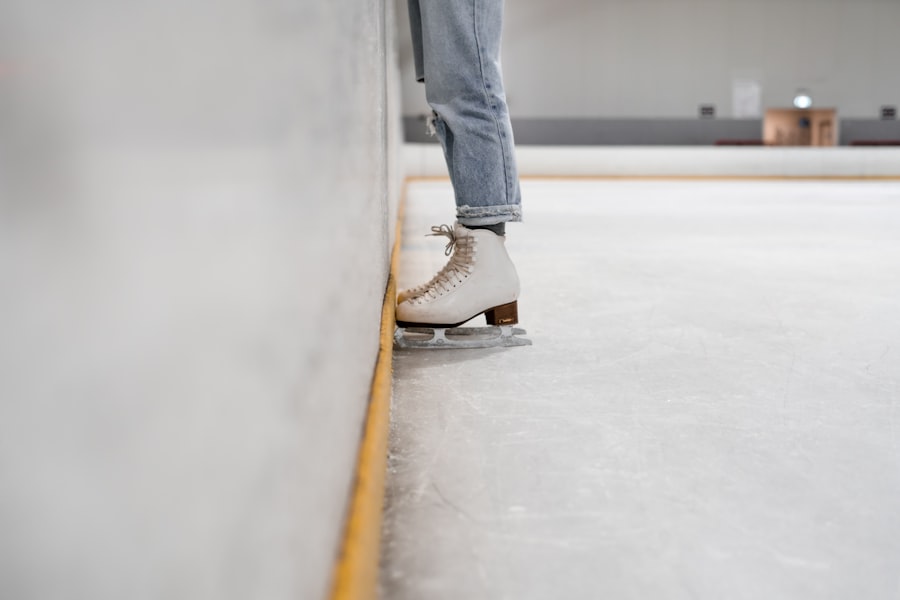
Beyond the fundamental principles, there are advanced concepts and technologies that contribute to maximizing glide and enhancing the overall performance of ice skates.
Blade Materials and Coatings
The materials used in blade construction and any subsequent coatings can impact their properties, influencing glide and durability.
Steel Alloys
Historically, skate blades were made from wrought iron. Today, high-quality ice skate blades are typically crafted from hardened stainless steel alloys. These alloys are chosen for their ability to hold a sharp edge, their resistance to corrosion, and their strength. The precise composition of the alloy is often a proprietary secret of blade manufacturers, as it directly affects performance.
Titanium and Other Alloys
While less common for the main blade, some specialized skates might incorporate titanium or other advanced alloys for specific components or for enhanced corrosion resistance. However, steel remains the industry standard for its excellent balance of properties.
Blade Coatings
Some blades are treated with specialized coatings. These coatings can serve several purposes:
- Corrosion Resistance: Coatings can prevent rust and other forms of corrosion, extending the life of the blade and maintaining its sharpness.
- Friction Reduction: Certain coatings are designed to further reduce friction, although their effectiveness is often debated and can be dependent on ice conditions. Hydrophobic coatings, for example, aim to repel water.
- Aesthetic Appeal: Some coatings are purely decorative.
Blade Maintenance and Profiling
The ongoing maintenance and specific profiling of skate blades are crucial for achieving optimal performance.
Regular Sharpening
Consistent and proper sharpening is non-negotiable. As blades are used, they dull. A dull blade leads to poor edge grip, reduced control, and increased effort. Professional skate technicians use specialized equipment to ensure the correct angles and hollows are maintained.
Blade Profiling (Rocker Matching)
Blade profiling is the process of custom-shaping the rocker of the blade to match the skater’s specific needs and skating style. While blades come with a standard rocker, elite skaters often have their blades profiled to achieve a more personalized feel and optimize their turning radius and glide. This can involve subtly altering the curvature of the blade to better suit their weight distribution, agility, and preferred maneuvers.
The Skater’s Influence: Technique and Conditioning
While the skate is a critical tool, the skater’s own technique, strength, and conditioning play an equally important role in their ability to glide effectively.
Biomechanics and Efficiency
Understanding the biomechanics of skating is essential for efficiency. Skaters who minimize wasted motion, optimize their push-off angles, and maintain a strong core posture can achieve greater speed and endurance with less effort.
Leg Strength and Power
The powerful muscles of the legs are the primary source of propulsion. Strong quadriceps, hamstrings, and calves are vital for generating the force needed to push off the ice.
Balance and Core Strength
Excellent balance is paramount on the slippery surface of ice. A strong core provides a stable platform from which the limbs can generate power and control. Skaters often engage in specific exercises to improve their balance and core strength.
The fascinating mechanics of how ice skates glide on ice can be further explored in an insightful article that delves into the science behind this graceful sport. As skaters glide effortlessly across the surface, the pressure exerted by the blades causes a thin layer of water to form, reducing friction and allowing for smooth movement. For a deeper understanding of these principles, you can read more in this related article that uncovers the intricate relationship between physics and ice skating.
The Future of Ice Skating Technology
| Aspect | Description |
|---|---|
| Blade Material | Ice skates have blades made of steel or other hard materials to reduce friction with the ice. |
| Sharpness | Sharp blades create a smaller surface area, reducing friction and allowing for smoother gliding. |
| Pressure | Skaters distribute their weight to create the right amount of pressure on the blades for optimal gliding. |
| Ice Temperature | Colder ice temperatures create a smoother surface, reducing resistance and allowing for better gliding. |
| Skater’s Technique | Proper form and technique can maximize the efficiency of gliding on ice skates. |
As with many sports, the world of ice skating is continually evolving, with researchers and manufacturers exploring new materials, designs, and technologies to push the boundaries of performance.
Novel Blade Designs
Innovations in blade design are ongoing. Some research explores:
- Variable Rockers: Blades with dynamically adjustable rockers that could change based on the skater’s needs during a performance.
- Textured Blades: Investigating the potential benefits of microscopic textures on the blade surface to enhance or modify the interaction with the ice.
- Aerodynamic Blade Shapes: In sports like speed skating, reducing air resistance is crucial. Future blade designs might incorporate more aerodynamic profiles.
Advanced Materials
The search for lighter, stronger, and more durable materials continues:
- Nanomaterials: The integration of nanomaterials into boot or blade construction could offer unprecedented strength-to-weight ratios or enhanced wear resistance.
- Smart Materials: The potential for “smart” materials that could adapt their properties based on temperature or pressure could revolutionize skate design.
Biomechanical Analysis and Simulation
The use of advanced biomechanical analysis tools and computer simulations allows for a deeper understanding of the forces at play during skating.
- Motion Capture: High-speed motion capture technology can precisely track a skater’s movements, providing data for technique refinement.
- Finite Element Analysis (FEA): FEA can be used to model the stresses and strains on skate components, leading to stronger and more efficient designs.
- Computational Fluid Dynamics (CFD): CFD can be employed to analyze airflow around skaters and their equipment, helping to optimize aerodynamics.
The Human Element Remains Key
Despite these technological advancements, it is crucial to remember that the ultimate performance on ice skates will always depend on the skill, dedication, and artistry of the skater. Technology serves as an enhancer, providing the tools for skaters to reach their full potential, but it cannot replace the years of training, practice, and innate talent required to master the art of gliding. The science of ice skates is a fascinating blend of physics, material science, and human physiology, constantly seeking to refine the delicate dance between blade, ice, and athlete.

Why Ice Is Slippery Is Stranger Than You Think
FAQs
1. How do ice skates glide on ice?
Ice skates glide on ice due to the pressure exerted by the skater’s body weight on the thin layer of ice, causing it to melt and create a thin layer of water. This water reduces the friction between the ice and the skate blade, allowing for smooth gliding.
2. What is the science behind ice skating?
The science behind ice skating involves the concept of reducing friction. When a skater glides on ice, the pressure and motion cause the ice to melt slightly, creating a thin layer of water. This water acts as a lubricant, reducing the friction between the ice and the skate blade, allowing for effortless gliding.
3. Why do ice skates have a sharp blade?
Ice skates have sharp blades to increase the pressure exerted on the ice, which in turn creates a thin layer of water. The sharpness of the blade allows for better control and maneuverability on the ice, as well as more efficient gliding.
4. What role does the temperature of the ice play in ice skating?
The temperature of the ice is crucial in ice skating, as it affects the thickness and hardness of the ice. Colder temperatures result in harder ice, which requires more pressure to create a thin layer of water for gliding. Warmer temperatures can soften the ice, making it easier to glide but also increasing the risk of melting too much ice and losing control.
5. How does the weight of the skater affect ice skating?
The weight of the skater affects ice skating by determining the amount of pressure exerted on the ice. Heavier skaters can exert more pressure, causing the ice to melt more and create a thicker layer of water for gliding. Lighter skaters may need to exert more force to achieve the same effect.