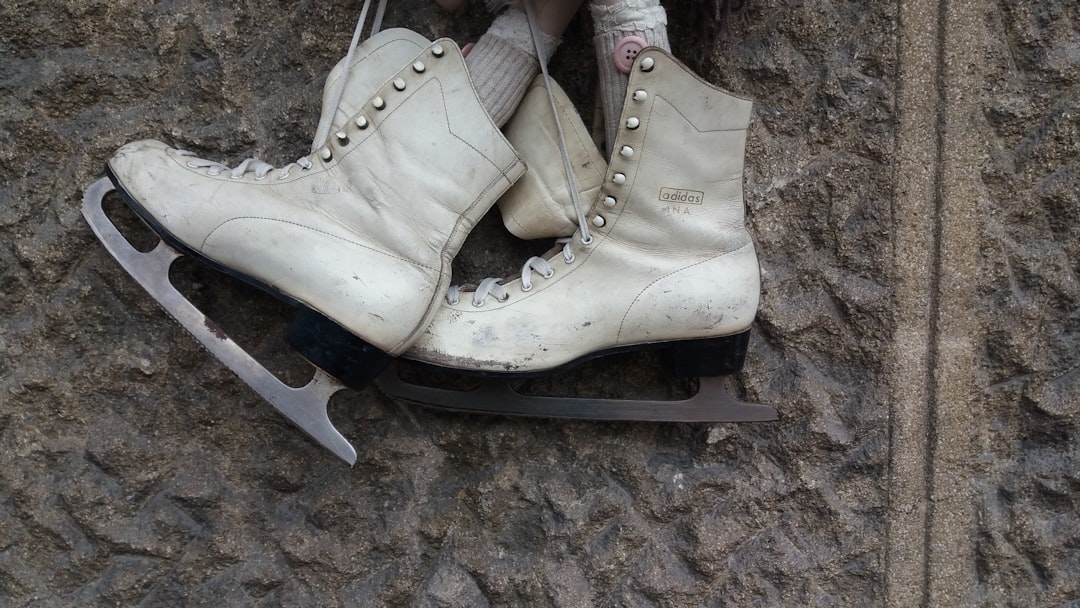
The elegant arc of a figure skater, the explosive power of a hockey player, the graceful glide of a speed skater – all are made possible by a seemingly simple yet scientifically complex piece of equipment: the ice skate blade. Far from being mere strips of metal, ice skate blades are a testament to material science, physics, and meticulous engineering, designed to interact with the ice in specific and predictable ways. Understanding the science behind these blades unlocks a deeper appreciation for the athleticism and skill involved in skating, revealing how subtle differences in design translate into profound performance impacts.
The most crucial aspect of ice skating, and therefore of the blade itself, is its interaction with the ice. It’s a common misconception that ice skates glide on a layer of water created by friction alone. While friction plays a role, the primary mechanism is far more nuanced and relies on pressure and a phenomenon known as pre-melting.
Pressure-Induced Melting: A Thin Layer of Ease
The immense pressure exerted by a skater’s weight on the incredibly thin edge of the blade causes a localized lowering of the ice’s melting point. Ice, under normal atmospheric pressure, melts at 0° Celsius (32° Fahrenheit). However, as the pressure increases significantly on the microscopic surface area of the blade’s edge, the ice molecules are squeezed closer together. This closer proximity makes it energetically easier for the ice to transition into a liquid state. Consequently, a thin layer of water forms directly beneath the blade, acting as a lubricant. This water layer significantly reduces the friction between the blade and the ice, allowing for smooth and effortless gliding.
- The Role of the Sharp Edge: The sharpness of the blade is paramount here. A sharper edge concentrates the skater’s weight onto a smaller surface area, thus increasing the pressure significantly. A dull blade distributes weight over a wider area, leading to less pressure and a weaker melting effect, resulting in increased friction and slower movement.
- Temperature Dependence: The effectiveness of pressure-induced melting is also temperature-dependent. Colder ice requires higher pressure to achieve the same degree of melting. This is why skaters often prefer slightly warmer ice conditions, as it facilitates easier gliding. Conversely, extremely cold ice can feel “sticky” and less responsive.
Viscous Lubrication: Beyond Simple Melting
While pressure-induced melting is a key factor, it’s not the sole contributor to the slippery surface. The thin film of water formed is not simply pure water. It contains dissolved ions from the ice and any impurities present, which can alter its viscosity. Furthermore, the shear forces applied by the moving blade can also influence the properties of this water layer.
- Theories of Friction Reduction: Scientists have proposed various theories to explain the significant friction reduction. Beyond pressure melting, some research points to the role of molecular layering at the ice-water interface, where molecules can arrange themselves in a way that minimizes resistance.
- The “Frictionless” Illusion: It’s important to remember that skating is not truly frictionless. There is still some resistance, which skaters utilize for control and power generation. The goal of blade design is to minimize unnecessary friction, not eliminate it entirely.
Understanding how ice skate blades work is essential for both beginners and experienced skaters alike. The design and structure of the blades play a crucial role in how skaters glide and maneuver on the ice. For a deeper dive into the science behind ice skating and the mechanics of skate blades, you can check out this informative article: How Ice Skate Blades Work. This resource provides insights into the materials used, the importance of blade sharpening, and how different blade shapes affect performance on the ice.
Blade Geometry: The Foundation of Performance
The shape and dimensions of an ice skate blade are not arbitrary; they are meticulously engineered to optimize for different skating disciplines. Every curve, every radius, and every length plays a role in how the blade interacts with the ice and how the skater can maneuver.
Radius of Hollow (R.O.H.): The Defining Cut
Perhaps the most significant geometric feature of an ice skate blade is its radius of hollow (R.O.H.). This refers to the curvature of the blade’s underside, creating two concave channels that run the length of the blade. The R.O.H. dictates the sharpness of the edge that makes contact with the ice.
- Deep Hollows (Smaller R.O.H.): Blades with a deep hollow (e.g., 7-foot R.O.H. or shallower) have very sharp, defined edges. This provides excellent grip and allows for quick, precise turns and edge work, making them ideal for figure skating. The deep hollow means only a very narrow strip of the blade is in contact with the ice, maximizing pressure and thus melting.
- Advantages for Figure Skating: Enhanced agility, sharper turns, better edge control for jumps and spins, and the ability to hold intricate edge patterns.
- Disadvantages: Increased effort to maintain glide, requires more skill to avoid “catching” an edge, and can be less stable for pure gliding.
- Shallow Hollows (Larger R.O.H.): Blades with a shallower hollow (e.g., 10-foot R.O.H. or deeper) have wider, less defined edges. This provides more stability and a larger surface area in contact with the ice, leading to better glide and speed. These are preferred by speed skaters and hockey players who prioritize momentum.
- Advantages for Speed Skating and Hockey: Improved glide, greater stability for straight-line speed, less risk of catching an edge, and more forgiving for less experienced skaters.
- Disadvantages: Reduced edge grip for intricate maneuvers, less ability to make sharp, quick turns, and can feel less responsive in quick directional changes.
- The “Sweet Spot”: Many skaters find a balance between deep and shallow hollows, often in the 8-9 foot R.O.H. range, depending on their weight, skating style, and ice conditions. Finding the optimal R.O.H. is a crucial aspect of skate customization.
Blade Length and Width: Stability and Agility
The overall length and width of the blade also influence its performance characteristics.
- Length: Longer blades generally offer more stability and a smoother glide, as they maintain contact with the ice over a longer duration during each stride. This is why speed skaters have exceptionally long blades. Shorter blades, while less stable, offer greater maneuverability and responsiveness, which is beneficial for figure skaters performing complex footwork and spins.
- Width: The width of the blade, measured from edge to edge, also contributes to stability and grip. Wider blades provide a more stable platform, while narrower blades offer a sharper edge and are preferred for those who rely on precise edge control. The width is directly related to the R.O.H.; a deeper hollow on a wider blade can still offer significant edge sharpness.
Toe Pick Design: The Figure Skater’s Secret Weapon
For figure skaters, the toe pick is an integral part of the blade, a set of teeth at the front used for jumps, spins, and intricate footwork.
- Types of Toe Picks: Toe picks vary in design, from simple serrated teeth to more aggressive, pointed structures. The specific design influences the skater’s ability to dig into the ice for propulsion during jumps and to control spins.
- The Art of the Jump: During a jump, the toe pick allows the skater to “launch” themselves into the air by digging into the ice and providing upward force. The precise angle and sharpness of the toe pick are critical for a clean takeoff.
- Spin Dynamics: In spins, the toe pick can be used to initiate rotation and to maintain stability by “anchoring” to the ice. Different spin techniques utilize the toe pick in distinct ways.
Material Science: The Backbone of the Blade

The material from which an ice skate blade is constructed is as important as its geometry. The choice of metal influences durability, weight, sharpness retention, and even the blade’s responsiveness.
Steel: The Dominant Player
Most ice skate blades are made from high-carbon steel. This alloy offers a good balance of hardness, strength, and corrosion resistance, making it suitable for the demanding environment of ice skating.
- Carbon Content: The percentage of carbon in the steel directly affects its hardness. Higher carbon content generally leads to a harder blade that can be sharpened to a finer edge and holds that edge longer. However, excessively high carbon content can make the steel more brittle.
- Heat Treatment: The process of heat treatment, including quenching and tempering, is crucial for achieving the desired properties in steel blades. These processes alter the microstructure of the steel, enhancing its strength, toughness, and wear resistance.
- Corrosion Resistance: While steel is susceptible to rust, manufacturers often use protective coatings or stainless steel alloys for enhanced corrosion resistance. Regular maintenance, such as drying and oiling the blades, is essential to prevent rust.
Variations in Steel Alloys: Tailoring Performance
Beyond basic high-carbon steel, manufacturers explore various steel alloys to fine-tune blade performance.
- Chromium-Vanadium Steel: This alloy offers increased hardness and wear resistance compared to standard carbon steel, leading to blades that hold their edge for longer periods.
- Stainless Steel: While more expensive and potentially softer than some high-carbon steels, stainless steel offers excellent rust resistance, which is a significant advantage for skaters who train in humid environments or neglect blade maintenance.
- Composite Materials: In some specialized applications, composite materials are being explored. These might offer advantages in terms of weight reduction or specific flex characteristics, though they are not yet mainstream for competitive skating.
Blade Weight and Rigidity: The Unsung Heroes
The weight and rigidity of the blade are often overlooked but play a significant role in a skater’s feel and control.
- Weight: Lighter blades can contribute to a skater’s agility and reduce fatigue, especially in disciplines requiring frequent jumps and complex footwork. However, extremely light blades might lack the necessary rigidity for powerful pushes.
- Rigidity: A rigid blade transfers power more efficiently from the skater’s leg to the ice. A blade that is too flexible can absorb energy, reducing acceleration and control. The choice of steel and the manufacturing process influence the blade’s rigidity.
Blade Maintenance and Sharpening: The Key to Longevity and Performance

Even the most sophisticated blade is useless without proper care. Maintenance and sharpening are critical for maximizing performance and ensuring the longevity of the blades.
The Art of Sharpening: Creating the Edge
Sharpening an ice skate blade is not just about making it sharp; it’s about precisely recreating the desired edge profile and R.O.H. This is a skill that requires specialized equipment and knowledge.
- Sharpening Stones and Machines: Sharpening is typically done using specialized grinding stones or diamond-coated abrasive stones. These stones are mounted on machines that ensure consistent pressure and angle.
- The Importance of Consistency: Consistent sharpening is key. A skater needs to maintain the same R.O.H. and edge bevel from one sharpening to the next to ensure predictable performance.
- Different Sharpening Depths: The depth of the hollow is often described by a radius (e.g., 7-foot, 9-foot, 11-foot). A smaller radius means a deeper hollow and a sharper edge.
- Edge Bevel: Beyond the hollow, the angle of the bevel on the edges of the blade also affects its grip and glide. A finer bevel offers more bite, while a flatter bevel allows for better glide.
Routine Maintenance: Preventing Degradation
Beyond sharpening, regular maintenance is essential to prevent damage and maintain performance.
- Drying the Blades: After every skating session, it is crucial to thoroughly dry the blades to prevent rust. This can be done with a soft cloth or a specialized blade towel.
- Blade Guards: When walking off the ice, skaters use blade guards to protect the sharp edges from damage. These guards should be removed as soon as the skater is back on the ice.
- Storage: Blades should be stored in a dry environment, away from moisture and extreme temperatures. Some skaters use a light oil or lubricant on their blades to further prevent rust.
- Checking for Damage: Regular visual inspection of the blades for nicks, dents, or excessive wear is important. Minor damage can sometimes be repaired, but significant damage may require blade replacement.
Understanding how ice skate blades work can greatly enhance your skating experience, as the design and materials used play a crucial role in performance. For those interested in diving deeper into the science behind ice skating, you might find this article on Freaky Science particularly enlightening. It explores the physics of ice friction and the mechanics of blade sharpness, providing insights that can help skaters optimize their technique and enjoy the sport even more.
Innovations and Future Directions: Evolving the Edge
| Aspect | Description |
|---|---|
| Blade Material | Ice skate blades are typically made of stainless steel or carbon steel, which provide durability and sharpness for cutting through the ice. |
| Edge Design | The blades have a hollow-ground design, with two edges that come together to form a sharp point. This design allows for better maneuverability and grip on the ice. |
| Sharpening | Skate blades need to be regularly sharpened to maintain their effectiveness. This is typically done using a specialized sharpening tool to maintain the proper edge angle. |
| Blade Length | The length of the blade can vary depending on the type of skating being done. Longer blades are often used for speed skating, while shorter blades are common in figure skating. |
| Blade Mounting | The blades are mounted to the boot using screws and a mounting plate. This allows for easy replacement and adjustment of the blades as needed. |
The science of ice skate blades is not static. Researchers and manufacturers are continuously exploring new materials, designs, and manufacturing techniques to enhance skater performance.
Advanced Materials Research
The pursuit of lighter, stronger, and more durable materials is ongoing.
- Ceramics and Composites: Exploration into ceramic-hybrid blades or advanced carbon fiber composites could offer significant weight reductions while maintaining or even improving rigidity and edge retention. However, the cost and manufacturing complexity of these materials remain significant hurdles.
- Nanomaterials: The integration of nanomaterials could potentially enhance the lubricity of the blade surface or create self-sharpening properties, though this is largely in the realm of theoretical research.
Ergonomic and Biomechanical Integration
Future designs may focus more on the biomechanical interaction between the skater and the blade.
- Customizable Flex: Developing blades with adjustable flex could allow skaters to fine-tune the rigidity to their individual stride and power output.
- Integrated Sensors: Imagine blades with embedded sensors that can measure pressure distribution, edge angle, and velocity in real-time, providing invaluable data for training and analysis.
Sustainable Manufacturing
As environmental consciousness grows, so does the interest in sustainable manufacturing processes for skate blades, potentially involving recycled materials or more energy-efficient production methods.
In conclusion, the humble ice skate blade is a marvel of scientific engineering. From the fundamental principle of pressure-induced melting to the intricate details of blade geometry, material science, and meticulous maintenance, every aspect contributes to the grace, power, and speed seen on the ice. As technology advances, we can expect even more innovative designs to emerge, further pushing the boundaries of what is possible on ice.

Why Ice Is Slippery Is Stranger Than You Think
FAQs
1. How do ice skate blades work?
Ice skate blades work by creating a thin layer of water between the blade and the ice through a process called “ice friction melting.” This reduces friction and allows the skater to glide smoothly across the ice.
2. What are ice skate blades made of?
Ice skate blades are typically made of high-carbon steel, which is hardened and tempered to provide strength and durability. Some blades may also have a coating of nickel or chrome to enhance their performance.
3. How are ice skate blades sharpened?
Ice skate blades are sharpened using a special grinding wheel to create a hollow groove down the center of the blade. This hollow groove, known as the “hollow grind,” allows the blade to make better contact with the ice and provides stability for the skater.
4. What is the importance of the radius of hollow in ice skate blades?
The radius of hollow refers to the depth of the hollow grind on the ice skate blade. It affects the skater’s maneuverability, stability, and speed on the ice. A deeper hollow provides more grip and maneuverability, while a shallower hollow allows for greater speed.
5. How often should ice skate blades be sharpened?
The frequency of sharpening ice skate blades depends on the skater’s usage and preference. Generally, recreational skaters may sharpen their blades every 10-20 hours of use, while competitive skaters may sharpen them more frequently, around every 5-10 hours of use.