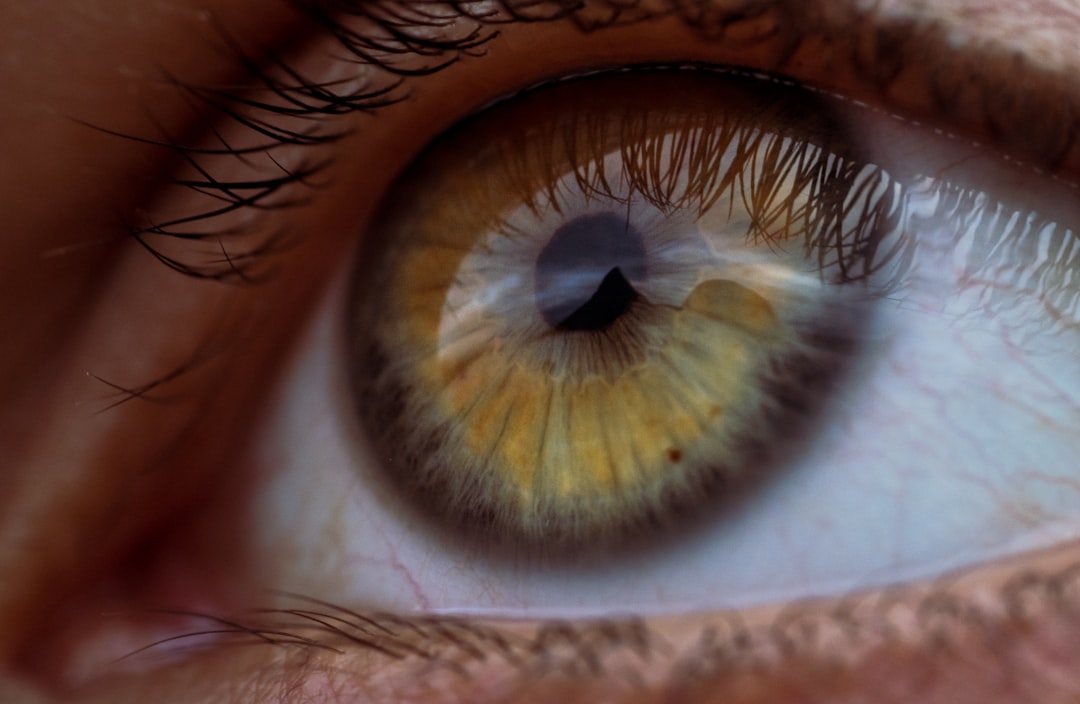
You’ve noticed it, haven’t you? That subtle, almost uncanny transformation of your hazel eyes. One moment they’re a warm, earthy brown, flecked with amber. The next, they catch the light, and you see a hint of green, perhaps even a touch of gold. This isn’t some trick of the light or a figment of your imagination. There’s a fascinating scientific explanation behind the mercurial nature of hazel eye color.
Before you can appreciate the nuances of hazel, you need to grasp the fundamental science of how eye color is determined. It’s not about a specific pigment in your iris, as some might believe. Instead, it’s a complex interplay of genetics, melanin, and the way light scatters.
Genetics: The Blueprint of Your Iris
Your eye color is, fundamentally, a genetic trait. It’s a polygenic trait, meaning it’s influenced by multiple genes, not just one. The primary gene involved is OCA2, which plays a crucial role in melanin production. Another important gene is HERC2, which regulates the expression of OCA2. Variations, or alleles, in these genes determine how much melanin is produced in the iris and where it’s distributed. You inherit these genes from your parents, with dominant genes typically masking recessive ones.
Melanin: The Pigment at Play
Melanin is the pigment responsible for color in your skin, hair, and eyes. There are two main types: eumelanin (brown-black) and pheomelanin (reddish-yellow). In your iris, the density and distribution of melanin are key. More melanin leads to darker eyes (brown), while less melanin results in lighter eyes (blue). Green and hazel eyes lie somewhere in between.
Rayleigh Scattering: The Role of Light
Beyond just melanin, the way light interacts with the stroma, the front layer of your iris, is also critical. This phenomenon is known as Rayleigh scattering. It’s the same principle that makes the sky appear blue. When light enters the iris, shorter wavelengths (blue) are scattered more effectively than longer wavelengths (red). In eyes with very little melanin, this scattering predominates, resulting in blue eyes.
Recent studies have shown that hazel eye color can exhibit shifts due to various factors, including lighting, mood, and even clothing choices. This phenomenon is not only fascinating but also highlights the complex interplay between genetics and environmental influences on eye color. For a deeper understanding of this topic, you can explore a related article that delves into the science behind eye color changes and the genetics involved by visiting Freaky Science.
The Unique Composition of Hazel Eyes
Hazel eyes are not a distinct color in the same way blue or brown are. Instead, they are a fascinating blend, a testament to a specific combination of melanin concentration and light scattering within the iris. This inherent variability is what gives hazel its dynamic nature.
Stromal Pigmentation: The Key Differentiator
The defining characteristic of hazel eyes lies in the uneven distribution of melanin within the stroma of the iris. Unlike brown eyes, where melanin is spread uniformly and densely, hazel eyes have a moderate amount of melanin, concentrated more towards the pupil and fading outwards. This means the inner part of the iris, closest to the pupil, will appear browner due to the higher melanin content.
The Blend of Brown and Green
The appearance of green in hazel eyes isn’t due to a dedicated green pigment. Instead, it’s a result of the interplay between the brown melanin and the scattered blue light. When light hits the stroma, the longer wavelengths (reds and yellows) are absorbed by the melanin, while the shorter wavelengths (blues) are scattered. In hazel eyes, where melanin is less dense towards the periphery, this scattered blue light mixes with the remaining yellow hues (from pheomelanin and light scattering), creating the perception of green.
Amber and Gold Flecks
The flecks of amber and gold you might see in hazel eyes are also tied to melanin distribution and the way light reflects. These areas likely have a slightly lower concentration of melanin, allowing for more of the yellowish and reddish wavelengths to be present. The angle of light, the texture of the iris’s surface, and even the diffraction of light within microscopic structures can contribute to these shimmering highlights.
Factors Influencing Hazel Eye Color Shifts
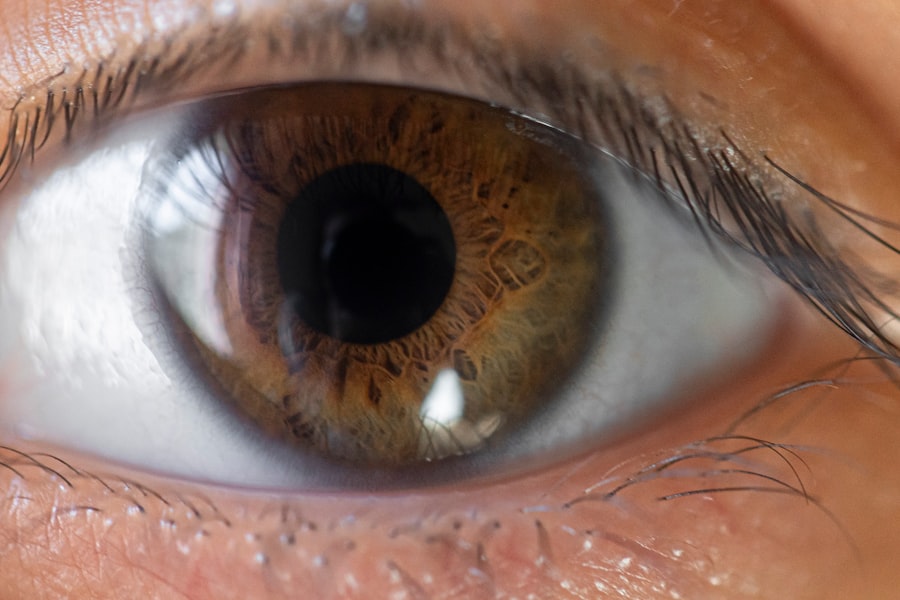
The dynamic nature of hazel eyes means their appearance can change depending on a variety of internal and external factors. It’s this constant flux that makes them so captivating and often leads to the perception of “color shifts.”
Lighting Conditions: The Most Prominent Factor
This is arguably the most significant driver of your hazel eye color’s perceived changes. The way light interacts with your iris is highly dependent on the light source and its intensity.
Indoor vs. Outdoor Light
In dimmer indoor lighting, your eyes might appear more uniformly brown. The lack of intense external light means less scattering, and the melanin concentration becomes more apparent. Conversely, in bright outdoor sunlight, the scattering of light is amplified. The blue hues are more pronounced, and the areas with less melanin will appear greener.
Artificial Lighting Effects
Different types of artificial light can also alter your eye color. Incandescent bulbs emit warmer light, which can enhance the brown and gold tones. Fluorescent lights, which can have a cooler spectrum, might bring out more of the blue and green undertones. Even the color temperature of your screens can subtly influence how you perceive your own eye color.
Angle of Light
The angle at which light strikes your iris also plays a role. Direct, frontal light will illuminate the iris differently than light coming from the side. This can cause certain areas to be more prominent, exaggerating the perceived color variations.
Emotional State and Blood Flow
While not a direct change in pigment, your emotional state can subtly influence the appearance of your eyes by affecting blood flow.
Blood Vessel Dilution and Constriction
When you’re experiencing strong emotions, whether it be excitement, anger, or stress, your body releases hormones like adrenaline. This can lead to the dilation or constriction of blood vessels throughout your body, including those in your iris.
Subtle Iris Changes
An increase in blood flow might cause a slight reddening or a more pronounced appearance of the blood vessels within the iris, which can subtly alter the overall color perception. Conversely, a decrease in blood flow might make the iris appear paler. However, these changes are typically very mild and not as dramatic as lighting-induced shifts.
Environmental Factors Beyond Light
Other environmental elements, though less impactful than light, can also contribute to the nuanced appearance of your hazel eyes.
Clothing and Makeup Colors
The colors of clothing and makeup you wear can create an optical illusion, making your eyes appear to match or complement those colors. A blue shirt might make the blue undertones in your eyes stand out more, while a green scarf could enhance the green hues. This is a form of color theory in action, where certain colors reflect off your eyes and influence your perception.
Age and Pigment Production
While significant color changes are more common in infancy, minor adjustments in melanin production can occur throughout life. This is a gradual process, and any shift due to age is unlikely to be as noticeable as the daily variations in hazel eyes.
The Connection to Other Eye Colors

Hazel eyes are often considered a bridge between brown and green eyes. Understanding this connection helps illuminate why your eyes possess such a variable character.
From Blue to Green to Hazel to Brown
The spectrum of human eye color is largely determined by the amount of melanin in the iris. Blue eyes have the least melanin. As melanin increases, eyes become green, then hazel, and finally brown. Hazel eyes represent a point where there’s enough melanin to have some brown tones, but not so much that the scattering of blue light is completely eliminated, allowing for the green and amber hues to manifest.
The Role of Melanin Distribution
The key distinction between hazel and brown eyes, even with similar melanin levels, is the distribution. Brown eyes have melanin spread evenly throughout the stroma. Hazel eyes have melanin concentrated near the pupil, with less pigment in the outer regions, leading to the characteristic two-toned appearance.
Green Eyes as a Precursor?
One could argue that green eyes are a stage closer to hazel than blue eyes are to brown. Green eyes have a moderate amount of melanin, allowing for some absorption of shorter wavelengths, while still exhibiting significant Rayleigh scattering. The addition of a bit more melanin, particularly concentrated around the pupil, transforms a green eye into a hazel one.
Recent studies have shown that the science behind hazel eye color shifts is quite fascinating, revealing how genetics and environmental factors can influence the perception of eye color. For those interested in exploring this topic further, a related article discusses the complexities of eye color genetics and how light can alter our perception of hazel eyes. You can read more about it in this insightful piece found here. Understanding these dynamics not only enhances our appreciation for eye color but also sheds light on the intricate interplay between our genes and the world around us.
Debunking Myths and Misconceptions
| Eye Color | Shifts in Hazel Eye Color |
|---|---|
| Hazel | Due to the presence of melanin and the way light reflects off the iris, hazel eyes can appear to shift in color from brown to green or even gray. |
| Melanin Levels | The amount of melanin in the iris can affect the appearance of hazel eyes, leading to variations in color shifts. |
| Genetics | Genetic factors play a role in determining the specific shades and shifts in hazel eye color. |
The ever-changing nature of hazel eyes has given rise to various myths and anecdotal beliefs about their color shifts. It’s important to separate scientific fact from folklore.
“My Eyes Change Color When I’m Angry/Sad/Happy”
As mentioned earlier, emotional states can cause subtle changes in blood flow, which might slightly alter the appearance of your iris. However, these shifts are minimal and a far cry from the dramatic color changes often described in myths. The primary drivers are almost always external factors like lighting.
“My Eyes Change Color Due to My Diet”
There is no scientific evidence to support the claim that diet directly alters iris pigmentation in adults. While nutrition is vital for overall health, including eye health, it does not directly control the melanin levels in your iris in a way that would cause noticeable color shifts.
“Hazel Eyes Are a Blend of Blue and Green”
This is a common oversimplification. While blue light scattering is involved, amber and brown pigments from melanin are also crucial components. It’s the combination of these pigments and light scattering, rather than a simple mix of blue and green, that defines hazel.
The Science Behind the “Shifting” Hues
Ultimately, the perceived “shifting” of your hazel eyes is a testament to the complex, dynamic interplay of biological and physical factors. It’s not magic; it’s science.
Light Scattering and Pigment Absorption: A Continuous Dialogue
Your iris is constantly engaged in a dialogue with light. Melanin absorbs certain wavelengths, while the stroma scatters others. The balance between these processes is never static. It is perpetually influenced by the external light environment.
The Role of Iris Structure
The microscopic structure of your iris, including the arrangement of collagen fibers within the stroma, also plays a role in how light is scattered and reflected. Variations in this structure can contribute to the unique pattern and perceived color of your hazel eyes. Any subtle changes or variations in these structures, combined with melanin distribution, can influence the way light bounces off your iris.
The Subjectivity of Perception
It’s also worth noting that human perception is subjective. You are the primary observer of your own eye color, and your perception can be influenced by your mood, your expectations, and what you’re looking for. The subtle changes you notice might be amplified by your own awareness of them.
Your hazel eyes are a remarkable example of biological complexity and optical physics. They are not static portraits but rather living, dynamic features that respond to their environment. The next time you notice your eyes taking on a new hue, remember the intricate science at play – a beautiful testament to the natural world.
FAQs
What causes hazel eye color shifts?
Hazel eyes are a result of a combination of brown and green pigments in the iris. The shifts in hazel eye color are due to the varying amounts of these pigments and how they interact with light.
Can hazel eye color change over time?
Yes, hazel eye color can change over time due to a variety of factors such as age, lighting, and emotions. It is not uncommon for hazel eyes to appear to change color under different lighting conditions.
Are hazel eyes rare?
Hazel eyes are considered to be rare, as they are less common than brown or blue eyes. The exact prevalence of hazel eyes varies by region, but they are generally less common than other eye colors.
Is there a genetic component to hazel eye color?
Hazel eye color is often a result of complex genetic inheritance. It can be influenced by multiple genes and is not always easily predictable based on the eye colors of parents.
Can hazel eye color be influenced by environmental factors?
Yes, hazel eye color can be influenced by environmental factors such as lighting and surroundings. The appearance of hazel eyes may change based on the lighting conditions and the colors of clothing or makeup worn.