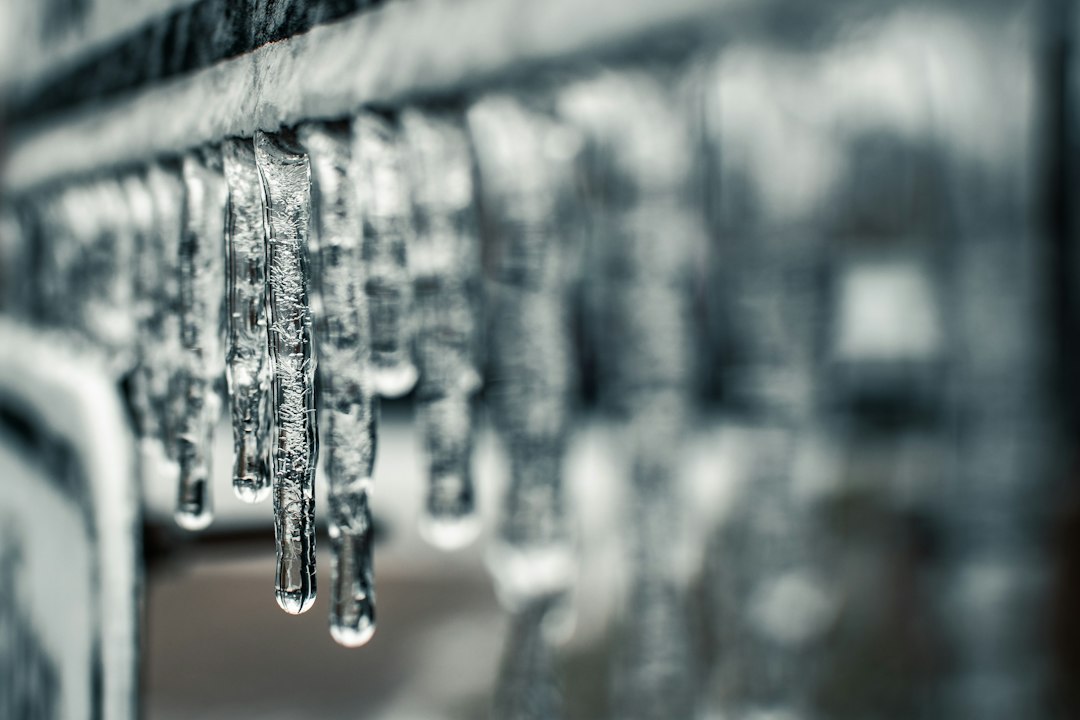
The documentary “The Science of Freezing: Unlocking Nature’s Coldest Secrets” embarks on a captivating journey into the heart of a phenomenon that shapes our planet and our lives: freezing. From the microscopic dance of water molecules to the colossal forces that carve icy landscapes, this exploration delves deep into the fundamental principles governing the transition from liquid to solid. It’s a narrative that is both scientifically rigorous and visually stunning, revealing the intricate beauty and profound implications of one of nature’s most transformative processes. The film masterfully weaves together cutting-edge research with breathtaking footage of frozen environments, offering viewers a comprehensive understanding of how and why things freeze, and the astonishing adaptations that life has developed to survive in the cold.
The Fundamental Building Blocks of Ice
At its core, the science of freezing revolves around the behavior of molecules, particularly water. “The Science of Freezing” dedicates significant attention to illustrating the molecular mechanics that underpin this phase change. The documentary explains that freezing isn’t a sudden event but rather a gradual process driven by a reduction in temperature, which in turn diminishes the kinetic energy of molecules. As molecules lose energy, their movement slows down, and attractive intermolecular forces, such as hydrogen bonds in the case of water, begin to dominate.
The Ordered Structure of Ice Crystals
A key takeaway from this section is the remarkable order that emerges from this molecular slowdown. Water molecules, when given sufficient time and subjected to low enough temperatures, arrange themselves into a highly organized crystalline lattice. The documentary visually depicts this process, often using animated sequences to show individual water molecules linking up to form hexagonal structures. This hexagonal arrangement is not arbitrary; it’s a direct consequence of the geometry of hydrogen bonds between water molecules. The documentary highlights how this specific crystalline structure is responsible for many of water’s unique properties, including its lower density in solid form compared to liquid.
Nucleation: The Spark of Freezing
The process of ice formation often doesn’t happen spontaneously in pure water. The film introduces the concept of nucleation, the critical first step in the formation of a crystal. This involves the aggregation of a few molecules into a stable cluster, a tiny seed around which more molecules can then assemble. The documentary explains that nucleation can be heterogeneous, occurring on the surface of impurities like dust particles or mineral grains, or homogeneous, where it arises from spontaneous fluctuations within the liquid itself. The presence of nucleation sites significantly lowers the energy barrier for ice formation, explaining why water often freezes at temperatures slightly above its theoretical freezing point. Viewers are shown examples of how introducing a seed crystal or even a slight disturbance can trigger rapid freezing in supercooled water, a phenomenon that has both practical applications and profound implications for understanding natural processes.
Supercooling and the Waiting Game
“The Science of Freezing” also delves into the intriguing phenomenon of supercooling. This is the state where a liquid, in this case water, is cooled below its freezing point without solidifying. The documentary explains that this occurs when nucleation sites are absent or insufficient. The molecules are moving too slowly to freeze, but they haven’t yet found the necessary impetus to begin forming ice crystals. The film uses compelling visual examples, perhaps showing a droplet of water seemingly suspended in liquid form well below 0°C, only to erupt into ice upon the slightest perturbation. This section underscores the delicate balance of forces at play and the role of chance in the initiation of freezing.
In the fascinating realm of science documentaries, the exploration of freezing techniques and their applications in various fields has garnered significant attention. A related article that delves into this topic is available on Freaky Science, where you can learn about the latest advancements in cryogenics and how freezing methods are revolutionizing medicine and food preservation. For more insights, check out the article here: Freaky Science.
The Diverse World of Frozen Landscapes
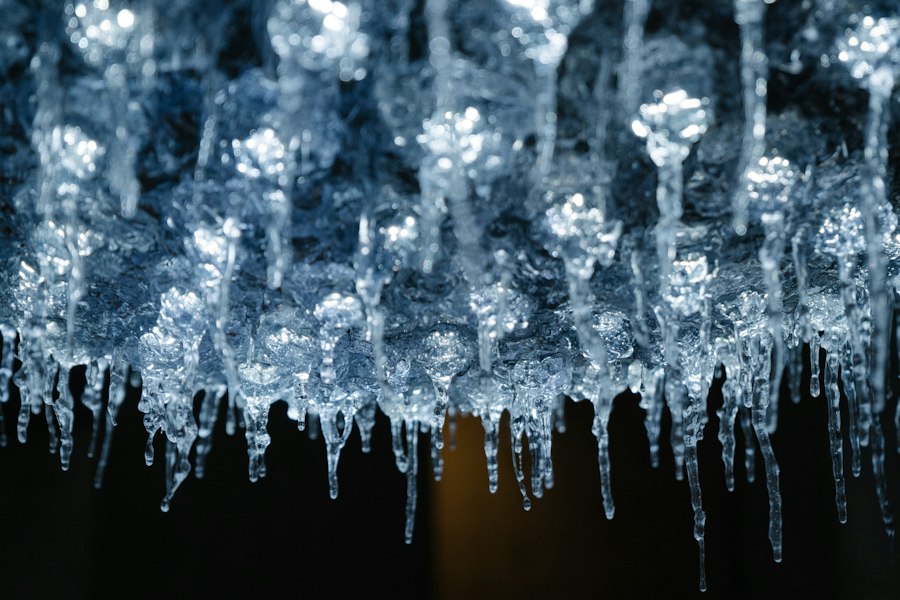
Beyond the molecular dance, “The Science of Freezing” expands its scope to explore the grand scale of frozen environments and the forces that shape them. This section transitions from the microscopic to the macroscopic, showcasing the dramatic impact of ice on Earth’s geography and climate.
Glaciers: Rivers of Ice
The documentary dedicates a significant portion to glaciers, those monumental rivers of ice that sculpt mountains and store vast quantities of freshwater. Viewers witness the slow, relentless movement of these icy giants, understanding how gravity and the sheer weight of accumulated snow drive their flow. The film illustrates the erosive power of glaciers, detailing how they carve U-shaped valleys, cirques, and fjords, leaving behind a sculpted and often breathtaking landscape. Techniques such as time-lapse photography and aerial surveys are employed to convey the immense scale and dynamic nature of glaciers, emphasizing their role as indicators of climate change.
Sea Ice: A Shifting Frontier
The formation and behavior of sea ice are explored in detail, highlighting its crucial role in regulating Earth’s climate and supporting unique ecosystems. The documentary explains the process by which seawater freezes, noting that salt is largely expelled, leaving behind a crystalline ice structure. The implications of sea ice formation for ocean currents and global temperatures are discussed, emphasizing how the reflective nature of ice (its albedo) plays a vital role in maintaining planetary balance. The film also captures the challenges faced by organisms that depend on sea ice, from polar bears to seals, illustrating the delicate interdependence within these frozen habitats. The impact of melting sea ice on sea levels and weather patterns is a key focus, underscoring the urgency of understanding this vital component of our planet.
Permafrost: The Frozen Ground Beneath
“The Science of Freezing” ventures into the vast and often overlooked realm of permafrost, the ground that remains frozen for two or more consecutive years. The documentary explores the extent of permafrost across the Arctic and sub-Arctic regions, revealing the unique landscapes it creates, such as patterned ground and thermokarst lakes. The film discusses the scientific importance of permafrost as a repository of ancient organic matter and the potential consequences of its thawing, including the release of greenhouse gases. Through expert interviews and field footage, viewers gain an appreciation for the stability and fragility of these frozen soils and their critical role in the global carbon cycle.
Life’s Ingenuity in the Face of Frost
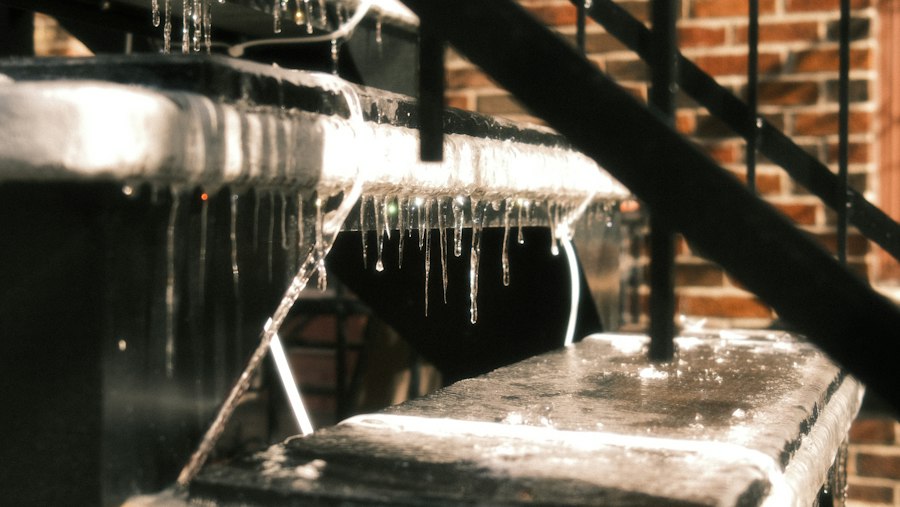
Perhaps one of the most compelling aspects of “The Science of Freezing” is its exploration of how life not only survives but thrives in frigid conditions. This section showcases the extraordinary adaptations that have evolved to contend with the challenges posed by freezing temperatures.
Biological Antifreezes: Nature’s Own Frost Guard
The documentary introduces the fascinating concept of biological antifreezes, molecules produced by various organisms that prevent ice crystal formation in their cells and body fluids. Viewers learn about antifreeze proteins (AFPs) found in fish, insects, and plants, which bind to nascent ice crystals and inhibit their growth. The film may feature detailed animations or microscopic footage demonstrating how these proteins work at a molecular level, effectively lowering the freezing point of the organism’s internal environment. This is presented not just as a scientific curiosity but as a testament to the power of evolution to find elegant solutions to seemingly insurmountable environmental obstacles.
Dormancy and Survival Strategies
Beyond chemical defenses, the documentary examines various behavioral and physiological strategies employed by organisms to endure freezing. This includes hibernation, where animals enter a state of prolonged dormancy, lowering their metabolic rate and body temperature to conserve energy. The film might showcase examples of animals that endure extreme cold through specialized tissues, such as the wood frog, which can freeze solid and revive. The concept of cryopreservation, a natural process observed in some species, is also explored, highlighting how certain organisms can withstand dehydration and the formation of intracellular ice.
The Microbial World of Ice
The film also shines a light on the often-invisible world of microbes that have adapted to life in icy environments. Viewers are introduced to psychrophiles, microorganisms that thrive at sub-zero temperatures. The documentary might explore how these microbes colonize ice surfaces, live within glaciers, or survive in the frigid waters beneath sea ice. Their metabolic processes, adapted for low temperatures, are explained, revealing a hidden biosphere that plays a vital role in nutrient cycling and ecosystem function in these extreme settings. The resilience and adaptability of these microscopic life forms offer a profound perspective on the tenacity of life.
Applications and Implications of Freezing Science
“The Science of Freezing” concludes by extending its gaze towards the practical applications and broader implications of understanding this fundamental process. The knowledge gleaned from studying freezing has far-reaching consequences across various fields.
Cryopreservation: Preserving Life and Limbs
A significant application discussed is cryopreservation, the use of low temperatures to preserve biological materials. The documentary elaborates on its role in medicine, such as the preservation of organs for transplantation, sperm and eggs for fertility, and stem cells for research and therapy. The challenges of cryopreservation, particularly preventing ice crystal damage to cells, are addressed, and the film may touch upon ongoing research into vitrification (glass-like solidification) as a method to mitigate these risks. The potential for long-term storage of genetic material and the preservation of endangered species is also highlighted, showcasing the profound impact of freezing science on our ability to safeguard life.
Food Preservation: From Farm to Freezer
The documentary revisits the familiar territory of food preservation through freezing. It explains the scientific principles behind why freezing extends the shelf life of food, primarily by slowing down the enzymatic and microbial activity that leads to spoilage. The film might differentiate between slow and rapid freezing, explaining how the size of ice crystals formed affects the texture and quality of the frozen product. The importance of proper freezing techniques to maintain nutritional value and palatability is emphasized, connecting the fundamental science of freezing to everyday consumer practices and the global food supply chain.
Materials Science and Engineering
Beyond biology, the documentary explores how understanding freezing is crucial in materials science and engineering. This includes the development of frost-resistant materials for infrastructure in cold climates, such as specialized concrete and alloys. The film might also touch upon the challenges and solutions related to ice formation on aircraft wings, bridges, and other critical structures, underscoring the ongoing need for innovation in de-icing and anti-icing technologies. The science of freezing, therefore, plays a direct role in ensuring the safety and functionality of our built environment in a world that is, in many parts, defined by its cold.
In recent years, the fascinating world of cryogenics has captured the attention of scientists and the public alike, leading to a surge in documentaries exploring the potential of freezing techniques. One such insightful piece can be found in a related article that delves into the science behind these methods and their implications for preserving biological materials. For those interested in learning more about this intriguing subject, you can check out the article here: exploring the science of freezing. This documentary not only highlights the technological advancements in the field but also raises ethical questions about the future of cryopreservation.
The Future of Cold Research
| Metric | Value | Description |
|---|---|---|
| Average Documentary Length | 60 minutes | Typical runtime for science documentaries on freezing topics |
| Number of Documentaries Released (Last 5 Years) | 25 | Science documentaries focusing on freezing and cryogenics |
| Viewer Rating (IMDb) | 7.8/10 | Average audience rating for freezing-related science documentaries |
| Common Topics Covered | Cryogenics, Ice Age, Freezing Point, Preservation | Key scientific themes explored in these documentaries |
| Average Production Budget | 1.2 million | Estimated average budget in USD for producing these documentaries |
| Top Distribution Platforms | Netflix, National Geographic, BBC | Popular platforms where these documentaries are available |
The final section of “The Science of Freezing” looks towards the horizon, contemplating the future directions of research and the ongoing mysteries that still surround the phenomenon of freezing. The documentary suggests that despite centuries of study, there remain frontiers to explore.
Advanced Materials and Cryogenics
The film may highlight advancements in cryogenics, the science of extremely low temperatures, and its potential applications in fields like quantum computing and advanced propulsion systems. Research into novel antifreeze compounds and strategies for more effective cryopreservation of complex tissues and even whole organisms is presented as a promising area for future development. The documentary implicitly suggests that unlocking nature’s coldest secrets is an ongoing endeavor with the potential for transformative breakthroughs.
Climate Change and the Frozen World
The documentary underscores the increasing relevance of freezing science in the context of a changing climate. As global temperatures rise, understanding the dynamics of ice melt in glaciers, ice sheets, and sea ice becomes paramount for predicting future sea-level rise, ocean circulation patterns, and extreme weather events. The film emphasizes the need for continued scientific observation and modeling of these frozen systems to inform policy and mitigation strategies. The interconnectedness of our planet means that changes in the frozen world have ripple effects across the globe, making the study of freezing more critical than ever.
The Quest for Understanding
Ultimately, “The Science of Freezing: Unlocking Nature’s Coldest Secrets” leaves viewers with a profound appreciation for the complex, beautiful, and essential role that freezing plays in our universe. It’s a testament to the power of scientific inquiry to reveal the hidden wonders of the natural world, from the microscopic interactions of molecules to the vast, awe-inspiring landscapes shaped by ice. The documentary serves not just as an educational tool but as an inspiration, encouraging further exploration and a deeper connection with the frozen aspects of our planet.
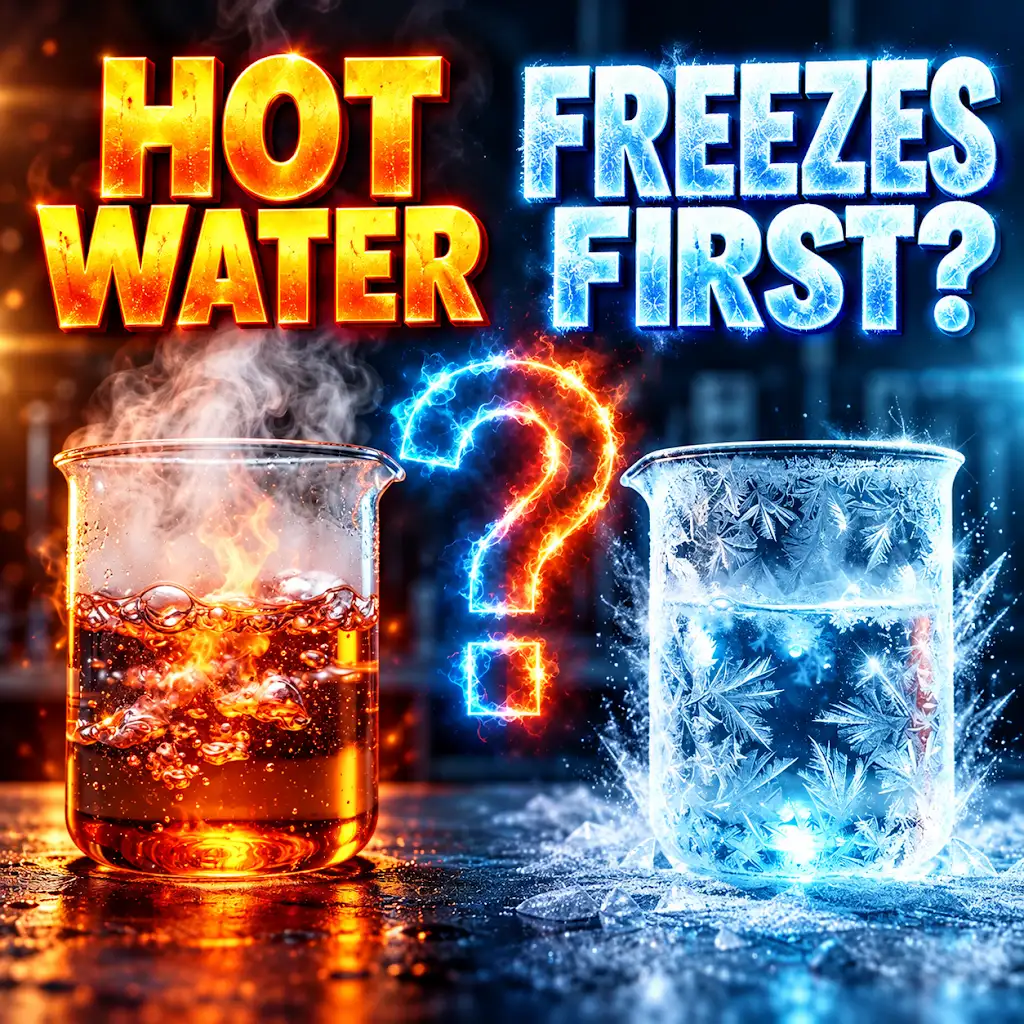
Why Hot Water Freezes Faster Than Cold (The Mpemba Effect)
FAQs
What is the science behind freezing?
Freezing is the process of lowering the temperature of a substance to the point where it changes from a liquid to a solid state. This is achieved by removing heat energy from the substance, causing the molecules to slow down and form a crystalline structure.
How does freezing affect different types of matter?
Freezing affects different types of matter in various ways. For example, water expands when it freezes, which is why ice floats on liquid water. Metals become more brittle when frozen, while some organic materials can be preserved for long periods when frozen.
What are some real-world applications of freezing in science?
Freezing is used in various scientific fields for preservation, analysis, and experimentation. It is commonly used in cryogenics to store biological samples, in food science to preserve perishable items, and in chemistry to facilitate certain reactions.
How does freezing play a role in climate science?
Freezing plays a crucial role in climate science as it affects the formation of ice caps, glaciers, and permafrost. Changes in freezing patterns can impact global sea levels, weather patterns, and the overall climate of the planet.
What are some challenges faced when filming a science documentary about freezing?
Filming a science documentary about freezing can present challenges such as capturing microscopic ice crystal formations, showcasing the effects of freezing on different materials, and conveying the complex scientific concepts in an engaging and understandable way for viewers.