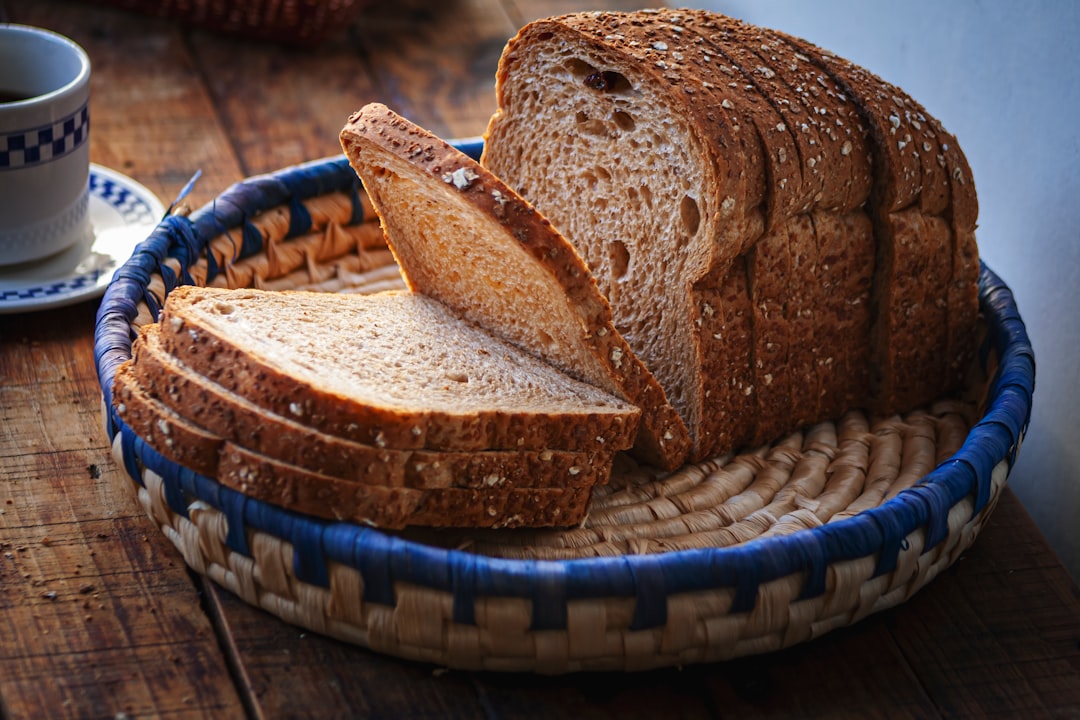
You stand in your kitchen, the familiar scent of yeast and flour filling the air. A lump of dough, once a sticky, shapeless mass, now rests before you, plump and yielding. Soon, this will transform into a golden-crusted loaf, a testament to the magic that unfolds within. But it’s not just magic, you see. It’s science. The science of bread, from its humble beginnings as flour and water to its glorious, delicious end.
You might think of flour as just ground-up grain, a simple ingredient. But within that seemingly inert powder lies a complex world of proteins, starches, and enzymes, all poised for transformation. Understanding these components is the first step in unlocking the secrets of your dough.
The Protein Powerhouse: Gluten, the Dough’s Architect
When you add water to flour, something remarkable happens. Two proteins, gliadin and glutenin, begin to interact. You’re not just mixing; you’re creating. As you knead, these proteins link together, forming a continuous, elastic network known as gluten. This is the backbone of your bread, the structure that will trap the gases produced during fermentation, allowing your loaf to rise.
- Gliadin’s Role: This protein is responsible for the extensibility of the dough. It allows the gluten network to stretch without breaking, giving your dough its signature pliability. Think of it as the flexible fibers that allow the structure to expand.
- Glutenin’s Role: Glutenin, on the other hand, provides the dough with its elasticity. It’s the springy component that allows the dough to snap back when you push it. This resilience is crucial for containing the expanding gases and achieving a good oven spring.
- The Importance of Hydration: The amount of water you use is critical. Too little, and the gluten network won’t form properly, resulting in a dense, heavy bread. Too much, and the dough will be sticky and difficult to handle, potentially leading to a weak gluten structure. You’re aiming for that sweet spot where the proteins can hydrate and link effectively.
- Kneading as Activation: Your vigorous kneading isn’t just about building muscle. It’s the physical manipulation that encourages the gliadin and glutenin molecules to align and form those essential disulfide bonds. You’re essentially weaving a strong, elastic net. Different flours have varying protein content, so the hydration and kneading time will adjust accordingly. A bread flour, with its higher protein, will develop gluten more readily than a cake flour.
Starch Structures: The Energy Source and Texture Creator
Beyond proteins, flour is rich in starches. These are long chains of glucose molecules, and they play a vital role in the bread-making process, both in terms of flavor and texture.
- Gelatinization: When starches are heated with water, they absorb moisture and swell. This process, called gelatinization, is what makes your dough firm up. During baking, this gelatinization continues, contributing to the crumb structure.
- Starch Breakdown: Enzymes present in the flour, particularly amylase, begin to break down these long starch chains into simpler sugars. This is a crucial step, as these sugars will become food for the yeast.
The science behind a slice of bread is fascinating, as it involves the intricate processes of fermentation, baking, and the Maillard reaction, which contributes to the bread’s flavor and texture. For a deeper understanding of the chemistry involved in bread-making, you can explore a related article that delves into the scientific principles at play. To read more about this topic, visit Freaky Science.
The Living Powerhouse: Yeast, Fermentation, and the Magic of Rising
Now, let’s talk about the magic ingredient that gives bread its airy texture and complex flavor: yeast. These single-celled fungi are the engine of fermentation, and their activity is the heart of bread making.
Saccharomyces Cerevisiae: The Baker’s Friend
The most common yeast used in baking is Saccharomyces cerevisiae. This humble organism, when provided with the right conditions, goes to work with incredible efficiency.
- What Yeast Eats: Yeast thrives on sugars. As we’ve discussed, the amylase enzymes in flour break down starches into simpler sugars, providing a ready food source for the yeast. If you’re adding sugar to your dough, you’re essentially giving the yeast an extra boost.
- The Byproducts of Life: As yeast consumes sugar, it produces two main byproducts: carbon dioxide gas and alcohol. The carbon dioxide is what inflates your dough, creating those airy pockets. The alcohol, primarily ethanol, contributes to the complex aromas and flavors of the finished bread. Don’t worry; most of the alcohol evaporates during baking.
- The Importance of Temperature: Yeast activity is highly sensitive to temperature.
- Too Cold: In a cold environment, yeast activity slows dramatically, meaning your dough will rise very slowly, if at all. This can be useful for developing flavor over a longer period, but it’s not ideal for a speedy bake.
- Too Warm: Excessive heat can kill the yeast, halting fermentation entirely. You want a warm, but not hot, environment. Think of a comfortably warm room, around 75-80°F (24-27°C).
- The Sweet Spot: The optimal temperature for yeast activity is generally between 75-80°F (24-27°C). This is where they’re most productive, churning out gas and flavor.
The Art of Fermentation: A Symphony of Time and Temperature
Fermentation isn’t just about yeast. It’s a complex biochemical process that unfolds over time, influenced by a multitude of factors.
- Bulk Fermentation (First Rise): This is the period after you’ve mixed your dough and given it its initial kneading. During this time, the yeast is actively producing gas, and the gluten network is developing further. You’ll notice the dough increasing in volume, becoming lighter and more aerated.
- Proofing (Second Rise): After you’ve shaped your loaf, it undergoes a second rise, known as proofing. This is when the dough develops its final volume before baking. The gluten network is now more developed, capable of holding the gas produced by the yeast.
- Enzyme Activity Beyond Yeast: It’s not just yeast that’s active. Other enzymes in the flour continue to work, breaking down starches and proteins, contributing to the dough’s flavor and texture. You’re not just feeding yeast; you’re orchestrating a whole biochemical orchestra.
- The Role of Salt: Salt is more than just a flavor enhancer. It plays a crucial role in controlling yeast activity. It draws moisture away from the yeast cells, slowing down their fermentation rate. This prevents the dough from over-proofing too quickly and allows for a more controlled, even rise, contributing to a better crumb structure. Salt also strengthens the gluten network, making the dough more elastic.
- The Tang of Sourdough: In sourdough baking, you’re relying on a wild yeast and lactic acid bacteria culture. This symbiotic relationship produces a more complex flavor profile, with that characteristic tang, due to the production of lactic and acetic acids by the bacteria. The fermentation process is slower and more nuanced.
The Transformation Begins: Shaping and the Delicate Balance of Air
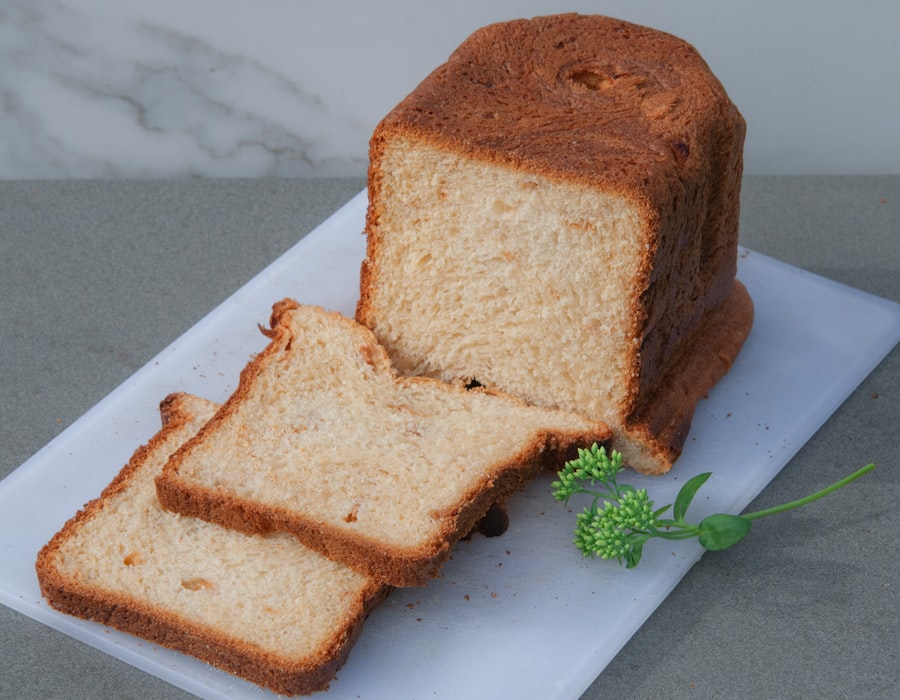
Once your dough has risen, it’s time to give it its form. This stage is about more than just aesthetics; it’s about preparing the dough for its final bake.
Gentle Handling: Preserving the Air You’ve Created
You’ve worked hard to create all those beautiful air pockets during fermentation. The key now is to handle the dough gently to preserve them.
- Degassing (Minimally): While you do want to gently press out some of the larger, irregular bubbles, you don’t want to completely deflate the dough. This slight degassing helps to redistribute the yeast and sugars and prepares the dough for a more even rise during baking. Think of it as a gentle nudge, not a punch.
- Shaping Techniques: Whether you’re creating a round boule, a long baguette, or a simple loaf, the shaping technique is designed to create surface tension. This tension helps the loaf hold its shape during proofing and baking, preventing it from spreading out too much. You’re creating a taut outer skin that will hold everything together.
- The Importance of Sealing: When shaping, you want to ensure that your seams are well-sealed. This prevents the dough from opening up and bursting in unexpected places during baking, leading to a more uniform loaf.
The Final Proof: The Last Breath Before the Oven’s Embrace
This is your dough’s last chance to expand before the heat of the oven locks in its structure.
- Observing the Dough: You’re not just waiting for a specific time; you’re looking for visual cues. The dough should be visibly puffed up, feeling light and airy when gently poked. A light touch should leave a slight indentation that slowly springs back.
- The Risk of Over-proofing: If you let the dough proof for too long, the gluten network can weaken to the point where it can no longer hold the gas. This leads to a loaf that collapses in the oven, resulting in a dense, gummy texture. You’re walking a fine line here.
- The Benefits of Cold Proofing: Proofing in the refrigerator can be a game-changer. The cold significantly slows down yeast activity, allowing the enzymes to continue breaking down starches and proteins, developing deeper flavors. It also makes the dough firmer and easier to score. You can achieve a more complex flavor and better oven spring.
The Fiery Transformation: Baking and the Maillard Reaction’s Artistry
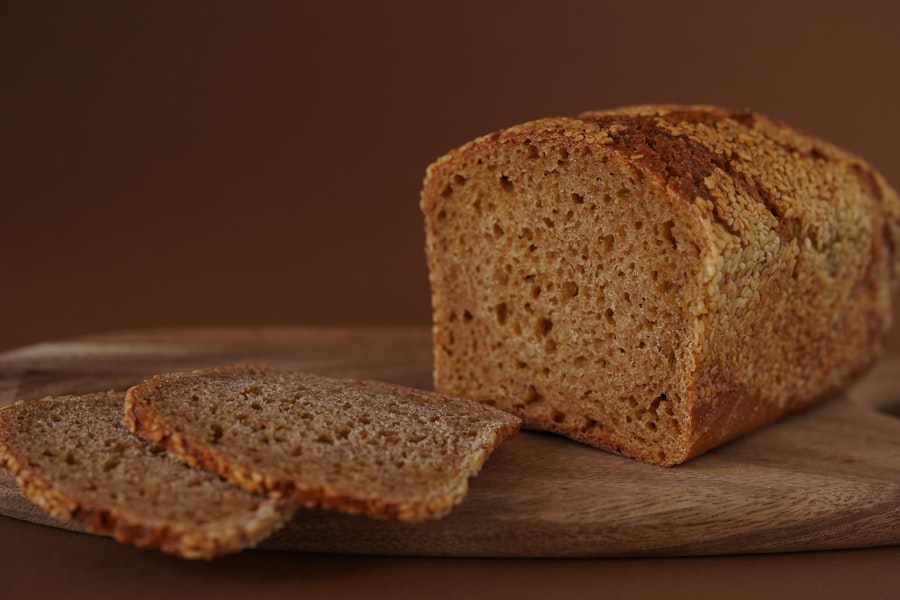
The oven is where the real magic happens, where raw dough is transformed into a delicious, edible masterpiece. This is a stage of intense heat and chemical reactions that create the signature crust and soft crumb of your bread.
Heat’s Embrace: Oven Spring and Structure Setting
As soon as your dough hits the hot oven, a rapid expansion occurs – this is called oven spring.
- Rapid Gas Expansion: The heat causes the trapped carbon dioxide gas to expand rapidly, giving the loaf a final burst of volume. This is why a well-proofed dough is crucial.
- Starch Gelatinization and Protein Coagulation: The heat causes the starches to gelatinize further, and the gluten proteins coagulate, setting the structure of the bread. This is what transforms the soft dough into a firm loaf. You’re essentially cooking the dough.
- Steam’s Secret Role: In many bread-making methods, steam is introduced in the initial stages of baking. This steam keeps the surface of the dough moist and elastic for longer, allowing for maximum oven spring before the crust begins to form. It prevents the crust from hardening too quickly, allowing the loaf to expand fully. Think of it as a temporary shield for your rising dough.
The Golden Hue: The Maillard Reaction and Caramelization
The irresistible aroma and beautiful golden-brown crust of your bread are the result of two key chemical processes.
- The Maillard Reaction: This is a complex series of chemical reactions between amino acids (from proteins) and reducing sugars. It occurs at high temperatures and is responsible for the browning of many cooked foods, including bread crusts. It creates hundreds of new flavor compounds, contributing to the rich, savory, and nutty notes in your bread.
- Caramelization: This is the browning of sugars when heated. While the Maillard reaction is more dominant, caramelization also contributes to the color and a subtle sweetness in the crust, especially if your dough contains a good amount of sugars.
- Controlling the Crust: The temperature of your oven and the duration of baking directly influence the extent of the Maillard reaction and caramelization, determining the color and crispness of your crust. A hotter oven for a shorter time might yield a darker, crisper crust, while a lower temperature for longer can result in a more evenly browned, slightly softer crust.
The science behind a slice of bread is fascinating, as it involves a complex interplay of ingredients and processes that transform simple components into a beloved staple. From the fermentation of yeast to the Maillard reaction that gives bread its golden crust, each step is crucial in creating the perfect loaf. For a deeper understanding of these processes and their implications on nutrition and flavor, you can explore this related article on the science of bread making. If you’re curious about the intricate details, check out the article here to learn more about what makes bread such an essential part of our diets.
The Final Flourish: Cooling and the Science of Texture
| Aspect | Details |
|---|---|
| Nutritional Content | A slice of bread typically contains carbohydrates, fiber, and a small amount of protein and fat. |
| Calories | On average, a slice of bread contains around 70-80 calories. |
| Ingredients | Basic ingredients for bread include flour, water, yeast, and salt. |
| Chemical Reactions | Bread dough undergoes fermentation, where yeast consumes sugars and produces carbon dioxide, causing the dough to rise. |
| Gluten | Bread contains gluten, a protein that gives dough its elasticity and helps it rise. |
You’ve pulled your golden loaf from the oven. It smells divine, but resist the urge to cut into it immediately. The cooling process is just as important as the baking itself.
The Cooling Cruse: Letting the Interior Settle
The interior of your bread is still incredibly hot and steamy when it comes out of the oven.
- Moisture Redistribution: As the bread cools, the moisture within the crumb begins to redistribute. If you cut into it too soon, the steam will escape, and the crumb can appear gummy and wet. Patience is key.
- Structure Stabilization: The gelatinized starches and coagulated proteins continue to set and stabilize as the bread cools. This process contributes to the final texture and crumb structure you enjoy. You’re allowing the internal structure to firm up.
- Crust Crispness: The crust continues to crisp up as it cools, releasing steam. This is why it’s best to cool bread on a wire rack, allowing air to circulate around the entire loaf.
The Crumble and Chew: The Sensory Science of Bread
Finally, you slice into your masterpiece. The sound of the crust crackling, the sight of the airy crumb, the satisfying chew – all of this is the culmination of the scientific journey.
- The Crumb’s Texture: The size and distribution of the air pockets, determined by gluten development and fermentation, dictate the crumb’s texture. A fine crumb with small, even holes is a sign of a well-developed gluten network and proper proofing. A more open crumb with larger holes suggests a more relaxed gluten structure and potentially longer fermentation.
- The Balance of Chew and Tenderness: The interplay between the gluten network (providing chew) and the starches (providing tenderness) creates the perfect balance in a well-made loaf. It’s a delicate dance that you’ve orchestrated through your understanding of the science involved.
You look at the loaf before you, a testament to your efforts. It’s more than just baked flour; it’s a product of meticulous science, a symphony of chemical reactions, and a testament to your skill as a baker. From the humble flour to the delicious final product, you’ve witnessed and participated in the extraordinary science of bread.

We Figured Out How to Turn Air Into Food
FAQs
What is the science behind a slice of bread?
Bread is made from flour, water, yeast, and salt. The yeast causes the dough to rise through a process called fermentation, which produces carbon dioxide gas. This gas gets trapped in the dough, causing it to expand and rise, resulting in the light and airy texture of bread.
How does bread get its brown crust?
The brown crust on bread is formed through a process called the Maillard reaction. This reaction occurs when the sugars and amino acids in the dough are exposed to heat, resulting in the browning and development of complex flavors and aromas.
Why does bread become stale?
Bread becomes stale due to a process called retrogradation, where the starch molecules in the bread recrystallize and form a more rigid structure. This causes the bread to lose moisture and become dry and hard.
What gives bread its texture?
The texture of bread is determined by the gluten protein network formed during kneading. Gluten provides the elasticity and structure to the dough, allowing it to trap carbon dioxide gas produced by the yeast, resulting in the soft and chewy texture of bread.
How does bread stay fresh?
Bread stays fresh due to the presence of preservatives, such as calcium propionate, which inhibit the growth of mold and bacteria. Additionally, packaging bread in airtight bags helps to maintain its freshness by preventing moisture loss.