The rhythmic pulse of seasons often ushers in a spectacular and ancient phenomenon: animal migration. From the vast herds of wildebeest thundering across the African savanna to the delicate monarch butterflies embarking on their multi-generational journey across North America, these epic movements are driven by an intricate interplay of biological imperatives, environmental cues, and sophisticated navigational abilities. Understanding the science behind animal migration reveals a world of astonishing biological adaptations and evolutionary marvels.
Animal migration is not a whimsical wanderlust; it is a finely tuned survival strategy honed over millennia. Species embark on these arduous journeys for a confluence of reasons, primarily centered around securing essential resources and ensuring reproductive success. The fundamental principle is to exploit ephemeral environmental conditions and avoid periods of scarcity or extreme hazard.
Resource Abundance and Scarcity
One of the most compelling drivers of migration is the search for food. As seasons change, so does the availability of preferred food sources in different regions. For instance, many birds migrate south for the winter to escape the frozen landscapes that render insects and seeds inaccessible. Conversely, they return north in the spring to capitalize on the abundance of food and longer daylight hours that fuel breeding and chick-rearing. Similarly, large mammals like caribou or reindeer undertake long treks to reach nutritious tundra grasses after facing scarce vegetation in their wintering grounds.
Seasonal Food Availability
The precise timing of migration is often dictated by the cyclical patterns of plant growth and insect emergence. Areas that offer a predictable surge in food resources at specific times of the year become critical stopover points or destination territories. This temporal aspect is crucial for species with short breeding seasons or those that need to accumulate substantial energy reserves before facing challenging conditions.
Water Sources and Drought Avoidance
For many animals, particularly in arid or semi-arid regions, access to water is a paramount concern. Migrations can be triggered by the onset of dry seasons, forcing animals to move towards perennial waterholes or rivers. The famous wildebeest migration in the Serengeti, for example, is intricately linked to the elusive rains that dictate the availability of fresh grazing land and, consequently, water.
Reproduction and Breeding Grounds
Beyond sustenance, migration often plays a vital role in facilitating reproduction. Many species leave established territories to access specific, often remote, breeding grounds that offer optimal conditions for raising young. These locations might provide protection from predators, abundant food for offspring, or suitable nesting sites.
Access to Safe Breeding Habitats
Certain environments are uniquely suited for breeding. For example, sea turtles undertake some of the longest migrations known, returning to the very beaches where they hatched to lay their own eggs. These beaches often offer a combination of soft sand for digging nests and a relative lack of terrestrial predators. Similarly, many migratory birds seek out islands or remote mountainous regions, which can offer a refuge from ground-based predators and ensure higher survival rates for their vulnerable young.
Optimal Conditions for Offspring Development
The nutritional and climatic conditions in breeding grounds are often far superior to those in their non-breeding ranges. This allows for rapid growth and development of young, increasing their chances of survival. The extended daylight hours in the Arctic summer, for example, provide migratory birds with more time to forage and feed their chicks, a critical advantage in a short breeding season.
Escape from Predation and Parasites
While not always the primary driver, avoiding high predator densities or intense parasite loads can also influence migratory patterns. Animals may move to areas with fewer predators during vulnerable periods, such as during breeding or when raising young.
Reducing Predation Pressure
Areas with concentrated predator populations can be a significant threat. Migrating to less populated areas can reduce the risk of being preyed upon, especially for young, inexperienced, or weakened individuals. This can also be a factor in group migrations, where larger numbers offer a dilution effect against predation.
Alleviating Parasite Burden
Overcrowding in non-breeding seasons can lead to a higher transmission rate of parasites. Migrating to new, less contaminated environments can help animals shed these burdens, improving their overall health and reproductive fitness.
Animal migration is a fascinating phenomenon that showcases the incredible journeys undertaken by various species in search of food, breeding grounds, or more favorable climates. To delve deeper into this topic, you can explore a related article that explains the intricacies of animal migration patterns and the factors influencing them. For more information, check out this insightful piece on animal migration at Freaky Science.
The Navigational Toolkit: How Animals Find Their Way
The ability of animals to navigate vast distances, often with incredible precision, is one of the most astonishing aspects of migration. They employ a complex suite of sensory inputs and internal compasses, often in combination, to orient themselves and reach their destinations.
Celestial Navigation
The sun and stars provide reliable celestial cues that many migratory animals utilize for orientation. This remarkable feat requires an internal sense of time and an understanding of the celestial bodies’ movements.
The Sun Compass
Many diurnal (day-active) migrants, particularly birds, use the position of the sun as a compass. They can compensate for the sun’s movement across the sky by using an internal biological clock. This allows them to maintain a consistent direction of travel throughout the day.
Star Compass
Nocturnal (night-active) migrants, such as many passerine birds, rely on the stars for navigation. Research has shown that they orient themselves relative to the patterns of stars, particularly those around the celestial pole, which remain relatively stationary. Experiments have demonstrated that birds will alter their migratory direction if the star patterns are artificially changed.
Geomagnetic Navigation: The Earth’s Magnetic Field
Perhaps one of the most intriguing navigational tools is the Earth’s magnetic field. Animals across a wide range of taxa have been shown to possess a “magnetic sense” that allows them to detect and utilize the planet’s magnetic field for orientation.
Magnetoreception: Sensing the Field
The precise mechanisms of magnetoreception are still a subject of active research, but several hypotheses exist. One prominent theory involves specialized photoreceptors in the eye, particularly in birds. These receptors, containing molecules called cryptochromes, may undergo a chemical reaction influenced by the Earth’s magnetic field, allowing the animal to “see” magnetic field lines. Another hypothesis suggests the presence of magnetic particles (like magnetite) in specialized sensory organs, acting like a tiny compass.
Inclination Compass and Polarity Compass
The Earth’s magnetic field provides different types of information. An inclination compass utilizes the angle at which the magnetic field lines intersect the Earth’s surface, providing information about latitude. A polarity compass, on the other hand, could detect the north-south direction of the magnetic field lines. Evidence suggests that different species may utilize one or both of these systems.
Olfactory Cues: The Power of Scent
For many species, scent plays a critical role in navigation, especially over shorter distances or for honing in on specific locations. This is particularly true for animals that return to natal sites.
Homing Instincts and Scent Maps
Salmon are a classic example of animals that use scent to navigate. They imprint on the unique chemical signature of their home stream as juveniles and can detect this scent from miles away when returning to spawn. Similarly, many birds are believed to create “scent maps” of their surroundings, using a variety of olfactory cues to orient themselves.
Chemical Signatures of Landscapes
The landscape itself possesses a unique chemical fingerprint created by various plants, soils, and waterways. Migratory animals may learn to recognize and follow these gradients of scent, guiding them along familiar routes.
Visual Landmarks and Mental Maps
While celestial and magnetic cues are crucial for long-distance orientation, visual landmarks and learned “mental maps” are vital for fine-tuning routes, identifying stopover sites, and locating specific destinations.
Familiar Terrains and Routes
Migratory animals often follow established routes, honed over generations, which are marked by recognizable geographical features such as mountain ranges, coastlines, and river systems. These landmarks serve as crucial navigational aids, especially in areas where other cues might be less reliable.
Learned and Inherited Information
The knowledge of migration routes can be both learned and inherited. Young animals may learn migratory routes by following experienced adults. However, there is also evidence of an innate predisposition to migrate in certain directions, which is then refined through experience.
The Physiological Adaptations for Long-Distance Travel

The sheer physical demands of migration require remarkable physiological adaptations. Animals must be able to sustain prolonged periods of exertion, store and efficiently utilize energy, and cope with diverse environmental conditions.
Energy Storage and Metabolism
Migration is an energy-intensive process, and animals must be able to store and mobilize vast reserves of fuel to sustain their journeys.
Fat Deposition: The Fuel of Migration
The accumulation of body fat is a common and crucial adaptation for migratory species. Before embarking on a long journey, many animals will enter a hyperphagic state, consuming significantly more food to build up substantial fat reserves. This fat serves as the primary energy source during migration, metabolized to provide the necessary power for flight, swimming, or running.
Efficient Energy Utilization
Beyond simply storing fat, migratory animals have evolved highly efficient metabolic pathways. They can fine-tune their energy expenditure, switching between different fuel sources and minimizing unnecessary energy loss. For example, birds in flight can adjust their wingbeat frequency and angle to optimize aerodynamic efficiency.
Cardiovascular and Respiratory Efficiency
The cardiovascular and respiratory systems must be exceptionally well-equipped to meet the demands of sustained physical activity.
Enhanced Oxygen Uptake and Transport
Migratory animals often possess larger hearts, more developed lungs, and a higher concentration of red blood cells to maximize oxygen uptake and delivery to working muscles. This increased capacity is essential for aerobic respiration during strenuous migration.
Tolerance to Hypoxia and Altitude
Some migrants, particularly birds that fly at high altitudes, must cope with reduced oxygen levels (hypoxia). They have evolved physiological mechanisms to tolerate these conditions, such as increased blood viscosity or improved efficiency in oxygen extraction at the cellular level.
Thermoregulation and Water Balance
Migratory journeys often span diverse climatic zones, requiring animals to adapt to varying temperatures and humidity levels.
Acclimatization to Different Climates
Animals may undergo physiological acclimatization before or during their migration to better cope with the temperature extremes they will encounter. This can involve changes in insulation, metabolic rate, and even heat dissipation mechanisms.
Water Conservation Strategies
For migrants traveling through arid regions or over oceans, water conservation is paramount. They may have specialized kidneys to produce concentrated urine, efficient water absorption mechanisms in their digestive systems, or behavioral strategies to minimize water loss, such as migrating during cooler parts of the day.
The Role of Environmental Cues and Triggers
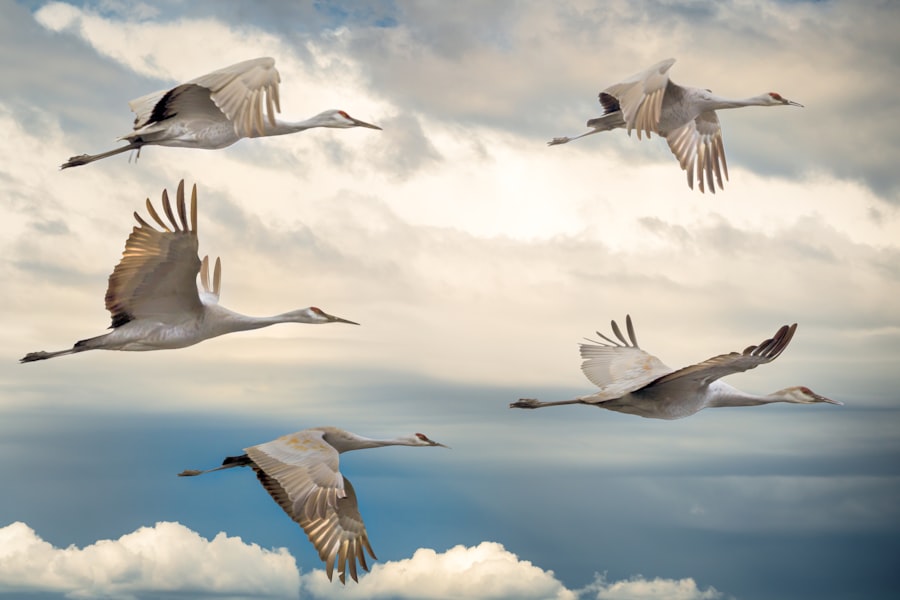
While internal biological clocks and navigational abilities are fundamental, the precise timing and initiation of migration are often triggered by specific environmental cues. These cues act as signals, indicating the optimal time to depart or arrive.
Photoperiod: The Length of Daylight
Changes in the length of daylight (photoperiod) are a primary cue for many migratory species, particularly birds. As days shorten in autumn or lengthen in spring, this signals impending seasonal changes and triggers migratory behavior.
Internal Biological Clock and Photoreception
Animals possess an internal biological clock, or circadian rhythm, that is synchronized with the external environment, particularly the light-dark cycle. Specialized photoreceptors detect changes in the duration of daylight, influencing hormonal changes that initiate migratory restlessness (Zugunruhe) and ultimately, departure.
Hormonal Responses to Light Cues
The changing photoperiod stimulates the release of various hormones, such as melatonin and prolactin, which play a role in regulating migratory behavior, reproductive cycles, and fat deposition.
Temperature and Weather Patterns
While photoperiod is often the primary trigger, temperature and prevailing weather patterns can also influence the timing and success of migration.
Seasonal Temperature Shifts
A significant drop in temperature can signal the approach of winter and prompt departure, while an upward trend in spring can encourage return. However, extreme weather events, such as early snowfalls or unusually warm spells, can sometimes disrupt these predictable patterns.
Wind and Atmospheric Conditions
Migratory animals, especially birds, can utilize wind patterns to their advantage. They may delay departure if prevailing winds are unfavorable or depart with the aid of tailwinds to reduce energy expenditure. Conversely, strong headwinds can be a significant obstacle.
Food Availability and Resource Depletion
The depletion of food resources in a particular area can also act as a strong trigger for migration. When food becomes scarce, the imperative to move to a region with greater abundance becomes urgent.
Overgrazing and Plant Maturity
For herbivores, the exhaustion of palatable vegetation can signal the need to migrate to new pastures. Similarly, insectivorous species will move when insect populations decline significantly.
Anticipation of Resource Scarcity
Some species may even migrate preemptively, anticipating future scarcity rather than reacting to immediate depletion. This proactive approach can be a significant survival advantage.
Animal migration is a fascinating phenomenon that showcases the incredible adaptability of various species as they travel vast distances in search of food, breeding grounds, or more favorable climates. For a deeper understanding of the factors influencing these migrations, you can explore a related article that delves into the science behind this natural behavior. This insightful piece provides valuable information on how environmental changes and instinctual patterns guide animals on their journeys. To read more about this topic, visit this article for an engaging exploration of animal migration.
Challenges and Conservation of Migratory Species
| Migration Type | Example | Distance Traveled |
|---|---|---|
| Seasonal Migration | Monarch Butterflies | Up to 3,000 miles |
| Altitudinal Migration | Elk | Up to 5,000 feet |
| Latitudinal Migration | Arctic Terns | Up to 44,000 miles |
Despite their remarkable adaptations, migratory species face increasing threats in the modern world. Habitat loss, climate change, and human activities pose significant challenges to the continuation of these ancient journeys.
Habitat Loss and Fragmentation
The fragmentation and destruction of critical habitats along migratory routes are among the most pressing threats. This impacts their ability to find food, rest, and breed.
Breeding, Stopover, and Wintering Grounds
Migratory species rely on a chain of interconnected habitats throughout their annual cycle. The loss or degradation of any link in this chain – whether it be their breeding grounds, essential stopover sites for refueling, or their wintering territories – can have devastating consequences.
Infrastructure Development and Urbanization
The expansion of human infrastructure, such as roads, cities, and agriculture, encroaches upon natural landscapes, reducing the available space for migration and often creating barriers.
Climate Change Impacts
Climate change is altering environmental cues and weather patterns, disrupting the delicate timing of migration and affecting food availability.
Shifting Phenology
Changes in temperature and precipitation patterns can lead to shifts in the timing of plant flowering, insect emergence, and other food sources. If migratory animals arrive at their destinations at the wrong time, they may miss crucial food resources, impacting their breeding success.
Extreme Weather Events
Increased frequency and intensity of extreme weather events, such as severe storms, droughts, and floods, can directly impact migratory animals, causing mortality and disrupting their journeys.
Anthropogenic Threats
Human activities, including pollution, hunting, and collisions with man-made structures, also contribute to the decline of migratory populations.
Pollutants and Toxins
Pollution, particularly in aquatic environments and agricultural landscapes, can accumulate in the bodies of migratory animals, affecting their health and reproductive capabilities.
Collisions with Infrastructure
Birds are particularly vulnerable to collisions with windows, power lines, and wind turbines. These encounters result in millions of avian deaths annually.
Sustainable Conservation Efforts
Effective conservation of migratory species requires international cooperation and a holistic approach. This includes:
Establishing Protected Areas and Corridors
Creating and protecting migratory corridors – contiguous areas of habitat that allow animals to move safely between their breeding and non-breeding grounds – is crucial.
Mitigating Climate Change
Addressing the root causes of climate change is essential for the long-term survival of migratory species.
Reducing Human Impact
Implementing measures to reduce direct human threats, such as sustainable hunting practices, minimizing light pollution that disorients nocturnal migrants, and retrofitting buildings to reduce window collisions, are vital steps.
The science of animal migration is a testament to the intricate beauty and resilience of the natural world. It highlights the profound interconnectedness of species with their environments and the extraordinary evolutionary adaptations that allow life to persist across vast landscapes and challenging seasons. Continued research and dedicated conservation efforts are vital to ensure that these ancient journeys, so integral to the planet’s biodiversity, continue for generations to come.

Birds Can Sense Something Humans Never Will
FAQs
What is animal migration?
Animal migration is the regular, seasonal movement of animals from one place to another. This movement is often driven by changes in temperature, food availability, or breeding patterns.
Why do animals migrate?
Animals migrate for a variety of reasons, including finding better food sources, escaping harsh weather conditions, or seeking out better breeding grounds. Migration allows animals to survive and thrive in different environments throughout the year.
How do animals navigate during migration?
Animals use a variety of methods to navigate during migration, including using the sun, stars, and Earth’s magnetic field. Some animals also have an innate sense of direction, while others may follow specific landmarks or use their sense of smell to guide them.
Which animals are known for migration?
Many species of animals are known for migration, including birds, fish, mammals, and insects. Some well-known examples include the monarch butterfly, wildebeest, salmon, and Arctic tern.
What are the challenges of animal migration?
Animal migration can be a dangerous and challenging journey, with obstacles such as predators, natural barriers, and human interference posing threats to migrating animals. Additionally, changes in climate and habitat loss can impact the success of migration for many species.