
The vast, seemingly silent expanse of the ocean is, in reality, a vibrant soundscape, a symphony of natural phenomena with an ever-increasing human-generated chorus. Acoustic oceanography, a discipline that bridges the fields of physics, biology, geology, and engineering, endeavors to understand this complex auditory world. It explores how sound travels through water, how it is produced by marine life and geological processes, and how it can be harnessed as a powerful tool for scientific inquiry and technological application. Far from being a mere academic pursuit, the science of acoustic oceanography provides critical insights into marine ecosystems, the Earth’s crust, and even the potential for communication and navigation in the underwater realm.
Understanding how sound behaves in the ocean is fundamental to acoustic oceanography. Water, being significantly denser than air, is a much more efficient medium for sound transmission. Sound waves propagate as compressions and rarefactions of the water molecules, traveling at speeds vastly exceeding those in the atmosphere. Several factors influence the speed of sound, creating variations within the ocean that are crucial for interpreting acoustic data.
Factors Affecting the Speed of Sound
The speed at which sound travels through seawater is not uniform. It is primarily dependent on three key environmental parameters: temperature, pressure, and salinity.
Temperature’s Influence
Temperature plays a dominant role in determining sound speed. As water temperature increases, the kinetic energy of the water molecules rises, leading to more frequent collisions and thus a faster transmission of sound pulses. This effect is most pronounced in the upper layers of the ocean, where sunlight warms the surface waters. Conversely, in colder, deeper waters, sound travels more slowly. The thermocline, a layer of rapid temperature change, therefore, presents a significant acoustic boundary, affecting how sound waves bend and refract.
Pressure’s Role
Pressure, which increases with depth, also affects sound speed. As pressure increases, water molecules are forced closer together, making the medium more compressible and thus slowing down sound transmission. While temperature’s effect can be profound in surface layers, pressure’s influence becomes more dominant in the deep ocean. The interplay between temperature and pressure creates a complex variation in sound speed throughout the water column.
Salinity’s Contribution
Salinity, the concentration of dissolved salts in seawater, has a lesser but still significant impact. Higher salinity leads to a slight increase in sound speed. This is because dissolved salts increase the density of the water, making it a more efficient medium for sound propagation. While changes in salinity are typically less dramatic than those in temperature or pressure across large oceanic regions, localized variations, such as those near river mouths or melting ice caps, can influence acoustic behavior.
Sound Propagation and the SOFAR Channel
The characteristics of sound propagation in the ocean are not a simple linear transmission. Instead, sound rays can bend, reflect, and be absorbed in complex ways, leading to phenomena like shadow zones and areas of intense sound. One of the most significant features governing long-range sound propagation is the SOFAR (Sound Fixing and Ranging) channel, also known as the deep sound channel.
The Deep Sound Channel
The SOFAR channel is an oceanic duct where sound waves can travel for thousands of kilometers with minimal loss of energy. This phenomenon occurs at a depth where the speed of sound is at its minimum. Above this depth, increasing temperature causes sound speed to increase, bending sound waves downwards. Below this depth, increasing pressure causes sound speed to increase, bending sound waves upwards. This convergence effect traps sound within the channel, allowing it to propagate long distances. The discovery and understanding of the SOFAR channel have been instrumental in oceanographic research, enabling acoustic tracking of submarines, whales, and even seismic events across vast ocean basins.
Attenuation and Absorption
While the ocean is a remarkably good conductor of sound, sound energy is not perfectly preserved. Attenuation, the gradual loss of sound intensity with distance, occurs due to two primary mechanisms: spherical spreading and absorption.
Spherical Spreading
As a sound wave expands outwards from its source, its energy is distributed over an increasingly larger spherical area. This geometric effect, known as spherical spreading, leads to a decrease in sound intensity with increasing distance, even in a perfectly transparent medium.
Absorption by Water
Water molecules themselves, along with dissolved substances, absorb sound energy, converting it into heat. The rate of absorption is frequency-dependent, with higher frequencies being absorbed more readily than lower frequencies. This is why low-frequency sounds can travel much further in the ocean than high-frequency sounds, making them ideal for long-range acoustic monitoring.
Acoustic oceanography is a fascinating field that utilizes sound waves to study the ocean’s physical and biological properties. For those interested in exploring this topic further, a related article can be found at Freaky Science, which delves into the various applications of acoustic methods in marine research. This article provides insights into how sound is used to map the ocean floor, monitor marine life, and assess environmental changes, making it a valuable resource for anyone looking to understand the significance of sound in oceanographic studies.
Bioacoustics: The Symphony of Marine Life
The ocean is far from a silent wilderness; it is teeming with life that communicates and interacts through sound. Bioacoustics, a sub-discipline of acoustic oceanography, focuses on the sounds produced by marine organisms and the ecological significance of these acoustic signals. From the clicks and whistles of dolphins to the deep rumbles of whales and the crackling of shrimp, the marine environment is a cacophony of biological sounds.
Vocalizations of Marine Mammals
Marine mammals, particularly whales and dolphins, are renowned for their complex vocalizations. These sounds serve a multitude of purposes, including communication, navigation, foraging, and social bonding.
Cetacean Communication
Whales and dolphins produce a wide range of sounds, from the haunting songs of humpback whales to the intricate click trains of sperm whales used for echolocation. These vocalizations can travel for hundreds or even thousands of kilometers, facilitating communication across vast ocean distances. Acoustic oceanographers study these sounds to understand migration patterns, social structures, and the health of marine mammal populations.
Echolocation
Many toothed whales and dolphins employ echolocation, a biological sonar system, to navigate, hunt, and perceive their environment. They emit high-frequency clicks and listen for the returning echoes, which provide detailed information about the size, shape, distance, and texture of objects in their surroundings. Analyzing these echolocation clicks provides invaluable insights into the foraging behavior and habitat use of these elusive creatures.
Sounds of Fish and Invertebrates
While less publicized than the vocalizations of marine mammals, fish and invertebrates also produce a surprising array of sounds. These sounds, often lower in frequency and amplitude, play crucial roles in their ecological interactions.
Auditory Signals in Fish
Various fish species produce sounds through mechanisms such as vibrating their swim bladders or grinding their teeth. These sounds can be used for attracting mates, defending territories, or warning of predators. Studying these fish sounds helps researchers understand reproductive behaviors, population dynamics, and predator-prey interactions.
Crustacean and Mollusc Acoustics
Even seemingly simple creatures like shrimp and some mollusks contribute to the ocean’s soundscape. Certain shrimp species produce a characteristic snapping sound with their claws, which can create significant noise levels in some environments. The specific sonic behaviors of these invertebrates are still being actively researched, highlighting the ongoing discoveries within marine bioacoustics.
The Role of Acoustics in Marine Ecology
Bioacoustics provides a non-invasive method for studying marine life, particularly in remote or difficult-to-access environments. Acoustic monitoring allows researchers to assess biodiversity, monitor population densities, and track the health of marine ecosystems.
Biodiversity Assessment
By deploying hydrophones (underwater microphones), scientists can record the sounds of an area and analyze them to identify the species present. This acoustic biodiversity assessment can reveal the presence of rare or elusive species and provide a snapshot of the overall health and richness of an ecosystem.
Habitat Monitoring
Changes in the acoustic environment can signal changes in the habitat. For example, a decline in the abundance of certain vocalizing species might indicate habitat degradation or the presence of stressors like pollution or increased boat traffic. Acoustic oceanography provides a valuable tool for long-term habitat monitoring and management.
Geophony: The Earth’s Subsonic Rumbles

Beyond the biological realm, the Earth itself generates a constant stream of acoustic signals that resonate through the ocean. This geological soundscape, or geophony, offers scientists a unique window into the dynamic processes occurring beneath the seafloor and within the Earth’s crust.
Seismic Activity and Underwater Earthquakes
The most significant geological sounds originate from seismic activity, including earthquakes and volcanic eruptions. When the Earth’s tectonic plates shift, they generate powerful seismic waves that travel through the lithosphere and into the ocean.
T-Phases and P-Phases
Seismic waves are classified into different types, such as P-waves (primary waves) and S-waves (secondary waves). In the ocean, seismic waves that travel through the seafloor and then refract into the water are often detected as T-phases (tertiary phases). These acoustic signals can be used to pinpoint the location and magnitude of underwater earthquakes, providing crucial data for seismic hazard assessment and tsunami warning systems.
Volcanic Processes
Underwater volcanic eruptions also produce distinct acoustic signatures. The explosive release of gases, the fracturing of rock, and the movement of magma generate powerful sound pulses and rumbling noises that can be detected by hydrophones. Monitoring these acoustic signals helps scientists track volcanic activity and understand the formation of new seafloor.
Hydrothermal Vents and Seafloor Processes
Hydrothermal vents, fissures on the seafloor where superheated water and minerals are expelled, are another source of geological sound. The turbulent flow of water, the collapse of vent structures, and the interactions of various chemical compounds can create unique acoustic signatures.
The “Dragon Roar”
Some hydrothermal vents are known to emit a distinct low-frequency rumble, often referred to as the “dragon roar.” Acoustic instruments deployed near these vents can capture these sounds, providing insights into the fluid dynamics and geological processes occurring within the vent systems. This acoustic data can help researchers map active vent fields and study their impact on ocean chemistry and marine life.
Iceberg Dynamics
In polar regions, the calving of icebergs and their subsequent movement and grounding can also generate distinct acoustic signals. The cracking and breaking of ice, the scraping of icebergs against the seafloor, and the melting processes all contribute to the underwater soundscape.
Acoustic Signatures of Iceberg Impacts
The impact of an iceberg with the seafloor can create powerful acoustic pulses that are detectable over significant distances. These sounds can be used to track iceberg trajectories, estimate their size and mass, and understand their erosional impact on the continental shelves.
Anthropophony: The Growing Human Chorus
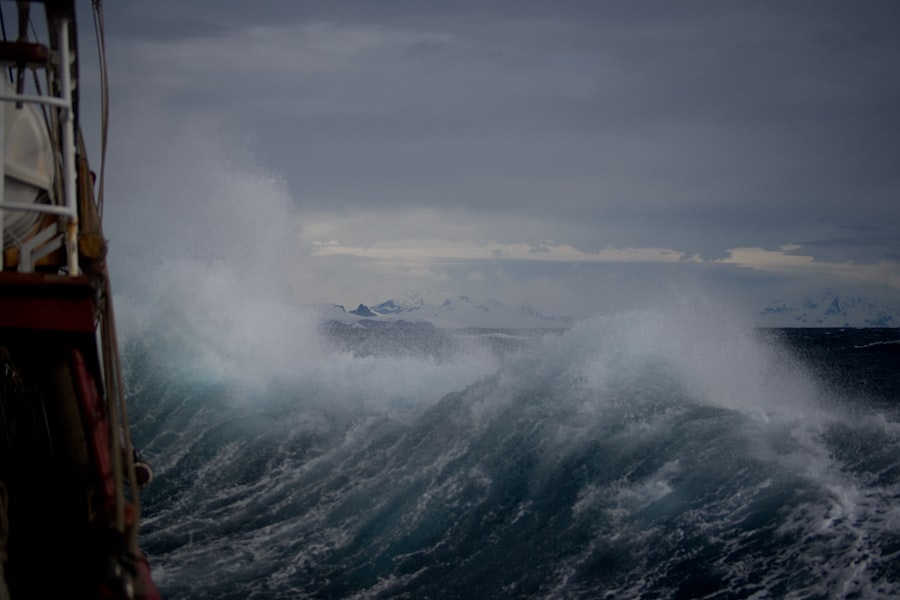
While the ocean is naturally filled with a symphony of biological and geological sounds, a growing chorus of human-generated noise, known as anthropophony, is increasingly impacting the marine environment. This anthropogenic noise originates from a wide range of human activities.
Shipping and Maritime Traffic
The most pervasive source of anthropogenic noise in the ocean is shipping. Large commercial vessels, including cargo ships, tankers, and cruise liners, generate continuous low-frequency noise from their engines and propellers.
Propeller Cavitation
A significant component of ship noise is propeller cavitation, the formation and collapse of bubbles in the water generated by the rapidly spinning propeller blades. This process creates a broadband noise signature that can interfere with the hearing and communication of marine mammals and other acoustically sensitive organisms.
Seismic Surveys and Resource Exploration
The exploration for oil, gas, and other marine resources involves the use of powerful acoustic sources, most notably seismic airgun arrays. These arrays generate intense, low-frequency sound pulses that are used to map subsurface geological structures.
The Impact of Airguns
The sound produced by seismic airguns is one of the loudest anthropogenic sounds in the ocean. These impulses can cause physical injury to marine animals, disrupt their feeding and reproductive behaviors, and interfere with their ability to communicate and navigate. The long-term ecological consequences of widespread seismic surveys are a growing concern for acoustic oceanographers.
Sonar Systems
Various sonar (Sound Navigation and Ranging) systems are used by military, commercial, and research vessels. These systems emit sound pulses and analyze the returning echoes to detect objects, map the seafloor, and navigate.
Mid-Frequency and Low-Frequency Sonar
Military sonar, particularly mid-frequency active sonar (MFAS), has been linked to mass stranding events of marine mammals, especially beaked whales. The intense sound pulses emitted by these systems can apparently cause physiological and behavioral responses that lead them to surface too quickly or become disoriented. Low-frequency active sonar (LFAS) is also used for long-range detection and can also have significant impacts on acoustically sensitive species.
Offshore Construction and Renewable Energy
The development of offshore infrastructure, including wind farms, oil rigs, and pipelines, also contributes to the ocean’s anthropogenic noise. Pile driving for wind turbine foundations, the operation of construction vessels, and the deployment of subsea equipment all generate significant noise.
Noise from Wind Farms
While renewable energy sources like wind farms are crucial for a sustainable future, their construction and operation can generate underwater noise. Pile driving to install foundations can be particularly disruptive. Ongoing research aims to quantify and mitigate the acoustic impacts of these installations on marine life.
Acoustic oceanography is a fascinating field that explores the use of sound waves to study the ocean’s physical and biological properties. For those interested in learning more about the various applications of this technology, a related article can be found at Freaky Science, which delves into how sound is utilized to monitor marine life and understand underwater ecosystems. This innovative approach not only enhances our knowledge of ocean dynamics but also aids in conservation efforts by providing valuable data on marine habitats.
Applications of Acoustic Oceanography
| Aspect | Description |
|---|---|
| Definition | Acoustic oceanography is the study of sound in the ocean, including its generation, propagation, and reception. |
| Applications | It is used for mapping the seafloor, studying marine life, monitoring climate change, and detecting underwater objects. |
| Techniques | Acoustic Doppler current profilers, hydrophones, and sonar are commonly used tools in acoustic oceanography. |
| Challenges | Challenges include background noise, signal attenuation, and interpretation of complex acoustic data. |
The understanding of sound in the ocean has led to a diverse range of practical applications that are vital for scientific research, navigation, resource management, and security. Acoustic oceanography provides the foundational knowledge for these technologies.
Marine Mammal Research and Conservation
Acoustic methods have revolutionized the study and conservation of marine mammals. Passive acoustic monitoring (PAM) systems, which deploy arrays of hydrophones, allow researchers to detect, locate, and track the vocalizations of whales, dolphins, and other marine mammals.
Population Estimates and Distribution
By analyzing the calls recorded by PAM systems, scientists can estimate population sizes, determine species distribution, and identify important habitats. This acoustic data is crucial for assessing the conservation status of endangered species and developing effective management strategies.
Behavior and Health Monitoring
The study of marine mammal vocalizations can provide insights into their behavior, social interactions, and even their health. Changes in call patterns or the absence of certain vocalizations can indicate stress, injury, or the presence of environmental disturbances.
Seafloor Mapping and Navigation
Sonar systems, powered by acoustic principles, are essential for mapping the seafloor and navigating underwater. These technologies play a critical role in charting shipping routes, identifying underwater hazards, and exploring the deep ocean.
Multibeam Echosounders
Multibeam echosounders, which emit multiple acoustic beams, can create detailed three-dimensional maps of the seafloor topography. This data is invaluable for coastal management, habitat characterization, and identifying potential locations for offshore infrastructure.
Acoustic Positioning Systems
Acoustic positioning systems are used to determine the precise location of underwater vehicles, such as remotely operated vehicles (ROVs) and autonomous underwater vehicles (AUVs), as well as submerged structures. These systems are vital for underwater construction, scientific surveys, and offshore operations.
Climate Monitoring and Oceanographic Research
Acoustic techniques are increasingly being employed to monitor oceanographic conditions and contribute to climate change research.
Ocean Temperature and Salinity Measurements
The speed of sound in seawater is highly sensitive to temperature and salinity. By measuring the travel time of acoustic signals between known points, scientists can infer ocean temperature and salinity profiles. This data is essential for understanding ocean circulation patterns and their role in global climate.
Underwater Acoustics in Tsunami Warning Systems
The SOFAR channel, with its ability to transmit sound over long distances, plays a role in some tsunami warning systems. Detecting the acoustic signatures of underwater earthquakes and monitoring changes in ocean pressure that can precede a tsunami are areas where acoustics is vital.
Underwater Communications and Security
Acoustics provides the primary means for communication and detection in the underwater environment, where radio waves are not effective.
Underwater Telemetry and Data Transmission
Acoustic modems are used to transmit data and commands between underwater sensors, vehicles, and surface vessels. This is essential for collecting data from deep-sea observatories, controlling AUVs, and monitoring oceanographic conditions in real-time.
Anti-Submarine Warfare and Mine Detection
Military applications of acoustic oceanography are extensive, including sonar for detecting submarines and identifying underwater mines. The principles of acoustic propagation and the ability to differentiate between various acoustic signals are critical for national security.
In conclusion, acoustic oceanography is a multifaceted and dynamic scientific field that unravels the complexities of sound in the marine realm. From the fundamental physics governing its propagation to the intricate symphony of marine life and the persistent hum of human activity, sound plays a pivotal role in shaping our understanding and interaction with the ocean. As technology advances and our awareness of the ocean’s vulnerability grows, acoustic oceanography will continue to be an indispensable tool for scientific discovery, resource management, and the preservation of this vital global ecosystem.

The Secret Ocean Layer That Lets Sound Travel for Thousands of Miles
FAQs
What is acoustic oceanography?
Acoustic oceanography is the study of the properties of the ocean using sound waves. It involves using acoustic instruments to measure various oceanic parameters such as temperature, salinity, currents, and marine life.
How is acoustic oceanography used?
Acoustic oceanography is used to study the physical, biological, and geological characteristics of the ocean. It is used to monitor oceanic conditions, study marine life, map the seafloor, and understand ocean circulation patterns.
What are some applications of acoustic oceanography?
Acoustic oceanography has various applications, including oceanographic research, environmental monitoring, fisheries management, marine mammal studies, underwater communication, and navigation.
What are some acoustic instruments used in oceanography?
Some common acoustic instruments used in oceanography include echo sounders, hydrophones, acoustic Doppler current profilers, and acoustic cameras. These instruments are used to measure and map the physical and biological properties of the ocean.
What are the advantages of using acoustic methods in oceanography?
Acoustic methods in oceanography offer several advantages, including the ability to collect data over large spatial scales, operate in real-time, penetrate through water with minimal disturbance to marine life, and provide valuable information for various ocean-related applications.