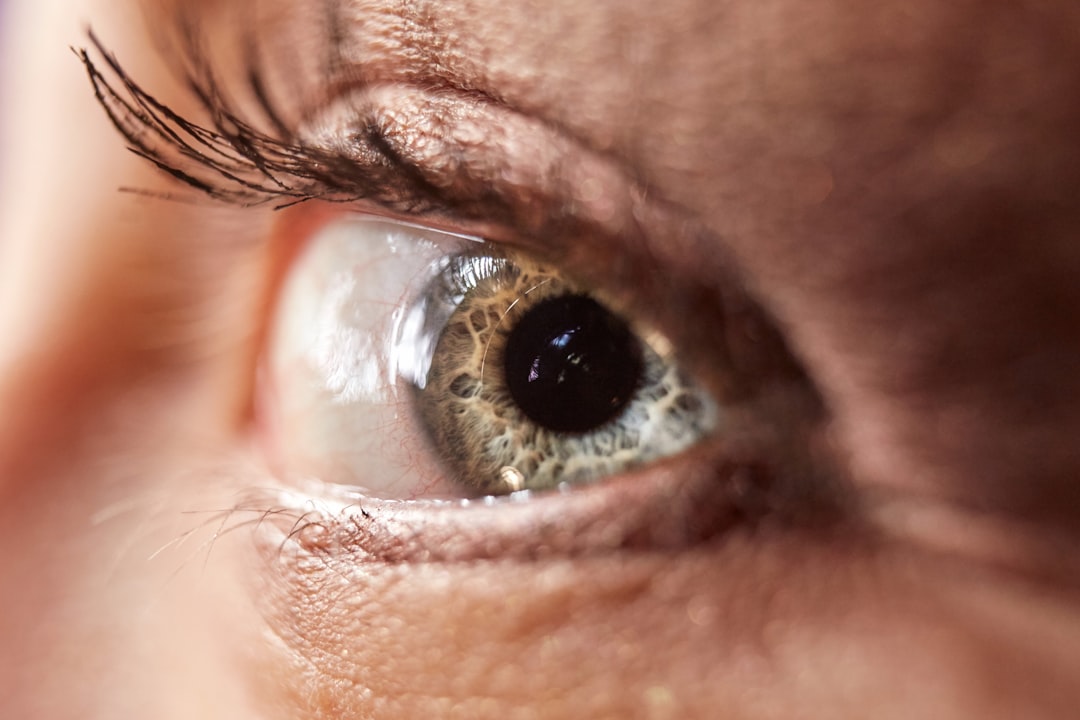
You’re in a dimly lit room, perhaps a cinema or a well-appointed home theater. The film begins. As the action unfolds, particularly during scenes demanding rapid object movement or intense visual shifts, you might experience a peculiar phenomenon: a subtle blurring or smearing effect at the edges of your vision. This isn’t a malfunction of the screen or your eyes; it’s a consequence of the intricate interplay between a specific sound frequency and the sophisticated biological machinery of your peripheral visual system. You are, in essence, witnessing a demonstration of the science of 19Hz and peripheral vision smears.
The human ear, a marvel of biological engineering, is capable of detecting a wide range of sound frequencies. Our auditory range typically spans from approximately 20 Hz (a low rumble) to 20,000 Hz (a high-pitched squeal). However, the specific frequency of 19 Hz resides at the very edge of this perceptible spectrum. It’s a sound that many individuals will struggle to consciously hear.
The Limits of Audibility
You might wonder why such a low frequency is relevant. Our ability to discern frequencies diminishes as they approach the absolute limits of our hearing. At 19 Hz, for many people, the sound is experienced more as a physical sensation – a vibration, a pressure, or a subtle tremor – rather than a distinct auditory tone. This is why films often employ subwoofers capable of reproducing these infrasonic frequencies; they are designed to be felt, not just heard.
Infrasound and its Effects
Frequencies below the human audible range (typically below 20 Hz) are known as infrasound. While we may not consciously perceive them, infrasound has been shown to have various physiological and psychological effects. These can range from subtle feelings of unease or tension to more pronounced physical sensations. The 19 Hz frequency sits precariously on the cusp of this infrasonic realm, making it a fascinating point of investigation.
The Energy of Low Frequencies
The energy contained within low-frequency sound waves is significant. As these waves propagate, they can impart vibrations to their surroundings, including the air and, consequently, the structures within which you are situated. Think of the palpable rumble of a distant explosion in a movie; this is the result of substantial energy being transferred through the air. The 19 Hz frequency, while not necessarily perceived as loud, carries enough energy to interact with your sensory systems in unexpected ways.
Recent studies have shown that exposure to certain low-frequency sounds, such as 19Hz, can lead to visual disturbances, including peripheral vision smears. This phenomenon is thought to occur due to the way our brain processes auditory and visual information simultaneously. For a deeper understanding of this intriguing topic, you can read more in the related article found at Freaky Science, which explores the connections between sound frequencies and visual perception.
The Mechanics of Your Peripheral Vision
Your visual system is far more complex than simply a camera capturing images. It’s a dynamic and highly specialized organ, with different parts optimized for different tasks. Your peripheral vision, the part of your sight that extends beyond your direct line of focus, is a prime example of this specialization.
Rods and Cones: The Photoreceptor Duo
The retina, the light-sensitive tissue at the back of your eye, is populated by two main types of photoreceptor cells: rods and cones. Cones are responsible for color vision and sharp detail, and they are most concentrated in the fovea, the central part of your retina. Rods, on the other hand, are far more numerous in the periphery of your retina. They are extremely sensitive to light and play a crucial role in detecting movement and low-light conditions.
Recent studies have explored the intriguing phenomenon of how certain frequencies, such as 19Hz, can lead to peripheral vision smears, a topic that has garnered attention in the field of visual perception. This effect is thought to be linked to the way our brain processes rapid changes in visual stimuli, causing distortions in our peripheral awareness. For a deeper understanding of this phenomenon, you might find it interesting to read a related article that delves into the science behind visual perception and frequency effects. You can check it out here: Freaky Science.
The Peripheral Advantage: Motion Detection
Your peripheral vision’s primary strength lies in its ability to detect motion. This is a remnant of our evolutionary past, where quickly identifying potential threats or opportunities in our surroundings was paramount for survival. The high density of rods in the periphery, along with specialized neural pathways, allows for very rapid processing of visual stimuli, even those that are not directly in your line of sight.
The Trade-off: Resolution vs. Sensitivity
While your peripheral vision excels at detecting movement, it sacrifices fine detail. The resolution of your peripheral vision is significantly lower than that of your central vision. You can detect that something is moving in your periphery, but you might not be able to discern what it is or its precise features. This trade-off between sensitivity to motion and visual acuity is fundamental to how your visual system operates.
Neural Pathways: A Fast Track for Motion
The neural pathways originating from the peripheral retina are wired for speed. Information about detected motion is transmitted to the brain via pathways that bypass some of the more complex processing stages required for interpreting detailed images. This efficient routing ensures that your brain receives rapid alerts about changes in your visual field, allowing for swift reactions.
The Convergence: 19Hz and the Peripheral System
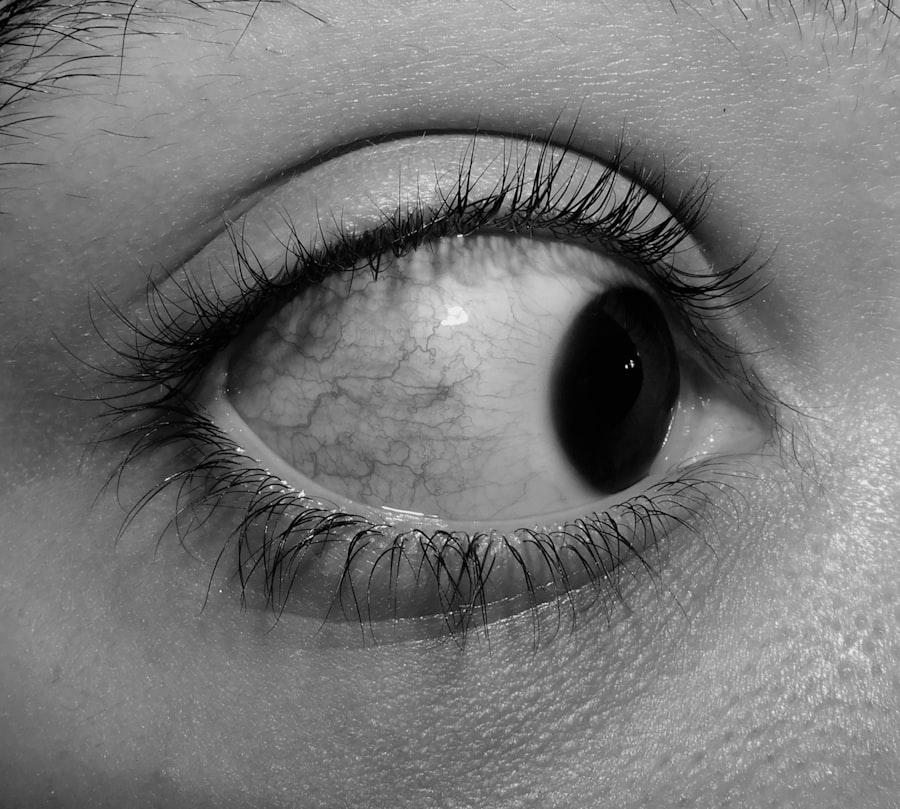
Now, let’s bring these two elements together. The interaction between the 19 Hz frequency and your peripheral vision isn’t a direct, one-to-one cause-and-effect. Instead, it’s a complex interaction involving the physical properties of the sound and the physiological sensitivities of your visual system.
Resonant Frequencies and the Body
Your body, like any physical object, has certain resonant frequencies. These are frequencies at which the structure will vibrate with the greatest amplitude when subjected to an external force. Low-frequency sounds, especially those around the 19 Hz mark, can induce subtle vibrations within the tissues and structures of your head and eyes. This is not an intense shaking, but rather a very fine, almost imperceptible oscillation.
Vibrations and Photoreceptor Stimulation
These minute vibrations, induced by the 19 Hz sound, can directly or indirectly affect the photoreceptor cells in your retina, particularly the rods in your periphery. While rods are primarily stimulated by photons of light, sustained, subtle mechanical
FAQs
What is 19Hz frequency?
19Hz is a frequency that falls within the range of infrasound, which is below the threshold of human hearing. It is often associated with feelings of unease and discomfort.
How does 19Hz affect peripheral vision?
Exposure to 19Hz frequency has been found to cause smearing and blurring in peripheral vision. This phenomenon is known as the “smearing effect” and can lead to visual disturbances and discomfort.
What are the potential causes of peripheral vision smears at 19Hz?
The exact mechanism behind why 19Hz frequency causes peripheral vision smears is not fully understood. It is believed to be related to the way the brain processes sensory information and how the visual system responds to low-frequency vibrations.
Can exposure to 19Hz frequency have any other effects on the body?
In addition to causing peripheral vision smears, exposure to 19Hz frequency has been associated with other physiological effects such as dizziness, nausea, and feelings of anxiety. These effects may vary from person to person.
How can individuals protect themselves from the effects of 19Hz frequency?
To protect themselves from the potential effects of 19Hz frequency, individuals can minimize exposure to sources of infrasound, such as certain industrial equipment, wind turbines, and other environmental sources. Additionally, using ear protection in environments where infrasound may be present can help reduce the risk of experiencing its effects.