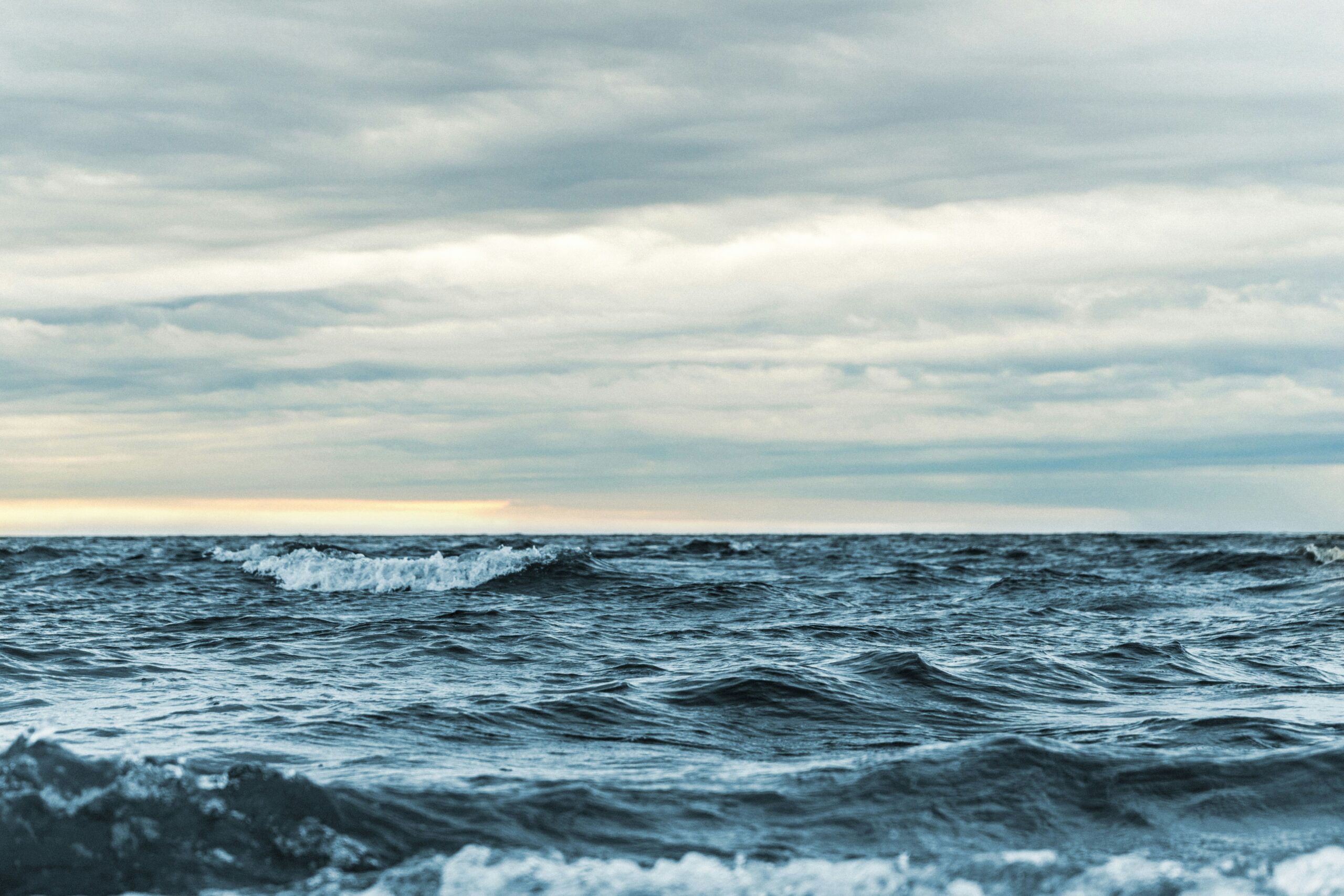
The vast, cerulean expanse of Earth’s oceans, a cradle of life and a regulator of global climate, is undergoing a profound and alarming transformation: warming. This phenomenon, driven by a complex interplay of scientific principles, has far-reaching consequences for both marine ecosystems and the planet as a whole. Understanding the science behind ocean warming is crucial to comprehending the challenges we face and the actions required to mitigate its impacts.
The fundamental driver of ocean warming lies in Earth’s energy balance. Solar radiation enters the atmosphere, warming the planet’s surface. Some of this energy is reflected back into space, but a significant portion is absorbed by land and oceans. Crucially, the concentration of greenhouse gases in the atmosphere, primarily carbon dioxide (CO2) from human activities, is increasing. These gases act like a blanket, trapping more of the outgoing infrared radiation (heat) that would otherwise escape into space. This imbalance leads to a net accumulation of heat within the Earth system, and the oceans, due to their immense heat capacity, have absorbed the lion’s share of this excess heat.
The Greenhouse Effect: A Natural Shield Gone Awry
The greenhouse effect is a natural process essential for life on Earth. Certain gases in the atmosphere, such as water vapor, CO2, methane, and nitrous oxide, allow sunlight to pass through but trap outgoing thermal radiation. This naturally occurring phenomenon keeps our planet at a habitable temperature. However, since the Industrial Revolution, human activities, most notably the burning of fossil fuels (coal, oil, and natural gas) for energy, along with deforestation and certain agricultural practices, have released unprecedented amounts of greenhouse gases into the atmosphere. This anthropogenic intensification of the greenhouse effect is the primary cause of the planet’s warming, and consequently, the warming of its oceans.
Sources of Enhanced Greenhouse Gas Emissions:
Fossil Fuel Combustion: The Dominant Contributor
The combustion of fossil fuels for electricity generation, transportation, and industrial processes releases vast quantities of CO2. This has been the most significant driver of increased atmospheric greenhouse gas concentrations since the mid-20th century.
Deforestation and Land-Use Change: Releasing Stored Carbon
Forests act as massive carbon sinks, absorbing CO2 from the atmosphere. When forests are cleared for agriculture, urbanization, or timber extraction, this stored carbon is released back into the atmosphere, primarily as CO2. Changes in land use, such as converting grasslands to croplands, can also alter the land’s ability to store carbon.
Industrial Processes and Agriculture: Other Significant Sources
Certain industrial activities, such as cement production, release CO2 as a byproduct. Agricultural practices, including livestock farming (methane emissions) and the use of nitrogen-based fertilizers (nitrous oxide emissions), also contribute significantly to the overall greenhouse gas burden.
Ocean’s Role as a Heat Sink: A Vital But Finite Capacity
The oceans cover approximately 70% of the Earth’s surface and have an enormous capacity to absorb and store heat. This is due to water’s high specific heat capacity, meaning it requires a significant amount of energy to raise its temperature. For decades, the oceans have acted as a critical buffer, absorbing over 90% of the excess heat generated by human-induced climate change. This absorption has significantly slowed the rate of atmospheric warming, protecting terrestrial ecosystems and human societies from even more drastic temperature increases. However, this buffering capacity is not infinite, and the continuous absorption of heat is leading to a measurable and consequential increase in ocean temperatures.
The Physics of Heat Absorption: Specific Heat and Thermal Inertia
Water’s high specific heat capacity (approximately 4.18 Joules per gram per degree Celsius) means that a large amount of energy is needed to warm a given mass of water by one degree. This property allows the oceans to absorb vast amounts of heat without experiencing rapid or dramatic temperature rises. Coupled with their immense volume, this gives the oceans significant thermal inertia, meaning they resist changes in temperature. This inertia is why ocean warming is a gradual process, but also why it is likely to persist for centuries even if greenhouse gas emissions were to cease.
Heat Transfer Mechanisms: Convection and Advection
Heat is transferred within the ocean through various mechanisms. Convection is the vertical movement of heat as warmer, less dense water rises and cooler, denser water sinks. Advection refers to the horizontal movement of heat by ocean currents, which can transport heat over vast distances. These processes efficiently distribute absorbed heat throughout the oceanic volume.
Ocean warming is a critical issue that impacts marine ecosystems and global weather patterns. For a deeper understanding of this phenomenon and its implications, you can explore a related article that delves into the science behind ocean temperature changes and their effects on biodiversity. To read more, visit this article.
Measuring the Heat: The Evidence of a Warming Ocean
The scientific community has amassed a wealth of data demonstrating the undeniable reality of ocean warming. A combination of direct measurements, satellite observations, and sophisticated climate models provides robust evidence of rising ocean temperatures across all depths and regions of the globe. The observed trends are consistent with the predictions of climate science and align with the established understanding of the Earth’s energy imbalance.
Direct Oceanographic Measurements: Probing the Depths
For decades, oceanographers have been deploying instruments to measure ocean temperature at various depths. These include:
- Argo Floats: These autonomous profiling floats are a cornerstone of modern ocean observation. They drift with ocean currents, periodically diving to depths of up to 2,000 meters (6,600 feet) and then rising to the surface, transmitting temperature, salinity, and other data via satellite. Thousands of these floats are currently deployed worldwide, providing an unprecedented real-time picture of ocean conditions.
- Moored Buoys and Ships: Fixed buoys and research vessels also collect temperature data, often at specific locations or along defined transects. These historical records provide valuable long-term datasets for tracking changes.
- Deep-Sea Observatories: Some specialized observatories are positioned on the seafloor or in the water column, continuously recording temperature and other parameters over extended periods, particularly in sensitive regions like the deep ocean.
Trends in Surface and Deep Ocean Temperatures: A Uniform Rise
Analysis of data from these instruments reveals a clear and consistent warming trend. Surface waters have experienced the most rapid temperature increases, but the warming is not confined to the surface. Heat is also penetrating into the deeper layers of the ocean, albeit at a slower rate. This pervasive warming underscores the magnitude of the heat accumulation within the oceanic system.
Stratification: The Ocean’s Layered Response
As surface waters warm, they become less dense, leading to increased stratification. This means that the warmer, less dense surface layer sits atop cooler, denser water, hindering the mixing of these layers. This stratification can impact ocean productivity and nutrient cycling.
Satellite Oceanography: A Global Perspective
Satellites play a critical role in providing a broad, synoptic view of ocean surface temperatures. Instruments on board satellites can remotely sense the thermal radiation emitted by the ocean surface, allowing scientists to create maps of sea surface temperature (SST) anomalies and track large-scale warming patterns.
Sea Surface Temperature (SST) Anomalies: Deviations from the Norm
SST anomalies represent the difference between the observed sea surface temperature and the long-term average for a given region and time of year. Observing widespread and persistent positive SST anomalies is a direct indicator of ocean warming. Satellite data has allowed scientists to identify marine heatwaves, periods of abnormally high SSTs, which have become more frequent and intense.
Understanding Ocean Color and Sea Ice Extent: Indirect Indicators
While not directly measuring temperature, satellites also monitor phenomena like ocean color (which can be influenced by phytoplankton blooms affected by temperature) and sea ice extent (which is directly related to water temperature). Reductions in sea ice cover, for example, are a clear consequence of warming ocean waters.
Consequences of Ocean Warming: Ripples Across Ecosystems and Climate

The increasing heat content of the oceans is not merely an abstract scientific observation; it has profound and cascading consequences for marine life and the global climate system. From altered ocean currents to devastating impacts on coral reefs and marine food webs, the effects of ocean warming are already being felt worldwide.
Deoxygenation: The Silent Killer
As ocean waters warm, their capacity to hold dissolved oxygen decreases. This phenomenon, known as ocean deoxygenation, is exacerbated by increased stratification, which hinders the mixing of oxygen-rich surface waters with deeper layers. Low oxygen levels (hypoxia) create uninhabitable zones for many marine organisms, leading to widespread physiological stress, reduced reproductive success, and mass die-offs.
Solubility of Gases in Water: A Fundamental Chemical Principle
The solubility of gases, including oxygen, in water is inversely proportional to temperature. This means that warmer water can hold less dissolved oxygen than cooler water. This fundamental chemical principle directly contributes to ocean deoxygenation as temperatures rise.
The Role of Photosynthesis and Respiration: Balancing Oxygen
Marine organisms, like terrestrial ones, require oxygen for respiration. Phytoplankton, through photosynthesis, produce oxygen. However, as ocean layers stratify and warm, the efficiency of oxygen replenishment is reduced, while respiration continues, further depleting oxygen levels.
Sea Level Rise: A Multifaceted Threat
Ocean warming is a primary driver of global sea level rise, posing significant threats to coastal communities and ecosystems. This rise is attributed to two main factors:
- Thermal Expansion: As ocean water warms, it expands in volume, much like any liquid. This phenomenon, known as thermal expansion, contributes a substantial portion of the observed sea level rise.
- Melting of Glaciers and Ice Sheets: The warming of both the atmosphere and the oceans accelerates the melting of land-based ice, such as glaciers and the massive ice sheets in Greenland and Antarctica. The meltwater then flows into the oceans, adding to their volume.
Thermal Expansion of Seawater: The Expanding Volume
The coefficient of thermal expansion for seawater, while relatively small, becomes significant when applied to the immense volume of the world’s oceans. Even modest temperature increases, when multiplied by trillions of cubic meters of water, result in a measurable increase in sea level.
Ice Melt Contributions: Land Ice vs. Sea Ice
It is crucial to distinguish between the melting of land ice and sea ice. The melting of sea ice, which is already floating in the ocean, does not directly contribute to sea level rise (similar to how ice melting in a glass of water does not cause it to overflow). However, the warming that causes sea ice to melt also contributes to the melting of land ice, which does add to sea level rise.
Impacts on Marine Ecosystems: From Corals to Krill
The increasing temperatures are wreaking havoc on marine ecosystems at every level of the food web:
- Coral Bleaching: Perhaps the most visually striking impact is coral bleaching. Corals live in a symbiotic relationship with microscopic algae called zooxanthellae, which provide them with food and color. When water temperatures become too high, corals expel these algae, turning white and becoming vulnerable to starvation and disease. Widespread and repeated bleaching events can lead to the collapse of entire reef ecosystems.
- Species Migration and Range Shifts: Many marine species are highly sensitive to temperature. As oceans warm, species are migrating towards cooler waters, leading to significant shifts in species distribution and the disruption of established food webs. This can lead to novel interactions between species and the potential displacement of native populations.
- Impacts on Fisheries: Changes in ocean temperature affect the abundance, distribution, and health of commercially important fish stocks. Some species may thrive in warmer waters, while others decline, impacting the livelihoods of fishing communities and global food security.
- Ocean Acidification: A Twin Threat: While not directly a consequence of warming, ocean acidification, another major impact of increased atmospheric CO2 absorption, often occurs in tandem with warming. As the ocean absorbs CO2, its pH decreases, making it more acidic. This acidification can directly harm organisms with calcium carbonate shells and skeletons, such as shellfish, plankton, and corals, making them more vulnerable to environmental stressors, including warming.
Symbiotic Relationships: The Delicate Balance of Coral Reefs
Coral reefs are biodiversity hotspots, and their resilience is heavily dependent on the symbiotic relationship between corals and zooxanthellae. Elevated temperatures disrupt this vital partnership, triggering the expulsion of the algae and leading to the characteristic bleaching.
Food Web Disruptions: Cascading Effects
The migration of species and altered predator-prey dynamics due to warming can have cascading effects throughout the entire marine food web. The loss of a key prey species or the introduction of a new predator can profoundly alter ecosystem structure and function.
Extreme Weather Events: Fueling the Storms
Warmer ocean waters provide more energy for tropical cyclones, meaning hurricanes and typhoons can become more intense, with higher wind speeds and greater rainfall. The increased moisture in the atmosphere, fueled by evaporation from warmer seas, contributes to more extreme precipitation events, leading to severe flooding in coastal areas.
Evaporation and Atmospheric Moisture: The Warm Ocean’s Influence
Warmer ocean surfaces lead to increased evaporation, injecting more water vapor into the atmosphere. Water vapor is a potent greenhouse gas, further contributing to warming, and it is also the source of precipitation. This feedback loop intensifies weather patterns.
Feedback Loops: Amplifying the Impacts
Ocean warming also interacts with other climate feedback loops. For example, melting sea ice reduces the Earth’s albedo (reflectivity), meaning more solar radiation is absorbed by the darker ocean surface, further accelerating warming.
Future Projections: A Warming Trajectory

The scientific consensus, based on climate models and observed trends, is that ocean warming is projected to continue and likely accelerate in the coming decades and centuries, even under scenarios of significant greenhouse gas emission reductions. The inertia of the climate system means that past emissions will continue to drive warming for a considerable period.
Climate Models: Simulating Future Oceans
Sophisticated climate models are used to simulate the Earth’s climate system and project future changes. These models incorporate our understanding of atmospheric physics, oceanography, and biogeochemical processes to predict how ocean temperatures, sea levels, and other key parameters will evolve under different emissions scenarios.
Emissions Scenarios: Pathways to the Future
The future trajectory of ocean warming is heavily dependent on the choices humanity makes regarding greenhouse gas emissions. Various emissions scenarios, ranging from aggressive mitigation efforts to continued high emissions, are used in climate modeling to explore a range of potential futures.
Representative Concentration Pathways (RCPs) and Shared Socioeconomic Pathways (SSPs): Tools for Projection
Climate scientists use standardized scenarios like Representative Concentration Pathways (RCPs) and the more recent Shared Socioeconomic Pathways (SSPs) to explore how different levels of greenhouse gas emissions and socioeconomic development might influence future climate change, including ocean warming.
The Long Tail of Warming: Persistence of Heat
Even if global greenhouse gas emissions were to drop to net zero immediately, the oceans would continue to warm for decades to centuries due to the vast amount of heat already absorbed and the slow rate at which the deep ocean mixes. This “committed warming” means that some level of continued ocean warming is unavoidable.
Ocean Circulation: Distributing Heat Over Time
Ocean currents play a crucial role in redistributing heat globally. However, changes in ocean circulation patterns, potentially driven by warming and melting ice, could also influence the rate and distribution of future warming, with complex and not fully understood implications.
Tipping Points: The Risk of Irreversible Change
there is a concern that continued warming could push certain ocean systems past critical thresholds, or “tipping points,” leading to abrupt and irreversible changes. Examples include the potential collapse of major ocean currents or the widespread loss of important marine ecosystems like kelp forests.
Thermohaline Circulation: A Global Conveyor Belt at Risk
The thermohaline circulation, a vast system of ocean currents driven by differences in temperature and salinity, plays a significant role in regulating global climate by transporting heat. There is concern that melting Arctic ice could freshen the North Atlantic, potentially weakening or even disrupting this circulation, with significant regional and global climate implications.
Ocean warming is a pressing issue that affects marine ecosystems and global weather patterns. To gain a deeper understanding of this phenomenon, you can explore a related article that delves into the causes and consequences of rising ocean temperatures. This insightful piece highlights the impact of human activities on our oceans and offers potential solutions for mitigating these effects. For more information, check out this article on Freaky Science, where you can find a wealth of knowledge on various scientific topics.
Addressing Ocean Warming: Mitigation and Adaptation Strategies
| Metrics | Data |
|---|---|
| Temperature Increase | 0.11°C per decade since 1971 |
| Heat Content Increase | More than 90% of the excess heat from global warming is absorbed by the ocean |
| Impact on Marine Life | Changes in distribution and behavior of marine species |
| Consequences | Rising sea levels, coral bleaching, and more frequent extreme weather events |
The scientific understanding of ocean warming highlights the urgent need for both mitigation and adaptation strategies. Mitigation involves reducing the emissions of greenhouse gases that cause warming, while adaptation focuses on adjusting to the impacts that are already occurring and are projected to continue.
Mitigation: Reducing Greenhouse Gas Emissions
The most critical step in addressing ocean warming is to significantly reduce global greenhouse gas emissions. This requires a rapid transition away from fossil fuels towards renewable energy sources, improvements in energy efficiency, and sustainable land-use practices.
Renewable Energy Transition: Harnessing Clean Power
Shifting to renewable energy sources like solar, wind, and geothermal power is essential to decarbonize the energy sector and reduce CO2 emissions.
Energy Efficiency and Conservation: Doing More with Less
Improving energy efficiency in buildings, transportation, and industry, along with promoting energy conservation, can significantly reduce energy demand and associated emissions.
Carbon Capture and Storage (CCS): Potential Solutions
Technologies for capturing carbon dioxide emissions from industrial sources and storing them underground are being developed as a potential tool to reduce emissions, although their large-scale effectiveness and economic viability are still under active research and development.
Adaptation: Living with the Changes
While mitigation is paramount, adaptation measures are also crucial to cope with the unavoidable impacts of ocean warming:
- Coastal Protection: Investing in infrastructure such as seawalls, dikes, and natural barriers like mangrove forests can help protect coastal communities from sea level rise and storm surges.
- Sustainable Fisheries Management: Adapting fishing practices to account for changing species distributions and abundance is essential to ensure the long-term sustainability of fisheries.
- Marine Protected Areas (MPAs): Establishing and expanding MPAs can help conserve vulnerable marine ecosystems, allowing them to build resilience to warming and other stressors.
- Early Warning Systems: Developing and improving early warning systems for marine heatwaves and other extreme events can help minimize their impacts on human activities and natural ecosystems.
Climate-Resilient Infrastructure: Fortifying Coastal Regions
Building and upgrading coastal infrastructure to withstand higher sea levels and more intense storms is a critical adaptation strategy for vulnerable communities.
Ecosystem-Based Adaptation: Nature’s Solutions in Action
Utilizing natural ecosystems, such as restoring wetlands and coral reefs, can provide effective and sustainable adaptation solutions, offering coastal protection and supporting biodiversity.
International Cooperation and Policy: A Global Effort
Addressing ocean warming is a global challenge that requires unprecedented international cooperation and robust policy frameworks. International agreements, such as the Paris Agreement, aim to set emissions reduction targets and promote collaboration on climate action. National and local policies play a vital role in implementing these goals and fostering adaptation strategies.
Climate Diplomacy: Fostering Global Agreements
Engaging in effective climate diplomacy is crucial for forging international consensus and securing commitments to ambitious emissions reductions and adaptation efforts.
Research and Innovation: Driving Solutions
Continued investment in scientific research and the development of innovative technologies are essential for deepening our understanding of ocean warming and for creating effective mitigation and adaptation solutions.
In conclusion, the science behind ocean warming is multifaceted and undeniable. The oceans are absorbing an ever-increasing amount of heat due to human-induced greenhouse gas emissions, leading to a cascade of consequential impacts on marine life, coastal regions, and the global climate system. While the challenges are significant, a deep understanding of the science, coupled with concerted global efforts towards mitigation and adaptation, offers hope for a more sustainable future for our blue planet.

The Secret Ocean Layer That Lets Sound Travel for Thousands of Miles
FAQs
What is ocean warming?
Ocean warming refers to the increase in temperature of the Earth’s oceans. This phenomenon is primarily caused by the absorption of excess heat from greenhouse gas emissions, such as carbon dioxide, into the ocean.
What are the impacts of ocean warming?
Ocean warming has significant impacts on marine ecosystems, including coral bleaching, altered migration patterns of marine species, and the disruption of food chains. It also contributes to sea level rise and more frequent and severe extreme weather events.
How does ocean warming affect marine life?
The warming of the ocean can lead to the loss of habitat for marine species, as well as changes in their behavior, reproduction, and distribution. It can also result in the decline of certain species and the proliferation of others, leading to imbalances in marine ecosystems.
What are the main causes of ocean warming?
The main causes of ocean warming are the increased levels of greenhouse gases in the atmosphere, primarily from human activities such as the burning of fossil fuels, deforestation, and industrial processes. These gases trap heat in the Earth’s atmosphere, leading to a rise in global temperatures, including the oceans.
What can be done to address ocean warming?
To address ocean warming, it is crucial to reduce greenhouse gas emissions through measures such as transitioning to renewable energy sources, improving energy efficiency, and protecting and restoring natural carbon sinks such as forests and wetlands. Additionally, efforts to reduce pollution and overfishing can help to strengthen the resilience of marine ecosystems in the face of ocean warming.