
You’ve probably seen it online. That mesmerizing, almost magical video of grapes erupting into a miniature ball of plasma when you put them in the microwave. It looks like something straight out of a science fiction movie, a tiny sun born from a humble fruit. You might have even tried it yourself, cautiously placing a couple of halved grapes into the appliance, only to be met with a dazzling, crackling spectacle. But have you ever stopped to wonder why this happens? It’s not just a random quirk of your microwave; there’s some fascinating science at play.
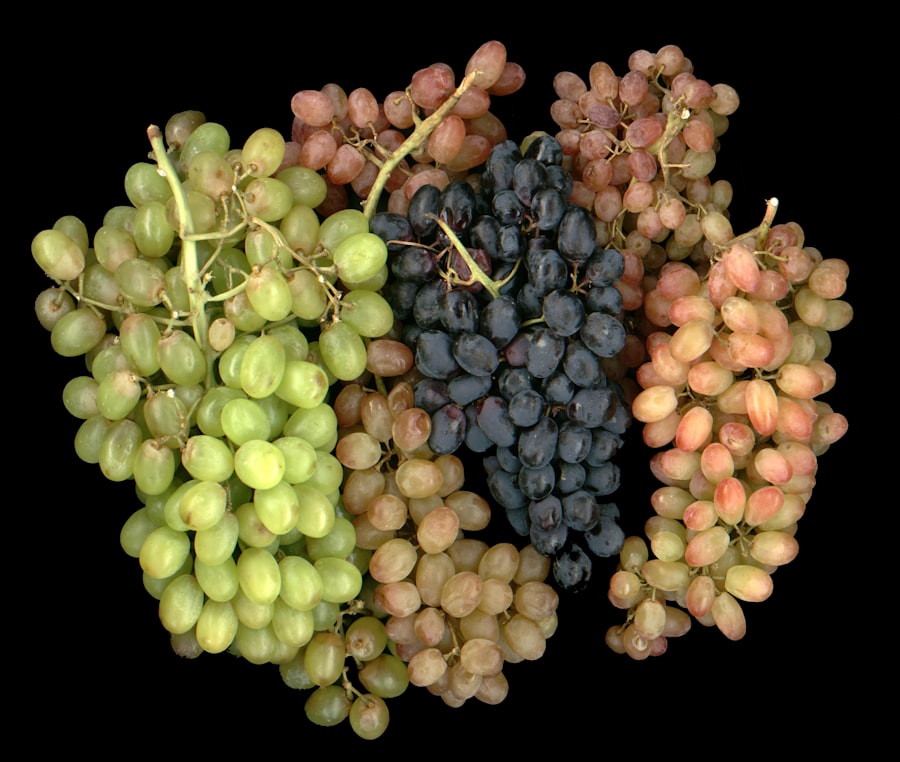
Before you even consider popping grapes into your microwave, it’s worth appreciating the fruit itself. Grapes, in their natural state, are incredibly common. You eat them fresh, you press them into wine, you dry them into raisins. They’re a simple, unassuming fruit. Yet, their composition makes them perfectly suited for this microwave experiment.
Water Content: The Foundation of the Phenomenon
The most crucial component of a grape, in this context, is its incredibly high water content. Grapes are composed of roughly 80% water. This water isn’t just passively sitting there; it’s held within the cells of the fruit. When you expose this water to microwave radiation, something remarkable begins to happen.
Electrolytes and Ions: The Hidden Conductors
Beyond plain H₂O, grapes contain dissolved minerals and sugars. These dissolved substances, when present in water, form electrolytes. Electrolytes are essentially ions – atoms or molecules that have gained or lost electrons, giving them an electrical charge. These charged particles are crucial for conducting electricity. Think of it like adding a pinch of salt to water to make it more conductive for electrolysis. Grapes, with their natural mineral content, provide this conductivity without you needing to add anything extra.
The Role of the Skin: A Tiny Container
The skin of the grape is also important. It acts as a flexible, semi-permeable membrane. This membrane helps to contain the water and dissolved electrolytes within the grape’s structure. When the grapes are halved, the skin on each half remains, creating a miniature, self-contained environment for the microwave energy to interact with.
Grapes can create fascinating sparks when placed in a microwave, a phenomenon that has intrigued many science enthusiasts. This occurs due to the unique structure of grapes, which can create plasma when heated in a microwave. For a deeper understanding of this intriguing topic, you can read more about the science behind it in the article found at Freaky Science.
Microwaves: More Than Just Heating Food
Your microwave oven isn’t just a magical box that warms your leftovers. It operates on a specific principle of physics: using electromagnetic radiation to excite water molecules. Understanding how microwaves work is key to understanding why grapes transform into plasma balls.
The Magnetron: The Heart of the Microwave
The core component of your microwave is the magnetron. This device generates microwave radiation, typically at a frequency of 2.45 gigahertz. This specific frequency is chosen because it’s very efficient at interacting with water molecules.
How Microwaves Heat Water
When microwave radiation passes through food, it interacts with polar molecules, primarily water. Water molecules have a positive end and a negative end, making them inherently polar. The oscillating electromagnetic field of the microwaves causes these polar water molecules to rapidly rotate back and forth, trying to align themselves with the changing field. This rapid rotation generates friction between the molecules, which translates into heat. This is how your food gets hot in the microwave.
Resonance and Absorption: The Key Interactions
The 2.45 GHz frequency is particularly effective because it’s close to the resonant frequency of water molecules. This means that water molecules readily absorb energy at this frequency, leading to efficient heating. However, this interaction isn’t uniform. In the case of grapes, the concentration of water and electrolytes plays a critical role in how this energy is absorbed and transformed.
The Sparking Phenomenon: When Microwave Energy Gets Too Intense
So, we have water-rich grapes and a microwave generating radiation that excites water molecules. This alone doesn’t explain the plasma. The sparking occurs when the concentration of energy within the grape becomes too high, leading to a breakdown of the material and the creation of a highly energized state.
Electric Field Concentration: The Invisible Force
When you place a spherical object like a grape into the microwave, the electromagnetic field lines can concentrate at specific points. This concentration is particularly pronounced in regions where there’s a high density of charged particles, which is precisely what you find within a grape due to its electrolyte content. Think of it like focusing sunlight with a magnifying glass – you’re concentrating the energy onto a smaller area.
Breakdown of Air and Fruit Material: The Critical Threshold
As the microwave energy within the grape intensifies, it can exceed the dielectric strength of the air trapped within the fruit’s cellular structure or even the grape material itself. Dielectric strength is the maximum electric field a material can withstand before it starts to conduct electricity. When this threshold is crossed, the material undergoes a rapid ionization.
Ionization and Plasma Formation: The Birth of the Spark
Ionization is the process where atoms or molecules lose or gain electrons, becoming electrically charged ions. In the case of the grape, the intense electric field strips electrons from the water molecules and dissolved ions. These freed electrons are then accelerated by the electric field, colliding with other atoms and molecules, knocking off even more electrons. This chain reaction leads to a rapid increase in the number of charged particles – an electrical plasma. This plasma is incredibly hot and emits light, which you see as the bright spark and crackle.
The Symmetrical Dance: Why Halved Grapes Work Best
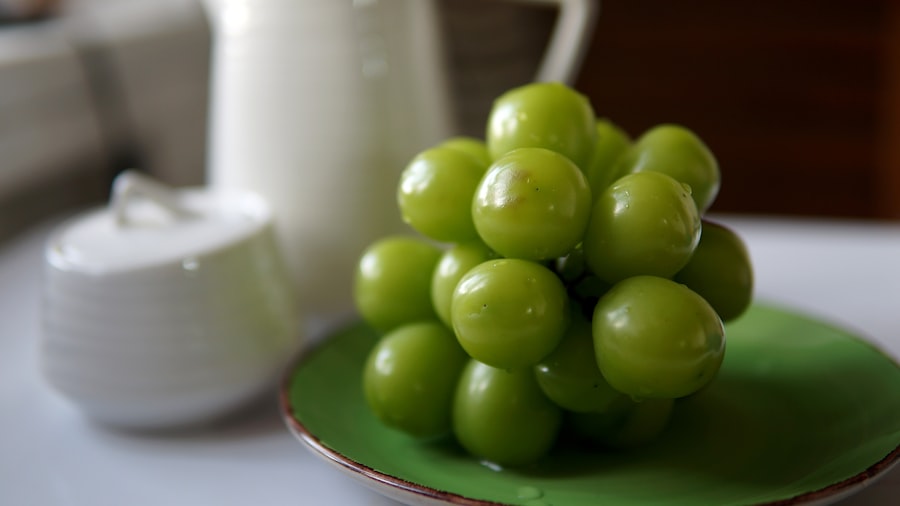
You might have noticed that videos of grapes sparking in the microwave almost always feature halved grapes. There’s a good reason for this, and it’s directly related to the physics of electric fields and plasma formation.
The Two Halves as Electrodes: Creating a Potential Difference
When you halve a grape, you essentially create two surfaces that are in close proximity but slightly separated. These two surfaces, rich in electrolytes, can act like miniature electrodes. The concentrated electric field lines can build up between these two surfaces, creating a significant potential difference. This potential difference is what drives the current and the subsequent ionization.
The Electric Field Gradient: The Driving Force for Breakdown
The presence of two distinct surfaces with a potential difference creates a strong electric field gradient between them. This gradient is crucial for initiating and sustaining the plasma discharge. The higher the gradient, the more likely it is that the electric field will exceed the breakdown strength of the intervening medium.
The Advantage of Proximity: Efficient Plasma Containment
The close proximity of the two grape halves allows the plasma to form and be somewhat contained within the small space between them. This containment amplifies the visible effect and the audible crackling sound. If you were to use a whole grape, the electric field might not concentrate as effectively to create a sustained discharge. The potential for a powerful spark is significantly higher when there’s a clear path and a strong electric field gradient.
When it comes to the fascinating phenomenon of why grapes spark in a microwave, many are intrigued by the science behind it. The article on Freaky Science delves into the reasons behind this surprising reaction, explaining how the structure of grapes and their high water content contribute to the sparking effect. If you’re curious to learn more about this captivating topic, you can read the full article here. Understanding the underlying principles not only satisfies curiosity but also highlights the importance of safety when experimenting with microwaves.
Safety and Alternatives: What to Do and What Not to Do
| Reason | Explanation |
|---|---|
| Formation of plasma | When grapes are cut in half and placed in a microwave, the electromagnetic waves cause the grape to form a plasma, which is a highly ionized gas. |
| Electromagnetic field | The grape’s skin acts as a barrier, causing the electric field to be concentrated at the point where the grapes touch, leading to the formation of plasma. |
| Size and shape | The size and shape of the grape contribute to the concentration of the electric field, leading to the sparking phenomenon. |
While the sparking grape phenomenon is undeniably cool to watch, it’s essential to approach it with caution. There are safety considerations, and there are other ways to explore similar scientific principles.
The Risks of Microwave Plasma: Not Just a Pretty Light Show
While the sparks themselves might seem harmless, the intense energy involved can have consequences. Overheating can occur, potentially damaging your microwave. There’s also a risk of igniting the fruit itself, leading to a small fire. Furthermore, prolonged exposure to the intense electromagnetic fields associated with plasma generation could theoretically have unknown biological effects, though this is largely speculative in the context of a brief home experiment.
Always Supervise and Use Caution: Your Microwave’s Well-being
If you choose to experiment, always do so under adult supervision and with extreme caution. Use only a small portion of a grape, and never leave the microwave unattended while the experiment is in progress. Be prepared to stop the microwave immediately if you notice excessive smoking or potential fire. It’s also a good idea to clean out your microwave after such an experiment, as residual charred material could affect future cooking.
Exploring Similar Phenomena Safely: Beyond the Microwave
If you’re fascinated by the science of plasma, there are safer and more controlled ways to explore it. Plasma balls, the decorative globes with tendrils of light, are a safe and engaging way to observe plasma. You can also explore other electrical phenomena with appropriate safety equipment, such as Van de Graaff generators, which can produce impressive electrostatic discharges. Understanding the principles of electromagnetism and dielectric breakdown can be explored through educational kits and experiments that don’t involve the potential risks of a microwave. The goal is to learn and be amazed, not to risk damaging your appliances or your safety. The science behind the sparking grape is a testament to the incredible power hidden within everyday objects, but like all powerful phenomena, it demands respect and understanding.

A Fork and a Spoon React Differently in a Microwave. Why?
FAQs
What causes grapes to spark in a microwave?
Grapes contain a high concentration of electrolytes, such as potassium and sodium, which can create a small electrical current when exposed to microwave radiation. This can cause the grapes to spark and produce a visible plasma.
Is it safe to put grapes in the microwave?
No, it is not safe to put grapes in the microwave. The sparking and plasma produced by grapes in the microwave can potentially damage the appliance and pose a fire hazard. It is important to avoid putting any objects with high water content or electrolytes in the microwave.
What other foods should be avoided in the microwave?
In addition to grapes, other foods that should be avoided in the microwave include eggs in their shells, hot peppers, and any metal objects. These items can cause sparking, fires, or damage to the microwave.
Can grapes explode in the microwave?
While grapes may not necessarily explode in the microwave, they can produce sparks and plasma due to the high concentration of electrolytes. This can potentially cause damage to the microwave and pose a safety hazard.
What should I do if grapes spark in my microwave?
If grapes spark in the microwave, it is important to immediately turn off the appliance and unplug it if possible. Allow the grapes to cool before removing them from the microwave. It is also advisable to clean the inside of the microwave to remove any residue from the sparking.