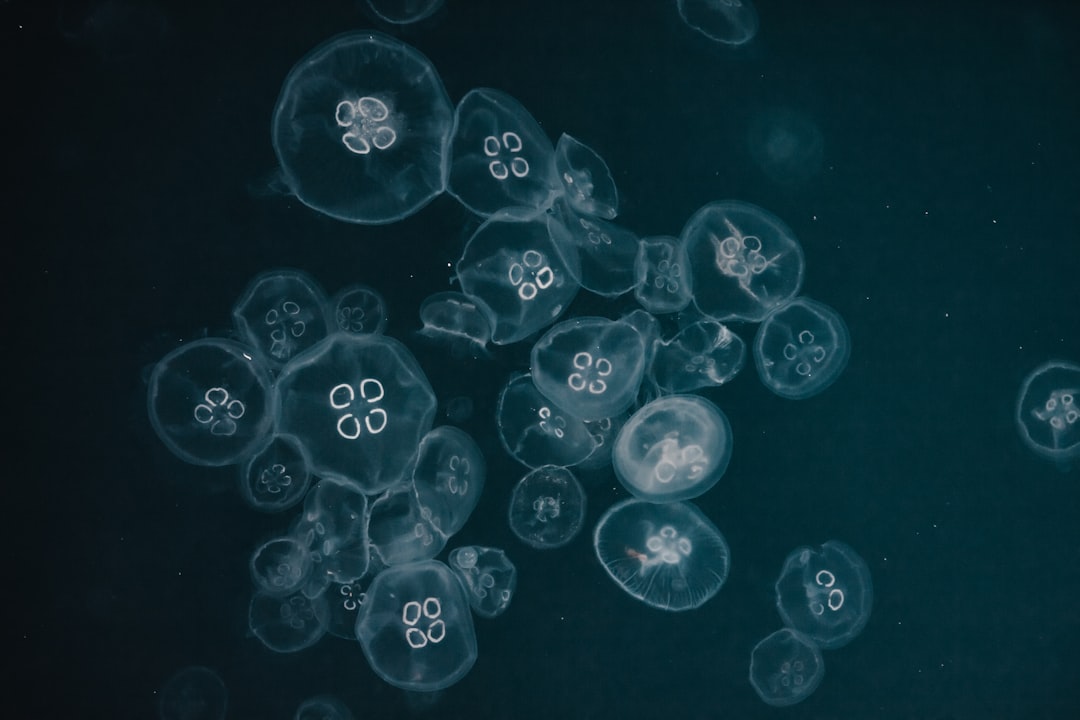
The perpetual twilight of the deep ocean, a realm of crushing pressure and eternal darkness, harbors life forms that have evolved extraordinary adaptations to survive. Among the most captivating of these are the bioluminescent creatures, whose internal lights paint ephemeral masterpieces against the inky blackness. This remarkable phenomenon, the ability to produce and emit light, serves a multitude of critical functions for deep-sea animals, from luring unsuspecting prey to facilitating intricate communication and even providing a sophisticated form of camouflage. Understanding the science behind this living light reveals a world of intricate biochemistry and evolutionary ingenuity.
The production of light by living organisms, known as bioluminescence, is fundamentally a chemical reaction. While the exact chemical pathways can vary between species, the core principle involves the oxidation of a light-emitting molecule, luciferin, catalyzed by an enzyme, luciferase. This reaction, often occurring within specialized cells called photophores, releases energy in the form of visible light.
The Key Players: Luciferin and Luciferase
At the heart of bioluminescence lies the luciferin-luciferase system. Luciferin is a substrate molecule that, upon oxidation, becomes excited and emits light. Luciferase, on the other hand, is the enzyme that facilitates this oxidation process. The specific chemical structure of luciferin and luciferase dictates the color and intensity of the emitted light. Different species have evolved distinct luciferin and luciferase molecules, leading to the diverse spectrum of bioluminescent displays observed in the deep sea, ranging from blues and greens to occasional reds.
Variations in Luciferin and Luciferase Structures
The diversity in luciferin and luciferase structures is a testament to convergent evolution. While the basic reaction is conserved, the evolutionary pressures in different lineages have led to the development of unique molecular blueprints. For instance, some deep-sea fish utilize a specific type of luciferin, while others might employ a different, albeit functionally similar, molecule. Similarly, the structure of luciferase enzymes can vary significantly, influencing their efficiency and the spectral properties of the emitted light. This molecular diversity allows for a broad range of bioluminescent signals to be generated, each with its own adaptive significance.
The Role of Oxygen and Cofactors
The oxidation of luciferin requires oxygen. This means that the availability of dissolved oxygen in the marine environment plays a crucial role in bioluminescence. In addition to oxygen, certain cofactors, such as ATP (adenosine triphosphate) or metal ions like calcium, are often required to energize the reaction or facilitate the enzyme’s action. These cofactors are readily available in marine organisms, ensuring the continuous supply of energy needed for light production.
Energy Transfer and Photon Emission
The chemical reaction proceeds through a series of steps. First, luciferin is activated, often through binding to luciferase. Then, in the presence of oxygen and any necessary cofactors, luciferin undergoes oxidation. This process generates an excited state molecule. As this excited molecule returns to its ground state, it releases energy in the form of photons – particles of light. The color of the emitted light is determined by the energy difference between the excited state and the ground state, which is influenced by the molecular structure of the luciferin and its surrounding environment.
Many researchers are fascinated by the phenomenon of bioluminescence in deep sea animals, which serves various purposes such as communication, camouflage, and attracting prey. For an in-depth exploration of this captivating topic, you can read a related article that delves into the science behind why these creatures glow. To learn more, visit Freaky Science.
Illuminating the Abyss: Bioluminescence for Prey Attraction
In the perpetual darkness of the deep sea, light is a precious commodity, and its ability to attract is a powerful evolutionary advantage. Many deep-sea predators have harnessed bioluminescence as a sophisticated lure, drawing unsuspecting prey into their deadly embrace.
The Anglerfish’s Luminous Dangling Lure
Perhaps the most iconic example of bioluminescence for prey attraction is the anglerfish. These formidable predators possess a modified dorsal fin spine that extends forward over their mouths, tipped with a fleshy esca, or lure. This esca is filled with bioluminescent bacteria, which are symbiotic with the anglerfish. The anglerfish can control the flickering and intensity of the bacterial glow, creating a mesmerizing display that mimics the appearance of small planktonic organisms or smaller fish.
Symbiotic Bacteria: The Powerhouse of the Lure
The bioluminescent bacteria residing in the anglerfish’s esca are crucial. They provide the light, and in return, they receive a safe habitat and nutrients from the host fish. The anglerfish cultivates these bacteria and can regulate blood flow to the esca, controlling the oxygen supply and, consequently, the light output of the bacteria. This intricate partnership allows the anglerfish to remain motionless, conserving energy while patiently waiting for prey to be drawn to its deceptive beacon.
Mimicry and Deception
The anglerfish’s lure is not merely a light source; it is a masterclass in deception. The patterns of light, the flickering rhythm, and even the subtle movements of the esca are all designed to trigger the feeding response in potential prey. Some anglerfish species may even mimic the bioluminescent signals of specific prey items, further increasing their hunting success. This evolutionary arms race has led to highly specialized adaptations in both predator and prey.
Other Luring Strategies
Beyond the anglerfish, a variety of other deep-sea creatures employ bioluminescent lures. Some species of squid and jellyfish possess specialized photophores that emit light to attract smaller invertebrates or fish. The patterns and colors of these lures can vary, reflecting the diverse feeding habits and prey preferences of these organisms. For example, a soft, pulsating blue light might attract certain types of crustaceans, while a brighter, more erratic flash could entice smaller fish.
The “Dopamine” Effect: Enticing Curious Critters
The allure of a light in the darkness can be irresistible to many curious creatures. Bioluminescent displays can trigger a natural instinct in many deep-sea animals to investigate the source of the light, inadvertently leading them closer to the waiting predator. This “dopamine” effect, where the unknown stimulus of light sparks investigation, is a powerful tool in the deep-sea food web.
Specialized Photophores for Targeted Attraction
Many deep-sea animals have evolved specialized photophores, or light-producing organs, strategically placed on their bodies to maximize their effectiveness in attracting prey. These photophores can be positioned near the mouth, on appendages, or even scattered across the body, creating a wider field of attraction. The precise control over the intensity, duration, and even the spectral composition of the emitted light allows for targeted luring of specific prey species.
The Language of Light: Bioluminescence in Communication
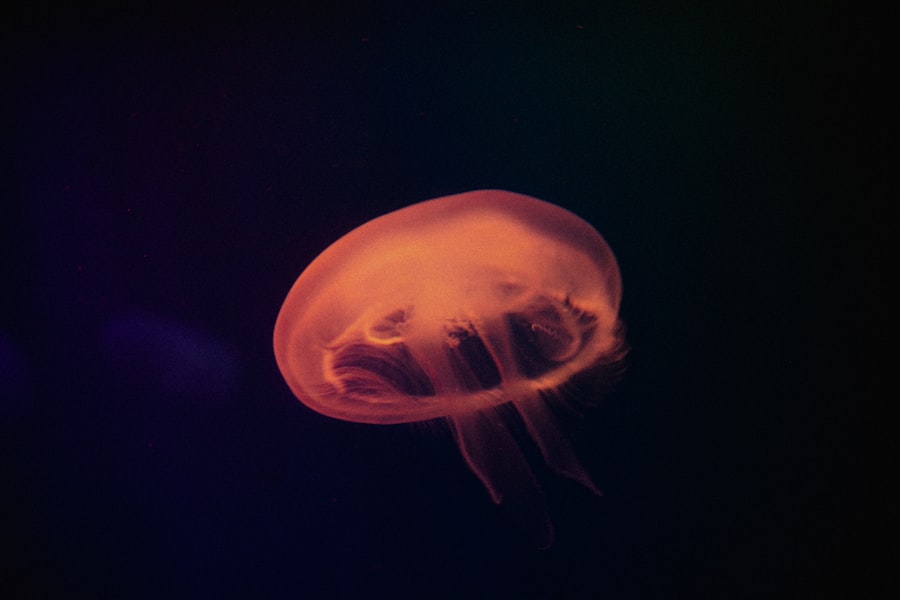
In the vast and silent expanse of the deep sea, visual communication is often limited by the lack of ambient light. Bioluminescence, therefore, becomes a vital tool for deep-sea animals to interact with each other, conveying essential information about their species, sex, mood, and intentions.
Species Recognition and Mating Rituals
For many deep-sea species, bioluminescence serves as a crucial signal for species recognition, particularly during mating. Distinctive flashing patterns, colors, and arrangements of photophores can help individuals identify potential mates of their own species amidst the vast darkness, preventing interbreeding. These signals can be complex, with specific sequences of flashes or changes in light intensity that act as courtship displays.
Unique Flashing Patterns as Identification Codes
Each species may possess a unique “flashing code” that acts as its identification. This code can be as simple as a specific pulse rate or as intricate as a series of rapid flashes followed by a sustained glow. These patterns are genetically encoded and passed down through generations, ensuring that individuals can recognize and respond to the appropriate signals from their conspecifics.
Sex-Specific Signals for Courtship
In many species, there are distinct bioluminescent signals used by males and females during courtship. These signals can vary in intensity, color, or pattern, helping to attract and solicit responses from the opposite sex. For example, a male might emit a series of bright, rapid flashes to attract a female, who in turn might respond with a softer, more rhythmic glow.
Social Signaling and Alarm Calls
Beyond reproduction, bioluminescence can also play a role in social interactions and the conveyance of alarm signals. Some species may use bioluminescent displays to signal their presence to other members of their social group, to establish territory, or to warn others of approaching danger.
Aggression and Dominance Displays
In some social species, bioluminescent displays might be used to signal aggression or dominance. A bright, steady glow or a series of intense flashes could be used to intimidate rivals or assert control within a group. Conversely, a dimmer, more subdued glow might indicate submission or a non-threatening presence.
The “Burglar Alarm” Hypothesis
One fascinating hypothesis suggests that some bioluminescent organisms employ a “burglar alarm” strategy. When a smaller predator attempts to eat a bioluminescent organism, the organism flashes brightly, not to scare the predator, but to attract a larger predator. This larger predator, in turn, might consume the smaller predator, effectively saving the bioluminescent prey. This ingenious strategy turns a moment of peril into an opportunity for survival.
Coordination of Group Behavior
In some colonial or schooling species, bioluminescence might be used to coordinate group behavior. Synchronized flashing can help maintain group cohesion, especially when moving or foraging in the dark. This allows the group to move as a unified entity, enhancing their collective ability to find food or evade predators.
Synchronized Flashing for Collective Navigation
Imagine a school of fish moving through the abyss. Synchronized bioluminescent flashes could act as visual cues, helping individuals maintain their position within the school and navigate collectively. This collective light display can also disorient predators, making it harder for them to target individual prey.
Signaling to Kin or Social Group
In species that live in close proximity, bioluminescence might be used to signal to kin or members of their immediate social group. These signals could convey information about the location of food sources, potential dangers, or simply to maintain social bonds within the group.
Blending In: Bioluminescence as Camouflage
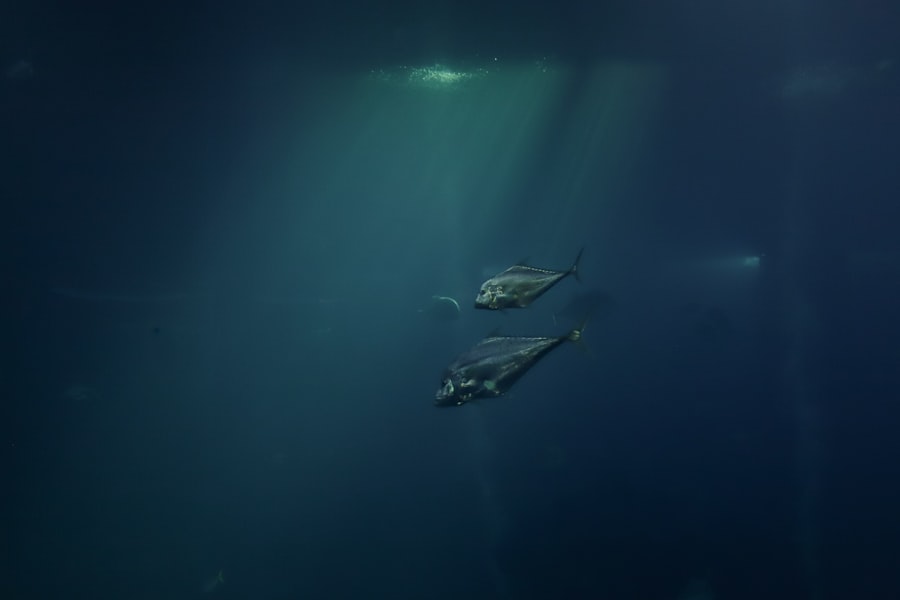
In the deep sea, where predators are ever-present and visibility is limited, camouflage is a crucial survival strategy. Counter-illumination, a form of active camouflage using bioluminescence, allows deep-sea animals to blend seamlessly with the faint downwelling light from the surface.
Counter-Illumination: Matching the Faint Light
Many mesopelagic (midwater) creatures, which inhabit depths where some sunlight still penetrates, have evolved photophores on their ventral (underside) surfaces. These photophores emit light that precisely matches the intensity and color of the dim sunlight filtering down from above. This creates a visual illusion, making the animal appear less visible from below, as their silhouette is effectively erased against the slightly brighter background.
Ventral Photophores: The Key to Underside Illumination
The placement of photophores on the ventral side of the body is critical for counter-illumination. By emitting light downwards, these animals can effectively “cancel out” their own shadow, which would otherwise be a telltale sign to predators lurking below. This ability to match the ambient light is a sophisticated form of visual deception.
Adjusting Light Intensity: Dynamic Camouflage
The intensity of the downwelling light changes throughout the day and with varying water conditions. Deep-sea animals employing counter-illumination are capable of dynamically adjusting the intensity of their bioluminescence to match these fluctuations, ensuring their camouflage remains effective at all times. This requires a highly sensitive sensory system to perceive the ambient light levels.
Disruptive Coloration and Masking
Beyond counter-illumination, some deep-sea animals use bioluminescence for disruptive coloration. This involves the strategic placement of photophores to break up the outline of their bodies, making them harder for predators to recognize. Spots, stripes, or other patterns of light can effectively mask the animal’s true shape.
Photophores as Pattern Elements
Instead of a uniform glow, some creatures have photophores arranged in specific patterns that mimic the dappled light filtering through the water or the textures of their surroundings. This makes their bodies appear less like a solid object and more like a part of the environment, a form of “living camouflage.”
“Ghosting” and Invisibility
The ultimate goal of disruptive coloration and counter-illumination is to achieve a state of near invisibility. By effectively masking their presence, these animals can avoid detection by both predators and prey, allowing them to move through the ocean with greater security and efficiency.
Mimicry of Environment
In some instances, bioluminescent patterns might mimic the surrounding environment. For example, a creature might have bioluminescent spots that resemble the twinkling of stars or the phosphorescence of plankton in the water, effectively blending into the visual noise of the deep sea.
“Fake” Eyespots and Deflection Tactics
Some animals possess large, luminous spots that resemble eyes on their bodies. These “eyespots” can serve to startle or misdirect predators, making them focus on the false eyes rather than the animal’s vulnerable head or body. This is a defensive tactic that exploits the predator’s visual perception.
Deep sea animals exhibit bioluminescence for various reasons, including communication, camouflage, and attracting prey. This fascinating phenomenon allows these creatures to thrive in the dark depths of the ocean where sunlight cannot penetrate. For a deeper understanding of the science behind why these animals glow, you can explore a related article that delves into the mechanisms and purposes of bioluminescence in marine life. To read more about this intriguing topic, visit this article.
The Evolutionary Arms Race: Bioluminescence and Predator-Prey Dynamics
| Reasons for Deep Sea Animals to Glow | Explanation |
|---|---|
| Camouflage | Glowing helps animals blend in with the faint light in the deep sea, making them less visible to predators. |
| Communication | Some animals use bioluminescence to communicate with each other, such as attracting mates or warning off rivals. |
| Prey attraction | Some deep sea animals use bioluminescence to attract prey by luring them with their glowing light. |
| Defense | Some animals use bioluminescence as a defense mechanism, either by startling predators or by releasing glowing substances to deter attackers. |
The intricate interplay of bioluminescence in the deep sea is a prime example of an ongoing evolutionary arms race. As predators develop increasingly sophisticated methods of using light to hunt, prey species evolve equally ingenious ways to evade detection or even weaponize their own bioluminescence.
Counter-Strategies for Evasion
Prey animals have developed various counter-strategies to overcome bioluminescent predators. Some have evolved to be less sensitive to certain wavelengths of light, while others have developed rapid escape mechanisms triggered by bioluminescent signals.
Reduced Light Sensitivity
Some deep-sea creatures may have evolved a reduced sensitivity to specific colors or intensities of bioluminescent light, making them less susceptible to luring or detection. This could involve specialized photoreceptor cells that are less responsive to these particular light stimuli.
Rapid Escape Responses
Upon detecting a bioluminescent lure or a predator’s light, some prey animals have evolved rapid escape responses. This could involve a sudden burst of speed, a change in direction, or the release of a luminous cloud to confuse the predator and provide an opportunity to flee.
Defensive Bioluminescent Displays
Beyond simply evading detection, some deep-sea animals can actively defend themselves using bioluminescence. This can include startling flashes, blinding bursts of light, or the release of luminous clouds to disorient or deter attackers.
Startle Displays and Blinding Flashes
A sudden, intense flash of light can startle a predator, giving the prey a critical moment to escape. Some animals can produce incredibly bright flashes, momentarily blinding or disorienting their attacker, creating a window of opportunity for escape.
Luminous Ink or Clouds: Diversionary Tactics
Similar to squid that release ink, some bioluminescent creatures can release a cloud of luminous particles. This creates a dazzling diversion, allowing the prey to disappear into the darkness while the predator is momentarily captivated by the light show.
The Co-evolution of Light Production and Detection
The continuous pressure of predation has driven the co-evolution of light production and detection mechanisms. As new bioluminescent strategies emerge, so too do new ways for predators and prey to perceive and respond to them. This intricate dance of adaptation and counter-adaptation has shaped the unique biodiversity of the deep sea.
Refining Light Emitters and Receivers
Over millions of years, natural selection has favored individuals with more effective light-producing organs and more refined light-detecting capabilities. This has led to the development of highly specialized photophores and visual systems that are finely tuned to the specific bioluminescent signals present in their environment.
The Perpetual Arms Race
The deep sea is a dynamic environment, and the evolutionary arms race involving bioluminescence is far from over. New adaptations are constantly emerging, pushing the boundaries of what is possible in terms of light production, detection, and evasion. This ongoing struggle for survival continues to drive innovation and wonder in the darkest corners of our planet.
The Future of Bioluminescence Research
The study of deep-sea bioluminescence is a rapidly advancing field, with new discoveries constantly expanding our understanding of its ecological significance and potential applications. Researchers are employing cutting-edge technologies to explore these luminous ecosystems and unlock the secrets of their internal light.
Advanced Imaging and Sensing Technologies
Modern research utilizes advanced imaging techniques, such as high-resolution cameras and sensitive light detectors, to capture the subtle nuances of bioluminescent displays. These technologies allow scientists to record the patterns, colors, and intensities of light emitted by deep-sea organisms in their natural habitat, providing invaluable data for analysis.
Submersible and ROV Exploration
The exploration of the deep sea relies heavily on remotely operated vehicles (ROVs) and human-occupied submersibles. These vessels equipped with sophisticated lighting and sampling equipment allow researchers to venture into the crushing depths and observe bioluminescent organisms in situ, collecting specimens and environmental data.
Spectroscopic Analysis of Light Emission
Spectroscopic analysis is crucial for understanding the chemical composition of bioluminescent light. By analyzing the spectrum of light emitted by different organisms, scientists can identify the specific luciferins and luciferases involved and gain insights into the biochemical pathways responsible for light production.
Understanding the Molecular Mechanisms
A significant area of research focuses on unraveling the complex molecular mechanisms underlying bioluminescence. Scientists are working to isolate and characterize the genes and proteins involved in light production, hoping to understand how these systems have evolved and how they function at a cellular level.
Genetic Sequencing and Proteomics
Genetic sequencing allows researchers to identify the genes responsible for producing luciferases and other enzymes involved in bioluminescence. Proteomics, the study of proteins, helps to understand the structure, function, and interactions of these light-producing molecules.
Bioengineering Potential
The discovery and understanding of bioluminescent systems hold immense potential for bioengineering applications. From developing novel diagnostic tools to creating sustainable lighting solutions, the possibilities are vast and exciting.
Ecological and Evolutionary Implications
Beyond the biochemistry, researchers are delving deeper into the ecological roles of bioluminescence. Understanding how these light signals influence predator-prey dynamics, species interactions, and the overall structure of deep-sea ecosystems provides crucial insights into the functioning of these unique environments.
Mapping Bioluminescent Hotspots
Mapping the distribution and abundance of bioluminescent organisms can reveal important information about the health and biodiversity of deep-sea habitats. Identifying areas with high bioluminescent activity can help us understand the ecological importance of these light-producing communities.
Insights into Deep-Sea Evolution
The study of bioluminescence provides a unique window into the evolutionary processes that have shaped life in the deep sea. The diverse range of bioluminescent strategies observed across different species offers compelling evidence of adaptation and natural selection in response to the challenges of the abyssal environment.
The deep sea, with its enigmatic inhabitants and their spectacular light shows, continues to be a frontier of scientific exploration. The science behind deep-sea animal bioluminescence is a testament to the power of evolution, showcasing nature’s remarkable ability to innovate and thrive even in the most extreme conditions. As our knowledge grows, so too does our appreciation for the living light that illuminates the dark depths, a constant reminder of the mysteries that still lie hidden beneath the waves.

The Deeper You Go, the Less Life Looks Like Life
FAQs
What is bioluminescence?
Bioluminescence is the production and emission of light by living organisms. It is a chemical reaction that occurs within the organism’s body, resulting in the production of light.
Why do deep sea animals glow?
Deep sea animals glow as a form of communication, camouflage, attracting prey, or deterring predators. The ability to produce light allows them to survive in the dark depths of the ocean where sunlight does not penetrate.
How do deep sea animals produce light?
Deep sea animals produce light through a chemical reaction involving a molecule called luciferin and an enzyme called luciferase. When these two substances react, they produce light without generating heat, allowing the animals to glow without being detected by predators.
What are some examples of deep sea animals that glow?
Some examples of deep sea animals that glow include anglerfish, jellyfish, flashlight fish, and certain species of squid and octopus. These animals use bioluminescence for various purposes such as attracting mates, luring prey, or confusing predators.
What is the significance of bioluminescence in deep sea ecosystems?
Bioluminescence plays a crucial role in deep sea ecosystems by enabling organisms to navigate, communicate, and survive in the extreme conditions of the deep ocean. It also contributes to the overall biodiversity and ecological balance of these unique environments.