
The Silent Guardian of Your Comfort
You know that feeling, don’t you? The oppressive heat of a summer day pressing in, the air thick and heavy, making even the simplest tasks feel like a Herculean effort. Then, you step inside, and a wave of cool, dry air washes over you. It’s a sensation so familiar, so taken for granted, that you rarely stop to consider the intricate work happening just out of sight. We’re talking, of course, about your indoor AC unit, the often-unsung hero of your home’s climate control. It’s more than just a box on the wall; it’s a sophisticated piece of engineering dedicated to a dual purpose: circulating refreshing coolness and banishing the unwelcome guest of humidity.
The indoor unit of an air conditioning (AC) system plays a crucial role in maintaining a comfortable environment by circulating cool air throughout a space. It works in conjunction with the outdoor unit to absorb heat from the indoor air and expel it outside, effectively lowering the temperature indoors. For a deeper understanding of how air conditioning systems function and the specific roles of their components, you can read a related article at Freaky Science.
The Art of Air Circulation: How Your Indoor Unit Delivers Chills
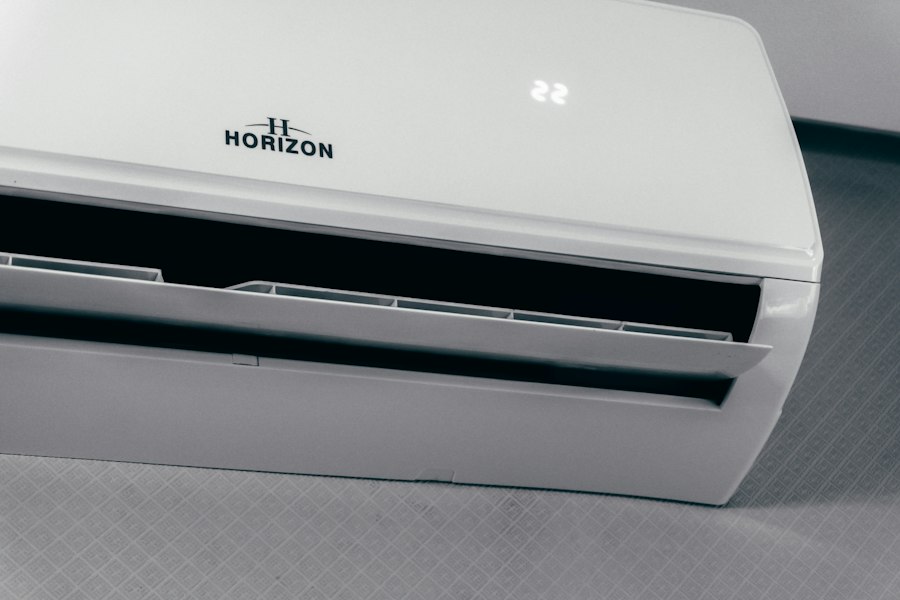
Imagine your living room on a sweltering afternoon. The sunlight streams through the windows, heating everything it touches. Without your indoor AC unit, that heat would simply linger, making the space feel like a sauna. Your indoor unit is the conductor of this thermal symphony, orchestrating the movement of air to bring you relief. It’s a process that, while appearing simple from your perspective, involves a constant cycle of intake, cooling, and redistribution.
The Intake – Where the Magic Begins
Your indoor unit’s primary function starts with drawing in the air from your room. You’ll often see a grille or vent on the front or top of the unit. This is the gateway. Inside this grille, a fan, usually a centrifugal blower, is at work. This powerful fan is responsible for creating the airflow that pulls the warm, stale air from your living space into the unit. Think of it as the lungs of your AC system, constantly breathing in the environment. The speed of this fan is often adjustable, allowing you to control the intensity of the airflow – a gentle breeze or a more robust gust, depending on your preference. This intake isn’t just about moving air; it’s about actively pulling the uncomfortable air away from you and towards the cooling mechanisms.
The Cooling Coil – The Heart of the Chill
Once the air is drawn into the unit, it encounters its most crucial transformation: the cooling coil. This is where the magic of refrigeration truly happens. The cooling coil, often visible through the intake grille, is a network of small tubes through which a refrigerant flows. This refrigerant, typically a type of freon or a newer, more environmentally friendly alternative, is in a liquid state at low pressure and temperature. As the warm room air passes over these cold tubes, it transfers its heat to the refrigerant. This heat absorption causes the refrigerant to evaporate, turning into a gas.
The effectiveness of this heat transfer is paramount. The larger the surface area of the cooling coil, the more heat can be absorbed, and the more efficiently your AC unit can cool your room. Manufacturers design these coils with intricate fin structures to maximize this surface area, ensuring maximum contact with the passing air. The temperature of the cooling coil is significantly lower than the ambient room temperature, creating the necessary gradient for heat to flow from the air to the refrigerant. It’s a continuous process of heat exchange, a silent but relentless battle against rising temperatures.
The Fan’s Second Act – Distributing the Coolness
After the air has been cooled by passing over the refrigerant-laden coils, the fan’s job isn’t done. In fact, its most important role is yet to come. The same fan that pulled the warm air in now expels the chilled air back into your room. This distribution is key to creating that comfortable environment you enjoy. The fan pushes the cooled air through a different set of vents, often directed upwards or outwards, to circulate it throughout the space.
The strategic placement of these vents is crucial. They are designed to promote optimal air circulation, preventing stagnant pockets of warm air and ensuring that the cool air reaches all corners of the room. Some units have adjustable louvers or vanes that allow you to direct the airflow, customizing the cooling experience to your specific needs. The constant movement of air is what prevents the cool air from simply settling near the unit, instead fanning out to create a uniform temperature. This circulation is not just about spreading cold; it’s about creating an environment where the cool air can actively work to counteract the heat.
The Unseen Battle: Humidity Removal
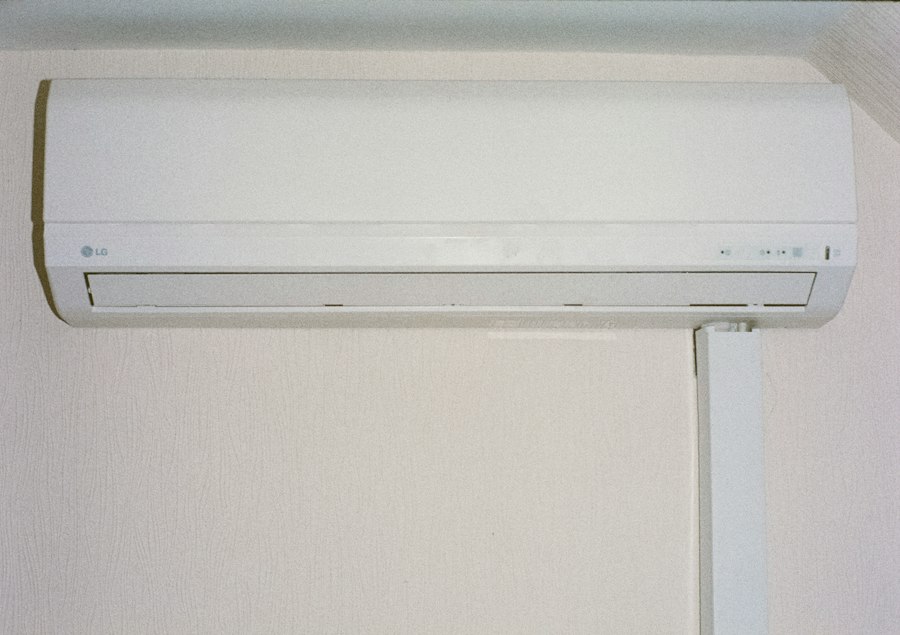
Beyond simply lowering the temperature, your indoor AC unit plays a vital role in making your environment feel truly comfortable by tackling humidity. High humidity can make even moderate temperatures feel much hotter and can lead to a host of other issues, from mold growth to a general feeling of clamminess. Your AC unit is designed to address this issue through a clever byproduct of the cooling process.
Condensation – The AC’s Dehumidifying Ally
Remember how the refrigerant in the cooling coil absorbs heat from the air? Well, as the warm, moist air passes over the frigid surface of the cooling coil, something else happens. Water vapor present in the air, when it comes into contact with a surface colder than its dew point, condenses into liquid water. This is the same phenomenon you see when a cold glass of water “sweats” on a humid day.
Your indoor AC unit is designed to harness this natural process. As the air is cooled, the excess moisture in it condenses onto the surface of the cooling coil. This water then drips down into a collection pan located beneath the coil. This is why you’ll often see a drain hose extending from your indoor AC unit. This hose carries away the condensed water, effectively removing it from your room’s atmosphere.
The Importance of a Dry Environment
The removal of humidity is not merely an aesthetic improvement; it has tangible benefits for your health and the longevity of your home. Lower humidity levels can inhibit the growth of mold, mildew, and dust mites, all of which can exacerbate allergies and respiratory problems. A less humid environment also feels more comfortable, allowing you to set your thermostat at a slightly higher temperature and still feel cool, leading to energy savings. Furthermore, excessive moisture can damage building materials, leading to rot, peeling paint, and other structural issues. Your AC unit’s dehumidifying function is a silent guardian against these potential problems, contributing to a healthier and more sustainable living space.
Components of the Indoor Unit: A Closer Look
While the concept of cooling and dehumidifying might seem straightforward, the indoor AC unit is a complex assembly of components working in harmony to achieve these goals. Understanding these parts can give you a greater appreciation for the technology at play and help you troubleshoot potential issues.
The Evaporator Coil and Fins
As discussed, the evaporator coil is the heart of the cooling process. It’s a network of copper or aluminum tubing, meticulously shaped to maximize surface area. Surrounding these tubes are thin metal fins, also typically made of aluminum. These fins are crucial for increasing the surface area even further. They are spaced closely together, creating a dense matrix that forces the air to come into close contact with the cooled tubing. The condition of these fins is important; if they become bent or clogged with dust and debris, airflow is restricted, and cooling efficiency plummets. Regular cleaning of these fins is a vital maintenance task.
The Blower Motor and Fan Assembly
The blower motor is the powerhouse behind the fan. It’s an electric motor that spins the fan blades at high speeds. The fan itself is usually a squirrel-cage or centrifugal type, designed to move a large volume of air efficiently. The speed of the blower motor is controlled by your thermostat, allowing for different fan speeds and airflow volumes. A well-functioning blower motor is essential for both the intake of warm air and the distribution of cool air. Any unusual noises or a lack of airflow can often be traced back to an issue with this component.
The Filter: The First Line of Defense
Before the air even reaches the evaporator coil, it passes through an air filter. This is arguably the most crucial user-serviceable part of your indoor AC unit. The filter’s primary role is to trap airborne particles such as dust, pollen, pet dander, and other debris. This not only protects the delicate internal components of your AC unit from getting clogged but also contributes to cleaner indoor air quality. A clogged filter restricts airflow, forcing the blower motor to work harder and reducing the overall efficiency of the system. Furthermore, a dirty filter can become a breeding ground for bacteria and mold, reintroducing these contaminants into your home. Regular inspection and replacement of your air filter, typically every one to three months depending on usage and environmental factors, is paramount for optimal performance and health.
The Drain Pan and Condensate Line
The drain pan is a shallow tray situated directly beneath the evaporator coil. Its purpose is to catch the water that condenses from the air. This pan is typically made of plastic or metal and is sloped to direct the collected water towards the condensate line. The condensate line is a small-diameter pipe, usually made of PVC, that carries the water away from the indoor unit. This line typically drains to an exterior location, a floor drain, or a condensate pump. Ensuring that the drain pan is clean and the condensate line is free of blockages is essential to prevent water damage and mold growth. A clogged condensate line can cause the drain pan to overflow, leading to leaks and potential water damage to your walls, floors, and ceilings.
The indoor unit of an air conditioning system plays a crucial role in maintaining a comfortable environment by circulating cool air throughout the space. It works in tandem with the outdoor unit, which is responsible for expelling heat. For a deeper understanding of how these components interact and the overall functioning of air conditioning systems, you can explore this informative article on the topic. If you’re interested in learning more about the science behind air conditioning, check out this related article that delves into the mechanics and benefits of AC systems.
The Interplay with the Outdoor Unit: A Symbiotic Relationship
| Function | Description | Key Components | Performance Metrics |
|---|---|---|---|
| Air Cooling | Removes heat from indoor air by passing it over the evaporator coil. | Evaporator coil, blower fan | Cooling capacity (BTU/hr), Airflow rate (CFM) |
| Air Circulation | Circulates cooled air throughout the room using a fan. | Blower fan, air filters | Fan speed (RPM), Airflow volume (CFM) |
| Humidity Control | Condenses moisture from the air to reduce indoor humidity. | Evaporator coil, drain pan | Dehumidification rate (pints/hour) |
| Air Filtration | Filters dust and particles from indoor air to improve air quality. | Air filters (mesh or HEPA) | Filter efficiency (%), Air quality improvement |
| Temperature Sensing | Monitors room temperature to regulate cooling output. | Thermostat sensor | Temperature accuracy (°F or °C) |
While we are focusing on the indoor unit, it’s impossible to discuss its role without acknowledging its indispensable partner: the outdoor unit. The indoor unit is responsible for the “delivery” of cool, dry air, but it relies entirely on the outdoor unit to “create” the coolness in the first place. They form a closed-loop system, each with distinct but interconnected responsibilities.
The Refrigerant Cycle: The Invisible Exchange
The core of this symbiotic relationship lies in the refrigerant cycle. The refrigerant acts as a carrier, transferring heat from inside your home to the outside. Inside the indoor unit, as we’ve seen, the refrigerant absorbs heat from the air and evaporates. This gaseous refrigerant then travels through insulated copper tubing to the outdoor unit.
In the outdoor unit, the compressor, a powerful motor, compresses this gaseous refrigerant, increasing its pressure and temperature. This superheated gas then flows through the condenser coils in the outdoor unit. Here, a fan blows outdoor air over the coils, allowing the heat from the refrigerant to dissipate into the outside environment. As the refrigerant cools, it condenses back into a liquid. This liquid refrigerant then travels back to the indoor unit, ready to absorb more heat and repeat the cycle. The indoor unit is the point of heat absorption and air distribution, while the outdoor unit is the point of heat rejection and refrigerant compression.
Maintaining the Balance: Ensuring Optimal Performance
The efficient functioning of both units is critical for overall system performance. If the outdoor unit is struggling to reject heat – perhaps due to a dirty condenser coil or a malfunctioning fan – the indoor unit will struggle to cool your home effectively. Similarly, if the indoor unit’s evaporator coil is dirty or its fan is weak, the system will be less efficient. Regular maintenance of both the indoor and outdoor units is therefore not just recommended; it’s essential for ensuring your AC system operates at its peak performance, providing you with consistent comfort and maximizing energy efficiency.
The Importance of Maintenance for Your Indoor Unit
You wouldn’t expect your car to run smoothly without regular oil changes and tune-ups, and your indoor AC unit is no different. Proper maintenance is the key to ensuring its longevity, efficiency, and continued ability to deliver that refreshing blast of cool, dry air you rely on. Neglecting maintenance can lead to decreased performance, higher energy bills, and costly repairs down the line.
Regular Filter Changes: The Easiest and Most Crucial Step
As highlighted earlier, the humble air filter is the frontline defense for your indoor AC unit. Most manufacturers recommend changing or cleaning your air filter every one to three months. The exact frequency will depend on factors such as the presence of pets, the level of dust in your environment, and how frequently you run your AC. A quick visual inspection can tell you if it’s time for a change. A visibly dirty or clogged filter is a clear indicator that it’s restricting airflow and needs to be replaced. This simple, inexpensive task can significantly improve your AC’s efficiency and the quality of the air you breathe.
Cleaning the Evaporator Coil and Fins: Ensuring Optimal Heat Transfer
Over time, dust and debris can accumulate on the evaporator coil and fins inside your indoor unit. This buildup acts as an insulator, hindering the coil’s ability to absorb heat from the air. While a professional AC technician can perform a thorough cleaning, you can often perform some basic cleaning yourself. With the power off, you can gently brush away loose debris from the fins using a soft brush. For a more thorough cleaning, a specialized coil cleaner can be used, but it’s often best left to professionals to avoid damaging the delicate fins or using the wrong chemicals. A clean evaporator coil is crucial for maximizing the cooling capacity of your unit.
Checking the Condensate Drain: Preventing Water Damage
A clogged condensate drain line is a common cause of AC problems, leading to water leaks and potential damage. Periodically, you should check to ensure that water is flowing freely from the drain line when the AC is running. If you notice standing water in the drain pan or slow drainage, the line may be clogged with algae, sludge, or debris. You can often clear minor blockages using a wet/dry vacuum or by flushing the line with a mixture of water and vinegar. For persistent clogs, a professional may need to be called.
Professional Servicing: The Expert Touch
While you can perform some basic maintenance yourself, it’s highly recommended to have your AC system professionally serviced at least once a year, ideally before the start of the cooling season. A qualified technician will perform a comprehensive inspection of all components, including checking refrigerant levels, electrical connections, and the overall operation of the system. They can identify potential problems before they become major issues, ensure optimal performance, and extend the lifespan of your AC unit. This professional touch can give you peace of mind and ensure your indoor unit continues to provide that essential comfort throughout the hottest months.

Your AC Blows Hot Air Outside. Is That Heat From Your Room?
FAQs
What is the indoor unit of an AC?
The indoor unit of an AC is the component of the air conditioning system that is typically located inside the room or building being cooled.
What does the indoor unit do in an AC system?
The indoor unit of an AC is responsible for absorbing heat from the indoor air and transferring it to the outdoor unit, which then releases the heat outside.
What are the main components of the indoor unit of an AC?
The main components of the indoor unit of an AC include the evaporator coil, blower fan, air filter, and sometimes a heat exchanger or supplemental heating element.
How does the indoor unit cool the air in a room?
The indoor unit cools the air in a room by passing warm indoor air over the evaporator coil, which contains a cold refrigerant. The refrigerant absorbs the heat from the air, cooling it before the cooled air is circulated back into the room.
What maintenance is required for the indoor unit of an AC?
Regular maintenance tasks for the indoor unit of an AC include cleaning or replacing the air filter, checking and cleaning the evaporator coil, and ensuring proper airflow by keeping the unit and surrounding area free of obstructions.