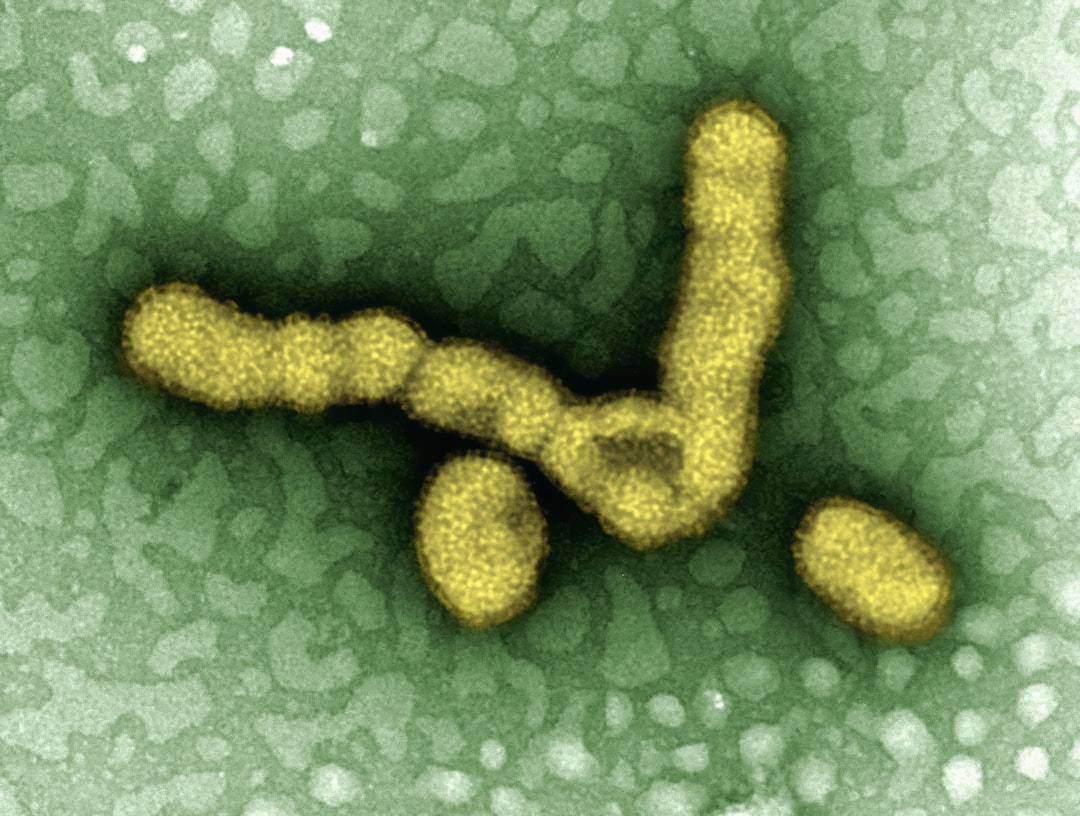
You’ve likely heard the term “junk DNA” bandied about. It’s a convenient, if somewhat dismissive, label for the vast stretches of genetic material in your genome that don’t directly code for proteins. For years, these non-coding regions were treated as evolutionary detritus, remnants of past genetic experiments with no discernible purpose. However, as scientific understanding deepens, you’re beginning to see a more nuanced picture emerge. A significant portion of this so-called “junk” DNA isn’t so much junk as it is a complex repository of evolutionary history, and a prime example of this are endogenous retroviruses (ERVs).
The Silent Migrants: Understanding Endogenous Retroviruses
To grasp the role of ERVs in your “junk DNA,” you first need to understand what they are. ERVs are essentially the fossilized remains of viral infections that occurred in the germline cells of your ancestors, millions of years ago. Unlike transient infections, these viruses managed to integrate their genetic material into the DNA of sperm or egg cells. When these infected germ cells reproduced, the viral DNA was passed down through generations, becoming an integral part of the host genome.
Viral Origins and Integration
Imagine a retrovirus, like HIV, but one that infected an ancient primate ancestor’s reproductive cells. These viruses have a unique life cycle. They carry their genetic information in the form of RNA. Once inside a host cell, they use an enzyme called reverse transcriptase (hence the “retro” in retrovirus) to convert their RNA into DNA. This viral DNA then hijacks the host cell’s machinery, forcing it to produce more viral RNA and proteins. In the case of ERV integration, this viral DNA became a permanent fixture within the host’s own chromosomes. This integration wasn’t a random event; the viral DNA often contained specific sequences and enzymes that facilitated its insertion into the host genome.
Remnants and Reactivation
Over vast stretches of evolutionary time, these integrated viral sequences have mutated, accumulated errors, and often lost their ability to produce functional viruses. They are no longer infectious entities. Instead, they exist as dormant, fragmented sequences scattered throughout your genome, a testament to past viral encounters. However, the story doesn’t end with complete inactivation. Some of these ERV elements, or remnants of them, can still be transcribed. This means the cellular machinery can read the DNA sequence and produce RNA, even if a functional virus cannot be assembled.
Endogenous retroviruses (ERVs) have long been a topic of debate in the scientific community, often referred to as “junk DNA” due to their perceived lack of function. However, recent studies suggest that these viral remnants may play crucial roles in gene regulation and immune responses. For a deeper understanding of the significance of ERVs and their implications in genetics, you can read a related article on this topic at Freaky Science. This resource provides insights into how these elements, once dismissed as non-functional, are now being recognized for their potential contributions to human health and evolution.
The Evolutionary Footprint: ERVs as Genomic Fossils
Your genome is a historical document, and ERVs are like distinct chapters, marking periods of past viral activity. Their presence and distribution offer valuable insights into the evolutionary history of mammals and primates. Scientists can study the patterns of ERV insertion across different species to reconstruct phylogenetic relationships and understand when specific lineages diverled.
Comparative Genomics and Phylogeny
By comparing the genomes of different species, you can identify common ERV insertion sites. If an ERV is found in the same location in the genomes of a human, a chimpanzee, and a gorilla, it strongly suggests that this ERV was present in their last common ancestor and has been inherited by all three species. Conversely, unique ERVs found only in one species point to integrations that occurred after the evolutionary split. This comparative approach allows you to build a detailed family tree, not just of species, but of the genetic events that shaped them.
Dating Extinction Events and Migration Patterns
The age of an ERV can sometimes be estimated by analyzing the rate of mutations that have accumulated within its sequence. Older ERVs will have more accumulated mutations compared to younger ones. This information can be used to infer when certain retroviral infections occurred and, by extension, to date periods of significant evolutionary change or environmental pressures that might have influenced viral transmission. This approach can even shed light on ancient migration patterns of our ancestors, as certain viral strains might have been prevalent in specific geographic regions.
Beyond Remains: Functional Roles of ERVs in the Host Genome
The idea that ERVs are purely inactive passengers is increasingly being challenged. While many ERV sequences are indeed defunct, a growing body of research suggests that some have been co-opted by the host genome and have acquired novel, beneficial functions. This is where the concept of “junk DNA” really begins to crumble.
Gene Regulation and Expression
A prominent area of research focuses on how ERV sequences can influence the regulation of nearby genes. ERVs often contain their own promoters and enhancers – DNA sequences that control when and where a gene is turned on or off. When an ERV integrates near a gene, these regulatory elements can become associated with the host gene, influencing its expression levels. This can lead to subtle or significant changes in how and when proteins are produced, contributing to cellular diversity and adaptation.
Non-coding RNA Production
Furthermore, some ERV sequences can be transcribed into non-coding RNAs. These RNA molecules don’t get translated into proteins, but they play crucial regulatory roles within the cell. They can interact with DNA, other RNA molecules, or proteins to control gene expression, cellular processes, and even immune responses. The discovery of functional non-coding RNAs derived from ERVs highlights a sophisticated layer of genetic control that was previously overlooked.
ERVs and the Immune System: A Complex Relationship
The interaction between ERVs and the host immune system is particularly fascinating and complex. Given their viral origins, one might expect ERVs to constantly trigger an immune response. However, the reality is more nuanced.
Immune Evasion and Tolerance
Initially, the host immune system would have likely recognized and attempted to eliminate the invading retrovirus. However, over generations, as the viral DNA became integrated into the germline, the host’s immune system may have developed tolerance to these sequences. This is a remarkable evolutionary adaptation. The immune system learns not to attack self-DNA, and germline-integrated viral DNA becomes essentially “self.” This tolerance is crucial for the survival of the genetic material.
Innate Immunity and Interferon Pathways
Despite tolerance, certain ERV elements can still be recognized by the innate immune system, triggering specific cellular responses. These responses often involve the production of interferons, a group of signaling proteins that play a critical role in antiviral defense. The activation of interferon pathways by ERVs may not be a sign of ongoing infection, but rather a way for the cell to maintain a state of readiness or to fine-tune immune responses in other contexts. It’s a delicate balance – preventing an overactive immune response while retaining some level of antiviral preparedness.
Susceptibility to Future Infections
Intriguingly, the presence of ERVs might also influence your susceptibility to future retroviral infections. Some ERV-encoded proteins could potentially interfere with the replication cycle of new viral invaders. Conversely, other ERVs might provide entry points for viruses or create conditions that facilitate infection. This highlights the dynamic and ongoing evolutionary arms race between viruses and their hosts, with ERVs playing an unexpected role.
Endogenous retroviruses have long been a topic of debate among scientists, often categorized as “junk DNA” due to their seemingly non-functional nature. However, recent studies suggest that these viral remnants may play a crucial role in regulating gene expression and immune responses. For a deeper understanding of this fascinating subject, you can explore a related article that delves into the complexities of endogenous retroviruses and their potential functions in the genome. To read more about this intriguing topic, check out the article here.
Therapeutic Potential and Future Research
The continued exploration of ERVs within your “junk DNA” is not merely an academic exercise. This research holds tangible potential for future therapeutic interventions. Understanding how ERVs function, how they are regulated, and how they interact with host biology could unlock new avenues for treating diseases.
Cancer Biology and ERV Expression
Aberrant expression of ERVs has been observed in various types of cancer. In some cases, ERVs might contribute to tumor growth by promoting inflammation, genomic instability, or by activating oncogenes. In other instances, the expression of ERVs might be a consequence of tumor progression, serving as a potential biomarker for diagnosis or prognosis. Researchers are exploring whether targeting these ERVs or manipulating their expression could be a strategy to combat cancer.
Neurological Disorders and Autoimmunity
Emerging research also links ERV activity to certain neurological disorders and autoimmune diseases. Dysregulation of ERV expression in the brain has been implicated in conditions like multiple sclerosis and even some psychiatric disorders. The mechanisms are still being unraveled, but it’s hypothesized that ERV-derived molecules could trigger inflammatory responses or interfere with neuronal function. This opens up possibilities for developing new diagnostic tools or therapeutic strategies targeting ERV pathways in these debilitating conditions.
Gene Therapy and ERVs
The ability of ERVs to integrate into host DNA and efficiently deliver genetic material has also sparked interest in their potential use in gene therapy. While viral vectors used in current gene therapy approaches are engineered for safety and specificity, the inherent integration machinery of retroviruses, refined over millions of years of evolution, offers a compelling model. Future gene therapy strategies might draw inspiration from or even utilize modified ERV components to achieve more effective and precise gene delivery.
In conclusion, the narrative of “junk DNA” is being rewritten, one endogenous retrovirus at a time. What was once dismissed as discarded genetic material is now revealed to be a dynamic and integral part of your genome. These silent migrants from the past are not just passive passengers; they are active participants in gene regulation, immune modulation, and hold the potential to inform future medical breakthroughs. The vast landscape of your non-coding DNA, once considered barren, is proving to be fertile ground for understanding evolution, biology, and ultimately, yourself.
FAQs
What are endogenous retroviruses?
Endogenous retroviruses are remnants of ancient retroviral infections that have become integrated into the genome of their host species. They make up a significant portion of the human genome and are found in the genomes of many other organisms as well.
Are endogenous retroviruses considered junk DNA?
While endogenous retroviruses were once thought to be non-functional “junk” DNA, recent research has shown that they may have important biological functions. They have been implicated in various physiological processes, such as placental development and immune response.
What is the role of endogenous retroviruses in the human genome?
Endogenous retroviruses have been found to play a role in regulating gene expression, embryonic development, and immune response. They have also been linked to certain diseases, such as cancer and autoimmune disorders.
Can endogenous retroviruses be harmful?
In some cases, endogenous retroviruses can be harmful. They have been associated with diseases such as multiple sclerosis, amyotrophic lateral sclerosis (ALS), and certain types of cancer. However, they may also have beneficial effects in certain contexts.
What is the current understanding of endogenous retroviruses in genetics and evolutionary biology?
Endogenous retroviruses are now recognized as important players in genetics and evolutionary biology. They have contributed to genetic diversity and evolution by providing genetic material for the host genome to utilize and modify over time. Their study has also shed light on the co-evolution of viruses and their host species.