
Your body, a marvel of complex orchestration, is generally adept at managing its cellular population. Old, damaged, or compromised cells are typically cleared away by programmed cell death, a process known as apoptosis, making room for fresh, functional replacements. However, sometimes this cleanup operation falters. Cells that should have exited the stage instead linger, entering a state of persistent metabolic activity without the capacity to divide. These are your senescent cells, and for a long time, they were viewed as mere cellular detritus, an inevitable consequence of aging. Now, however, scientific understanding is painting a decidedly more concerning picture, one that involves these cells acting less like passive waste and more like active, disruptive agents. You’re facing the rise of senescent zombie cells.
For decades, cellular senescence was primarily understood as a terminal growth arrest. This occurs in response to various stressors, such as DNA damage, telomere shortening, or oncogenic signaling. Instead of initiating apoptosis, these cells enter a stable, non-proliferative state. They don’t die, but they also don’t function optimally as their youthful counterparts. Initially, this phenomenon was considered a protective mechanism. By preventing damaged cells from replicating and potentially becoming cancerous, senescence offered a vital safeguard for tissue integrity and organismal health.
A Universal Biological Phenomenon
You encounter cellular senescence in a wide range of contexts. During embryonic development, it plays a crucial role in shaping tissues and organs. For instance, it’s essential for the resorption of the tadpole tail during metamorphosis and the formation of digits in developing limbs. In adults, it’s a response to acute injury, where it can promote wound healing and tissue repair. It’s also a common occurrence in chronic conditions, accumulating with age. The sheer pervasiveness of senescence across different life stages and physiological circumstances underscores its fundamental biological nature.
Beyond Growth Arrest: The Senescence-Associated Secretory Phenotype (SASP)
The true shift in perspective regarding senescent cells came with the discovery of the Senescence-Associated Secretory Phenotype, or SASP. It turns out that senescent cells aren’t just passively inactive. They become metabolically active factories, releasing a complex cocktail of bioactive molecules into their surrounding microenvironment. This SASP includes pro-inflammatory cytokines, chemokines, growth factors, and matrix-degrading proteases. Think of it as a distress signal that goes wrong, broadcasting a constant stream of inflammatory and remodeling signals. This is where the “zombie” analogy begins to take hold – cells that are no longer functional but refuse to die, actively altering their surroundings.
Cytokines and Chemokines: The Inflammatory Brigade
Among the most abundant components of the SASP are inflammatory cytokines like IL-6, IL-8, and TNF-alpha. These molecules are potent signaling agents that recruit immune cells to the site of inflammation. While this can be beneficial in acute injury, a persistent presence of senescent cells means a constant influx of inflammatory cells, leading to chronic, low-grade inflammation. This sustained inflammatory state is a hallmark of many age-related diseases. Chemokines, another class of secreted molecules, act as attractants for various immune cells, further orchestrating the inflammatory response.
Growth Factors: A Double-Edged Sword
The SASP also contains growth factors. In some contexts, these can be beneficial, promoting tissue repair and regeneration. However, when released constitutively by senescent cells, they can inadvertently fuel the growth and proliferation of neighboring cells, including potentially cancerous ones. This can create a pro-tumorigenic microenvironment, turning a supposed protective mechanism into a facilitator of disease progression.
Matrix-Degrading Proteases: Undermining the Matrix
Senescent cells also secrete enzymes like matrix metalloproteinases (MMPs). These enzymes break down the extracellular matrix (ECM), the structural scaffold that surrounds your cells. While controlled ECM remodeling is essential for processes like wound healing, chronic degradation by senescent cells can lead to tissue dysfunction, impaired regeneration, and the promotion of fibrosis. This is like your body’s underlying framework slowly being eroded.
Senescent zombie cells, often referred to as senescent cells, are aging cells that have lost their ability to divide and function properly, contributing to various age-related diseases and inflammation. For a deeper understanding of the implications of these cells on health and longevity, you can explore a related article that discusses the latest research and potential therapeutic approaches to target these cells. To read more, visit this article.
The Growing Burden: Senescence and Age-Related Diseases
As you age, your body accumulates senescent cells. This accumulation is not insignificant. Studies have shown a clear correlation between increasing chronological age and the burden of senescent cells in various tissues. This growing population of disruptive cells is increasingly implicated as a driver, rather than merely a consequence, of many age-related diseases.
Cardiovascular Disease: A Worn-Out Network
Your cardiovascular system, a complex network of vessels and a tireless pump, is particularly susceptible to the effects of senescent cells. Accumulation of senescent cells in the arterial walls contributes to atherosclerosis, the hardening and narrowing of arteries. The SASP can promote inflammation within the vessel walls, attract immune cells that contribute to plaque formation, and impair the function of endothelial cells, the cells lining your blood vessels. This can lead to reduced blood flow, increased risk of blood clots, and ultimately, conditions like heart attack and stroke.
Neurodegenerative Disorders: A Tangled Web
The aging brain is also a prime location for senescent cell accumulation. In diseases like Alzheimer’s and Parkinson’s, senescent glial cells, a type of support cell in the brain, are found in increased numbers. The SASP released by these cells can exacerbate neuronal damage, promote inflammation in the brain, and contribute to the formation of abnormal protein aggregates characteristic of these diseases. This constant inflammatory bombardment can erode cognitive function and motor control over time.
Osteoarthritis: The Crumbling Scaffold
Your joints, designed for smooth movement, also bear the brunt of senescent cell infiltration. In osteoarthritis, senescent chondrocytes, the cells that maintain cartilage, accumulate in the joint. The SASP can degrade the cartilage matrix, leading to inflammation and pain, and can also stimulate the growth of bone spurs. This relentless assault on joint health results in stiffness, reduced mobility, and chronic pain.
Cancer: A Complex Relationship
The relationship between senescence and cancer is intricate and paradoxical. While senescence can act as a tumor suppressor mechanism by preventing damaged cells from dividing, the chronic presence of senescent cells with their pro-growth factor SASP can paradoxically promote cancer. Senescent cells can create a microenvironment that fuels tumor growth, aids in metastasis, and even contributes to resistance to chemotherapy. Furthermore, as you age, your immune system’s ability to clear senescent cells diminishes, potentially allowing precancerous lesions to persist and progress.
The Zombie Apocalypse Within: Mechanisms of Senescence Induction
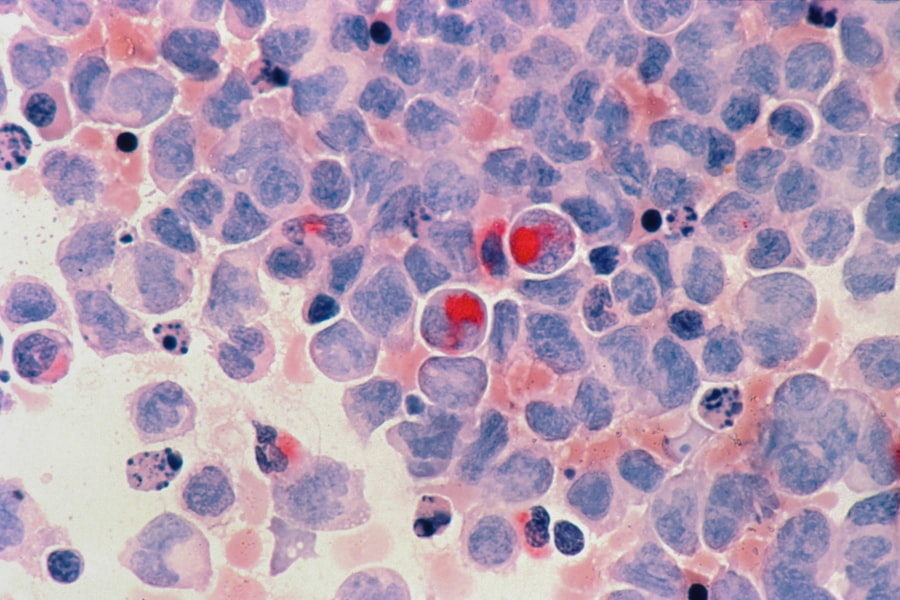
Understanding how cells become senescent is crucial to developing strategies to manage their rise. Several factors can trigger this state, often in complex interplay.
DNA Damage: The First Alert
One of the most potent inducers of senescence is DNA damage. This can arise from various sources, including oxidative stress from metabolism, exposure to radiation, or errors during DNA replication. When the cellular machinery detects significant DNA damage that cannot be repaired, it can trigger senescence as a safeguard against the propagation of potentially harmful mutations. This is a fundamental molecular alarm system.
Telomere Shortening: The Ticking Clock
Telomeres are protective caps at the ends of your chromosomes. With each cell division, telomeres naturally shorten. Once they reach a critical length, they signal to the cell that it has reached its replicative limit, inducing senescence. This “Hayflick limit” acts as a built-in counter for cell divisions, preventing unlimited proliferation. While it’s a protective mechanism for preventing uncontrolled growth, it also means that as your cells divide over your lifetime, they inevitably approach senescence.
Oncogene Activation: The Rogue Signal
The presence of activated oncogenes, genes that promote cell growth, can also trigger senescence. This is an elaborate cellular defense mechanism designed to prevent the uncontrolled proliferation characteristic of cancer. When an oncogene is activated, the cell can enter senescence to halt its aberrant growth, effectively putting the brakes on a potential tumor.
Cellular Stressors: Environmental and Metabolic Insults
Beyond these primary triggers, a multitude of cellular stressors can also induce senescence. This includes oxidative stress, which can be a byproduct of normal metabolism or induced by environmental toxins. Chronic inflammation, nutrient deprivation, or even mechanical stress can also push cells into a senescent state. It’s a robust system designed to respond to a wide range of cellular insults.
Clearing the Horde: Therapeutic Strategies Targeting Senescence
The growing understanding of the detrimental effects of senescent cells has sparked intense research into therapeutic interventions. The goal is not to eliminate all senescent cells, as they do have beneficial roles, but rather to selectively remove accumulated, dysfunctional senescent cells that contribute to disease.
Senolytics: The Cell Killers
Senolytics are a class of drugs designed to selectively kill senescent cells. They exploit specific molecular pathways that are active in senescent cells but not in healthy cells. By targeting these vulnerabilities, senolytics can eliminate the senescent cell population, thereby alleviating the inflammatory and tissue-disrupting effects associated with the SASP. Early studies in animal models have shown promising results in improving various age-related conditions.
Apoptosis Induction: Restoring the Natural Order
Many senolytics work by reactivating the apoptotic machinery in senescent cells. Because senescent cells have resisted apoptosis, these drugs essentially “reawaken” the cell’s programmed death pathways. This allows the body’s natural cleanup mechanisms, like phagocytic immune cells, to remove the now-apoptotic senescent cells.
Targeting Survival Pathways: Cutting Off the Lifeline
Another approach involves targeting specific anti-apoptotic proteins that senescent cells rely on to survive. By inhibiting these survival pathways, senolytics can tip the balance, pushing senescent cells towards cell death. This requires a precise understanding of senescent cell biology to avoid harming healthy tissues.
Senomorphics: The Pacifiers
An alternative strategy is to use senomorphics. These drugs do not kill senescent cells but rather suppress or modulate the SASP. By reducing the secretion of inflammatory cytokines, growth factors, and proteases, senomorphics can mitigate the detrimental effects of senescent cells without eliminating them entirely. This approach might be less aggressive and potentially safer than senolytics, particularly for conditions where the presence of some senescent cells is still beneficial.
Suppressing Inflammatory Mediators: Silencing the Noise
Senomorphics aim to block the release of key inflammatory molecules within the SASP. This can involve inhibiting signaling pathways that control cytokine production or blocking the synthesis of these inflammatory proteins. The goal is to quiet the constant inflammatory chatter that senescent cells generate.
Modulating ECM Remodeling: Protecting the Structure
By targeting the proteases secreted by senescent cells, senomorphics can help preserve the integrity of the extracellular matrix. This can prevent the tissue damage and fibrosis associated with chronic senescence, promoting better tissue function.
Senescent zombie cells are a fascinating area of study in the field of aging and cellular biology, as they contribute to various age-related diseases and inflammation. For a deeper understanding of how these cells impact health and longevity, you might find the article on cellular senescence at Freaky Science particularly enlightening. This resource explores the mechanisms behind cellular aging and the potential therapeutic approaches to mitigate the effects of these so-called zombie cells.
The Future Landscape: Living with the Zombie Cells
| Data/Metric | Description |
|---|---|
| Definition | Senescent zombie cells are cells that have stopped dividing and are resistant to cell death, but are not functioning properly. |
| Characteristics | Increased secretion of inflammatory molecules, altered gene expression, and impaired tissue repair. |
| Impact | Contribute to aging, age-related diseases, and tissue dysfunction. |
| Research | Scientists are studying ways to selectively eliminate senescent zombie cells to improve health and longevity. |
The discovery of senescent cells as active contributors to aging and disease marks a significant paradigm shift in our understanding of biology. You are no longer just passive recipients of aging; you are an active participant in a cellular battle that has far-reaching implications for your health and longevity.
Personalized Medicine: Tailoring the Approach
As research progresses, it’s likely that therapeutic strategies will become more personalized. Different individuals may have varying burdens of senescent cells and different sensitivities to specific interventions. Genetic makeup, lifestyle, and the specific age-related conditions present will all likely influence the optimal approach.
Lifestyle Interventions: Priming the Defense
While not a direct therapeutic, certain lifestyle choices can impact both the induction and clearance of senescent cells. A healthy diet rich in antioxidants, regular exercise, and stress management can all contribute to reducing cellular stressors that induce senescence and support the immune system’s capacity to clear them.
The Long Haul: Ongoing Research and Ethical Considerations
The field of senescence research is rapidly evolving. While the potential benefits of senolytic and senomorphic therapies are exciting, considerable research is still needed to ensure their safety and efficacy in humans. We must also grapple with the ethical implications of intervening in fundamental aging processes. The goal is not to achieve immortality but to extend healthspan – the period of life spent in good health, free from chronic disease. Understanding and managing the rise of your senescent zombie cells is a critical step in that endeavor.
FAQs
What are senescent zombie cells?
Senescent zombie cells are cells that have stopped dividing and are no longer functioning properly, but they refuse to die. These cells can accumulate in the body and contribute to aging and age-related diseases.
How do senescent zombie cells affect the body?
Senescent zombie cells can release harmful substances that cause inflammation and damage to surrounding healthy cells. This can contribute to the development of age-related diseases such as cancer, heart disease, and neurodegenerative disorders.
What causes senescent zombie cells to form?
Senescent zombie cells can form as a result of various factors, including DNA damage, oxidative stress, and inflammation. These cells can also accumulate with age and contribute to the aging process.
Can senescent zombie cells be targeted for treatment?
Researchers are exploring potential therapies to target and eliminate senescent zombie cells, known as senolytics. These treatments aim to selectively remove these harmful cells from the body to improve overall health and potentially extend lifespan.
What are some potential implications of senescent zombie cells in aging and disease?
Understanding the role of senescent zombie cells in aging and disease could lead to the development of new interventions to improve health and potentially extend lifespan. Targeting these cells may offer new strategies for treating age-related diseases and promoting healthy aging.