The Rh Negative Blood Type Pregnancy Paradox
Pregnancy, a journey of creation, is often painted with broad strokes of joyous anticipation and the miracle of life. For many, it proceeds without significant medical complication. However, for a subset of expectant parents, a biological factor can introduce a complex challenge, a paradox of sorts, that demands careful understanding and management: the Rh negative blood type pregnancy. This isn’t a tale of immediate peril for every expecting Rh negative individual, but rather a nuanced situation where the body’s own defenses, designed for protection, can potentially turn against a developing fetus. It’s a paradox because the very immune system that safeguards you can, under specific circumstances, become a source of risk to your child.
You carry within you a unique genetic blueprint that dictates a multitude of your physical characteristics, including your blood type. One of the key distinctions in blood typing is the presence or absence of the Rh factor, a protein found on the surface of red blood cells. Approximately fifteen percent of the population in the United States is Rh negative. This means you lack this specific protein. Conversely, if you are Rh positive, you possess the Rh factor. This distinction, seemingly minor, plays a crucial role in the context of pregnancy, particularly when the father of the child is Rh positive.
The Simple Distinction: Rh Positive vs. Rh Negative
At its core, the Rh factor is a simple genetic marker. You either have it (Rh positive) or you don’t (Rh negative). This is determined by inherited genes from your parents. It’s a binary characteristic, but its implications in obstetrics, specifically during pregnancy, are far from simple.
The Father’s Influence: A Critical Factor
The potential for a paradox arises when you are Rh negative and your partner is Rh positive. This means your child has a fifty percent chance of inheriting the Rh positive factor from their father. This is where the biological interplay becomes significant.
Blood Type Testing: A Routine Procedure
During your initial prenatal appointments, you will undergo a battery of tests, including blood typing. This is a standard procedure designed to identify your Rh status. Knowledge of your Rh type is the first step in understanding any potential risks.
The Rh negative blood type pregnancy paradox has intrigued many researchers and expectant parents alike, as it raises questions about compatibility and potential complications during pregnancy. For a deeper understanding of this phenomenon, you can explore a related article that discusses the implications of Rh factor incompatibility and its effects on maternal and fetal health. To read more about this topic, visit Freaky Science.
The Genesis of the Paradox: Rh Incompatibility
The paradox emerges from a specific biological interaction – Rh sensitization. When Rh negative blood comes into contact with Rh positive blood, and your body identifies the Rh positive factor as foreign, it can trigger an immune response. This is typically a non-issue in everyday life, but during pregnancy, the potential for blood mixing between mother and fetus creates a unique scenario.
Blood Mixing: A Rarity, But a Critical Event
Under normal circumstances, your blood and your developing baby’s blood remain largely separate. However, certain events can lead to a small amount of fetal blood entering your bloodstream. This is the crucial trigger point for Rh sensitization.
Sensitization: The First Exposure
If a Rh positive fetal blood cell enters your Rh negative bloodstream, and a mixing event occurs, your immune system may recognize the Rh factor on the fetal cells as foreign. It then begins to produce antibodies against this Rh factor. This process is called sensitization, and it typically doesn’t affect the current pregnancy because antibody production takes time.
The Real Challenge: Subsequent Pregnancies
The true paradox and potential danger lie in subsequent pregnancies. If you have been sensitized, and you become pregnant with an Rh positive fetus again, your body is already armed with Rh antibodies. These antibodies can then cross the placenta and enter your baby’s bloodstream.
Antibody Attack: Red Blood Cell Destruction
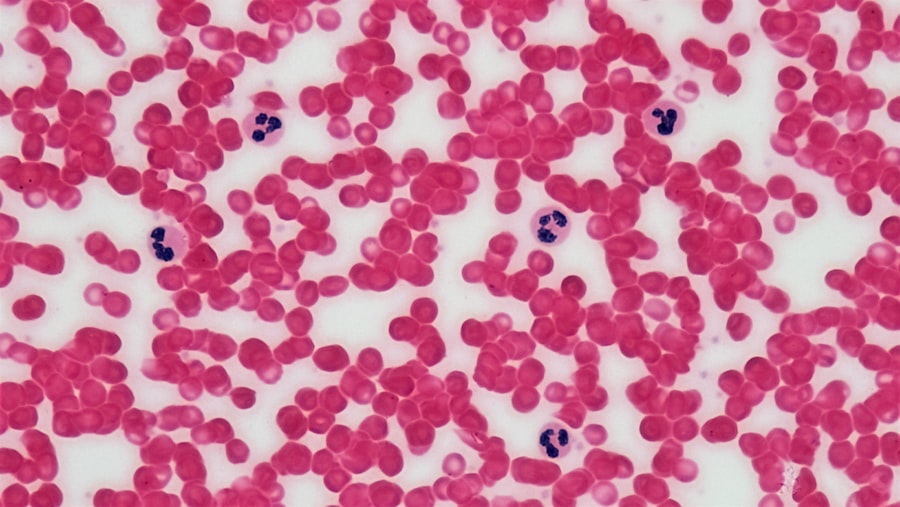
Once in the fetal circulation, these maternal Rh antibodies will target and destroy the baby’s Rh positive red blood cells. This destruction of red blood cells is known as hemolysis. This is a serious condition that can have significant consequences for the fetus.
The Consequences of Hemolysis: When the Body Attacks

The destruction of fetal red blood cells by maternal Rh antibodies is the core of the Rh incompatibility problem. This hemolysis can lead to a range of complications for the fetus, from mild anemia to severe, life-threatening conditions.
Anemia: The First Indicator
As the baby’s red blood cells are destroyed, they become anemic. Anemia in a fetus means a reduced capacity to carry oxygen throughout their body. This can impact growth and development.
###aundice: A Visible Sign
When red blood cells break down, they release bilirubin, a yellow pigment. In utero, the fetus’s liver can usually process this bilirubin. However, if the rate of red blood cell destruction is high, the fetal liver can become overwhelmed, leading to an accumulation of bilirubin in the baby’s blood and tissues. This can manifest as jaundice, a yellowing of the skin and eyes, which may be detectable even before birth.
Hydrops Fetalis: A Severe Complication
In more severe cases, the fetus’s body attempts to compensate for the lack of oxygen and the overwhelming destruction of red blood cells by producing red blood cells at an extremely rapid rate. This can lead to enlargement of the liver and spleen, fluid buildup in various body cavities (such as the abdomen and chest), and swelling of the skin and scalp. This condition is known as hydrops fetalis, and it is a critical medical emergency for the fetus, often requiring immediate intervention and carrying a high risk of mortality.
Stillbirth: The Ultimate Tragedy
In the most severe and untreated cases of Rh incompatibility, the cumulative effects of anemia, organ damage, and circulatory problems can lead to fetal demise, resulting in a stillbirth. This is the ultimate tragic consequence of unchecked Rh sensitization.
Prevention and Management: Turning the Tide
Fortunately, the medical community has developed highly effective strategies to prevent and manage Rh incompatibility, mitigating the paradox and ensuring healthier outcomes for mothers and babies. The key lies in proactive intervention and a deep understanding of the potential risks.
RhoGAM: A Lifesaver in a Syringe
The cornerstone of Rh incompatibility prevention is a medication called RhoGAM (or its generic equivalent, Rh immune globulin). This is a prophylactic treatment administered to Rh negative mothers who are at risk of sensitization. RhoGAM works by preventing your immune system from producing its own Rh antibodies.
How RhoGAM Works: A Protective Shield
When you receive RhoGAM, the Rh antibodies in the injection bind to any Rh positive fetal blood cells that may have entered your bloodstream. These antibody-coated fetal cells are then cleared from your body by your immune system before your body can recognize them as foreign and initiate its own antibody production. It essentially “hides” the foreign cells from your immune system, preventing sensitization.
When RhoGAM is Administered: Critical Timings
RhoGAM is typically administered at specific points during pregnancy and after delivery:
- Around 28 Weeks of Gestation: This is a precautionary measure because small amounts of fetal-maternal blood mixing can occur during the later stages of pregnancy, even without any discernible event.
- After Delivery: If the baby is found to be Rh positive, you will receive another dose of RhoGAM within 72 hours of delivery. This dose clears any fetal blood that may have entered your circulation during labor and delivery.
- After Certain Events: You will also receive RhoGAM after any event that could potentially cause fetal-maternal blood mixing, such as:
- Miscarriage or abortion
- Ectopic pregnancy
- Amniocentesis or chorionic villus sampling (CVS)
- Abdominal trauma during pregnancy
- External cephalic version (ECV)
Monitoring Fetal Well-being: Keeping a Close Watch
Even with RhoGAM administration, vigilant monitoring of fetal well-being is crucial, especially in pregnancies where sensitization has already occurred or is suspected.
Antibody Titer Testing: Measuring the Threat
For Rh negative mothers who have been sensitized, regular blood tests are performed to measure the level of Rh antibodies in their bloodstream. This is called an antibody titer. An increasing titer can indicate a growing risk to the fetus.
Ultrasound and Doppler Studies: Visualizing the Impact
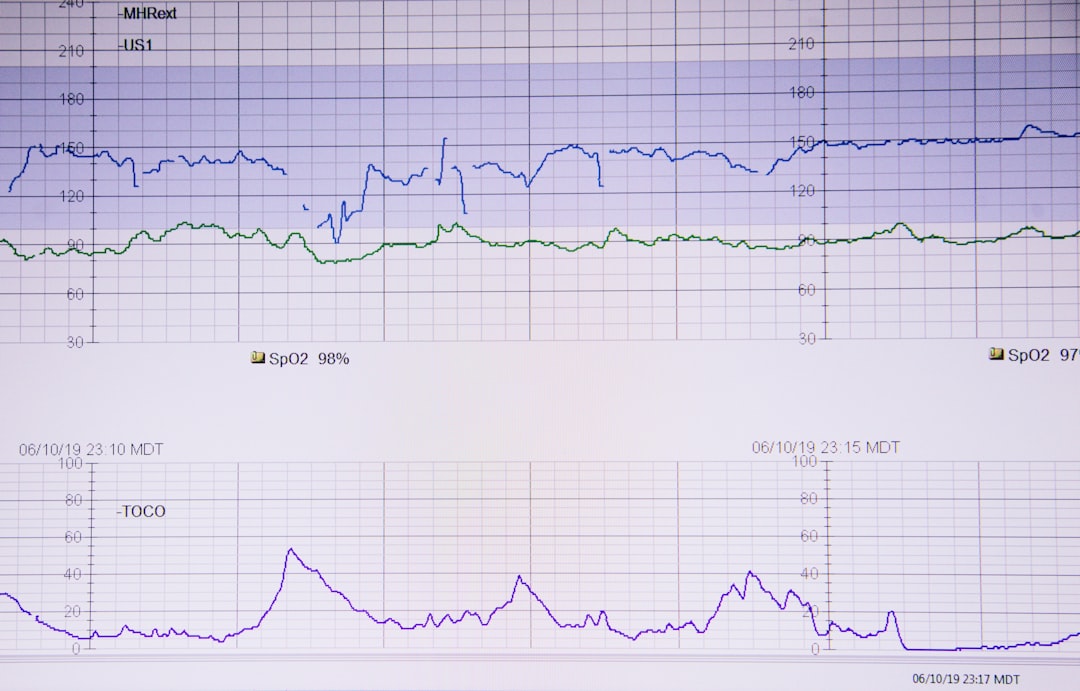
Ultrasound examinations are used to assess fetal growth and development and to look for signs of hydrops fetalis or increased amniotic fluid. Doppler ultrasound can be used to measure blood flow in the umbilical cord and fetal arteries, which can indicate anemia.
Fetal Blood Sampling: Direct Assessment
In some cases, if there is a high concern for fetal anemia, a procedure called cordocentesis (also known as fetal blood sampling) may be performed. This involves taking a small sample of fetal blood from the umbilical cord to directly assess red blood cell count, hemoglobin levels, and bilirubin levels.
Intrauterine Blood Transfusions: A Life-Saving Intervention
If severe fetal anemia is detected, a life-saving intervention called an intrauterine blood transfusion (IUT) may be necessary. This procedure involves transfusing Rh negative red blood cells directly into the fetus’s umbilical vein while they are still in the uterus. This helps to correct the anemia and improve oxygenation to the fetus’s organs.
Early Delivery: When Time is of the Essence
In certain critical situations, if the fetus is sufficiently mature and their condition is deteriorating rapidly, an early delivery may be recommended. This allows the baby to be cared for in a neonatal intensive care unit (NICU) where they can receive specialized medical attention.
The rh negative blood type pregnancy paradox has intrigued many researchers and expectant parents alike, as it raises questions about compatibility and potential complications during pregnancy. For those interested in exploring this topic further, a related article can provide valuable insights into the implications of Rh factor incompatibility and its effects on maternal and fetal health. You can read more about this fascinating subject in the article found here. Understanding these dynamics can help in managing pregnancies more effectively and ensuring the well-being of both mother and child.
The Partner’s Role and Genetic Counseling
| Study | Findings |
|---|---|
| Research Study 1 | Higher risk of pregnancy complications in Rh negative women |
| Research Study 2 | Increased likelihood of miscarriage in Rh negative pregnancies |
| Research Study 3 | Association between Rh negative blood type and pre-eclampsia |
Understanding your partner’s blood type is an integral part of navigating the Rh negative pregnancy paradox. This knowledge empowers you and your healthcare providers to assess risks and implement appropriate preventative measures early on. Genetic counseling can also play a vital role in providing comprehensive information and support.
The Importance of the Father’s Blood Type Information
Knowing whether your partner is Rh positive or Rh negative is your first step in assessing the risk of Rh incompatibility. If your partner is Rh negative, then there is no risk of your child inheriting the Rh positive factor, and thus no risk of Rh incompatibility.
When the Father is Rh Positive: The Need for Vigilance
If your partner is Rh positive, and you are Rh negative, then there is a potential for your child to be Rh positive. This is when the preventative measures, particularly RhoGAM, become paramount.
Genetic Counseling: Informed Decision-Making
Genetic counselors can provide detailed information about Rh factor inheritance, the risks of sensitization, the benefits of RhoGAM, and the various monitoring and management strategies available. They can also address any concerns or anxieties you may have, empowering you to make informed decisions about your pregnancy care.
A Modern Approach to an Ancient Challenge
The Rh negative blood type pregnancy paradox, while a complex biological interaction, is a testament to the advancements in modern medicine. What was once a significant cause of fetal morbidity and mortality is now largely preventable and manageable. The proactive administration of RhoGAM has dramatically reduced the incidence of Rh hemolytic disease of the fetus and newborn (HDFN).
The Impact of RhoGAM: A Success Story
The widespread use of RhoGAM has transformed Rh negative pregnancies. It has shifted the focus from managing established complications to preventing them altogether. This has led to a significant decrease in the number of infants born with severe anemia, jaundice, hydrops fetalis, and stillbirths directly attributable to Rh incompatibility.
Continued Research and Development
While current protocols are highly effective, research continues to explore even more refined methods of Rh immune globulin administration and monitoring. Advancements in prenatal diagnostics and fetal therapies further enhance the ability to detect and manage any potential issues that may arise.
Empowering Expectant Parents
Understanding the Rh negative blood type pregnancy paradox is not about inducing fear, but about empowering you with knowledge. By being informed about your Rh status, collaborating closely with your healthcare provider, and adhering to recommended preventative measures like RhoGAM, you can navigate this aspect of your pregnancy with confidence and a strong likelihood of a healthy outcome for both you and your baby. The paradox lies not in an unavoidable danger, but in the potential for your body’s natural defenses to require careful guidance to ensure the well-being of new life.
FAQs
What is the Rh negative blood type pregnancy paradox?
The Rh negative blood type pregnancy paradox refers to the potential complications that can arise when a woman with Rh negative blood type becomes pregnant with a fetus that has Rh positive blood type.
What are the potential risks for Rh negative pregnant women carrying Rh positive fetuses?
The main risk is the potential for Rh incompatibility, which can lead to the mother’s immune system attacking the fetus’s red blood cells, causing hemolytic disease of the newborn (HDN) or erythroblastosis fetalis.
How is Rh incompatibility managed during pregnancy?
Rh incompatibility is managed through the administration of Rh immunoglobulin (RhIg) to the Rh negative mother. This helps prevent her immune system from producing antibodies against the Rh positive blood of the fetus.
What are the potential complications for the fetus in cases of Rh incompatibility?
Complications for the fetus can include anemia, jaundice, and in severe cases, heart failure or even death if the condition is not properly managed.
Can Rh incompatibility be prevented during pregnancy?
Rh incompatibility can be prevented by administering RhIg to Rh negative mothers at specific times during pregnancy and after childbirth, as well as in the case of any potential exposure to Rh positive blood.