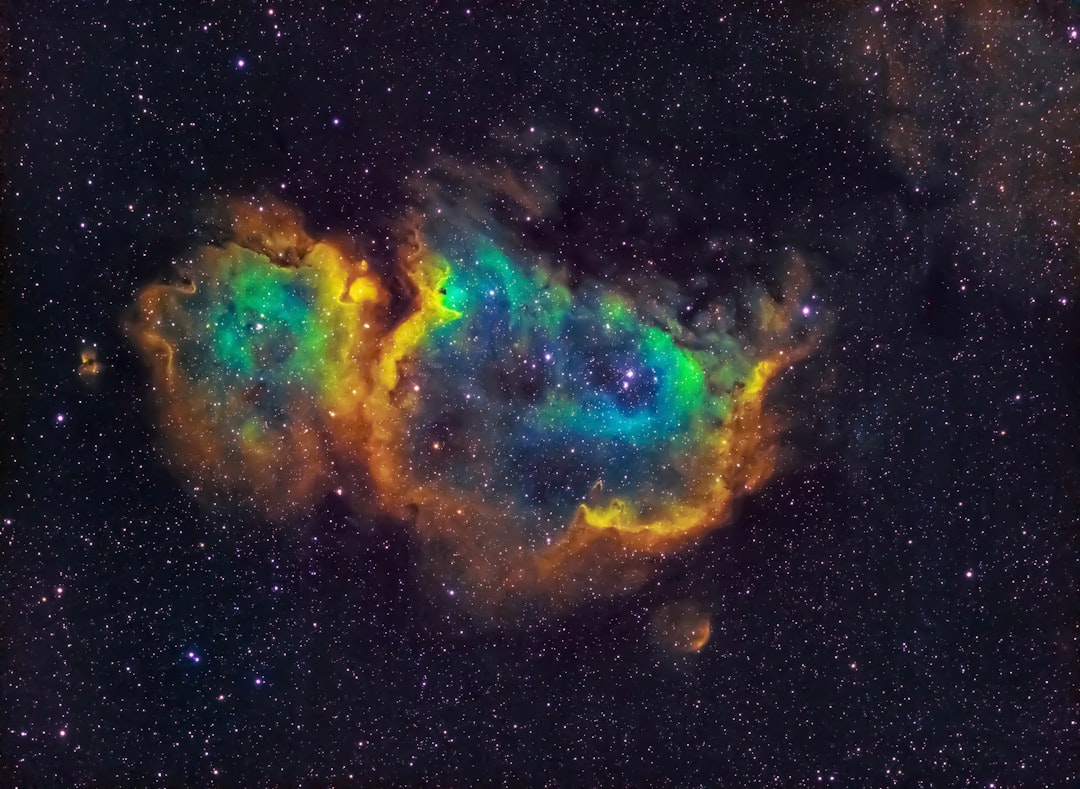
The shimmering nebulae, the awe-inspiring galaxies, the stark beauty of distant planets – these are the images that ignite our imaginations and fuel our cosmic curiosity. They adorn our textbooks, grace our screensavers, and inspire countless works of art and science fiction. Yet, the breathtaking visuals we so readily consume, the processed space images, are far from the direct, unvarnished reality as perceived by a human eye. They are instead carefully crafted mosaics of data, the product of sophisticated instruments and even more sophisticated interpretation and enhancement. Understanding the reality of processed space images involves delving into the science behind their creation, the artistic choices involved in their presentation, and the crucial role they play in our understanding and appreciation of the universe.
The universe, in its raw, unfiltered state, is often an unimpressive spectacle to our biological senses. Light, the primary messenger from the cosmos, arrives in a form that our eyes are not equipped to fully comprehend or appreciate. This is where the necessity of processing becomes paramount.
The Limits of Human Vision
Human eyes are sensitive to a very narrow band of the electromagnetic spectrum – the visible light spectrum, roughly between 400 and 700 nanometers. This means that the vast majority of phenomena occurring in the universe, which emit or interact with radiation outside this range, remain invisible to us. From the powerful X-rays emitted by black holes to the infrared radiation that traces the formation of stars, we are blind to a wealth of cosmic activity without the aid of specialized instruments.
Beyond Brightness and Color
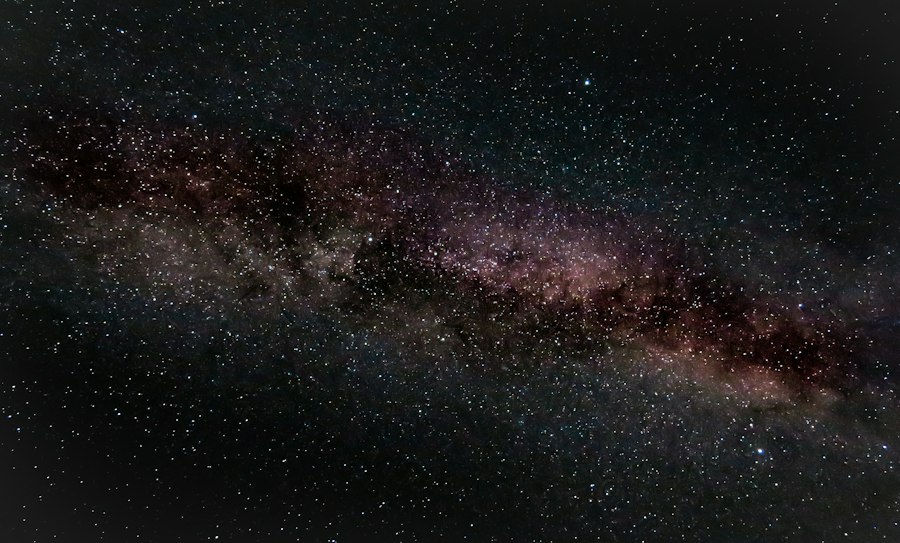
Even within the visible spectrum, the sheer scale and subtlety of cosmic phenomena can be overwhelming. Distant galaxies might appear as faint smudges, their intricate structures lost in the overwhelming darkness of space. The faint glow of nebulae, while beautiful, can be subtle and difficult to distinguish from background noise. Moreover, the concept of “color” as we understand it is a human construct, based on how our photoreceptor cells respond to different wavelengths. Astronomical objects emit light across a spectrum, and our eyes, limited to a few sensitivity peaks, cannot possibly capture this full complexity.
The Essential Role of Telescopes and Detectors
To overcome these limitations, astronomers employ a suite of powerful telescopes and detectors. These instruments are designed to capture radiation across the entire electromagnetic spectrum, from radio waves to gamma rays. Unlike our eyes, which are analog, many modern astronomical detectors are digital, capturing photons and converting them into numerical data. This data, however, is not a ready-made image. It is a collection of measurements, often representing intensity at specific wavelengths or polarizations.
Processed space images, while often enhanced for clarity and detail, still represent real astronomical phenomena captured by telescopes and spacecraft. These images undergo various techniques to bring out features that might not be visible to the naked eye, allowing scientists and the public to better understand the universe. For a deeper exploration of this topic, you can read the article on the importance of processed images in astronomy at Freaky Science.
From Data to Picture: The Art and Science of Image Processing
The transformation of raw astronomical data into the stunning images we see is a complex process that blends rigorous scientific methodology with artistic sensibility. It is a field where scientific accuracy and visual appeal must be carefully balanced.
The Digital Canvas: Pixels and Measurements
Astronomical detectors record data in the form of pixels. Each pixel represents a specific point in the sky, and the value associated with that pixel is a measurement of the light (or other radiation) that fell on that area of the detector during the observation. This measurement could be the number of photons detected, the intensity of the signal, or other characteristics of the radiation. For images that capture multiple wavelengths, each wavelength band will have its own set of data, creating multiple “layers” of information.
False Color: Revealing the Invisible Spectrum
One of the most fundamental techniques in processing space images is the use of “false color.” Since our eyes can only see visible light, and many astronomical objects emit strongly in infrared, ultraviolet, or X-ray wavelengths, astronomers assign visible colors to these invisible emissions. For example, infrared light might be represented as red, visible light as green, and ultraviolet light as blue. This allows us to visualize and study phenomena that would otherwise be completely hidden. The choice of color mapping is not arbitrary; it is often guided by scientific considerations to highlight specific features or distinguish between different types of material.
Enhancing Detail: Stretching and Sharpening
Raw astronomical images can often be very dim, with faint objects lost in the background noise. Image processing techniques are used to “stretch” the dynamic range of the image, bringing out subtle details and faint structures. This involves adjusting the contrast and brightness of the image to make fainter objects more visible. Similarly, techniques like sharpening can be employed to enhance the resolution of the image, making finer details more apparent. However, these processes must be used judiciously to avoid introducing artifacts or distorting the underlying data.
Combining Data: Multi-wavelength and Multi-instrument Composites
Many of the most striking space images are not derived from a single observation but are composites of data from multiple telescopes and instruments, observing in different wavelengths. By combining data from, for instance, a visible light telescope and an X-ray telescope, astronomers can create a more complete picture of an astronomical object. The colors in such composite images represent different physical processes or components of the object, offering a richer understanding than any single observation could provide.
The Purpose and Impact of Processed Space Images
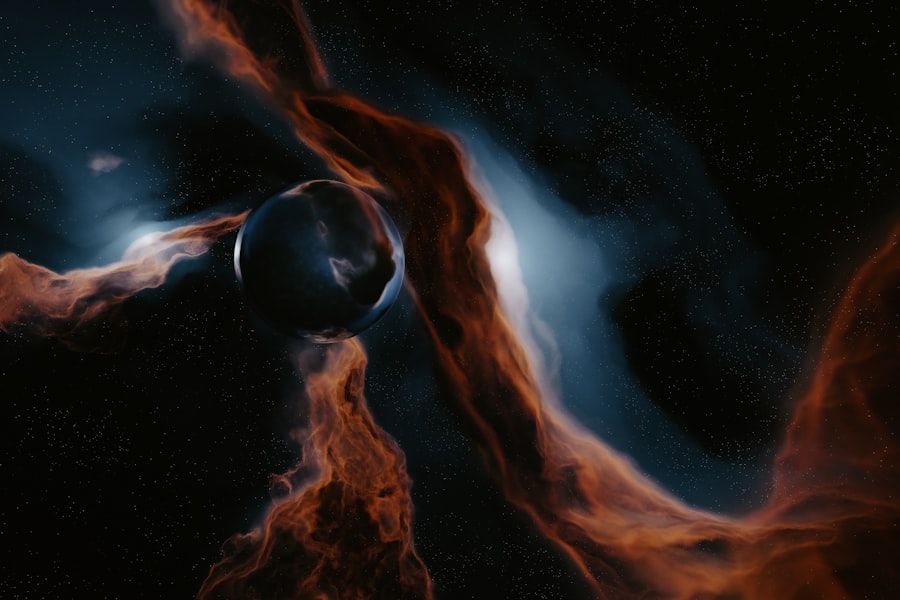
Processed space images serve a dual purpose: they are indispensable scientific tools and powerful conduits for public engagement with science. Their impact extends far beyond the scientific community.
Scientific Investigation: Unveiling Cosmic Secrets
For astronomers, processed images are not just pretty pictures; they are vital scientific tools. By analyzing the colors, brightness, and structures within these images, scientists can deduce crucial information about the composition, temperature, age, and dynamics of celestial objects. For instance, the specific wavelengths of light emitted by a nebula can reveal the elements present within it. The distribution of colors in a galaxy can indicate regions of active star formation. The morphology of a galaxy can tell us about its history and its interactions with other galaxies.
Public Outreach and Education: Inspiring Wonder
Beyond their scientific utility, processed space images are arguably the most effective tools for public outreach in astronomy. They capture the imagination, inspire awe, and make the abstract concept of the cosmos tangible and relatable. These images are instrumental in educating the public about space exploration, scientific discovery, and the vastness of the universe. They foster curiosity, encourage scientific literacy, and can even inspire future generations of scientists and engineers.
Communication Beyond Words: A Universal Language
Images transcend linguistic barriers. A stunning depiction of the Pillars of Creation, for example, can evoke a sense of wonder and curiosity in anyone, regardless of their native language or scientific background. This universal appeal makes processed space images a powerful means of communicating the excitement and importance of astronomical research to a global audience.
Ethical Considerations and Potential Misinterpretations
While the benefits of processed space images are undeniable, it is crucial to acknowledge the ethical considerations and the potential for misinterpretation that arise from their creation.
The Line Between Representation and Reality
As discussed, processed images are not direct photographs in the traditional sense. They are interpretations and representations of data. This raises the question of where the line lies between accurately representing scientific data and aesthetically enhancing it to the point of distortion. It is important for scientists and image processors to be transparent about the techniques used and to avoid creating images that are misleading.
The “Uncanny Valley” of Cosmic Imagery
There can be an “uncanny valley” effect with some processed images, where they become almost too perfect, too vibrant, or too stylized to feel entirely natural. While intended to be beautiful and informative, such images can sometimes inadvertently create a disconnect between the perceived reality and the actual scientific findings. This can lead to a perception of space as being more fantastical than the current scientific understanding allows.
The Importance of Context and Explanation
The interpretation of a processed space image is heavily reliant on context. Without accompanying explanations of the data sources, the processing techniques employed, and the scientific insights derived, an image can be easily misunderstood or misattributed. For example, a vibrant red nebula might be mistakenly assumed to be inherently red, rather than a representation of infrared emissions. Providing clear, accessible explanations alongside images is crucial for accurate understanding.
Transparency in Processing: A Scientific Imperative
Scientific integrity demands transparency. When publishing or sharing processed space images, it is a scientific imperative to clearly state the origin of the data, the instruments used, and the specific processing steps undertaken. This allows other scientists to scrutinize the work and provides the public with a better understanding of how the image was created. This transparency helps to build trust and ensures that the images are viewed as valid scientific products.
Processed space images, despite their enhancements, remain authentic representations of celestial phenomena, as they are based on actual data collected by telescopes and spacecraft. The techniques used to process these images, such as color correction and noise reduction, aim to reveal details that are often invisible to the naked eye, allowing scientists and the public to appreciate the beauty and complexity of the universe. For a deeper understanding of how these images are created and their significance, you can read more in this insightful article on Freaky Science, which explores the intersection of art and science in space imagery.
The Future of Space Imaging: Advancing the Art and Science
| Reasons | Explanation |
|---|---|
| Scientific Validation | Processed space images undergo rigorous scientific validation by experts to ensure their accuracy and authenticity. |
| Consistency with Physical Laws | Processed space images adhere to known physical laws and principles, ensuring that they represent real phenomena in the universe. |
| Data from Reliable Sources | Processed space images are often derived from data collected by reputable space agencies and observatories, adding to their credibility. |
| Peer Review | Many processed space images are subject to peer review by the scientific community, further confirming their authenticity. |
The field of space imaging is constantly evolving, driven by advancements in technology and our ever-deepening understanding of the universe.
New Instruments and Technologies
Future telescopes and detectors will undoubtedly offer unprecedented resolution, sensitivity, and spectral coverage. The James Webb Space Telescope, for example, has already revolutionized our view of the early universe through its infrared capabilities. As new instruments come online, they will provide even richer datasets, demanding more sophisticated processing techniques to unlock their full potential. The development of new sensor technologies and data acquisition methods will also play a significant role.
Advanced Processing Algorithms and AI
The application of artificial intelligence and machine learning in image processing is set to become increasingly prevalent. AI algorithms can assist in identifying faint objects, separating noise from signal, and even generating plausible extrapolations of missing data. This will not only speed up the processing workflow but also potentially reveal subtle cosmic features that might be missed by human analysis alone.
Virtual and Augmented Reality: Immersive Cosmic Experiences
The advent of virtual reality (VR) and augmented reality (AR) offers exciting new avenues for experiencing processed space images. Imagine not just seeing a 3D model of a planet, but being able to “virtually” stand on its surface, with the processed imagery providing a visually stunning and scientifically informed representation. VR and AR can provide deeply immersive and interactive experiences, further enhancing our connection with the cosmos.
Citizen Science and Collaborative Processing
The power of citizen science is also growing. With increasingly accessible data and user-friendly processing tools, the public can play

The Space Photos Are Real—But Your Eyes Would See This
FAQs
1. What are processed space images?
Processed space images are images of celestial objects or phenomena that have been enhanced or manipulated using various techniques to bring out details or to highlight specific features. These techniques can include color adjustments, contrast enhancements, and image stacking.
2. Are processed space images still real representations of the objects in space?
Yes, processed space images are still real representations of the objects in space. While the images may have been enhanced or manipulated, they are based on actual data collected by telescopes and other instruments. The processing techniques are used to improve the visibility of details that may be difficult to see in the original raw data.
3. How are processed space images created?
Processed space images are created by taking raw data collected by telescopes and other instruments and applying various image processing techniques. These techniques can include adjusting color balance, sharpening details, and removing noise to create a clearer and more visually appealing representation of the celestial object or phenomenon.
4. What is the purpose of processing space images?
The purpose of processing space images is to enhance the visibility of details and features that may be difficult to see in the original raw data. By applying image processing techniques, scientists and astronomers can better study and understand celestial objects and phenomena, and the public can appreciate the beauty and wonder of the universe.
5. Can processed space images be trusted as accurate representations of space?
Yes, processed space images can be trusted as accurate representations of space. While the images may have been enhanced or manipulated, they are based on real data collected by scientific instruments. It is important to note that the processing techniques are used to improve the visibility of details and do not alter the fundamental characteristics of the celestial objects or phenomena being depicted.