
You’re probably reading this right now. Maybe you’re skimming, maybe you’re deeply engrossed. Either way, you are here. And that’s precisely the point. We live our lives constantly ping-ponging between the echoes of yesterday and the phantom possibilities of tomorrow. But what if the most potent place for you to exist, to truly live and thrive, is right here, in this present instant? This is the essence of “The Power of Now,” a profound concept that can fundamentally reshape your experience of reality. It’s not about ignoring your past or discarding your future, but about recognizing that your actuality resides solely in the present moment.
You’ve likely felt it yourself: the gnawing replaying of a past mistake, the anxious anticipation of an upcoming deadline, the wistful longing for a bygone era. This temporal entanglement is a human superpower, but often, it’s a superpower we wield against ourselves. You’re not alone in this. Our minds are wired to process information, and in doing so, they create narratives. These narratives can become so compelling, so vivid, that they feel as real as the chair you’re sitting on.
The Mind as a Time Machine
Your mind is a remarkable instrument, capable of conjuring detailed memories and envisioning elaborate futures. This capacity allows for planning, learning, and growth. However, it also means you can become a prisoner of your own mental projections. Think about it: how often do you recall an event with such clarity that you practically re-experience the emotions associated with it? Or how often do you mentally rehearse a conversation, strategizing every word and reaction, only for the actual event to unfold entirely differently? This is your mind, acting as a potent, and often uninvited, time machine. It’s not that memories and future plans are inherently bad; it’s when they hijack your present awareness that they become problematic. You might be physically present, but mentally, you’re lost in the archives of your past or the forecast of your future.
The Burden of Regret and the Anxiety of the Unknown
Regret is a heavy anchor, pulling you down into the depths of what was. You scrutinize past decisions, endlessly questioning “what if?” This constant rumination robs you of your energy and steals your joy. Similarly, anxiety about the future paralyzes you. You conjure up worst-case scenarios, fueling a fear that often far outweighs the actual probability of those events occurring. Imagine walking through a beautiful forest, but instead of appreciating the rustling leaves and the scent of pine, you’re constantly worried about tripping over a root or encountering a wild animal. Your focus on potential dangers prevents you from experiencing the present beauty. This is the trap you fall into when you’re not grounded in the now.
The Ego’s Grip on Time
The ego, that sense of self you identify with, is particularly skilled at manipulating your perception of time. It feeds on past successes to bolster its image and on future fears to maintain its perceived control. The ego thrives on narratives, and the narrative of “I am this person because of what happened to me” or “I will be happy when X happens” is its bread and butter. This self-concept, often built on a foundation of temporal experiences, can prevent you from seeing who you truly are, beyond the stories you tell yourself. You might define yourself by your achievements or your failures, by your past relationships or your future aspirations, thus limiting your present potential.
The concept of the present moment is intricately explored in various philosophical and scientific discussions, highlighting its significance in mindfulness and consciousness. For a deeper understanding of this topic, you can refer to a related article that delves into the nature of time and awareness. Check it out here: Freaky Science. This resource provides insights that complement the exploration of what it means to truly experience the present.
The State of “Now”: Where True Existence Resides
So, if the past is gone and the future is yet to come, where exactly do you live? The answer is deceptively simple, yet profoundly powerful: you live in the present moment. This isn’t a philosophical abstraction; it’s the only tangible reality you ever truly possess. When you talk about the “Power of Now,” you’re talking about consciously inhabiting this specific point in time.
The Present as the Only Reality
You can recall the past, but you cannot change it. You can plan for the future, but you cannot guarantee it. The only moment you can influence, the only moment you can experience, the only moment you can be is this one. Imagine trying to eat a meal from yesterday or to sleep in a bed that doesn’t exist yet. It’s impossible. Your life, your experiences, your sensations – they all occur in the here and now. You might be reading these words, feeling the texture of the page or the warmth of your device, hearing the ambient sounds around you. These are all present-moment experiences.
The Absence of “Past” and “Future” in Direct Experience
When you are fully present, the mental constructs of “past” and “future” fade. You’re not thinking about what happened yesterday or what might happen tomorrow; you are simply experiencing. The pain of a past hurt might resurface, but in the present moment, you can observe it without being consumed by it. The fear of a future event might arise, but in the present moment, you can acknowledge it as a thought, a projection, rather than an immediate threat. This isn’t about suppressing emotions; it’s about changing your relationship with them by anchoring yourself in the only place where they can be truly processed and understood.
The Breath as Your Anchor
The most readily available tool for anchoring yourself in the present is your breath. It’s a constant, rhythmic process that happens exclusively in the “now.” When your mind wanders, simply bring your awareness back to the sensation of your breath entering and leaving your body. Feel the rise and fall of your chest, the cool air on your nostrils. Your breath is a constant, tangible reminder that you are alive, right here, right now. It’s a simple yet remarkably effective way to interrupt the mental chatter and find your way back to the present.
Cultivating Present Moment Awareness: Practical Strategies

So, how do you actually do this? How do you shift your default setting from a time-traveling mind to a present-moment dweller? It’s a practice, much like learning any new skill. It requires intention, patience, and consistent effort.
Mindfulness Meditation: The Foundation
Mindfulness meditation is the cornerstone of cultivating present moment awareness. It involves intentionally directing your attention to your experience without judgment. You sit quietly, focusing on your breath, bodily sensations, or sounds, and when your mind inevitably wanders, you gently guide it back. There are countless guided meditations available, and even a few minutes each day can make a significant difference. It’s about training your mind to focus on what is actually happening, rather than getting lost in what you think is happening or what might happen.
Engaging Your Senses: A Grounding Exercise
Your senses are direct gateways to the present moment. When you find yourself lost in thought, consciously engage your senses. What do you see? Really look at the colors, shapes, and textures around you. What do you hear? Listen to the nuances of the sounds. What do you feel? Notice the touch of your clothes, the temperature of the air, the ground beneath your feet. What do you smell? What do you taste? By deliberately tuning into your sensory input, you pull yourself out of your head and into the tangible reality of your surroundings.
Mindful Movement: Bringing Awareness to Action
You don’t have to be sitting still to be present. Mindful movement, such as walking, yoga, or even everyday tasks like washing dishes, can be powerful practices. As you walk, feel the sensation of your feet on the ground, the movement of your legs, the rhythm of your breath. As you wash dishes, focus on the feel of the warm water, the texture of the soap, the movements of your hands. By bringing conscious awareness to your physical actions, you transform ordinary activities into opportunities for presence.
Conscious Breathing Techniques: Instant Re-Anchoring
Beyond simply noticing your breath during meditation, there are specific breathing techniques you can use to instantly re-anchor yourself. Try the “4-7-8” breathing technique: inhale for a count of four, hold for a count of seven, and exhale for a count of eight. This method can calm your nervous system and bring you back to the present in moments of overwhelm or distraction. Another simple technique is to just take three slow, deep breaths, consciously feeling the air fill your lungs and then release.
The Benefits of Living in the Present: A Transformation of Your Life
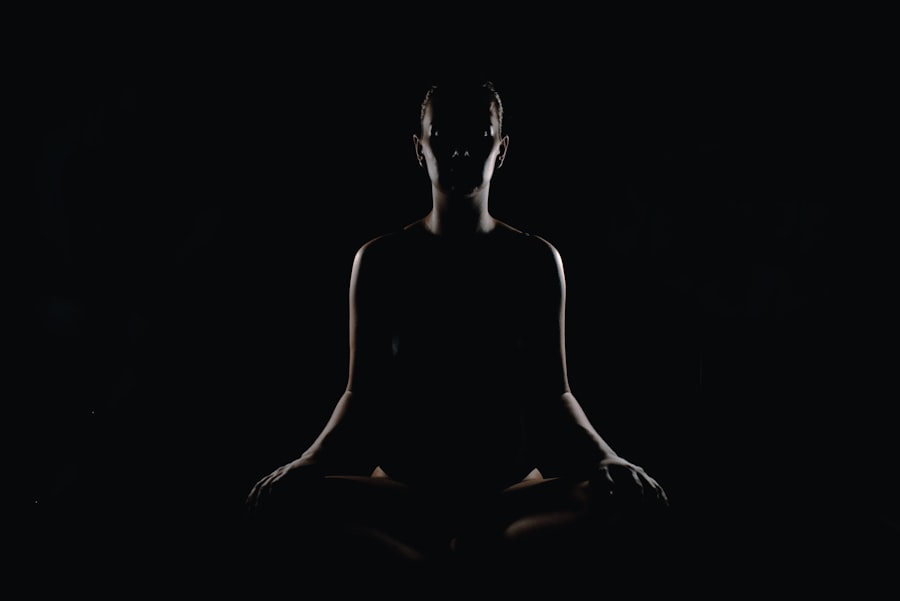
Embracing the Power of Now isn’t just a fleeting trend; it’s a pathway to profound and sustainable well-being. When you shift your focus from the past and future to the present, you unlock a wealth of benefits that can transform your entire life.
Reduced Stress and Anxiety
When you’re not constantly dwelling on past regrets or future worries, your stress and anxiety levels naturally decrease. You stop living in a state of perpetual “what if,” and instead, you learn to navigate challenges as they arise. This doesn’t mean problems disappear, but your capacity to cope with them becomes significantly enhanced. You’re less likely to be overwhelmed by the sheer weight of imagined future troubles.
Increased Happiness and Contentment
True happiness isn’t something you chase or something that arrives in the distant future. It’s found in the appreciation of what you have now. When you are present, you can savor the simple joys of life: a warm cup of tea, a pleasant conversation, the beauty of nature. You become more grateful for the present moment, leading to a deeper and more sustainable sense of contentment. You realize that the “good life” isn’t a destination; it’s a way of experiencing the journey.
Improved Focus and Productivity
When your mind isn’t constantly flitting between a million thoughts, your ability to focus sharpens. You can dedicate your full attention to the task at hand, leading to increased efficiency and higher quality output. This improved focus extends to all areas of your life, from your work to your relationships, allowing you to be more effective and engaged. You become more present in conversations, more attentive to your work, and more aware of your surroundings.
Deeper and More Meaningful Relationships
In your relationships, being present allows you to truly listen and connect with others. You’re not just waiting for your turn to speak; you’re actively engaged in the conversation, understanding and empathizing with the other person. This leads to more authentic and fulfilling connections, fostering intimacy and trust. You notice the subtle cues, the unspoken emotions, and the genuine connection that can only happen when you are fully there.
Understanding the concept of the present moment can be quite enlightening, as it encourages mindfulness and a deeper connection to our experiences. For those interested in exploring this topic further, a related article can be found at Freaky Science, which delves into the significance of living in the now and how it can transform our daily lives. Embracing the present can lead to greater awareness and appreciation of the world around us.
Overcoming Resistance: What Holds You Back
| Data/Metric | Value |
|---|---|
| Time | Current time |
| Location | Current location |
| Mood | Current mood |
| Thoughts | Current thoughts |
It’s natural to encounter resistance on the path to embracing the present. Your ingrained habits of thought and the comfort of familiar patterns can make this shift challenging. Recognizing these obstacles is the first step to overcoming them.
The Fear of Missing Out (FOMO)
You might fear that by focusing on the present, you’ll miss out on opportunities or experiences in the future. However, the irony is that by constantly being fixated on what might happen later, you often miss out on the rich experiences happening now. True fulfillment comes from engaging fully with your current reality, not from constantly chasing what’s next. The most vibrant experiences are often found when you’re fully immersed in the present, not when you’re looking over your shoulder or peering into the distance.
The Lure of Distraction
In today’s hyper-connected world, distractions are everywhere. Social media notifications, endless entertainment options, and the constant hum of information can pull you away from the present moment with alarming ease. You must consciously choose to disengage from these external stimuli and re-center your awareness. This might mean setting boundaries with technology or creating dedicated time for uninterrupted presence. It’s about making a conscious decision to reclaim your attention.
The Comfort of Familiar Patterns
Your mind has developed well-worn neural pathways for thinking about the past and future. These patterns can feel comfortable and familiar, even if they are not serving you. Breaking these habits requires conscious effort and a willingness to step outside your comfort zone. It’s akin to forging a new path through an overgrown forest; it takes time and persistence, but eventually, it becomes easier. You have to be willing to untangle the old habits and create new ones that serve you better.
The Continuous Practice: A Lifelong Journey
Embracing the Power of Now is not a one-time achievement; it’s a continuous practice, a lifelong journey of discovery and integration. There will be days when you find yourself effortlessly flowing with the present, and other days when the currents of past and future drag you away. The key is not to judge yourself but to gently return to the practice.
Imperfection is Part of the Process
You will falter. Your mind will wander. You will get caught up in thoughts and emotions. And that is perfectly okay. The aim isn’t to achieve a state of perpetual, unchanging presence, but rather to cultivate the awareness of when you’ve drifted and the skill to return. Every moment you consciously choose to bring your attention back to the now is a victory. It’s about progress, not perfection.
Non-Judgmental Self-Awareness
As you practice, cultivate a stance of non-judgmental self-awareness. When you notice your mind has wandered, simply acknowledge it without criticism. “Ah, my mind is thinking about X.” Then, gently redirect your attention back to your breath or your current experience. This acceptance is crucial for long-term success. Be kind to yourself. Every time you notice you’re not present, it’s an opportunity to practice.
Integrating Presence into Everyday Life
The goal is to weave presence into the fabric of your everyday life. It’s not about setting aside specific times for “being present” and then forgetting about it for the rest of the day. It’s about bringing that mindful awareness to everything you do. From your morning commute to your evening routine, look for opportunities to anchor yourself in the now. Make conscious choices about how you spend your time and energy, prioritizing experiences that cultivate presence.
Ultimately, the Power of Now is not a destination you arrive at, but a way of traveling. It’s the realization that life unfolds in this very instant. By learning to embrace the present moment, you stop waiting for life to begin and start living it, fully and vibrantly, right where you are. You have the power within you, right now, to change your experience of reality. It’s time to unlock it.

You’ve Never Experienced the Present
FAQs
What is the present moment?
The present moment refers to the current point in time, the here and now. It is the moment that is happening right at this very instant.
Why is the present moment important?
The present moment is important because it is the only moment that truly exists. It is where life is happening, and it is the only moment in which we can take action, make decisions, and experience life.
How can one be more present in the moment?
Practicing mindfulness, meditation, and deep breathing exercises can help individuals become more present in the moment. It involves focusing on the current moment and letting go of thoughts about the past or future.
What are the benefits of being present in the moment?
Being present in the moment can reduce stress, anxiety, and depression. It can also improve focus, productivity, and overall well-being. Additionally, it can enhance relationships and lead to a greater appreciation for life.
How does being present in the moment relate to mental health?
Being present in the moment is closely linked to mental health as it can help individuals manage their emotions, reduce rumination, and increase self-awareness. It can also improve overall mental well-being and resilience.