You stand at the precipice of understanding the most complex entity known to humankind: your own brain. For centuries, we’ve marveled at its capabilities, its capacity for thought, emotion, memory, and action. Yet, so much of its intricate workings remained shrouded in mystery, a vast, uncharted territory. But a revolution is underway, a paradigm shift that’s illuminating the very essence of consciousness. This revolution is powered by bioelectricity, the subtle yet potent electrical currents coursing through your nervous system, the invisible language that your brain and body use to communicate, to thrive, and to dream. Prepare to unravel these mysteries, for you are about to embark on a journey into the electrifying heart of neuroscience.
You might think of electricity as something that powers your devices, a force harnessed from power plants. But electricity is far more fundamental than that. It’s woven into the fabric of life itself. At its core, bioelectricity is the movement of charged particles, primarily ions like sodium, potassium, and calcium, across cell membranes. This seemingly simple process is the bedrock upon which your entire nervous system is built.
The Neuron: Your Brain’s Electrical Powerhouse
Think of your neurons, the single-celled units of your nervous system, as miniature biological batteries. Each neuron has a membrane, a lipid barrier that separates the inside of the cell from the outside environment. This membrane is studded with specialized proteins called ion channels. These channels are like tiny gates, selectively allowing certain ions to pass through.
Resting Potential: The Neuron’s Dormant State
Even when a neuron isn’t actively firing, it maintains an electrical difference across its membrane. This is known as the resting potential. Inside the neuron, there’s a higher concentration of negative ions, while the outside is more positively charged. This charge difference, typically around -70 millivolts, represents stored energy, a readiness to respond. Imagine a wound spring, coiled and poised for release.
Action Potential: The Neuron’s Electrical Signal
The magic happens when a neuron receives a signal. This signal, often chemical in nature, triggers the opening of ion channels. Sodium ions, attracted by the negative charge inside the cell, rush in. This influx of positive charge dramatically reverses the membrane’s polarity, making the inside positive relative to the outside. This rapid change is called an action potential, and it’s the fundamental electrical impulse that travels down the neuron’s axon.
The All-or-None Principle: A Digital Messenger
Crucially, the action potential operates on an “all-or-none” principle. Once the threshold for firing is reached, the neuron fires with full force. There’s no partial signal. This is akin to a digital switch; it’s either on or off. This binary nature allows for precise and reliable transmission of information, preventing ambiguity and ensuring that signals are not lost along the way.
Propagation: The Domino Effect of Excitation
The action potential doesn’t just stay in one place. It propagates, or travels, along the axon, much like a wave. This propagation is fueled by the influx of ions in one segment triggering the opening of ion channels in the adjacent segment, creating a chain reaction. This ensures that the electrical signal can cover long distances within your body, reaching muscles, glands, and other neurons.
Synaptic Transmission: Bridging the Electrical Gap
While action potentials are electrical, the communication between most neurons isn’t a direct electrical connection. Instead, there’s a microscopic gap called the synapse. At the synapse, the electrical signal must be converted into a chemical one.
Neurotransmitters: The Chemical Messengers
When an action potential reaches the end of an axon (the axon terminal), it triggers the release of chemical messengers called neurotransmitters into the synaptic cleft. These neurotransmitters travel across the gap and bind to specific receptors on the membrane of the next neuron.
Excitatory vs. Inhibitory Neurotransmitters: Steering the Neuronal Firing
The effect of these neurotransmitters depends on their type. Excitatory neurotransmitters bind to receptors that cause the receiving neuron to become more likely to fire an action potential, increasing its membrane potential towards the threshold. Conversely, inhibitory neurotransmitters bind to receptors that make the receiving neuron less likely to fire, decreasing its membrane potential. This balance of excitation and inhibition is fundamental to neural processing.
Recent advancements in neuroscience have shed light on the fascinating interplay between bioelectricity and brain function. A related article that delves into this topic can be found at Freaky Science, where researchers explore how bioelectric signals influence neural activity and behavior. This research not only enhances our understanding of brain dynamics but also opens up potential therapeutic avenues for neurological disorders.
Beyond the Spark: Bioelectricity in Action Across the Nervous System
The power of bioelectricity extends far beyond the individual neuron. It orchestrates complex behaviors, enables sophisticated cognitive functions, and allows you to interact with the world around you.
Sensory Perception: Translating the World into Electrical Signals
Your five senses – sight, hearing, touch, taste, and smell – are all initiated by bioelectrical events. When light strikes your retinas, sound waves vibrate your eardrums, or pressure is applied to your skin, these physical stimuli are converted into electrical signals by specialized sensory receptor cells.
Photoreceptors and Vision: Light into Electrical Impulses
In your eyes, photoreceptor cells (rods and cones) contain light-sensitive pigments. When light hits these pigments, it initiates a cascade of biochemical reactions that ultimately lead to a change in the ion flow across the cell membrane, generating an electrical signal. This signal is then transmitted through the optic nerve to your brain, where it’s interpreted as vision.
Mechanoreceptors and Touch: Pressure and Vibration as Electrical Cues
Your skin is packed with mechanoreceptors that respond to touch, pressure, vibration, and stretch. These receptors are essentially biological strain gauges. When deformed by external forces, they open ion channels, leading to an electrical current that signals the presence and nature of the touch.
Motor Control: Commanding Your Body with Electrical Pulses
Every movement you make, from a simple blink to a complex dance, is initiated by electrical signals from your brain. Motor neurons carry these signals down your spinal cord and out to your muscles.
The Somatic Nervous System: Voluntary Movement
Your somatic nervous system is responsible for voluntary muscle control. When you decide to pick up a cup, your brain generates a series of action potentials that travel along motor neurons. These neurons synapse with muscle fibers, releasing neurotransmitters that cause the muscle fibers to contract, resulting in movement.
The Autonomic Nervous System: Unconscious Regulation
Even the involuntary functions of your body, like your heartbeat, digestion, and breathing, are regulated by bioelectricity via the autonomic nervous system. This system comprises two branches: the sympathetic (fight-or-flight) and parasympathetic (rest-and-digest) divisions, both communicating through electrical and chemical signals.
$$\text{Heart Rate} \propto \text{Electrical Stimulation}$$
The rhythmic beating of your heart, for instance, is controlled by specialized cells in your heart that generate their own electrical impulses, setting the pace for the entire organ.
The Brain’s Symphony: Brainwaves and Neural Networks
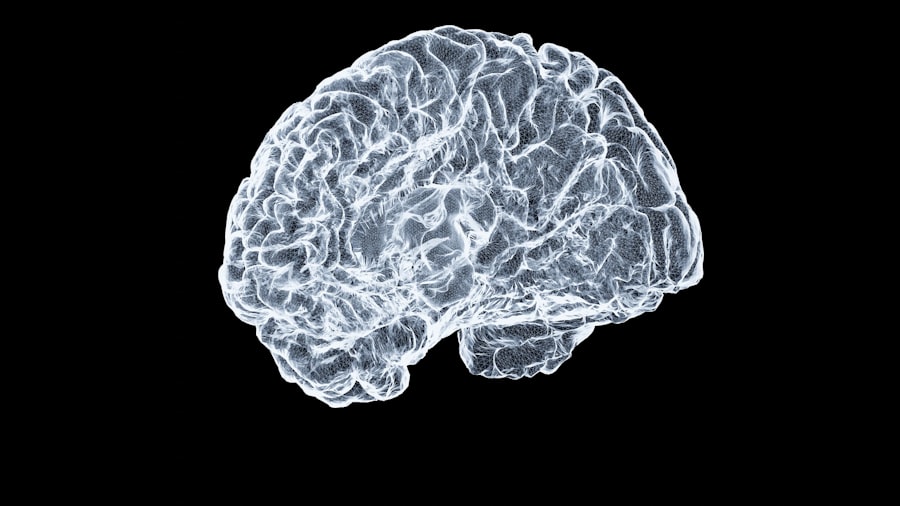
The collective electrical activity of millions of neurons firing in unison creates rhythmic oscillations that can be detected and measured. These are known as brainwaves, and they provide a window into the brain’s overall state of activity.
Electroencephalography (EEG): Listening to the Brain’s Electrical Music
Electroencephalography (EEG) is a non-invasive technique that uses electrodes placed on the scalp to record these brainwave patterns. Different brainwave frequencies are associated with different states of consciousness and cognitive processes.
Alpha Waves: Relaxation and Calmness
When you are awake but relaxed, with your eyes closed, your brain tends to produce alpha waves. These are relatively slow and regular waves, suggesting a state of reduced sensory input and mental quietude.
Beta Waves: Alertness and Concentration
During periods of active thinking, problem-solving, or focused attention, your brain shifts to producing faster beta waves. These waves are associated with heightened cognitive activity and engagement with the external world.
Theta Waves: Drowsiness and Deep Relaxation
As you transition from wakefulness to sleep, or enter states of deep meditation, you’ll observe theta waves. These slower waves are linked to creativity, intuition, and the processing of subconscious information.
Delta Waves: Deep Sleep
The slowest brainwaves, delta waves, are characteristic of deep, dreamless sleep. This is a period of rest and restoration for your brain.
Neural Networks: The Interconnected Web of Electrical Communication
Your brain is not just a collection of independent neurons; it’s a vast and intricate network of interconnected neurons forming neural networks. These networks are the specialized circuits that carry out specific functions, from processing visual information to forming memories.
Synaptic Plasticity: The Dynamic Nature of Connections
The strength of connections between neurons in these networks is not fixed. It can change over time through a process called synaptic plasticity. This plasticity is the basis of learning and memory. When you learn something new, the connections between relevant neurons are strengthened, making them more likely to fire together in the future.
Long-Term Potentiation (LTP): Strengthening the Signal
Long-term potentiation (LTP) is a key mechanism of synaptic plasticity. It involves a persistent strengthening of synapses based on recent patterns of activity. This is thought to be a primary cellular mechanism underlying learning and memory formation.
Long-Term Depression (LTD): Weakening the Signal
Conversely, long-term depression (LTD) is a persistent weakening of synapses. This process is also crucial for learning, allowing the brain to prune unnecessary connections and refine existing ones.
Harnessing Bioelectricity: Therapeutic and Technological Innovations
Understanding the power of bioelectricity has unlocked a wealth of therapeutic and technological advancements, offering new ways to diagnose, treat, and even enhance human capabilities.
Neurostimulation: Directly Influencing Brain Activity
Techniques that directly stimulate neural activity are transforming the treatment of neurological and psychiatric disorders.
Deep Brain Stimulation (DBS): A Pacemaker for the Brain
Deep brain stimulation (DBS) involves implanting electrodes in specific brain regions to deliver electrical impulses. It’s a highly effective treatment for conditions like Parkinson’s disease, essential tremor, and obsessive-compulsive disorder, helping to regulate abnormal brain activity and alleviate symptoms.
Transcranial Magnetic Stimulation (TMS): Non-Invasive Brain Modulation
Transcranial magnetic stimulation (TMS) uses magnetic pulses to stimulate or inhibit activity in specific areas of the brain. It’s a non-invasive therapy that has shown promise in treating depression, anxiety, and even chronic pain.
Bioelectricity in Diagnostics: Unveiling the Brain’s Secrets
Beyond therapy, bioelectrical signals are crucial for diagnosing a range of neurological conditions.
Electrocardiogram (ECG): The Heart’s Electrical Signature
While not directly brain-related, the electrocardiogram (ECG), which measures the electrical activity of the heart, is a prime example of how bioelectricity is used in fundamental diagnostics. It reveals the heart’s rhythm and can detect abnormalities in its electrical conduction system.
Electromyography (EMG): Assessing Muscle Nerve Function
Electromyography (EMG) measures the electrical activity produced by your skeletal muscles. It helps diagnose nerve and muscle disorders by detecting abnormal electrical signals that might indicate nerve damage or muscle disease.
The Future of Bioelectricity: Brain-Computer Interfaces and Beyond
The ongoing research into bioelectricity is paving the way for even more futuristic innovations, blurring the lines between biology and technology.
Brain-Computer Interfaces (BCIs): Direct Communication with Machines
Brain-computer interfaces (BCIs) are a rapidly developing field that allows individuals to control external devices, such as prosthetic limbs or computer cursors, using only their brain signals. This technology holds immense potential for individuals with paralysis or severe motor impairments, offering them a new level of independence and control.
Decoding Neural Intent: Translating Thoughts into Actions
The core of BCI technology lies in its ability to decode neural intent. By analyzing patterns of brain activity, BCIs can translate your thoughts and desires into commands that external devices can understand and execute. This is where the deep understanding of bioelectrical signals becomes paramount.
Recent advancements in neuroscience have shed light on the intricate relationship between bioelectricity and brain function. Researchers are exploring how bioelectric signals can influence neural activity and potentially lead to new treatments for neurological disorders. For a deeper understanding of these concepts, you can read more in this insightful article on the subject. If you’re interested in the latest findings, check out this related article that delves into the fascinating world of bioelectricity in neuroscience.
Unraveling the Mysteries: Ongoing Research and Future Frontiers
| Topic | Metrics |
|---|---|
| Neuroscience | Neuron count, Synaptic density, Brain volume |
| Bioelectricity | Membrane potential, Action potential frequency, Ion channel activity |
Despite the remarkable progress, the field of bioelectricity is still rife with unanswered questions. The true depth of the brain’s electrical language, the intricate interplay of billions of neurons, and the precise mechanisms underlying consciousness continue to be areas of intense scientific investigation.
The Enigma of Consciousness: Where Does Bioelectricity Fit In?
One of the most profound mysteries is the nature of consciousness itself. While we know that brain activity is essential for conscious experience, the exact link between bioelectrical phenomena and subjective awareness remains elusive. Is consciousness an emergent property of complex bioelectrical activity, or is there something more?
Computational Neuroscience: Modeling the Electrical Brain
Advances in computational neuroscience are playing a vital role in unraveling these complexities. Researchers are developing sophisticated computer models that simulate the behavior of neural networks, allowing them to test hypotheses and explore the dynamics of bioelectrical signaling.
Novel Diagnostic and Therapeutic Avenues: The Next Wave of Innovation
The future promises a new generation of bioelectrical therapies and diagnostics. Imagine targeted treatments that can precisely modulate neural circuits to alleviate a wider range of conditions, or non-invasive diagnostics that can detect neurological disease at its earliest stages.
You are living in an era of unprecedented discovery in neuroscience. The power of bioelectricity, once a dimly understood biological curiosity, is now at the forefront of our understanding of life, learning, and consciousness. As you continue to explore these electrifying frontiers, remember that within you, a universe of electrical wonders is constantly at play, shaping your reality and defining who you are. The journey of unraveling these mysteries is not just a scientific endeavor; it’s a journey into the very core of your being.

Your Body Knows Something You Don’t
FAQs
What is neuroscience?
Neuroscience is the scientific study of the nervous system, including the brain, spinal cord, and networks of sensory nerve cells called neurons.
What is bioelectricity?
Bioelectricity refers to the electrical impulses and signals that are generated and transmitted within living organisms, including the human body. These electrical signals play a crucial role in various physiological processes, such as muscle contractions and nerve signaling.
How are neuroscience and bioelectricity related?
Neuroscience and bioelectricity are closely related because the nervous system relies on bioelectricity to transmit signals between neurons and throughout the body. Understanding the bioelectric properties of the nervous system is essential for advancing our knowledge of neuroscience and developing treatments for neurological disorders.
What are some applications of bioelectricity in neuroscience?
Bioelectricity has various applications in neuroscience, including the study of brain function, the development of neural prosthetics, and the treatment of neurological disorders such as Parkinson’s disease and epilepsy.
What are some current research areas in neuroscience and bioelectricity?
Current research in neuroscience and bioelectricity includes investigating the role of bioelectricity in neural development, exploring the potential of bioelectric therapies for brain disorders, and developing new technologies for mapping and manipulating neural circuits.