
The placebo effect is a fascinating phenomenon that highlights the intricate relationship between the mind and body. It occurs when a patient experiences a real improvement in their condition after receiving a treatment that has no therapeutic value, such as a sugar pill or saline injection. This improvement is not due to the treatment itself but rather to the patient’s belief in its efficacy.
The placebo effect underscores the power of expectation and belief, demonstrating that the mind can significantly influence physical health outcomes. It raises important questions about the nature of healing and the mechanisms that drive recovery. At its core, the placebo effect challenges traditional notions of medical treatment.
It suggests that the act of receiving care, combined with the patient’s expectations, can lead to tangible changes in health. This phenomenon is not merely a psychological trick; it has been documented in various clinical settings, where patients report relief from symptoms ranging from pain to anxiety after receiving placebos. Understanding the placebo effect is crucial for both healthcare providers and patients, as it opens up new avenues for treatment and emphasizes the importance of mental and emotional well-being in the healing process.
Key Takeaways
- The placebo effect is a phenomenon where a person experiences a real improvement in their condition after receiving a treatment that has no therapeutic effect.
- The history of the placebo effect dates back to ancient times, with evidence of its use in various cultures and medical practices.
- The science behind the placebo effect involves the brain’s ability to produce physical changes in the body in response to belief and expectation.
- Belief plays a crucial role in the placebo effect, as the patient’s mindset and expectations can influence the outcome of the treatment.
- The placebo effect has significant implications in medicine, alternative therapies, psychological treatment, and everyday life, raising ethical considerations and opportunities for harnessing the power of belief for healing.
The History of the Placebo Effect
The history of the placebo effect is rich and complex, tracing back to ancient times when healers relied on rituals and the power of suggestion to treat ailments. Early records from ancient Greece and Rome indicate that physicians often used non-active treatments, believing that the mere act of administering care could lead to healing. However, it wasn’t until the 20th century that the placebo effect began to be systematically studied and understood within a scientific framework.
In the mid-20th century, researchers began conducting controlled clinical trials to assess the efficacy of new medications. During these trials, participants were often given placebos alongside active treatments to establish a baseline for comparison. This practice revealed that a significant number of patients experienced improvements in their conditions even when they received no active medication.
The term “placebo” itself comes from the Latin word meaning “I shall please,” reflecting the idea that a treatment’s effectiveness can be influenced by the patient’s perception and belief in its potential benefits.
The Science Behind the Placebo Effect
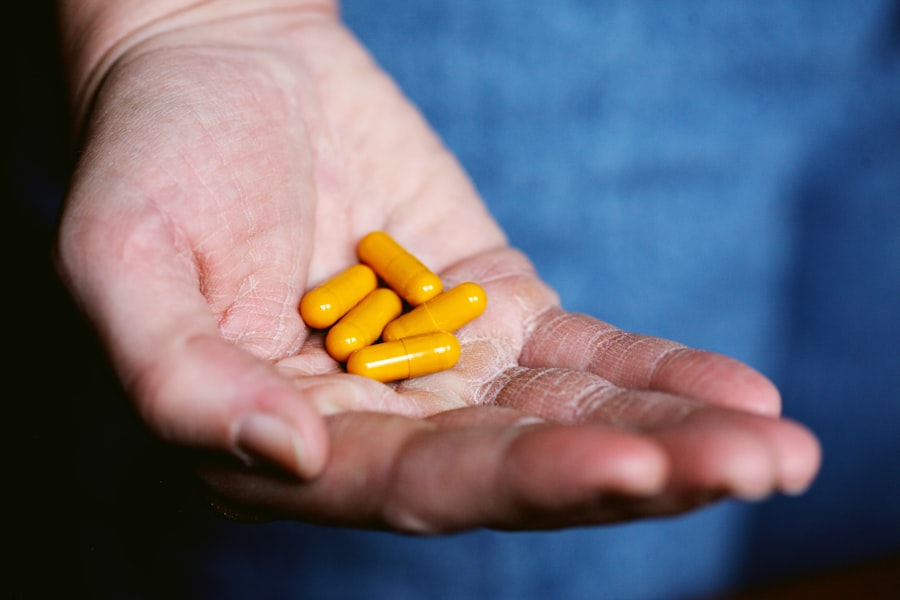
The science behind the placebo effect is multifaceted, involving complex interactions between psychological and physiological processes. Neuroimaging studies have shown that when individuals believe they are receiving an effective treatment, their brains can release neurotransmitters such as endorphins and dopamine, which are associated with pain relief and feelings of well-being. This biological response can lead to real changes in how individuals experience symptoms, demonstrating that belief can trigger genuine physiological effects.
Moreover, research has indicated that the placebo effect can vary based on several factors, including the patient’s expectations, the context in which treatment is administered, and even the appearance of the placebo itself. For instance, studies have shown that larger pills or more expensive treatments tend to elicit stronger placebo responses. This suggests that not only belief but also environmental cues play a significant role in shaping health outcomes.
Understanding these mechanisms is essential for harnessing the placebo effect in clinical practice and improving patient care.
The Role of Belief in the Placebo Effect
| Study | Participants | Belief in Placebo | Placebo Effect |
|---|---|---|---|
| Study 1 | 100 | High | Significant improvement |
| Study 2 | 75 | Low | Minimal improvement |
| Study 3 | 120 | Medium | Moderate improvement |
Belief is a central component of the placebo effect, acting as a catalyst for healing. When patients believe that a treatment will work, their expectations can create a self-fulfilling prophecy, leading to actual improvements in their condition. This phenomenon is often referred to as “the power of positive thinking,” where optimism and hope can significantly influence health outcomes.
The psychological mechanisms at play include conditioning, where past experiences with effective treatments shape future expectations, and cognitive appraisal, where individuals interpret their symptoms through a lens of belief. Furthermore, social factors also contribute to the role of belief in the placebo effect. The relationship between a patient and their healthcare provider can significantly impact how effective a placebo may be.
A strong therapeutic alliance characterized by trust and empathy can enhance a patient’s belief in treatment, thereby amplifying the placebo response. This highlights the importance of communication and rapport in healthcare settings, as providers who foster a supportive environment may help patients tap into their innate capacity for healing.
The Placebo Effect in Medicine
In modern medicine, the placebo effect has been recognized as an important factor in treatment outcomes across various conditions. It is particularly notable in areas such as pain management, where studies have shown that placebos can lead to significant reductions in pain perception.
Moreover, the placebo effect has implications for drug development and regulatory processes. Regulatory agencies often require evidence of efficacy from clinical trials before approving new medications. However, understanding the placebo effect can complicate this process, as it raises questions about how much of a treatment’s effectiveness is attributable to the drug itself versus the placebo response.
As a result, researchers are increasingly exploring ways to differentiate between these effects to ensure that patients receive treatments that provide genuine benefits.
Ethical Considerations of the Placebo Effect

The use of placebos in clinical practice raises important ethical considerations that must be carefully navigated by healthcare providers. One primary concern is informed consent; patients have a right to know what treatments they are receiving and how they work. Administering a placebo without disclosure can undermine trust between patients and providers, potentially leading to feelings of betrayal if patients discover they were given an inactive treatment.
Additionally, ethical dilemmas arise when considering whether it is justifiable to use placebos in clinical settings when effective treatments are available. While placebos may offer benefits in certain situations, such as when no other options exist or when patients are experiencing mild symptoms, their use must be balanced against ethical principles of beneficence and non-maleficence. Healthcare providers must weigh the potential benefits of placebos against their obligation to provide transparent and effective care.
Harnessing the Power of Belief for Healing
Harnessing the power of belief for healing involves integrating psychological strategies into medical practice to enhance patient outcomes. Techniques such as guided imagery, mindfulness meditation, and cognitive-behavioral therapy can help patients cultivate positive beliefs about their health and treatment efficacy. By fostering an optimistic mindset, patients may be better equipped to tap into their body’s natural healing mechanisms.
Moreover, healthcare providers can play a pivotal role in this process by creating an environment that encourages positive beliefs about treatment. This includes effective communication about treatment options, actively listening to patients’ concerns, and providing reassurance about their recovery journey. By empowering patients to believe in their ability to heal, providers can enhance not only the placebo effect but also overall patient satisfaction and engagement in their care.
The Placebo Effect in Alternative Therapies
The placebo effect is also prevalent in alternative therapies, where belief plays a crucial role in treatment outcomes. Practices such as acupuncture, homeopathy, and herbal medicine often rely on patients’ beliefs about their effectiveness to elicit positive responses. In many cases, individuals report significant improvements after engaging with these therapies, even when scientific evidence supporting their efficacy is limited.
This phenomenon highlights the importance of understanding how cultural beliefs and personal experiences shape perceptions of health and healing. For many individuals seeking alternative therapies, the experience itself—combined with their belief in its potential benefits—can lead to meaningful changes in their well-being. As such, integrating elements of belief and expectation into alternative therapies may enhance their effectiveness and provide valuable insights into holistic approaches to health.
The Placebo Effect in Psychological Treatment
In psychological treatment, the placebo effect manifests through various mechanisms that influence mental health outcomes. Therapeutic interventions often rely on patients’ beliefs about their ability to change and improve their mental well-being. For instance, cognitive-behavioral therapy (CBT) emphasizes changing negative thought patterns; when patients believe they can alter these patterns through therapy, they are more likely to experience positive changes.
Additionally, studies have shown that placebos can be effective in treating conditions such as depression and anxiety. Patients who believe they are receiving effective treatment may experience reductions in symptoms even when they are given placebos instead of active medications. This underscores the importance of addressing psychological factors alongside pharmacological interventions in mental health care.
The Placebo Effect in Everyday Life
The placebo effect extends beyond clinical settings into everyday life, influencing how individuals perceive their health and well-being. For example, people often report feeling better after taking over-the-counter medications for minor ailments like headaches or colds—even if those medications contain little more than sugar or caffeine. This everyday manifestation of the placebo effect illustrates how belief can shape personal health experiences.
Moreover, lifestyle choices such as diet and exercise can also be influenced by belief systems. Individuals who believe that certain foods or activities will improve their health may be more likely to engage in those behaviors consistently. This highlights how cultivating positive beliefs about health can lead to healthier lifestyle choices and ultimately contribute to overall well-being.
The Future of Placebo Effect Research
The future of placebo effect research holds great promise as scientists continue to explore its underlying mechanisms and applications across various fields of medicine and psychology. Advances in neuroimaging technology may provide deeper insights into how belief influences brain activity and physiological responses during treatment. Understanding these processes could lead to more effective strategies for harnessing the placebo effect in clinical practice.
Additionally, ongoing research may help clarify ethical considerations surrounding placebo use while identifying best practices for integrating placebos into patient care without compromising informed consent or trust. As healthcare continues to evolve toward more patient-centered approaches, recognizing and leveraging the power of belief will be essential for enhancing treatment outcomes and improving overall patient experiences. In conclusion, the placebo effect represents a remarkable intersection between mind and body that has profound implications for health care practices across disciplines.
By understanding its history, science, ethical considerations, and applications in various therapeutic contexts, healthcare providers can better harness this phenomenon to improve patient outcomes while fostering trust and collaboration within therapeutic relationships.
The placebo effect is a fascinating phenomenon where patients experience real improvements in their health after receiving a treatment with no therapeutic value. This effect highlights the powerful connection between mind and body, suggesting that belief and expectation can significantly influence physical health outcomes. For those interested in exploring this topic further, an insightful article on how the placebo effect actually works can be found on Freaky Science. You can read more about it by visiting com/’>this page.
This article delves into the psychological and physiological mechanisms behind the placebo effect, offering a deeper understanding of how our perceptions can alter our physical state.
WATCH THIS! 🧪The Placebo Effect Is Completely Fake
FAQs
What is the placebo effect?
The placebo effect is a phenomenon in which a person experiences a real improvement in their symptoms or condition after receiving a treatment that has no therapeutic effect. This improvement is attributed to the person’s belief in the treatment rather than the treatment itself.
How does the placebo effect work?
The placebo effect is believed to work through a combination of psychological and physiological mechanisms. When a person believes that a treatment will help them, their brain releases neurotransmitters and endorphins that can have a real impact on their symptoms.
What are some examples of the placebo effect?
Examples of the placebo effect include feeling better after taking a sugar pill, experiencing pain relief from a sham surgery, or feeling more alert after consuming a non-caffeinated beverage that they believe contains caffeine.
Can anyone experience the placebo effect?
Yes, the placebo effect can occur in anyone, regardless of age, gender, or medical condition. However, the strength of the effect can vary from person to person.
Is the placebo effect ethical in medical treatment?
The use of placebos in medical treatment is a topic of ethical debate. While placebos are sometimes used in clinical trials to compare the effectiveness of a new treatment to a placebo, using placebos in clinical practice without the patient’s knowledge or consent is generally considered unethical.