
Ophiocordyceps fungus is a fascinating organism that has captured the attention of scientists and nature enthusiasts alike. This parasitic fungus is best known for its unique relationship with ants, particularly the carpenter ant, which it infects and manipulates. The intricate life cycle and the remarkable adaptations of Ophiocordyceps have made it a subject of extensive research, revealing insights into parasitism, evolution, and even potential applications in medicine.
As you delve into the world of Ophiocordyceps, you will discover not only its biological significance but also its broader implications for ecosystems and human health. The allure of Ophiocordyceps lies in its ability to control the behavior of its host, leading to a dramatic transformation that ultimately benefits the fungus. This relationship exemplifies the complex interactions that occur in nature, where one organism can exert profound influence over another.
By understanding Ophiocordyceps and its life cycle, you will gain a deeper appreciation for the delicate balance of ecosystems and the intricate web of life that connects all living beings.
Key Takeaways
- Ophiocordyceps fungus is a parasitic fungus that infects ants and manipulates their behavior.
- The life cycle of Ophiocordyceps fungus involves infecting an ant, growing inside it, and eventually releasing spores to infect other ants.
- Ophiocordyceps fungus infects ants by releasing spores that attach to the ant’s exoskeleton and penetrate its body.
- Infected ants exhibit behavioral changes such as climbing to a high point before dying, allowing the fungus to spread its spores effectively.
- Ophiocordyceps fungus plays a significant role in ant colonies by controlling ant populations and influencing their behavior.
Life Cycle of Ophiocordyceps Fungus
The life cycle of Ophiocordyceps fungus is a remarkable journey that begins with the spore stage. When conditions are right, spores are released into the environment, where they can land on unsuspecting ants.
As you explore this life cycle, you will find that it is not just a straightforward sequence of events but rather a series of intricate interactions between the fungus and its host. After the initial infection, the fungus begins to grow within the ant’s body, consuming its tissues and ultimately taking control of its nervous system. This manipulation leads to the well-documented behavior changes observed in infected ants.
The fungus then prompts the ant to climb vegetation, where it will eventually die, allowing the fungus to fruit and release new spores into the environment. This cycle continues, perpetuating the relationship between Ophiocordyceps and its ant hosts while showcasing the remarkable adaptability of this organism.
How Ophiocordyceps Fungus Infects Ants
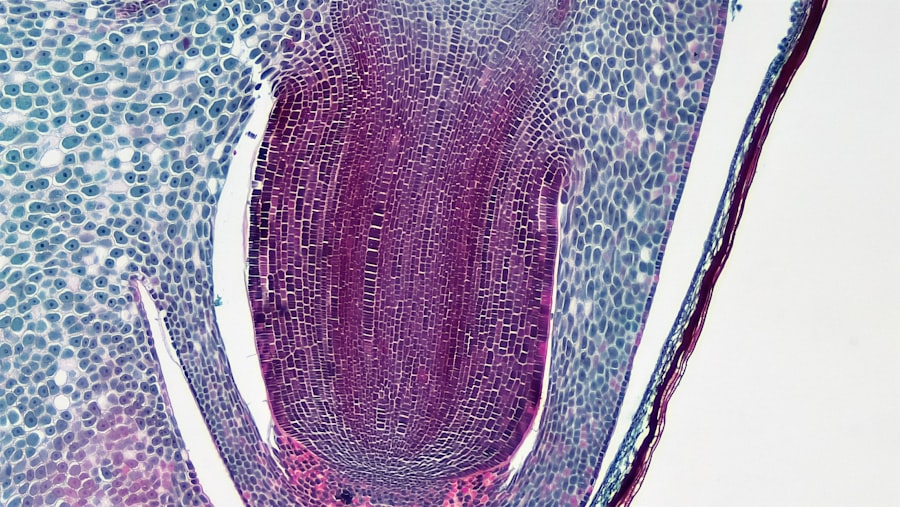
The infection process of Ophiocordyceps fungus is a masterclass in parasitism. When an ant encounters spores of the fungus, it unwittingly becomes a host for this cunning parasite. The spores attach to the ant’s exoskeleton and begin to germinate, sending out hyphae that penetrate the ant’s body.
This initial invasion is stealthy; the ant may not even realize it has been infected until it begins to exhibit unusual behaviors. Once inside, Ophiocordyceps takes control of the ant’s physiology. The fungus releases chemicals that affect the ant’s brain, altering its behavior in ways that facilitate the fungus’s life cycle.
You might find it astonishing how this manipulation leads the ant to leave its colony and ascend vegetation, where it ultimately succumbs to the infection. This strategic move ensures that when the fungus finally kills its host, it is positioned perfectly to release spores into the environment, maximizing its chances of infecting other ants.
Behavioral Changes in Infected Ants
| Ant Species | Behavioral Changes | Observations |
|---|---|---|
| Camponotus pennsylvanicus | Increased grooming | Ants spend more time grooming themselves and other ants |
| Solenopsis invicta | Aggression towards nestmates | Infected ants show increased aggression towards uninfected nestmates |
| Formica fusca | Reduced foraging activity | Infected ants exhibit decreased foraging behavior compared to uninfected ants |
Infected ants undergo dramatic behavioral changes that are both fascinating and eerie. One of the most notable alterations is their tendency to leave their colonies and seek higher ground. This behavior is often referred to as “summit disease,” as infected ants climb to elevated locations before succumbing to their infection.
You may find it intriguing how this seemingly irrational behavior serves a purpose: by positioning themselves high up on vegetation, infected ants ensure that when they die, their bodies will be in an optimal location for spore dispersal. Moreover, these behavioral changes are not random; they are orchestrated by the fungus itself. The chemicals released by Ophiocordyceps manipulate the ant’s nervous system, driving it to engage in actions that benefit the fungus’s reproductive success.
As you consider this phenomenon, you might reflect on the broader implications of such parasitic relationships in nature and how they challenge our understanding of free will and autonomy in living organisms.
The Role of Ophiocordyceps Fungus in Ant Colonies
Ophiocordyceps fungus plays a significant role in regulating ant populations within their colonies. By infecting and killing certain individuals, this fungus can influence colony dynamics and population structure. You may find it interesting how this parasitic relationship can act as a natural form of population control, preventing overpopulation and maintaining ecological balance.
Infected ants often exhibit behaviors that disrupt colony activities, such as foraging or caring for larvae. This disruption can lead to increased stress within the colony and may even result in changes to social hierarchies. As you explore these dynamics further, you will see how Ophiocordyceps not only affects individual ants but also has far-reaching consequences for entire colonies and ecosystems.
Ophiocordyceps Fungus and its Impact on Ant Populations
The impact of Ophiocordyceps fungus on ant populations is profound and multifaceted. By selectively infecting certain individuals within a colony, this fungus can alter population dynamics over time. You might be surprised to learn that while some species of ants have developed resistance to Ophiocordyceps infections, others remain highly susceptible, leading to fluctuations in population sizes.
This dynamic interaction between Ophiocordyceps and ant populations highlights the delicate balance of ecosystems. As you consider these relationships, you may reflect on how parasitic organisms like Ophiocordyceps contribute to biodiversity by influencing species interactions and promoting evolutionary adaptations among their hosts.
The Evolutionary Implications of Ophiocordyceps Fungus
The relationship between Ophiocordyceps fungus and ants offers valuable insights into evolutionary processes. The ongoing arms race between parasites and their hosts has led to a variety of adaptations on both sides. You may find it fascinating how ants have evolved behaviors and physiological traits aimed at resisting infection, while Ophiocordyceps has developed increasingly sophisticated methods for overcoming these defenses.
This co-evolutionary dynamic raises important questions about survival strategies in nature. As you delve deeper into this topic, you will uncover how such interactions can drive speciation and influence genetic diversity within populations, ultimately shaping the evolutionary trajectory of both ants and fungi.
Human Uses of Ophiocordyceps Fungus
Beyond its ecological significance, Ophiocordyceps fungus has garnered attention for its potential benefits to human health. Traditionally used in Chinese medicine for centuries, this fungus is believed to possess various therapeutic properties, including anti-inflammatory and immune-boosting effects. You might be intrigued by how modern research is beginning to validate some of these claims, exploring Ophiocordyceps as a potential treatment for conditions such as fatigue and respiratory issues.
In addition to its medicinal uses, Ophiocordyceps has also found a place in dietary supplements and health products marketed for their purported energy-boosting properties. As you consider these applications, you may reflect on how ancient knowledge can inform contemporary health practices and how nature continues to inspire innovations in medicine.
Ophiocordyceps Fungus in Popular Culture
Ophiocordyceps fungus has made its mark not only in scientific literature but also in popular culture. Its unique life cycle and parasitic behavior have inspired various forms of media, from documentaries to fictional narratives. You may have encountered references to this fascinating organism in films or video games that explore themes of survival and parasitism.
The portrayal of Ophiocordyceps in popular culture often emphasizes its eerie qualities, capturing the imagination of audiences worldwide. As you engage with these representations, consider how they reflect societal fears and fascinations with nature’s darker aspects while also raising awareness about ecological relationships.
Conservation Efforts to Protect Ants from Ophiocordyceps Fungus
As awareness grows about the ecological roles played by organisms like Ophiocordyceps fungus, conservation efforts are increasingly focused on protecting both ants and their habitats. You may find it encouraging that researchers are working to understand how environmental changes impact these delicate relationships and what measures can be taken to preserve biodiversity. Conservation initiatives often involve habitat restoration and monitoring ant populations to assess their health in relation to fungal infections.
By supporting these efforts, you can contribute to maintaining ecological balance and ensuring that both ants and fungi continue to thrive in their natural environments.
Future Research and Discoveries in Ophiocordyceps Fungus
The study of Ophiocordyceps fungus is still in its early stages, with many mysteries yet to be unraveled. Future research promises exciting discoveries about its biology, ecology, and potential applications in medicine. You might be intrigued by ongoing studies exploring genetic variations among different strains of Ophiocordyceps and how these differences influence their interactions with various ant species.
As scientists continue to investigate this remarkable organism, you can anticipate new insights that will deepen your understanding of parasitism and co-evolution. The future holds great promise for uncovering the secrets of Ophiocordyceps fungus and its role within ecosystems—an exploration that could lead to groundbreaking advancements in both science and medicine.
The fascinating world of the ophiocordyceps fungus, often referred to as the “zombie-ant fungus,” has captivated scientists and nature enthusiasts alike. This parasitic fungus infects ants, taking over their central nervous systems and compelling them to climb vegetation, where they eventually succumb, allowing the fungus to spread its spores. For those intrigued by this eerie yet captivating phenomenon, a related article on the subject can be found on Freaky Science. This article delves deeper into the complex interactions between the fungus and its ant hosts, exploring the biological mechanisms that enable such a precise form of parasitism. To learn more, you can read the full article on freakyscience.
com/’>Freaky Science.
WATCH THIS! Meet the Ocean Virus Rewiring Your Brain — New Science Reveals Its Shocking Influence
FAQs
What is the ophiocordyceps fungus?
The ophiocordyceps fungus is a parasitic fungus that primarily infects ants and other insects. It is known for its ability to manipulate the behavior of its host, turning them into “zombies” that help spread the fungus to other potential hosts.
How does the ophiocordyceps fungus infect ants?
When an ant comes into contact with the spores of the ophiocordyceps fungus, the spores attach to the ant’s exoskeleton and begin to grow inside the ant’s body. As the fungus grows, it releases chemicals that manipulate the ant’s behavior, causing it to leave its colony and climb to a high point before dying.
What happens to the ant after it is infected by the ophiocordyceps fungus?
Once the ant reaches a high point, it dies and the fungus continues to grow and eventually bursts out of the ant’s body. The fungus then releases spores, which can infect other ants and continue the cycle.
Where is the ophiocordyceps fungus found?
The ophiocordyceps fungus is found in tropical rainforests around the world, where it infects a variety of insect species, including ants, beetles, and caterpillars.
Is the ophiocordyceps fungus harmful to humans?
While the ophiocordyceps fungus primarily infects insects, there are no known cases of it infecting humans. However, it is always important to exercise caution and avoid direct contact with the fungus in its natural habitat.