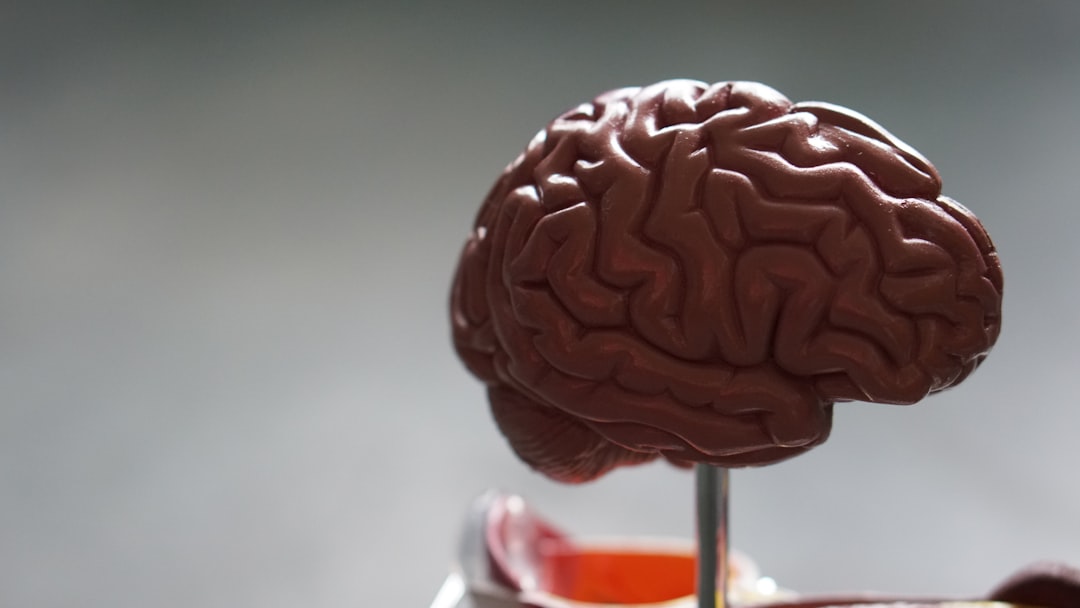
The placebo effect is a fascinating phenomenon that has intrigued scientists, medical professionals, and patients alike for decades. It refers to the beneficial outcomes that arise from a treatment that has no therapeutic value, often due to the patient’s belief in its efficacy. This effect highlights the complex interplay between the mind and body, revealing how psychological factors can significantly influence physical health.
The placebo effect is not merely a trick of the mind; it is a genuine response that can lead to real changes in a person’s condition, demonstrating the power of belief and expectation in the healing process. Historically, the placebo effect has been observed in various contexts, from ancient healing practices to modern clinical trials. In many cases, patients have reported improvements in their symptoms after receiving treatments that are inert, such as sugar pills or saline injections.
This phenomenon raises important questions about the nature of healing and the mechanisms behind it. As researchers delve deeper into understanding the placebo effect, they uncover insights that challenge traditional views of medicine and open new avenues for therapeutic interventions.
Key Takeaways
- The placebo effect is a powerful phenomenon where a person experiences a real improvement in their condition due to a fake treatment.
- The brain’s response to placebo involves the release of natural painkillers and neurotransmitters, leading to symptom relief.
- Expectations play a crucial role in placebo response, as the stronger the belief in the treatment, the greater the effect.
- The neurochemistry of placebo involves the activation of the brain’s reward system and the release of endorphins and dopamine.
- Belief in a treatment can have a significant impact on healing, influencing outcomes in clinical trials and healthcare settings.
The Brain’s Response to Placebo
The brain plays a pivotal role in mediating the placebo effect, acting as a complex control center that processes expectations and beliefs. When a patient believes they are receiving an effective treatment, their brain can trigger physiological responses that mimic those produced by actual medications. Neuroimaging studies have shown that areas of the brain associated with pain perception, emotion, and reward are activated when individuals experience a placebo response.
This suggests that the brain’s interpretation of a treatment can lead to tangible changes in how one experiences symptoms. Moreover, the brain’s response to placebo is not uniform; it can vary significantly among individuals based on factors such as personality traits, past experiences with treatment, and even genetic predispositions. Some individuals may exhibit a robust placebo response, while others may show little to no change.
This variability underscores the complexity of the placebo effect and highlights the need for personalized approaches in healthcare. Understanding how different brains respond to placebo can help clinicians tailor treatments that maximize therapeutic outcomes.
The Role of Expectations in Placebo Response
Expectations are central to the placebo effect, serving as a catalyst for the brain’s response to perceived treatments. When patients enter a clinical setting with a strong belief that a particular intervention will alleviate their symptoms, their expectations can significantly enhance the likelihood of experiencing positive outcomes. This phenomenon is often referred to as “expectation-induced analgesia,” where the anticipation of relief leads to actual reductions in pain perception.
Research has demonstrated that expectations can be shaped by various factors, including the way information is presented by healthcare providers, previous experiences with similar treatments, and cultural beliefs surrounding health and illness. For instance, if a doctor conveys confidence in a treatment’s effectiveness, patients are more likely to develop positive expectations and subsequently experience greater relief. Conversely, negative expectations can hinder recovery and exacerbate symptoms.
This dynamic illustrates how crucial it is for healthcare professionals to foster an environment that encourages optimism and belief in treatment efficacy.
The Neurochemistry of Placebo
| Neurotransmitter | Role in Placebo Effect |
|---|---|
| Dopamine | Associated with reward and motivation, contributes to placebo-induced pain relief |
| Endorphins | Natural painkillers, released during placebo response to reduce pain |
| Oxytocin | Linked to social bonding and trust, may enhance placebo effects in interpersonal interactions |
| Serotonin | Regulates mood and emotions, involved in placebo response for depression and anxiety |
The neurochemical underpinnings of the placebo effect reveal a sophisticated interplay between neurotransmitters and brain pathways. When individuals experience a placebo response, their brains release various chemicals that can influence mood, pain perception, and overall well-being. For example, studies have shown that endorphins—natural pain-relieving compounds produced by the body—can be released in response to placebo treatments, leading to significant reductions in pain.
Additionally, neurotransmitters such as dopamine and serotonin play critical roles in modulating emotional states and reinforcing positive expectations. The release of these chemicals can create a feedback loop where improved mood enhances the perception of treatment efficacy, further amplifying the placebo effect. Understanding these neurochemical processes not only sheds light on how placebos work but also opens up potential avenues for developing new therapeutic strategies that harness these natural mechanisms for healing.
The Impact of Belief on Healing
Belief is a powerful force in the realm of healing, influencing both psychological and physiological outcomes. When patients believe in the effectiveness of a treatment—whether it is a medication or a placebo—they are more likely to experience positive health changes. This impact of belief extends beyond mere psychological comfort; it can lead to measurable improvements in conditions ranging from chronic pain to anxiety disorders.
The significance of belief in healing is evident in various therapeutic contexts. For instance, patients undergoing surgery may experience less postoperative pain if they believe they have received effective pain management strategies. Similarly, individuals with chronic illnesses often report better quality of life when they maintain a positive outlook on their treatment options.
This connection between belief and healing underscores the importance of addressing psychological factors alongside physical treatments in healthcare settings.
Placebo in Clinical Trials and Healthcare

In clinical trials, the placebo effect poses both challenges and opportunities for researchers seeking to evaluate new treatments’ efficacy. Placebos are often used as control groups to determine whether a new drug or intervention produces effects beyond those attributable to patients’ expectations or beliefs.
However, the use of placebos raises ethical considerations within healthcare. Patients enrolled in clinical trials may be unaware that they could receive an inert treatment instead of an active one, leading to potential ethical dilemmas regarding informed consent. Additionally, some argue that withholding effective treatments from patients in favor of placebos could be detrimental to their health.
As researchers navigate these complexities, they must balance scientific rigor with ethical responsibility, ensuring that patient welfare remains paramount.
Ethical Considerations in Placebo Research
The ethical implications surrounding placebo research are multifaceted and require careful consideration by researchers and healthcare providers alike. One primary concern is the issue of informed consent; patients must be fully aware of their participation in studies involving placebos and understand the potential risks and benefits involved. Transparency is crucial in maintaining trust between patients and researchers while ensuring that participants are making informed decisions about their involvement.
Another ethical consideration involves the potential for harm when patients are assigned to placebo groups instead of receiving active treatments. In cases where effective therapies exist, withholding treatment could lead to adverse health outcomes for participants. Researchers must weigh these risks against the scientific value of understanding the placebo effect and its implications for future treatments.
Striking this balance is essential for advancing medical knowledge while prioritizing patient safety and well-being.
Harnessing the Power of Placebo for Healing
Recognizing the potential benefits of the placebo effect opens up exciting possibilities for enhancing patient care and treatment outcomes. Healthcare providers can harness this phenomenon by fostering an environment that promotes positive expectations and beliefs about treatment efficacy. This approach may involve effective communication strategies, such as providing clear explanations about treatment options and emphasizing their potential benefits.
Additionally, integrating complementary therapies that leverage the placebo effect—such as mindfulness practices or guided imagery—can further enhance healing outcomes.
Embracing the power of placebo not only enriches patient experiences but also contributes to more effective healthcare practices.
The Influence of Culture and Context on Placebo Response
Cultural factors play a significant role in shaping individuals’ responses to placebos, influencing their beliefs about health, illness, and treatment efficacy. Different cultures may have varying attitudes toward medical interventions, which can affect how patients perceive placebos and their potential benefits. For instance, cultures that emphasize holistic approaches to health may be more receptive to alternative therapies that incorporate elements of the placebo effect.
Context also matters; the environment in which treatment occurs can impact patients’ expectations and beliefs about its effectiveness. A supportive healthcare setting with empathetic providers can enhance patients’ confidence in their treatments, leading to stronger placebo responses. Conversely, negative or dismissive interactions may undermine patients’ trust and diminish their likelihood of experiencing positive outcomes.
Understanding these cultural and contextual influences is essential for tailoring healthcare approaches that resonate with diverse patient populations.
Placebo and the Mind-Body Connection
The interplay between mind and body is at the heart of the placebo effect, illustrating how psychological states can manifest as physical changes within the body. This mind-body connection underscores the importance of addressing mental health alongside physical health in medical practice. When patients experience stress or anxiety about their conditions, these emotional states can exacerbate symptoms or hinder recovery; conversely, fostering positive mental states can promote healing.
Research into mind-body interventions—such as cognitive-behavioral therapy or relaxation techniques—has shown promise in enhancing placebo responses by improving patients’ mental outlooks on their health conditions. By recognizing and nurturing this connection between mind and body, healthcare providers can develop more comprehensive treatment strategies that address both psychological well-being and physical health outcomes.
Future Directions in Placebo Research
As research into the placebo effect continues to evolve, several promising directions emerge for future exploration. One area of interest involves investigating genetic factors that may influence individual responses to placebos; understanding these biological underpinnings could lead to personalized approaches in medicine that optimize treatment efficacy based on patients’ unique profiles. Additionally, advancements in neuroimaging technology offer exciting opportunities for researchers to delve deeper into the brain mechanisms underlying placebo responses.
By mapping neural pathways activated during placebo treatments, scientists can gain insights into how expectations shape health outcomes at a biological level. Furthermore, interdisciplinary collaborations between psychologists, neuroscientists, and medical professionals hold great potential for advancing knowledge about the placebo effect’s complexities. By integrating diverse perspectives and expertise, researchers can develop innovative strategies for harnessing this phenomenon within clinical practice while addressing ethical considerations surrounding its use.
In conclusion, understanding the placebo effect offers valuable insights into human health and healing processes. By exploring its mechanisms, implications for treatment, and ethical considerations, researchers and healthcare providers can work together to harness its power for improved patient outcomes while respecting individual beliefs and experiences.
The neuroscience of the placebo effect is a fascinating area of study that delves into how our brain can influence physical health outcomes through mere belief and expectation. A related article on this topic can be found on Freaky Science, which explores the intricate mechanisms by which the brain processes placebo responses and the potential implications for medical treatments. For more in-depth insights, you can read the article by visiting Freaky Science. This resource provides a comprehensive overview of current research and theories in the field, highlighting the power of the mind in healing and the potential for harnessing this effect in clinical settings.
WATCH THIS! 🧪The Placebo Effect Is Completely Fake
FAQs
What is the placebo effect?
The placebo effect is a phenomenon in which a person experiences a real improvement in their symptoms after receiving a treatment that has no therapeutic effect. This improvement is attributed to the person’s belief in the treatment rather than the treatment itself.
How does the placebo effect work in the brain?
The placebo effect is thought to involve the brain’s release of natural painkillers, such as endorphins, and the activation of reward pathways. Neuroimaging studies have shown that placebo treatments can lead to changes in brain activity in areas associated with pain perception and emotional processing.
What are the implications of the neuroscience of the placebo effect?
Understanding the neuroscience of the placebo effect has implications for the development of new treatments and the optimization of existing ones. It also highlights the importance of the patient’s beliefs and expectations in the effectiveness of treatments.
Can the placebo effect be harnessed for medical purposes?
Researchers are exploring ways to harness the placebo effect for medical purposes, such as using open-label placebos (placebos that are openly given without deception) or incorporating elements of placebo treatments into standard medical care to enhance their effectiveness.
Are there ethical considerations related to the placebo effect in medical practice?
There are ethical considerations related to the use of placebos in medical practice, particularly in terms of informed consent and the potential for undermining trust in healthcare providers. It is important for healthcare professionals to be transparent about the use of placebos and to prioritize evidence-based treatments.