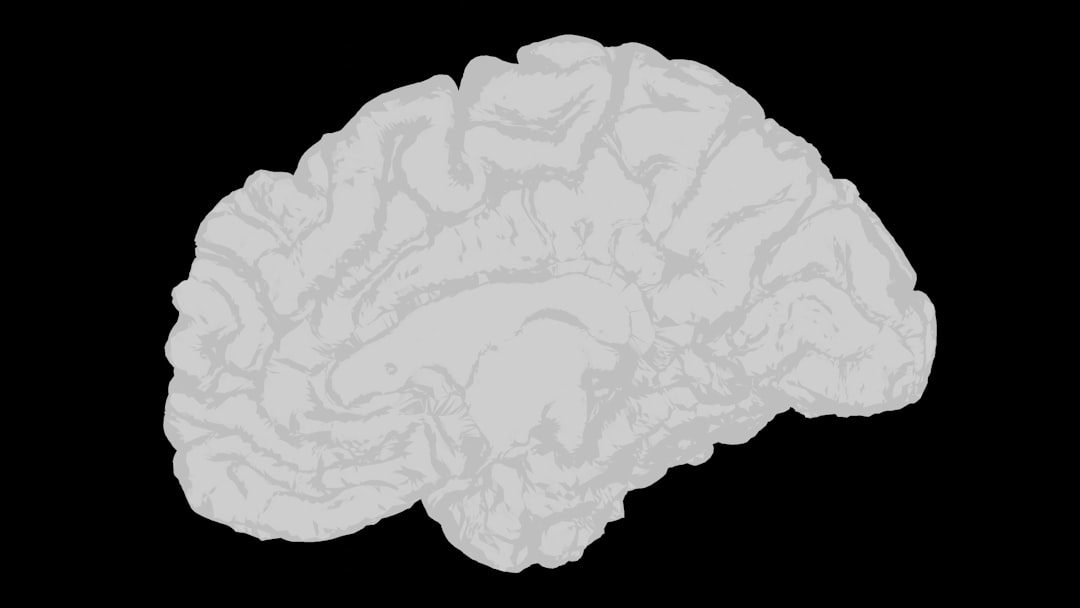
The placebo effect is a fascinating phenomenon that has intrigued scientists, medical professionals, and patients alike for decades. It refers to the beneficial outcomes that arise from a treatment that has no therapeutic value, often due to the patient’s belief in its efficacy. This effect underscores the profound connection between the mind and body, illustrating how psychological factors can significantly influence physical health.
The power of the placebo effect is not merely anecdotal; numerous studies have demonstrated its ability to alleviate symptoms across various conditions, from pain management to depression. In clinical settings, the placebo effect can manifest in remarkable ways. Patients who receive a placebo may report improvements in their conditions simply because they believe they are receiving an effective treatment.
This phenomenon raises important questions about the nature of healing and the role of perception in medical outcomes. The placebo effect challenges traditional views of medicine, suggesting that the mind’s expectations can be as potent as pharmacological interventions. As researchers delve deeper into this complex interplay, they uncover layers of understanding that could revolutionize approaches to patient care.
Key Takeaways
- The placebo effect can lead to real physiological and psychological changes in the body, even when the treatment itself has no therapeutic value.
- The brain responds to placebo treatments by releasing neurotransmitters and activating certain regions associated with pain relief and reward.
- Expectations and beliefs play a crucial role in placebo responses, as individuals who have higher expectations of improvement are more likely to experience positive effects.
- Neurochemical mechanisms behind placebo effects involve the release of endorphins, dopamine, and other neurotransmitters that contribute to pain relief and improved mood.
- The influence of context and rituals, such as the appearance of the treatment and the behavior of healthcare providers, can significantly impact the effectiveness of placebos.
How the Brain Responds to Placebo Treatments
When individuals experience the placebo effect, their brains undergo significant changes that can be observed through neuroimaging techniques. Studies have shown that when a patient believes they are receiving an effective treatment, specific areas of the brain become activated, particularly those associated with pain relief and emotional regulation. For instance, the release of endorphins—natural painkillers produced by the body—can be triggered by the mere expectation of relief, highlighting the brain’s remarkable capacity to influence physical sensations.
Moreover, the brain’s response to placebo treatments is not uniform; it can vary widely among individuals based on factors such as personality traits, previous experiences with treatment, and even genetic predispositions. Some individuals may exhibit a stronger placebo response due to heightened sensitivity to their internal states or a more optimistic outlook on life. This variability underscores the complexity of the placebo effect and suggests that understanding individual differences could enhance its therapeutic potential.
The Role of Expectations and Beliefs in Placebo Responses
Expectations and beliefs play a crucial role in shaping the placebo response. When patients enter a clinical setting with a strong belief in the efficacy of a treatment, they are more likely to experience positive outcomes. This phenomenon is often referred to as “expectation-induced analgesia,” where the anticipation of relief can lead to actual reductions in pain perception.
The power of belief is so profound that it can even alter physiological processes, demonstrating how intertwined mental states are with physical health. Furthermore, cultural factors and personal experiences can significantly influence expectations surrounding treatment. For instance, individuals from cultures that emphasize holistic healing may have stronger placebo responses due to their ingrained beliefs about the mind-body connection.
Conversely, those who approach medical interventions with skepticism may not experience the same level of benefit from placebo treatments. Understanding these dynamics is essential for healthcare providers aiming to harness the full potential of the placebo effect in their practice.
Neurochemical Mechanisms Behind Placebo Effects
| Neurochemical Mechanisms | Placebo Effects |
|---|---|
| Dopamine | Associated with reward and motivation, may contribute to placebo analgesia |
| Opioids | Linked to pain relief and may be involved in placebo-induced analgesia |
| Endocannabinoids | Regulate pain perception and may play a role in placebo responses |
| Expectation | Beliefs and expectations can modulate neurotransmitter release and influence placebo effects |
The neurochemical mechanisms underlying the placebo effect are complex and multifaceted.
For example, dopamine—a neurotransmitter associated with reward and pleasure—has been shown to play a significant role in the placebo response.
When patients believe they are receiving an effective treatment, dopamine levels can increase, leading to enhanced feelings of well-being and reduced pain perception. Additionally, studies have indicated that endogenous opioids, such as endorphins and enkephalins, are released during placebo treatments, further contributing to pain relief and emotional regulation. These neurochemical changes highlight the brain’s ability to modulate bodily functions based on psychological factors.
As researchers continue to explore these mechanisms, they uncover new insights into how harnessing the power of belief can lead to tangible health benefits.
The Influence of Context and Rituals on Placebo Responses
The context in which a treatment is administered can significantly influence its effectiveness, particularly regarding placebo responses. Factors such as the healthcare provider’s demeanor, the setting of the treatment, and even the appearance of the medication can all contribute to how patients perceive their treatment’s efficacy. For instance, a warm and empathetic healthcare provider may enhance a patient’s belief in the treatment’s effectiveness, thereby amplifying the placebo effect.
Rituals associated with medical treatments also play a vital role in shaping patient expectations. The act of taking a pill, receiving an injection, or undergoing a specific procedure can create a sense of anticipation and hope that enhances the overall therapeutic experience. These rituals tap into deeply ingrained cultural practices and personal beliefs about healing, further emphasizing the importance of context in eliciting placebo responses.
The Impact of Placebo on Pain Perception
One of the most well-documented areas where the placebo effect manifests is in pain perception. Numerous studies have demonstrated that individuals experiencing pain can achieve significant relief through placebo treatments, often comparable to that provided by active medications. This phenomenon is particularly relevant in chronic pain conditions, where traditional treatments may fall short or lead to undesirable side effects.
The mechanisms behind this impact on pain perception are rooted in both psychological and neurobiological processes. When patients believe they are receiving effective pain relief, their brains can activate pathways that inhibit pain signals, leading to a reduction in perceived discomfort. This interplay between belief and physiological response highlights the potential for integrating placebo treatments into pain management strategies, offering patients an alternative or complementary approach to conventional therapies.
The Potential Applications of Placebo in Healthcare
The potential applications of the placebo effect in healthcare are vast and varied. As research continues to unveil its mechanisms and efficacy, healthcare providers are increasingly considering how to incorporate placebo treatments into patient care. For instance, in cases where conventional medications may not be effective or carry significant side effects, utilizing placebos could provide a viable alternative for symptom management.
Moreover, integrating placebo treatments into clinical practice could enhance patient satisfaction and overall well-being.
This approach not only benefits patients but also encourages a more holistic view of health that recognizes the importance of psychological factors in physical well-being.
Ethical Considerations in Using Placebo Treatments
While the potential benefits of placebo treatments are compelling, ethical considerations must be carefully navigated. The use of placebos raises questions about informed consent and patient autonomy. Informed consent requires that patients understand what they are receiving and why; administering a placebo without disclosure could undermine trust between patients and healthcare providers.
Additionally, ethical dilemmas arise when considering whether it is appropriate to withhold active treatments in favor of placebos. In some cases, this may lead to suboptimal care or exacerbate patients’ conditions if they genuinely require pharmacological intervention. Striking a balance between harnessing the power of placebos while ensuring ethical standards are upheld is crucial for maintaining integrity within healthcare practices.
The Placebo Effect in Clinical Trials
The placebo effect plays a pivotal role in clinical trials, serving as a critical component for evaluating new treatments’ efficacy and safety. In randomized controlled trials (RCTs), participants are often assigned to receive either an active treatment or a placebo, allowing researchers to assess how much of the observed effect is attributable to the treatment itself versus psychological factors like expectation and belief. Understanding the placebo effect’s influence on trial outcomes is essential for interpreting results accurately.
Researchers must account for this phenomenon when designing studies and analyzing data to ensure that conclusions drawn about new treatments are valid and reliable. As clinical trials evolve, incorporating strategies to better understand and leverage the placebo effect may enhance their overall effectiveness.
Harnessing the Power of the Mind for Healing
Harnessing the power of the mind for healing represents an exciting frontier in medicine. As research continues to illuminate the mechanisms behind the placebo effect, healthcare providers are increasingly recognizing the importance of mental states in promoting physical health. Techniques such as mindfulness meditation, cognitive-behavioral therapy (CBT), and guided imagery are being explored as complementary approaches to traditional medical interventions.
By fostering positive mental states and encouraging patients to engage actively in their healing processes, healthcare providers can enhance treatment outcomes significantly. This shift towards a more integrative approach acknowledges that healing is not solely a biological process but also involves psychological dimensions that can profoundly impact overall well-being.
Future Directions in Placebo Research
The future of placebo research holds immense promise as scientists continue to explore its complexities and applications within healthcare. Ongoing studies aim to unravel the intricate neurobiological mechanisms underlying placebo responses while also investigating how individual differences—such as genetics and personality traits—affect these responses. Moreover, researchers are increasingly interested in developing strategies for optimizing placebo effects within clinical practice without compromising ethical standards.
This includes exploring ways to enhance patient expectations through communication techniques or creating supportive environments that foster belief in treatment efficacy. As our understanding of the placebo effect deepens, it has the potential to reshape medical practice fundamentally. By embracing this phenomenon as an integral part of healing rather than viewing it as an anomaly, healthcare providers can unlock new avenues for improving patient care and outcomes across various medical disciplines.
The neuroscience of the placebo effect is a fascinating area of study that delves into how our brain can influence physical health outcomes through mere belief and expectation. A related article that explores this intriguing phenomenon can be found on Freaky Science. This article delves into the mechanisms by which the brain’s perception can lead to real physiological changes, highlighting the complex interplay between mind and body. For more insights, you can read the full article by visiting Freaky Science.
WATCH THIS! 🧪The Placebo Effect Is Completely Fake
FAQs
What is the placebo effect?
The placebo effect is a phenomenon in which a person experiences a real improvement in their symptoms after receiving a treatment that has no therapeutic effect. This improvement is attributed to the person’s belief in the treatment rather than the treatment itself.
How does the placebo effect work?
The exact mechanisms of the placebo effect are not fully understood, but it is believed to involve complex neurobiological processes in the brain. These processes can influence the body’s physiology, including pain perception, immune response, and other bodily functions.
What are the neural mechanisms behind the placebo effect?
Neuroscience research has shown that the placebo effect involves the activation of various brain regions, including the prefrontal cortex, the anterior cingulate cortex, and the brain’s reward system. These areas are involved in processing expectations, emotions, and pain modulation.
What are the implications of the placebo effect in healthcare?
The placebo effect has important implications for healthcare, as it highlights the powerful role of the mind in influencing health outcomes. Understanding the placebo effect can help improve the design and delivery of treatments, as well as the management of patient expectations and beliefs.
Can the placebo effect be harnessed for medical purposes?
Research suggests that the placebo effect can be harnessed to enhance the effectiveness of treatments. For example, the use of open-label placebos (where patients are aware they are receiving a placebo) has shown promise in certain conditions, demonstrating the potential for leveraging the mind-body connection in healthcare.