You’ve seen it. That unsettling, crackling blue arc dancing within your microwave oven, usually when you’re just trying to reheat leftovers or pop some popcorn. It’s a moment that jolts you, a visceral reminder that this convenient appliance can, at times, be a bit…unpredictable. You’ve likely been told the basic rules: no metal. It’s etched into your brain, a simple, easy-to-digest directive. But what if you’ve followed that rule religiously, and the sparks still appear? What if you’ve experienced the mystery of microwave sparks, and it feels like it goes beyond the common sense you’ve been taught?
This isn’t just about avoiding a minor inconvenience; it’s about understanding the complex technology that powers your kitchen, and the subtle ways in which it can deviate from its intended function. You might be tempted to dismiss it as a fluke, a one-off anomaly. However, the truth is, the phenomenon of microwave sparks is multifaceted, involving a confluence of factors that can catch even the most cautious user off guard. Prepare to delve deeper than the surface-level explanations, to unpack the scientific principles and practical considerations that contribute to this enigmatic kitchen occurrence. You’re about to discover that the mystery of microwave sparks is far more intricate and fascinating than you might have imagined.
Before you can truly appreciate the mystery of sparks, you need to grasp the fundamental science behind how your microwave oven works. It’s not just a box that magically heats your food. It’s a sophisticated piece of engineering designed to manipulate electromagnetic waves, and understanding these waves is key.
The Magnetron: The Heart of the Operation
At the core of every microwave oven lies the magnetron. This is the powerhouse, the component responsible for generating the microwave radiation that heats your food. You can think of it as the sun for your culinary endeavors within the oven.
How a Magnetron Creates Microwaves
The magnetron operates on the principle of thermionic emission. It’s essentially a vacuum tube that uses a combination of a strong magnetic field and a high-voltage electric field to accelerate electrons. These electrons then interact with cavities within the magnetron, causing them to oscillate at microwave frequencies – typically around 2.45 gigahertz. This high-frequency electromagnetic energy is then guided through a waveguide into the cooking chamber.
The Role of the Waveguide
The waveguide is a hollow metal tube that acts as a conduit for the microwave energy. It’s designed to efficiently transport the microwaves from the magnetron to the turntable or the food itself, minimizing energy loss. The shape and dimensions of the waveguide are crucial for ensuring that the microwaves are directed effectively.
The Cooking Chamber: A Faraday Cage for Waves
The interior of your microwave oven is more than just a metal box. It’s carefully designed to contain and reflect the microwave radiation, creating a concentrated field that interacts with your food.
Reflections and Standing Waves
Inside the cooking chamber, the microwaves bounce off the metal walls. This bouncing, or reflection, is what allows the energy to spread throughout the oven and heat the food from multiple directions. However, these reflections can also lead to the formation of “standing waves.” Standing waves are patterns of high and low energy intensity within the oven. You might have noticed that some spots in your microwave heat faster than others – this is a direct result of standing wave patterns. The turntable is designed to mitigate this by rotating the food, ensuring more even exposure to the microwaves.
The Role of the Door Seal
The door of your microwave is equipped with a metal mesh or a similar shielding material. This is not just for structural integrity; it’s a critical component of a Faraday cage. The mesh has holes that are smaller than the wavelength of the microwaves, effectively preventing them from escaping the oven while still allowing you to see inside. A compromised door seal can be a serious safety concern, allowing radiation to leak out.
Microwave sparks can often leave people puzzled, as common sense might suggest that metal objects should not cause such phenomena. However, a deeper understanding of the physics involved reveals the complexities behind this occurrence. For an insightful exploration of the topic, you can refer to a related article that delves into the science of microwave behavior and the reasons behind these unexpected sparks. To learn more, visit Freaky Science.
The “No Metal” Rule: Why It’s There and What It Really Means
You’ve been told this rule since you were a child, and it’s probably the most widely known directive regarding microwave usage. But have you ever stopped to question why metal is forbidden? It’s not just an arbitrary dictate; it’s rooted in the fundamental physics of how microwaves interact with conductive materials.
The Conductivity Conundrum
Metal, by its very nature, is highly conductive. This means that free electrons within the metal can move easily when exposed to an electric field. Microwave radiation, at its core, is an oscillating electromagnetic field.
Electrons on the Move
When microwave radiation strikes a piece of metal, the oscillating electric field causes the free electrons in the metal to move back and forth rapidly. This movement of electrons is what creates eddy currents. These eddy currents, in turn, generate their own electromagnetic fields, which can interfere with the microwaves produced by the magnetron.
Reflection vs. Absorption
While some metals are highly reflective of microwaves (which is why the oven walls are made of metal), certain shapes and types of metal can actually absorb microwave energy. This absorption can lead to rapid heating of the metal itself, potentially causing it to melt, warp, or even ignite. This is where the sparks often begin.
The Shape Factor: Not All Metal is Created Equal
The common understanding is “no metal.” However, the reality is more nuanced. The shape of the metal object plays a significant role in whether it will cause sparks.
Sharp Edges and Pointed Objects
This is where the most common culprit lies. Objects with sharp edges, points, or thin protrusions – think of the foil from a takeout container, the tines of a fork, or even some decorative elements on ceramic dishes – are particularly problematic. These sharp points concentrate the electric field, leading to a much higher charge buildup on those specific areas.
The Arc of Electricity
When the charge buildup on a sharp metal point becomes sufficiently high, it can overcome the insulating properties of the air surrounding it. This leads to a phenomenon called dielectric breakdown, where a spark jumps from the metal point to another conductive surface (like the oven wall or another piece of metal) or even to the air itself. This is the visible discharge you see as sparks.
Smooth, Rounded Metal: Generally Safe (But Still Risky)
Larger, smooth, and rounded metal objects, like some microwave-safe spatulas with metal inserts or larger metal bowls, might not immediately cause visible sparks. However, they can still absorb significant amounts of energy, leading to overheating and potentially damaging the microwave or the food. It’s a gamble you’re generally not advised to take.
Beyond the Obvious: Everyday Items That Can Cause Trouble
You’re probably not intentionally putting a fork in your microwave. But what about those less obvious metal components?
Foil Liners and Twist Ties
The foil that lines some takeout containers, even if it’s just a small amount, can be a major spark generator, especially if it has crinkled edges. Similarly, those small metal twist ties used to seal bread bags can cause unexpected arcs.
Metallic Glazes and Trim on Dishes
This is a common trap for many. Dishes with metallic glazes, gold or silver trim, or even certain decorative metallic paint can behave like metal when exposed to microwaves. You might have a beautiful ceramic bowl that, unfortunately, has a decorative metallic band around its rim that’s just waiting to cause trouble. Always check the manufacturer’s recommendations for dishes if you’re unsure.
Unseen Culprits: When Non-Metallic Items Turn Fiery
You’ve diligently removed all obvious metal, yet the sparks persist. This is where the mystery deepens and common sense starts to feel insufficient. It turns out that some materials, while not explicitly metal, can behave in ways that mimic metallic conductivity under microwave conditions.
The Intriguing Case of Certain Ceramics and Glassware
You might assume that all ceramics and glass are microwave-safe. While many are, certain types can become problematic due to their composition or design.
Impurities and Mineral Content
Some ceramic glazes contain metallic compounds or mineral impurities that can become conductive when heated by microwaves. This is particularly true for older ceramics or those with less regulated manufacturing processes. Even a tiny amount of iron oxide, for example, can absorb energy and heat up, potentially leading to arcing.
Cracked or Damaged Materials
Cracks in ceramic or glass can create irregular surfaces and potential points of high electric field concentration. When microwaves hit these fractured areas, they can cause localized heating and, in some cases, arcing. The damage itself can create a more conductive path or expose underlying materials that are more susceptible to microwave interaction.
The Surprising Role of Food Composition
While food is what you want to heat, its composition can, in rare instances, contribute to sparking.
High Mineral Content in Certain Foods
Some foods are naturally high in minerals. While this is generally beneficial for your nutrition, certain mineral compounds, when subjected to intense microwave energy, can exhibit unusual electrical properties. This is less common but can be a contributing factor in specific scenarios, especially with very dense or unusually prepared foods.
Overheating and Charring
When food is overheated, it can char. Charred material is essentially carbonized organic matter. Carbon, in certain forms and at high temperatures, can become somewhat conductive. If this charred section comes into close proximity with a metallic component (even a small one you missed) or creates a path for electrical discharge, it can contribute to sparking.
“Recycled” Materials: A Hidden Danger
You might be a fan of using leftover containers, but some of these can harbor hidden dangers.
Traces of Metal in Plastics and Paper
Some plastic containers, particularly those that are recycled, might contain trace amounts of metal particles embedded within the material. These particles, though small, can act as initiation points for arcing. Similarly, some paper products, especially those with metallic inks or coatings used for decorative purposes, can also cause issues.
Troubleshooting and Prevention: Taking Control of the Sparks
Experiencing microwave sparks can be unnerving, but thankfully, there are practical steps you can take to both troubleshoot existing issues and prevent them from happening in the first place. It’s about proactive maintenance and informed usage.
The Immediate Action: When Sparks Fly
Your primary concern in the moment is safety. Don’t hesitate to act decisively.
Stop the Microwave Immediately
The instant you see sparks, press the “Stop” or “Cancel” button. Continuing to run the microwave can exacerbate the problem, potentially causing more damage to the appliance and increasing the risk of fire.
Unplug and Inspect
After stopping the microwave, unplug it from the power source. Allow the appliance to cool down for a few minutes before attempting any inspection. Carefully open the door and look for any obvious signs of damage.
Identify the Culprit (If Possible)
Try to recall what you had in the microwave. Was it a new dish? A different type of leftover container? Was there any foil or metallic trim visible? Sometimes, the culprit is obvious upon closer inspection. Look for any melted plastic, burnt food residue, or unusual discoloration.
Routine Maintenance for a Safer Kitchen
Preventive measures are far more effective than reacting to a problem. Incorporating a few simple habits can significantly reduce the risk of sparks.
Regular Cleaning is Crucial
Food splatters and debris can accumulate inside your microwave. These residues can become carbonized over time and, as mentioned earlier, can contribute to electrical conductivity. Regularly wipe down the interior of your microwave with a damp cloth and mild detergent. Pay attention to the walls, ceiling, and floor.
Inspect for Wear and Tear
Periodically examine the interior surfaces of your microwave for any signs of damage, such as rust, dents, or peeling paint. Also, check the door seal for any tears or gaps. A damaged door seal can affect the microwave’s ability to contain radiation and might also indicate structural issues that could contribute to arcing.
Test New Cookware Carefully
Before you use a new dish or container in the microwave, perform a simple test. Place the empty dish in the microwave with a cup of water. Run the microwave on high power for about 30 seconds to a minute. Then, carefully touch the dish (use oven mitts if it feels warm). If the dish is significantly warmer than the water, it’s likely absorbing too much microwave energy and should not be used.
When to Call in the Professionals
While many microwave spark issues are user-solvable, there are times when professional intervention is necessary.
Persistent or Severe Sparking
If you’ve tried troubleshooting steps and the sparking continues, or if the sparks are particularly intense and accompanied by unusual noises or smells, it’s time to stop using the microwave and consult a professional.
Damaged Magnetron or Internal Components
Sparking can sometimes be a symptom of a failing magnetron or other internal electrical components. These are not user-repairable parts and require specialized knowledge and equipment to diagnose and replace. Continuing to use a microwave with damaged internal components can be a fire hazard and a safety risk.
Suspected Radiation Leakage
If you have concerns about radiation leakage, particularly if the door seal appears damaged or the microwave is making unusual noises when not in use, do not hesitate to have it inspected by a qualified technician.
Microwave sparks can often leave people puzzled, as common sense seems to fall short in explaining this phenomenon. A related article explores the intricate science behind these sparks, shedding light on the unexpected interactions that occur within a microwave. For those interested in understanding the complexities of this topic, you can read more in the article found here. The insights provided can help demystify why everyday assumptions may not hold true in the face of scientific principles.
Beyond the Spark: Understanding the Risks and When to Worry
| Reason | Explanation |
|---|---|
| Metal objects | Metal objects in the microwave can cause sparks due to the reflection of microwaves. |
| Moisture content | High moisture content in food can lead to sparks as the water molecules absorb the microwave energy. |
| Improper containers | Using containers not suitable for microwave can cause sparks due to overheating or arcing. |
| Food with high fat content | Foods with high fat content can lead to sparks as the fat molecules can become superheated. |
The occasional flicker of sparks might seem like a minor annoyance, but it’s important to understand the underlying risks and when this phenomenon warrants genuine concern. It’s about distinguishing between a quirky appliance and a potentially dangerous situation.
The Fire Hazard: The Most Serious Concern
The most significant risk associated with microwave sparks is the potential for fire.
Overheating and Ignition
As we’ve discussed, the intense heat generated by arcing metal or overheating materials can easily ignite surrounding food debris, packaging, or even the interior lining of the microwave itself. This can lead to a small fire that can quickly spread.
Damage to the Appliance
Repeated or severe sparking can cause significant damage to the internal components of your microwave. This can lead to costly repairs or, in the worst-case scenario, render the appliance irreparable.
The Food Safety Angle: Contaminated or Damaged Food
Beyond the risk to the appliance and your home, sparks can also impact the safety of your food.
Uneven Heating and Undercooked Food
When sparking occurs, it disrupts the even heating process. This can lead to parts of your food being dangerously undercooked, increasing the risk of foodborne illness from bacteria that haven’t been killed.
Contamination from Damaged Materials
If the sparking involves the melting or burning of plastic containers or packaging, harmful chemicals can be released and contaminate your food.
When to Consider Replacement
While some issues are repairable, there are times when the safest and most practical option is to replace your microwave.
Multiple Incidents of Severe Sparking
If you’ve experienced multiple instances of significant sparking, even after trying troubleshooting, it might indicate a more fundamental problem with the appliance that is difficult or expensive to fix.
Visible Internal Damage
If you open your microwave after an incident and see visible internal damage, such as burnt wiring, melted components, or a damaged cavity, it’s likely not worth the risk of repair.
Age and Condition of the Appliance
Microwaves, like all appliances, have a lifespan. If your microwave is old, has a history of problems, or is showing signs of general wear and tear, a spark incident might be the final straw that signals it’s time for an upgrade. Prioritizing safety and reliability is paramount.
The Lingering Questions: Exploring the Nuances and Future of Microwave Technology
Even with a deeper understanding of the mechanics, the mystery of microwave sparks can still leave you with lingering questions. It’s a testament to the complex interplay of science, engineering, and everyday usage.
The “What Ifs”: Edge Cases and Rare Scenarios
While we’ve covered the most common causes, the world of physics and materials science can present some truly unusual scenarios.
Quantum Effects and Unpredictable Behavior
At a microscopic level, quantum effects can sometimes lead to unpredictable behavior. While not a direct cause of macro-level sparks in typical usage, the underlying principles of electron behavior are rooted in quantum mechanics. This is more theoretical than practical for the home user, but it highlights the inherent complexity of electromagnetic interactions.
Unexpected Material Reactions
Certain rare combinations of food, packaging, and microwave conditions might lead to unexpected chemical reactions or changes in material properties that are not widely documented. These are often the subjects of scientific inquiry rather than everyday occurrences.
The Evolution of Microwave Design: Towards Greater Safety
Appliance manufacturers are constantly working to improve the safety and reliability of their products.
Smarter Sensors and Feedback Systems
Future microwave designs may incorporate more sophisticated sensors that can detect abnormal energy absorption or the presence of conductive materials. These sensors could then automatically shut down the appliance or adjust power levels to prevent sparking.
Advanced Material Science in Cookware
The development of new microwave-safe cookware materials that are truly inert and resistant to microwave interaction could also play a role in reducing sparking incidents. This includes materials that are designed to absorb or reflect microwaves in a controlled manner.
Your Role as the Informed User: Empowered by Knowledge
Ultimately, your understanding of how your microwave works is your greatest tool.
The Power of Observation
Don’t dismiss unusual behavior. Pay attention to how your food heats, any strange noises, or visual anomalies. Your observations can be the first step in identifying a potential problem before it escalates.
Embracing a Proactive Approach
By following best practices, performing routine maintenance, and being mindful of what you put into your microwave, you significantly reduce the likelihood of experiencing sparks. Knowledge empowers you to use this convenient technology safely and effectively.
The mystery of microwave sparks, while sometimes startling, is ultimately demystified by understanding the science behind its operation, the properties of materials, and the importance of safe usage. It’s a reminder that even the most commonplace appliances have intricate inner workings, and a little knowledge can go a long way in ensuring a safe and efficient kitchen experience. So, the next time you hear that crackle, you’ll be armed not just with common sense, but with a deeper understanding of the electric dance happening within your microwave.
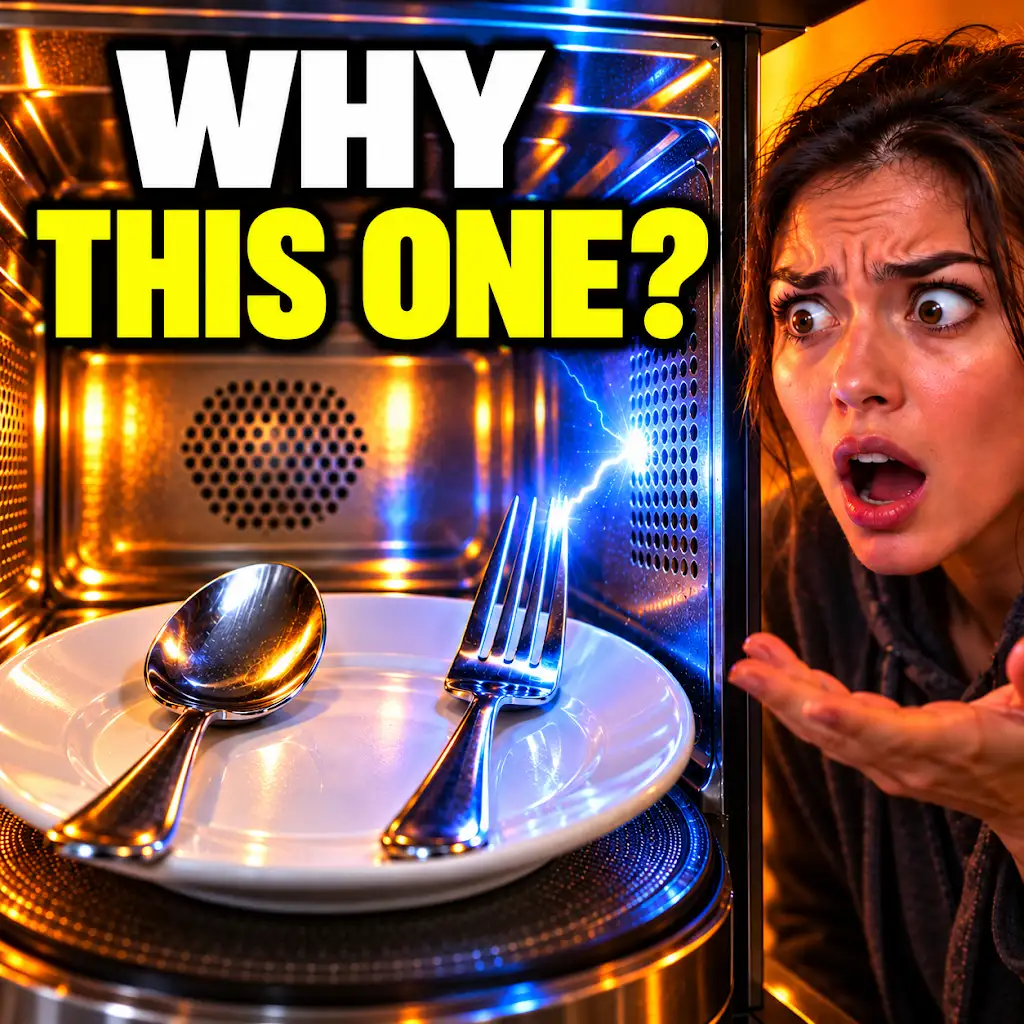
A Fork and a Spoon React Differently in a Microwave. Why?
FAQs
What causes microwave sparks?
Microwave sparks are typically caused by the presence of metal objects or materials with metallic finishes inside the microwave. When these objects are exposed to the microwave’s electromagnetic field, it can cause sparks to occur.
Can common sense explain microwave sparks?
While common sense may suggest that metal objects should not be placed inside a microwave, the specific reasons for why sparks occur due to metal objects are based on the principles of electromagnetism and the behavior of electromagnetic fields.
How do electromagnetic fields interact with metal objects in a microwave?
When a metal object is placed inside a microwave, the microwaves cause the free electrons in the metal to move back and forth rapidly. This movement generates heat and can lead to the production of sparks.
What precautions can be taken to prevent microwave sparks?
To prevent microwave sparks, it is important to avoid placing metal objects or materials with metallic finishes inside the microwave. This includes items such as aluminum foil, metal utensils, and containers with metal accents.
Are there any other factors that can cause microwave sparks?
In addition to metal objects, other factors such as food with high fat or sugar content, overheating, or damage to the microwave’s interior can also contribute to the occurrence of sparks. Regular cleaning and maintenance of the microwave can help prevent these issues.