You stare at the metal rack inside your microwave, a gnawing curiosity piqued. It’s there for a reason, right? But then, a fleeting thought, a whisper of doubt: is it actually safe to put metal in there? You’ve probably heard the dire warnings, the sparks, the potential for disaster. Yet, here it is, a perfectly functional piece of metal, nestled within the very appliance designed to cook your food with invisible waves. What gives? You’re not alone in this bewilderment. The presence of metal in microwaves is a perplexing paradox for many. It’s a common household appliance, and you likely use it daily, but this one aspect remains shrouded in a fog of “don’t do this, but here it is anyway.” This article aims to unravel that mystery, to demystify the relationship between metal and microwaves, and to equip you with the knowledge to use your appliance safely and effectively.
Before we delve into the complexities of metal, it’s crucial to grasp the basic principles of microwave operation. Imagine your microwave as a sophisticated, enclosed cavity designed to manipulate electromagnetic waves.
The Electromagnetic Spectrum: A Quick Overview
Your microwave operates within a specific band of the electromagnetic spectrum. Think of the electromagnetic spectrum as a vast landscape of energy, ranging from radio waves on one end to gamma rays on the other. Visible light, X-rays, and microwaves all occupy distinct positions within this spectrum, each with unique properties and applications. Microwaves, specifically, are a type of electromagnetic radiation with wavelengths typically ranging from about one millimeter to one meter, and frequencies between 300 MHz and 300 GHz.
The Magnetron: The Heart of the Operation
The magic behind your microwave lies within a device called a magnetron. This is essentially a high-powered vacuum tube that generates microwaves. When electricity is supplied to the magnetron, it emits electrons that are then forced to move in a circular path by strong magnetic fields. This accelerated motion of electrons creates high-frequency electromagnetic waves – your microwaves.
Waveguides and Cavities: Directing the Energy
These generated microwaves are then channeled through a waveguide, a metal conduit, towards the cooking cavity. The interior walls of the microwave oven are made of metal, forming a Faraday cage. This metal enclosure is crucial for several reasons. Firstly, it reflects the microwaves, bouncing them around the cavity. This ensures that the energy is distributed as evenly as possible throughout the food, promoting efficient cooking. Secondly, and importantly, it prevents the microwaves from escaping into your kitchen, which would be both inefficient and potentially harmful.
Dielectric Heating: The Cooking Mechanism
So, how do these waves actually cook your food? It’s all thanks to a process called dielectric heating. Water molecules, fat molecules, and sugar molecules in your food are polar. This means they have a positive and a negative end, much like a tiny magnet. When microwaves enter the food, they cause these polar molecules to vibrate and rotate rapidly as they try to align themselves with the oscillating electromagnetic field. This rapid agitation generates friction between the molecules, and it’s this friction that produces heat, cooking your food from the inside out.
Microwaves are fascinating appliances that utilize electromagnetic radiation to heat food, but many people wonder why there is metal inside them. The presence of metal, such as in the form of the microwave’s interior and components, plays a crucial role in reflecting microwaves to ensure even cooking. For a deeper understanding of the science behind microwaves and their components, you can read a related article on this topic at Freaky Science.
The Peril of the Pointed: Why Some Metals Cause Trouble
Now, let’s address the elephant in the room: why can some metals cause sparks and potentially damage your microwave, while others seem to be included as standard accessories? The answer lies in the shape and electrical properties of the metal.
Reflection vs. Absorption: The Core Difference
Recall that the metal walls of your microwave oven are designed to reflect microwaves. This reflection is crucial for efficient cooking. However, when you introduce certain types of metal objects into the cooking cavity, they can interact with the microwaves in a way that leads to problems. The key difference lies in how the metal interacts with the electromagnetic field. Smooth, continuous metal surfaces that are part of the microwave’s design are intended to reflect the waves uniformly.
Arc Formation: The Sparking Phenomenon
The issue arises with sharp edges, points, or thin pieces of metal. When microwaves encounter these features, the electromagnetic field can become concentrated. This concentration can lead to a phenomenon called dielectric breakdown of the air. Essentially, the intense electrical field can rip electrons away from air molecules, creating a plasma – a superheated, ionized gas. This plasma is what you see as a spark or an arc. Think of it like static electricity building up and discharging, but on a much larger scale. These arcs can be incredibly hot and can damage the interior walls of your microwave, the turntable, or even the magnetron itself.
Thin Metals and Foil: The Foe
Paper-thin metals, such as aluminum foil, are particularly notorious for causing arcing. When crumpled or folded, foil creates numerous sharp edges and points where the microwave energy can concentrate. Even a small piece of foil tucked under a bowl can lead to sparks. Similarly, metal utensils with sharp prongs, like forks or whisks, can also create these concentrated electrical fields and result in arcing. The thinness of the metal means it doesn’t have enough mass to absorb the energy without becoming a conduit for electrical discharge.
Round and Smooth: The Safer Side
In contrast, thicker, smoother, and rounded metal objects, especially those designed by the microwave manufacturer, are less likely to cause problems. These shapes tend to distribute the microwave energy more evenly, reducing the risk of concentration and subsequent arcing. The metal racks you sometimes find in microwaves are a prime example. They are designed with specific dimensions and smooth surfaces to allow them to reflect microwaves effectively without creating dangerous electrical discharges.
The Included Accessories: A Calculated Risk
You’ve seen them, you might even use them: metal racks, crisper plates, and sometimes even specialized cookware designed for microwave use. Why are these allowed when other metals are forbidden? The answer lies in deliberate engineering and a calculated understanding of microwave physics.
The Microwave Rack: Designed for the Cavity
The metal rack that often comes with your microwave is not an afterthought; it’s a carefully designed accessory. Its primary purpose is to allow you to cook or heat food at a higher level within the microwave cavity. By elevating your food, the rack enables microwaves to reach the food from more angles, potentially leading to more even cooking and browning.
Material Selection: The Right Alloy
These racks are typically made from specific types of stainless steel or other alloys that have been tested and deemed safe for microwave use. The exact composition of the metal is chosen for its reflective properties and its ability to withstand the microwave energy without causing excessive heating or arcing.
Shape and Spacing: Minimizing Concentration
The shape and spacing of the rack’s components are also critical. They are designed to be smooth, rounded, and to avoid sharp edges or points. The gaps between the bars or shelves are calibrated to prevent the formation of resonant patterns that could lead to energy buildup and arcing. In essence, the rack acts as a highly efficient reflector of microwaves, guiding them towards your food rather than concentrating them in a way that could cause damage.
Crisper Plates and Specialized Cookware: Engineered for Performance
Beyond basic racks, you might encounter specialized microwave cookware, such as crisper plates or dishes with metal components. These items are typically developed in conjunction with microwave manufacturers and undergo rigorous testing.
The Principle of Induction Heating
Some crisper plates, for instance, utilize a material that can absorb microwave energy and then re-emit it as infrared heat, effectively simulating the browning and crisping you’d achieve in a conventional oven. Others may incorporate specific metal alloys that are designed to heat up rapidly and evenly when exposed to microwaves, transferring that heat directly to the food.
Safety Certifications: A Mark of Approval
When you see these types of specialized cookware, look for certifications or explicit instructions from the manufacturer indicating their suitability for microwave use. These assurances mean they have been engineered to meet safety standards and will not pose a risk of arcing or damage.
The “Microwave Safe” Label: What It Truly Means
The ubiquitous “microwave safe” label is a crucial indicator, but its meaning can sometimes be misunderstood. It’s not a blanket endorsement for all forms of metal.
Beyond Metal: Ceramics, Glass, and Plastics
The “microwave safe” label primarily pertains to materials that do not absorb or interact negatively with microwave energy. This includes most ceramics, glass, and certain types of plastics. These materials allow microwaves to pass through them relatively unimpeded, reaching the food directly.
The Nuance of Metal: A Conditional Approval
When it comes to metal, the “microwave safe” label is far more nuanced. It signifies that the specific metal object, in its intended configuration, has been tested and deemed safe for use within a microwave oven. This usually applies to the accessories that come with the microwave, or specialized cookware designed with microwave physics in mind.
Material Composition and Design
The label implies that the metal used is of a specific alloy, and its shape is designed to prevent the concentration of microwave energy that leads to arcing. It’s not a carte blanche for any metal object you might have lying around. A metal spoon left in a bowl of soup, even if the bowl itself is microwave safe, will still pose a risk.
The User’s Responsibility: Following Instructions
Ultimately, the “microwave safe” label is a guide, but it’s also a partnership. You, the user, must also exercise common sense and follow the instructions provided with your microwave and any specialized cookware. If the manual explicitly warns against using certain types of metal, then heed that warning.
Microwaves are fascinating devices that utilize electromagnetic radiation to heat food, but many people often wonder why there is metal inside them. The presence of metal components, such as the waveguide and the interior cavity, plays a crucial role in directing and containing the microwaves effectively. If you’re curious to learn more about the science behind microwaves and their components, you can check out this informative article on Freaky Science, which delves deeper into the technology and safety aspects of microwave ovens.
Re-evaluating Your Microwave Habits: Safe Practices and Common Pitfalls
| Reason | Explanation |
|---|---|
| Reflection | Metal reflects microwaves, helping to distribute the heat evenly and prevent hot spots. |
| Protection | Metal screens on the door and walls protect the user from exposure to microwave radiation. |
| Support | Some microwave trays have metal components to provide support and stability for the food being heated. |
Armed with a better understanding of microwave physics and the interaction of metal, you can now make informed decisions about your microwave usage. It’s time to re-evaluate some common habits and be mindful of potential pitfalls.
The Golden Rule: When in Doubt, Leave It Out
This is the most critical piece of advice. If you are unsure whether a particular metal item is safe to put in your microwave, the safest course of action is to simply not put it in. The potential for damage, fire, or injury far outweighs any perceived convenience.
Common Pitfalls to Avoid
- Aluminum Foil: As discussed, crumpled or folded aluminum foil is a significant arcing hazard. While a very small, smooth piece placed carefully away from direct microwave energy might be tolerated in some instances, it’s best to avoid it altogether. If you need to shield a part of your food, consider using microwave-safe paper towels or specialized covers.
- Metal Utensils: Forks, spoons, knives, and other metal cutlery are a definite no-go. Their sharp edges and thin profiles are prime candidates for creating electrical discharges.
- Decorated Dinnerware: Some ceramic or glass dishes have metallic trim or decorative elements. These can also cause arcing, even if the base material of the dish is microwave safe. Always check for metallic accents.
- Takeout Containers with Metal Linings: Certain fast-food containers or frozen meal packaging may have a thin metal lining or foil components. Always remove food from these containers and transfer it to a microwave-safe dish before heating.
- Twist Ties and Staples: These small metal items, often found on bread bags or packaging, can easily cause sparks if accidentally left in the food.
- Old or Damaged Microwaves: If your microwave’s interior walls are dented or scratched, they can create areas where microwave energy might concentrate, increasing the risk of arcing even with safe items.
Embracing Microwave-Safe Alternatives
Fortunately, a plethora of microwave-safe alternatives are readily available.
- Glass or Ceramic Dishes: These are your go-to for everyday microwave heating. Look for dishes specifically labeled “microwave safe.”
- Microwave-Safe Plastic Containers: Many BPA-free plastic containers are designed for microwave use. Ensure they are vented to allow steam to escape.
- Silicone Cookware: Flexible and durable, silicone bakeware and storage containers are often microwave safe.
- Paper Towels and Microwave Covers: These are excellent for covering food to prevent splattering and for retaining moisture.
By understanding the principles behind microwave operation and the specific behaviors of different materials, you can demystify the “mystery of metal in microwaves.” You can now confidently use your appliance, knowing that you’re not just following rules, but you’re understanding the science behind them, ensuring both safety and efficiency in your kitchen.
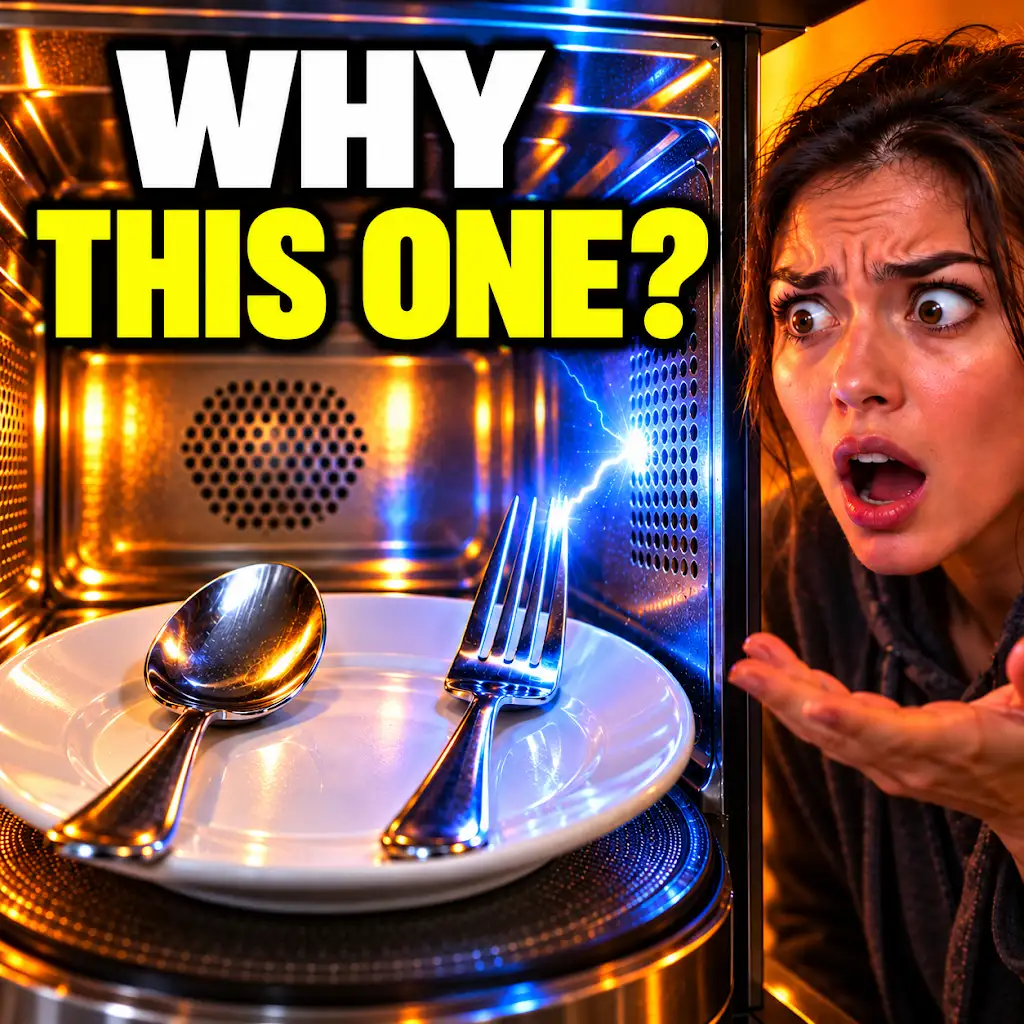
A Fork and a Spoon React Differently in a Microwave. Why?
FAQs
1. Why is there metal inside a microwave?
Metal is often found inside a microwave in the form of the metal mesh on the door and the metal fan inside the oven. The metal mesh on the door is designed to prevent microwaves from escaping, while the metal fan helps to circulate air and keep the microwave cool during operation.
2. Is it safe to have metal inside a microwave?
Having metal inside a microwave is generally safe as long as it is designed and placed properly. The metal mesh on the door and the metal fan inside the oven are specifically designed to be safe for use in a microwave. However, it is important to avoid putting any other metal objects, such as aluminum foil or metal utensils, inside a microwave as they can cause sparks and potentially damage the appliance.
3. What happens if you put metal in a microwave?
Putting metal objects, such as aluminum foil or metal utensils, inside a microwave can cause sparks, arcing, and potentially damage the appliance. This is because metal reflects microwaves, which can lead to a buildup of electrical currents and heat, resulting in sparks and potential fire hazards.
4. Can you put metal containers in a microwave?
It is generally not recommended to put metal containers in a microwave, as they can cause sparks and potentially damage the appliance. It is best to use microwave-safe containers made of glass, ceramic, or microwave-safe plastic for heating and cooking food in a microwave.
5. How does the metal mesh on the microwave door work?
The metal mesh on the microwave door is designed to block the passage of microwaves while allowing visible light to pass through. This helps to contain the microwaves inside the oven while allowing users to see the food inside. The size and spacing of the holes in the mesh are carefully designed to achieve this balance of blocking microwaves and allowing visible light to pass through.