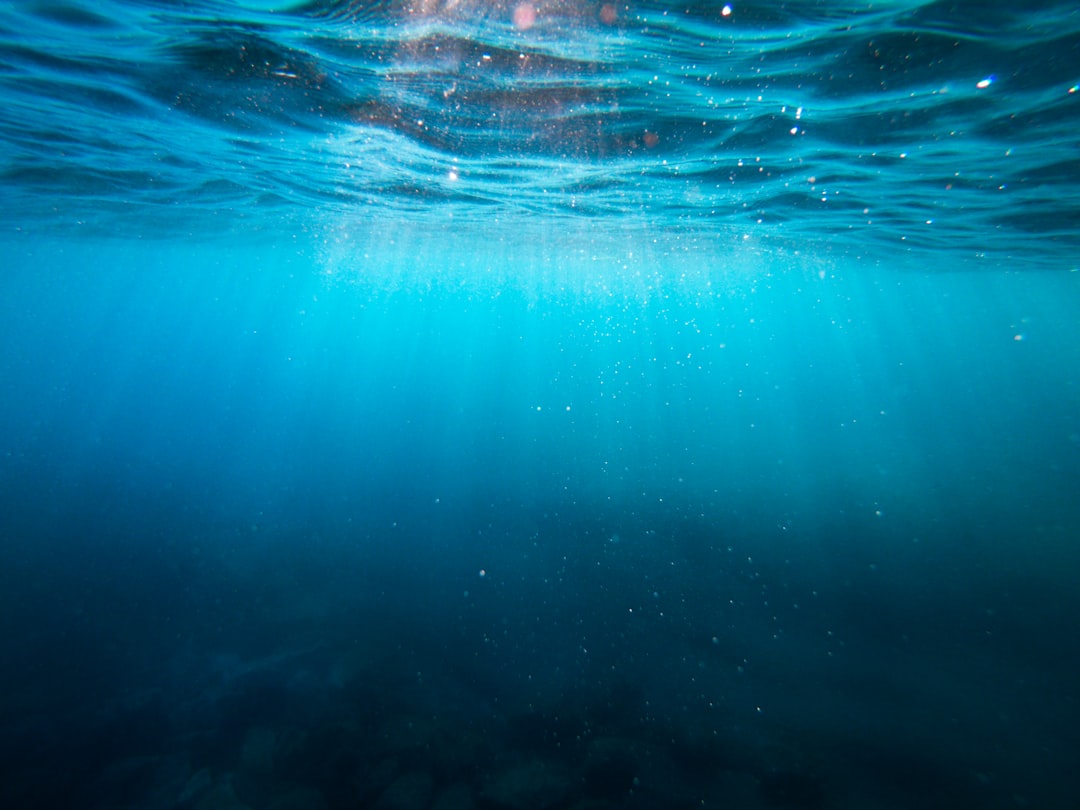
The abyss, a realm of perpetual twilight and crushing pressure, remains one of Earth’s most enigmatic frontiers. Sunlight, the lifeblood of the surface world, fades into obscurity just a few hundred meters down, giving way to a kingdom ruled by darkness, frigid temperatures, and adaptations so alien they seem plucked from the pages of science fiction. This is the deep ocean, a vast and intricate ecosystem that functions under principles fundamentally different from those we experience every day. Its workings are a testament to the resilience and ingenuity of life, a constant source of scientific wonder, and a critical component of our planet’s overall health.
The dominant force shaping life and processes in the deep ocean is undoubtedly pressure. As one descends, the weight of the water column above increases dramatically. This isn’t a gentle squeeze; it’s a relentless, all-encompassing force that would instantly crush any organism not specifically adapted to it. Understanding this pressure is fundamental to comprehending the unique biology and geology of the deep sea.
The Incremental Increase of Hydrostatic Pressure
For every ten meters of depth, the pressure increases by approximately one atmosphere (atm). So, at 100 meters, the pressure is 10 atm, and at 1,000 meters, it’s a staggering 100 atm. By the time one reaches the Challenger Deep in the Mariana Trench, the deepest known point at nearly 11,000 meters, the pressure is over 1,100 atm – equivalent to having 50 jumbo jets stacked on top of you.
Physiological Adaptations to High Pressure
Life in the deep ocean has evolved remarkable physiological strategies to cope with these extreme pressures.
Cellular Integrity and Fluid Dynamics
At the cellular level, organisms achieve pressure tolerance through several mechanisms. Many deep-sea creatures have high concentrations of organic osmolytes, such as trimethylamine N-oxide (TMAO), within their cells. These molecules act as counter-pressure agents, stabilizing proteins and membranes against the disruptive forces of high pressure, preventing them from denaturing. Furthermore, their bodily fluids are often incompressible, and their tissues are largely composed of water, further mitigating the crushing effect.
Skeletal and Structural Modifications
The rigid skeletons of terrestrial animals would be rendered useless and crushed in the deep sea. Instead, many deep-sea organisms possess gelatinous bodies with minimal hard structures. Their skeletons, if present, are often reduced or cartilaginous, offering flexibility rather than rigidity. This allows them to yield to the pressure rather than resist it, preventing structural failure.
The Absence of Gas-Filled Spaces
A critical adaptation is the near-complete absence of gas-filled spaces in deep-sea organisms. Lungs, swim bladders, or air pockets would be compressed to negligible volumes under extreme pressure, leading to immediate death. Deep-sea fish, for instance, lack swim bladders. Their buoyancy is regulated by the lipid content of their tissues and the density of their bodies.
The deep ocean is a fascinating and complex environment that plays a crucial role in regulating Earth’s climate and supporting diverse marine life. For those interested in exploring how the deep ocean works, a related article can be found at Freaky Science, which delves into the intricacies of ocean currents, pressure, and the unique adaptations of organisms that thrive in such extreme conditions. This resource provides valuable insights into the importance of the deep ocean in our planet’s ecosystem.
The Perpetual Darkness: Navigating by Other Senses
Beyond the mesopelagic zone (roughly 200 to 1,000 meters), sunlight ceases to penetrate. This “midnight zone” is a realm of absolute darkness, where vision as we understand it is largely irrelevant. Life here has evolved an array of sophisticated adaptations to perceive and interact with its environment in the absence of light.
Bioluminescence: The Living Light Show
Bioluminescence, the production and emission of light by living organisms, is a widespread phenomenon in the deep sea. It serves a multitude of purposes, from communication and predation to defense and camouflage.
Predation and Luring Prey
Many deep-sea predators use bioluminescent lures to attract unsuspecting prey. The anglerfish, with its characteristic esca—a fleshy appendage extending from its head that emits light—is a prime example. This glowing lure dances in the darkness, mimicking small prey or simply drawing curious creatures closer before the predator strikes.
Defense and Evasion
Bioluminescence can also be used defensively. Some organisms can release clouds of luminous particles to startle or distract predators, allowing for escape. Others possess photophores that can flash bright lights to temporarily blind an attacker, creating an opportunity to flee. The “burglar alarm” hypothesis suggests that some organisms bioluminesce when attacked, attracting larger predators that may prey on the initial attacker.
Communication and Mating
In a world without visual cues, bioluminescence can play a critical role in communication, particularly for mating. Different species may have unique flashing patterns or colors that allow them to identify and attract conspecifics.
Enhanced Sensory Systems Beyond Vision
With vision diminished or absent, other senses become paramount for survival in the deep sea.
Chemoreception: Tasting the Water
The ability to detect chemical cues in the water, known as chemoreception, is highly developed in deep-sea organisms. They can detect minute concentrations of dissolved substances released by prey, potential mates, or predators. This allows them to navigate, find food, and avoid danger in the vast, dark expanse.
Mechanoreception: Feeling the Vibrations
Mechanoreception, the sense of touch and vibration, is crucial for detecting movement in the water. Many deep-sea creatures possess lateral lines or other sensory systems that can detect subtle pressure changes and vibrations, allowing them to sense approaching prey or predators, or to navigate around obstacles.
Electrosensation: Detecting Hidden Life
Some deep-sea organisms possess electroreceptors, allowing them to detect the weak electrical fields generated by the muscle activity of other living creatures. This sense is particularly useful for detecting prey that is hidden in the sediment or lurking in the darkness.
The Sparse Food Web: Scarcity and Ingenuity
The deep ocean is characterized by a scarcity of food. Unlike the sun-drenched surface waters teeming with photosynthetic life, the majority of the deep-sea food web relies on organic matter that drifts down from above – a phenomenon known as “marine snow.” This limited input necessitates a highly efficient and often unusual approach to feeding and energy conservation.
Marine Snow: The Foundation of the Deep-Sea Diet
Marine snow is a continuous shower of organic detritus, including dead plankton, fecal pellets, and remnants of larger organisms, that sinks from the upper layers of the ocean. This seemingly insubstantial material forms the base of the food web for many deep-sea creatures.
Filter Feeders and Detritivores
Many deep-sea organisms are filter feeders or detritivores, patiently sifting through the falling detritus for sustenance. They have specialized appendages or mouthparts designed to efficiently capture these small particles.
Scavengers and Opportunism
Larger carcasses, such as whales or large fish, that occasionally sink to the ocean floor provide a significant food bonanza for scavengers. These “whale falls” can support complex ecosystems for decades, attracting a diverse array of specialized scavengers. This opportunistic feeding strategy is vital in an environment where consistent food sources are rare.
Extreme Adaptations for Energy Conservation
Given the limited food availability, deep-sea organisms have evolved remarkable strategies for conserving energy.
Slow Metabolism and Growth Rates
Many deep-sea creatures exhibit extremely slow metabolic rates and growth rates. They move slowly, forage infrequently, and can survive for long periods without food. This conserves vital energy reserves.
Infrequent Feeding and Large Meals
Instead of continuous grazing, many deep-sea predators specialize in infrequent, large meals. This often involves ambush predation, where they lie in wait for prey and then consume it whole, maximizing the energy gain from each successful hunt.
Specialized Diet and Efficient Digestion
Some deep-sea organisms have evolved highly specialized diets, focusing on specific types of food that are readily available. Their digestive systems are also incredibly efficient, extracting the maximum possible nutrients from the limited food they consume.
The Geothermal oases: Hydrothermal Vents and Cold Seeps
In stark contrast to the general scarcity of nutrients, pockets of extraordinary biological richness exist in the deep ocean: hydrothermal vents and cold seeps. These unique geological features provide chemical energy and nutrients, supporting vibrant ecosystems that are independent of sunlight.
Hydrothermal Vents: Life at the Earth’s Fiery Core
Hydrothermal vents are fissures in the seafloor, often found along mid-ocean ridges, where superheated, mineral-rich water erupts from the Earth’s crust. These vents create oases of life in the otherwise desolate deep sea.
Chemosynthesis: The Power of Chemicals
The primary producers at hydrothermal vents are not plants, but chemosynthetic bacteria. These microscopic organisms derive energy from chemical reactions involving hydrogen sulfide and other compounds released by the vents, rather than from sunlight.
Tube Worms and Other Vent Fauna
These chemosynthetic bacteria form the base of a unique food web, supporting specialized organisms like giant tube worms (Riftia pachyptila) that can grow to be several meters long. These worms have no mouth or digestive system, relying entirely on symbiotic bacteria within their bodies to convert the vent chemicals into energy. Other inhabitants include specialized clams, mussels, shrimp, and crabs, all adapted to the extreme chemical and thermal conditions.
Cold Seeps: Gentle Flows of Life
Cold seeps are areas where methane and other hydrocarbons are released from the seafloor at ambient temperatures, a stark contrast to the heat of hydrothermal vents. While less geothermally active, they also support rich chemosynthetic communities.
Methane-Fueled Ecosystems
Methane-oxidizing bacteria are the foundation of cold seep ecosystems. They consume methane and other hydrocarbons, providing organic matter for mussels, clams, and other invertebrates that thrive in these environments.
Unique Species and Biodiversity Hotspots
Both hydrothermal vents and cold seeps harbor a high degree of endemism, with many species found nowhere else on Earth. These areas represent important biodiversity hotspots and are crucial for understanding the limits and possibilities of life.
The deep ocean is a fascinating and complex environment that plays a crucial role in regulating the Earth’s climate and supporting diverse marine life. For those interested in exploring this topic further, a related article can provide valuable insights into the unique processes that govern the deep sea ecosystem. You can read more about these intricate dynamics in the article found at Freaky Science, which delves into the mysteries of ocean currents, pressure, and the organisms that thrive in such extreme conditions.
The Frontier of Exploration: Unveiling the Deep
| Aspect | Description |
|---|---|
| Pressure | The deep ocean experiences extreme pressure due to the weight of the water above it. |
| Temperature | The deep ocean is characterized by low temperatures, often near freezing point. |
| Marine Life | Many unique and diverse species of marine life thrive in the deep ocean, adapted to the extreme conditions. |
| Hydrothermal Vents | These vents release mineral-rich, superheated water, supporting unique ecosystems and chemical processes. |
| Deep Sea Currents | Deep ocean currents play a crucial role in global climate regulation and nutrient distribution. |
Despite our technological advancements, the deep ocean remains a largely unexplored realm. The challenges of access, pressure, and darkness make exploration a costly and arduous endeavor, but the scientific rewards are immense.
Technological Innovations for Deep-Sea Exploration
The ability to explore the deep ocean relies on sophisticated technologies.
Remotely Operated Vehicles (ROVs) and Autonomous Underwater Vehicles (AUVs)
ROVs are uncrewed submersible robots tethered to a surface ship, allowing for real-time control and data transmission. AUVs, on the other hand, are uncrewed and untethered, programmed to follow pre-determined routes and collect data autonomously. Both are invaluable tools for visual surveys, sample collection, and in-situ measurements.
Submersibles and Human Exploration
Manned submersibles, like Alvin, offer a unique human perspective on the deep-sea environment. While limited in their dive duration and depth compared to ROVs, they allow for direct observation and interaction with the environment by trained scientists.
Advanced Sonar and Imaging Technologies
Sophisticated sonar systems and advanced imaging technologies enable mapping of the seafloor, detection of geological features, and even the identification of biological aggregations in the deep ocean.
Unanswered Questions and Future Discoveries
Every deep-sea expedition reveals new species, unexpected behaviors, and novel biological processes. The deep ocean is a living laboratory, holding clues to the origins of life, the potential for life on other planets, and the intricate workings of Earth’s climate system.
The Search for Novel Biochemicals and Pharmaceuticals
The unique adaptations of deep-sea organisms have led to the discovery of novel biochemicals with potential applications in medicine and industry. Enzymes that function under extreme conditions, for example, can be valuable in various industrial processes.
Understanding Deep-Sea Carbon Cycling
The deep ocean plays a crucial role in regulating Earth’s climate by absorbing and storing vast amounts of carbon dioxide. Understanding the processes of carbon cycling in the deep sea is vital for predicting and mitigating climate change.
The Potential for Life Beyond Earth
The existence of life in extreme environments like hydrothermal vents has fueled speculation about the possibility of life on other planets, particularly on icy moons like Europa or Enceladus, which are thought to harbor subsurface oceans.
The mysterious depths of the ocean continue to beckon, a vast and pulsating heart of our planet that operates on principles that constantly challenge our understanding. From the crushing embrace of pressure to the ethereal glow of bioluminescence, from the scarcity of sustenance to the vibrant communities fueled by geothermal energy, the deep ocean is a testament to life’s extraordinary adaptability. As technology advances and our curiosity deepens, the secrets of this alien world will undoubtedly continue to unfold, offering invaluable insights into the planet we inhabit and perhaps even the universe beyond.

The Secret Ocean Layer That Lets Sound Travel for Thousands of Miles
FAQs
What is the deep ocean?
The deep ocean refers to the part of the ocean that is below the photic zone, where sunlight cannot penetrate. It is characterized by high pressure, low temperatures, and complete darkness.
How does the deep ocean work?
The deep ocean is driven by a complex system of currents, including thermohaline circulation, which is driven by differences in water temperature and salinity. These currents play a crucial role in distributing heat and nutrients around the globe.
What kind of life exists in the deep ocean?
The deep ocean is home to a wide variety of unique and often bizarre creatures, including deep-sea fish, giant squid, bioluminescent organisms, and hydrothermal vent communities. These organisms have adapted to survive in extreme conditions, such as high pressure and limited food sources.
How is the deep ocean explored?
Exploring the deep ocean is challenging due to its depth and pressure. Scientists use a variety of technologies, such as remotely operated vehicles (ROVs), autonomous underwater vehicles (AUVs), and manned submersibles to study and document the deep ocean environment.
Why is the deep ocean important?
The deep ocean plays a crucial role in regulating Earth’s climate, storing carbon dioxide, and supporting a diverse array of marine life. It also holds potential for valuable resources such as minerals and pharmaceutical compounds. Understanding how the deep ocean works is essential for preserving its delicate ecosystems and harnessing its potential benefits.