
You are the conductor of an orchestra you barely understand, a maestro whose every subtle gesture sends ripples through a vast, complex structure. That structure, your nervous system, orchestrates everything you are – your thoughts, your feelings, your very existence. It’s an intricate dance, a constant barrage of electrical and chemical signals, each one a note in a symphony that plays out within you every second of your life. This is the story of that dance.
Imagine your brain. It’s not a static organ, but a dynamic nexus, a sprawling metropolis of interconnected neurons, receiving, processing, and transmitting information at blinding speed. This is where the baton is raised, where the initial cues for every action, thought, and sensation originate.
The Cerebrum: The Architect of Thought and Action
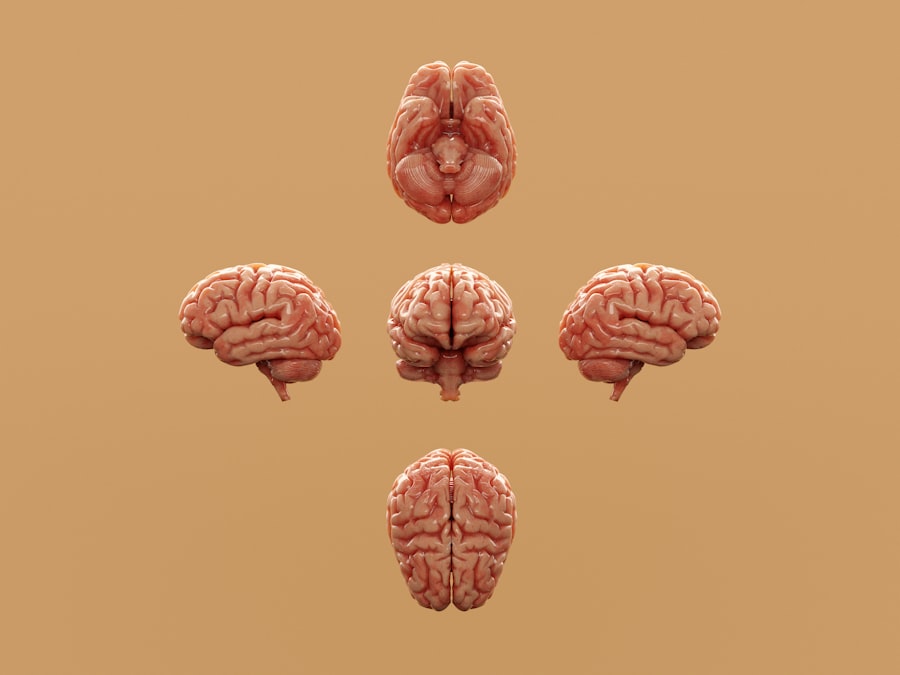
Foremost in this control center is the cerebrum, the largest part of your brain, responsible for your higher cognitive functions. It’s a folded, majestic landscape, divided into two hemispheres, each specializing in different tasks, yet constantly communicating. This is where your conscious awareness resides, the birthplace of your deepest desires and your most fleeting whims.
The Lobes: Specialized Sections of Genius
Within the cerebrum, you find four distinct lobes, each a virtuoso in its own right. The frontal lobe, sitting right behind your forehead, is your executive director. It’s responsible for planning, decision-making, problem-solving, and your personality. When you decide to read this article, it’s your frontal lobe at work, assessing the information and initiating the process of understanding. It’s also the seat of your impulse control, a crucial element in navigating the complexities of social interaction.
The parietal lobe, perched at the top and back of your head, is your sensory integrator. It takes in information from your skin – touch, temperature, pain, pressure – and helps you understand your body’s position in space. When you feel the warmth of the sun on your skin or the texture of this paper, it’s your parietal lobe interpreting those signals, allowing you to interact with the physical world around you. Without it, you’d be adrift, unaware of your own physical presence.
The temporal lobe, nestled behind your temples, is your auditory processing center and plays a vital role in memory formation. It’s where you decode the sounds you hear, recognizing voices, understanding language, and enjoying music. It’s also crucial for forming new memories, helping you recall past experiences and learn from them. Think of all the songs you remember, all the conversations you’ve had – your temporal lobe is the librarian of those auditory journeys.
Finally, the occipital lobe, located at the very back of your brain, is your visual processing hub. This is where the magic of sight happens, transforming light patterns into the vibrant images you perceive. When you see the words on this page, the colors of your surroundings, or the face of a loved one, it’s your occipital lobe conjuring that visual reality.
The Cerebellum: The Master of Coordination and Balance
Beneath the cerebrum, and often overlooked in its grandeur, lies the cerebellum. Think of it as your body’s meticulous choreographer, responsible for fine-tuning your movements, maintaining your balance, and ensuring smooth, coordinated actions. When you walk, run, or even just sit upright, your cerebellum is working tirelessly, making micro-adjustments to your muscles to keep you stable and in control. It learns through practice, refining your motor skills until they become second nature. That skill of riding a bike or playing a musical instrument is a testament to its impressive learning capabilities.
The Brainstem: The Life Support System
At the base of your brain, connecting it to your spinal cord, is the brainstem. This ancient part of your brain is the silent guardian of your vital functions, the unsung hero that keeps you alive. It controls the most fundamental aspects of your existence: your breathing, your heart rate, your digestion, and your sleep-wake cycles. You don’t consciously think about breathing, yet your brainstem ensures it happens effortlessly, a constant, rhythmic pulse of life. It’s the ultimate survival mechanism, ensuring your essential bodily processes continue without your direct intervention.
The nervous system is a complex network that plays a crucial role in coordinating and regulating bodily functions. For a deeper understanding of how this intricate system operates, you can explore a related article that delves into the various components and functions of the nervous system. This resource provides valuable insights into the mechanisms of neural communication and the impact of the nervous system on overall health. To read more, visit this article.
The Spinal Cord: The Information Superhighway
Now, extend your gaze from the brain down your back. The spinal cord is your central communication highway, a thick bundle of nerves that acts as the primary conduit for information traveling between your brain and the rest of your body. It’s not just a passive cable; it’s an active participant in relaying messages, and in some cases, even initiating reflexes.
Sensory Input: The Body’s Whispers to the Brain
Imagine your body is a vast network of sensors. Everywhere you have skin, you have receptors for touch, temperature, pain, and pressure. These receptors are constantly sending signals, like tiny whispers, up through the peripheral nervous system to your spinal cord. If you accidentally touch a hot stove, those pain receptors fire immediately, sending a frantic message along the spinal cord to your brain. This is the sensory input, the constant stream of information that allows you to perceive your environment.
Motor Output: The Brain’s Commands to the Muscles
Conversely, when your brain decides to move, it sends commands down the spinal cord. These signals travel like urgent dispatches to your muscles, telling them when to contract and relax. From the slightest twitch of your finger to the powerful stride of your legs, these motor commands ensure your body moves in response to your brain’s intentions. It’s the brain’s way of dictating the choreography, with the spinal cord ensuring the dancers (your muscles) receive the instructions.
Reflexes: The Body’s Built-in Emergency System
One of the most fascinating aspects of the spinal cord is its role in reflexes. These are rapid, involuntary responses to stimuli that bypass the brain for speed. Think about pulling your hand away from a sharp object before you even consciously feel pain. That’s a spinal reflex. The sensory signal travels to the spinal cord, which immediately sends a motor command back to your muscles to contract, all before the signal even reaches your brain for conscious processing. It’s a life-saving mechanism, a built-in emergency response that protects you from harm. It’s the body’s instinctual reaction, a testament to the efficiency of this incredible system.
The Peripheral Nervous System: Your Body’s Extensive Network

Branching out from your brain and spinal cord is the vast and intricate network of your peripheral nervous system (PNS). This is your body’s extensive communication web, reaching every nook and cranny, connecting your central nervous system (CNS) to your limbs, organs, and skin. Think of it as the intricate wiring of a complex machine, ensuring every component receives and transmits signals effectively.
Somatic Nervous System: The Voluntary Control Crew
Within the PNS, you have the somatic nervous system. This is the part that you consciously control. It’s responsible for voluntary movements – picking up a cup, typing on a keyboard, speaking. When you decide to perform these actions, your brain sends signals through the spinal cord and then via the somatic nervous system to the specific muscles you need to use. You are fully in charge here, making conscious decisions about your body’s movements.
Autonomic Nervous System: The Unseen Manager
Then there’s the autonomic nervous system (ANS), the maestro of your involuntary actions. This is the part that operates without your conscious thought, managing the crucial functions of your internal organs. It’s divided into two complementary branches, each with its own distinct role.
The Sympathetic Nervous System: The “Fight or Flight” Responder
When you encounter a stressful situation, your sympathetic nervous system kicks into high gear. This is your “fight or flight” response. Your heart rate increases, your pupils dilate, your breathing quickens, and blood is diverted to your muscles – all preparing you to either confront or escape a threat. It’s a powerful surge of energy designed for immediate survival. Think of it as your body’s alarm system, ready to activate when danger is perceived.
The Parasympathetic Nervous System: The “Rest and Digest” Regulator
In contrast, your parasympathetic nervous system acts as your “rest and digest” regulator. Once the perceived threat has passed, it calms your body down, slowing your heart rate, constricting your pupils, and promoting digestion. This is the system that allows you to relax, recover, and process the food you eat. It’s the counterbalance to the sympathetic system, ensuring your body returns to a state of equilibrium. It’s crucial for your overall well-being and recovery.
Neurons: The Tiny Messengers of the System
At the heart of this entire intricate dance are the neurons, the fundamental building blocks of your nervous system. These are specialized cells, designed for a single purpose: to transmit information through electrical and chemical signals. Imagine them as miles and miles of tiny, interconnected wires, each carrying a vital message.
The Anatomy of a Neuron: A Specialized Design
Each neuron has a unique structure designed for its function. It has a cell body (soma) containing the nucleus, dendrites that receive signals from other neurons, and an axon that transmits signals to other neurons or target cells. The axon is often covered in a myelin sheath, a fatty layer that acts like insulation, allowing electrical signals to travel much faster. Think of dendrites as the antennae, picking up signals, and the axon as the transmission cable.
The Action Potential: The Electrical Spark
When a neuron receives enough stimulation, it fires an electrical impulse called an action potential. This is a brief, rapid change in the electrical charge across the neuron’s membrane. It’s like a tiny spark, traveling down the axon at incredible speeds. This electrical signal is the primary way information is transmitted within a neuron. It’s a rapid, all-or-nothing event – the neuron either fires or it doesn’t.
Synaptic Transmission: The Chemical Relay Race
At the end of the axon, there’s a small gap called a synapse. Here, the electrical signal is converted into a chemical signal. The neuron releases neurotransmitters – chemical messengers – into the synapse. These neurotransmitters then bind to receptors on the next neuron, either exciting it (making it more likely to fire) or inhibiting it (making it less likely to fire). This chemical relay is crucial for communication between neurons. It’s a sophisticated system, allowing for a vast array of communication possibilities.
The intricate workings of the nervous system are essential for our understanding of how the body communicates and responds to various stimuli. For those interested in delving deeper into this fascinating topic, a related article can be found on Freaky Science, which explores the complexities of neural pathways and their impact on behavior. You can read more about it in this insightful piece on Freaky Science. Understanding these mechanisms not only enhances our knowledge of biology but also sheds light on various neurological disorders that can affect human health.
The Intricacies of Perception and Cognition: How You Experience the World
| Aspect | Description |
|---|---|
| Nervous System | The network of nerve cells and fibers that transmits nerve impulses between parts of the body. |
| Neurons | Specialized cells that transmit information in the form of electrical signals. |
| Synapse | The junction between two neurons where communication occurs. |
| Neurotransmitters | Chemicals that transmit signals across the synapse from one neuron to another. |
| Central Nervous System | Consists of the brain and spinal cord, responsible for processing and integrating information. |
| Peripheral Nervous System | Consists of nerves outside the brain and spinal cord, responsible for transmitting information to and from the central nervous system. |
Your nervous system isn’t just about movement and basic bodily functions; it’s also the architect of your subjective experience. It builds the world you perceive, shapes your thoughts, and stores your memories.
Sensory Transduction: Turning Stimuli into Signals
When light hits your eyes, sound waves enter your ears, or a molecule touches your tongue, specialized sensory receptors convert these physical stimuli into electrical signals that your nervous system can understand. This process is called sensory transduction. Your eyes’ photoreceptor cells convert light into electrical impulses, your ears’ hair cells convert vibrations into nerve signals, and your taste buds translate chemical compounds into electrical messages. It’s the first step in your brain’s ability to interpret the world.
Neural Pathways: The Routes of Information
These electrical signals then travel along specific neural pathways to different areas of your brain for processing. Visual information travels to the occipital lobe, auditory information to the temporal lobe, and so on. These pathways are not fixed; they are dynamic and can be modified through experience, a phenomenon known as neuroplasticity. It’s how you learn and adapt to new information.
Memory Formation and Retrieval: The Archives of Experience
Your brain’s ability to form and retrieve memories is a testament to the intricate workings of your nervous system. Different types of memories are processed and stored in various brain regions. Short-term memories might be held in your prefrontal cortex, while long-term memories are consolidated and stored in areas like the hippocampus. When you recall a memory, neural pathways are reactivated, bringing that past experience back into your awareness. It’s a continuous process of encoding, storage, and retrieval.
The dance of your nervous system is a constant, complex ballet of electrical and chemical signals. From the grand conductor of your brain to the tiniest neuron, each component plays a vital role in orchestrating your life. Understanding this intricate dance is not just an academic pursuit; it’s a journey into the very essence of who you are, how you experience the world, and the incredible power that resides within you.

The Hidden Sense Inside Your Gut
FAQs
What is the nervous system?
The nervous system is a complex network of nerves and cells that transmit signals between different parts of the body. It is responsible for coordinating and controlling bodily functions and processes.
What are the main components of the nervous system?
The nervous system is divided into two main parts: the central nervous system (CNS), which includes the brain and spinal cord, and the peripheral nervous system (PNS), which includes all the nerves outside of the CNS.
How does the nervous system transmit signals?
The nervous system transmits signals through a combination of electrical and chemical processes. Nerve cells, or neurons, communicate with each other through electrical impulses and the release of neurotransmitters.
What are the functions of the nervous system?
The nervous system controls and regulates all bodily functions, including movement, sensation, thought processes, and the regulation of internal organs. It also plays a crucial role in the body’s response to external stimuli and the coordination of voluntary and involuntary actions.
What are some common disorders of the nervous system?
Some common disorders of the nervous system include Alzheimer’s disease, Parkinson’s disease, multiple sclerosis, epilepsy, and stroke. These disorders can affect various aspects of nervous system function, leading to a wide range of symptoms and complications.