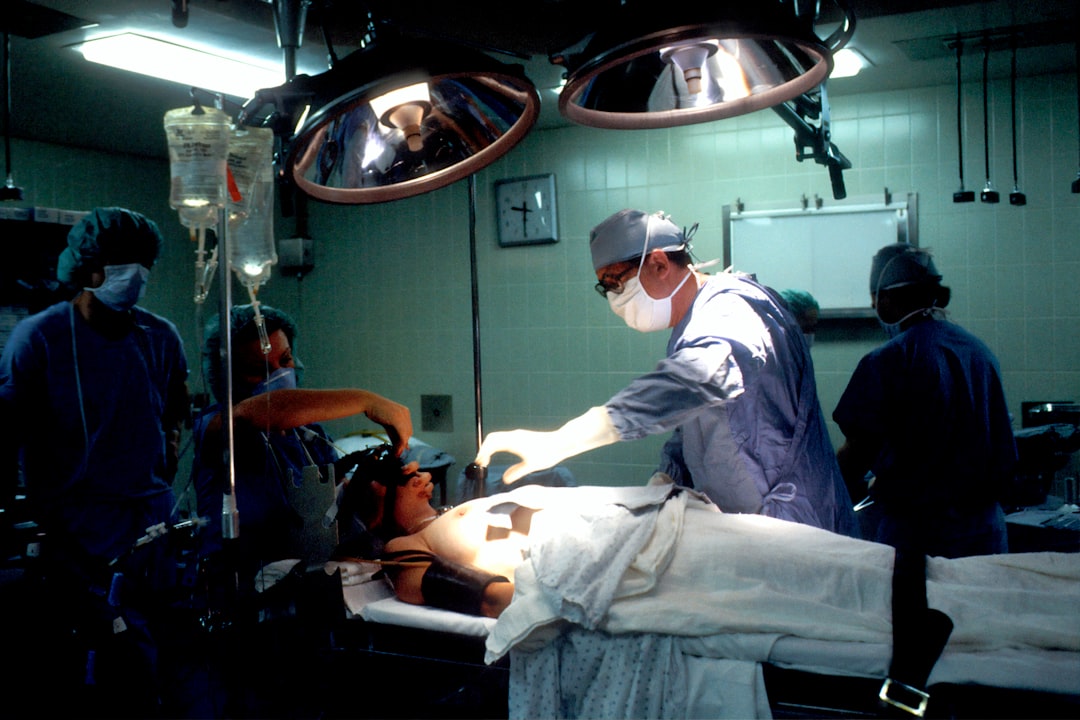
You’re floating. It’s a gentle, formless drift, like a dandelion seed caught on a warm breeze. There’s no up, no down, no pressure, no pain. Just… being. Then, without a whisper of warning, the anchor drops.
You don’t ease back into consciousness. There’s no slow, flickering return of thought. One moment, you are a void, a peaceful, unburdened nothingness. The next, you are you, fully formed, with a rush of sensation and thought that is as jarring as it is profound. It’s an instantaneous leap from oblivion to existence, a teleportation from dreamless sleep to the stark reality of your surroundings. You haven’t had time to prepare, to adjust, to even register that you were asleep. The transition is so abrupt that it often leaves you disoriented, a bewildered castaway washed ashore without memory of the storm.
The Absence of Transition
The most striking aspect of waking from anesthesia is the sheer lack of a liminal space. You don’t recall the gradual fading of awareness, the deepening of sleep. It’s as if an entire chapter of your existence has been excised, leaving a perfect, unblemished blank. This isn’t like waking from a normal night’s sleep, where you might feel the grogginess, the lingering dreams, the slow reassembly of your thoughts. With anesthesia, the switch is flipped from off to on with an alarming finality. You are simply there, and the absence of any preparatory sensation is what makes the return so startling. It’s a temporal anomaly, a glitch in your personal timeline.
The Phantom Limb of Consciousness
You might find yourself reaching for a sensation that isn’t there, a phantom limb of your pre-anesthetic self. You expect to feel the ache of the procedure, the dryness of your mouth, the dull throb of your body. But these sensations, if they exist at all, are muted, distant echoes, overshadowed by the overwhelming sensation of simply being awake. It’s as if your mind is still calibrating, trying to reacquaint itself with the familiar signals of your body after a period of complete sensory blackout. This disconnect can be unnerving, as if you’re inhabiting a body that is still catching up with your consciousness.
The Uninvited Arrival
Waking from anesthesia feels less like emerging from sleep and more like being abruptly shoved into existence. There’s a sense of intrusion, of your consciousness being forcibly reinstated without your consent or preparation. It’s the ultimate interruption, a rude awakening from a state of perfect peace. You were not consulted, not given a moment’s notice. You are simply back, and the sheer abruptness of it can leave you feeling vulnerable, like a startled deer caught in headlights.
Waking from anesthesia often feels instantaneous to many patients, a phenomenon that has intrigued both medical professionals and researchers alike. This sensation can be attributed to the way anesthetics affect the brain’s neural pathways, leading to a rapid transition from unconsciousness to awareness. For a deeper understanding of this topic, you can explore a related article that discusses the science behind anesthesia and consciousness at Freaky Science.
The Sensory Overload of Re-Entry
Once the initial shock subsides, the world floods in. It’s not a gentle trickle; it’s a tidal wave. Every sound, every smell, every touch, even the faintest breeze, assaults your senses with an intensity that can be overwhelming. Your body, having been insulated from all external stimuli, is now a hyper-sensitive receiver, picking up signals with an almost painful clarity. The beeping of machines, the hushed voices of medical staff, the sterile scent of the hospital – all of it rushes in, demanding your immediate attention.
The Unfamiliar Landscape of Your Body
Your body, too, feels alien. You might be acutely aware of every stitch, every bandage, every subtle ache. It’s as if you’ve met your own body for the first time. The familiar landscape of your skin, your limbs, your organs, is now a territory to be explored, to be understood anew. The phantom sensations you might have anticipated are often replaced by a sharp, focused awareness of the reality of your physical state. You are not just a mind; you are a body, and that body is undeniably present, sometimes in ways that are uncomfortable or even alarming.
The Symphony of Hospital Sounds
The sounds of the hospital, usually a background hum, become a complex symphony when you are newly awake. Each beep of a monitor, each rustle of paper, each distant footstep, is amplified. You might find yourself focusing on these sounds, trying to decipher their meaning, to understand where you are and what is happening. The silence that preceded your awakening makes this auditory re-entry particularly potent. It’s as if you’ve been living in a soundproof room and the doors have suddenly been flung open.
The Sharpness of Vision
Your vision might also be affected. Lights might seem brighter, colors more vivid. Your eyes, accustomed to the darkness of unconsciousness, are now struggling to adjust to the visual stimuli of the recovery room. The faces of the medical staff, often the first human visages you see, can appear blurred or distorted as your sight recalibrates. It’s a visual jolt, a rapid re-education of your optical nerves.
The Disorientation and Confusion
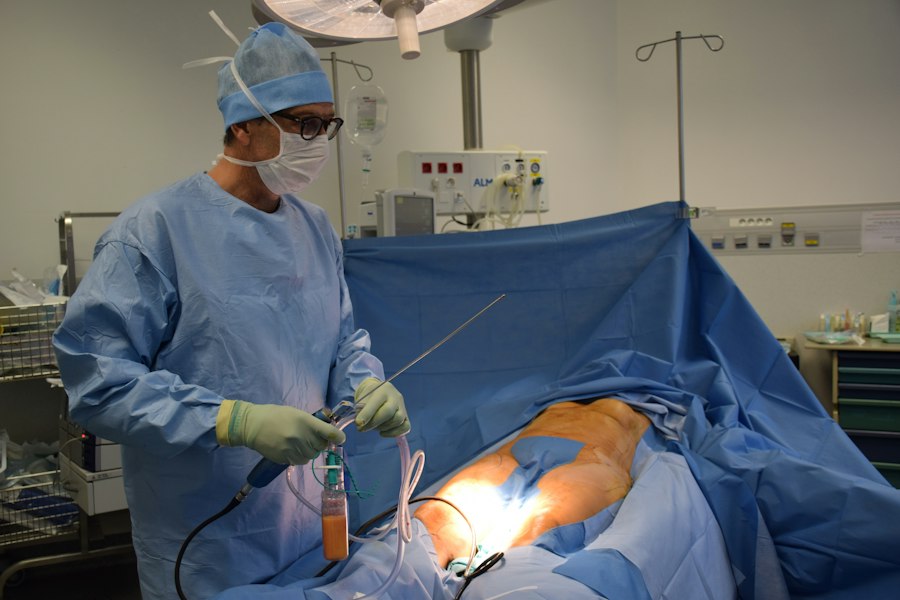
The instantaneous nature of waking from anesthesia often leads to a profound sense of disorientation and confusion. Your sense of time is warped, your memory fragmented. You might struggle to recall what happened, why you are there, or even who you are for a fleeting moment. This mental fog is a natural consequence of the brain being abruptly jolted back into activity after a period of chemical suppression.
The Temporal Glitch
Time, the relentless march of moments, becomes a slippery concept. You have no recollection of the hours that have passed, the events that have transpired. You might feel as though you were only just speaking to the anesthesiologist, or that you blinked and are now awake. This temporal disconnect can be deeply unsettling, leaving you feeling as though you’ve stepped out of sync with the world. The normal progression of cause and effect is temporarily suspended, leaving you adrift in a sea of present moments.
The Muddled Memories
Your memories of the period leading up to and during anesthesia are often hazy or entirely absent. You might have fragmented images, snippets of conversations, or the lingering feeling of a specific emotion, but the coherent narrative is gone. This amnesia is a protective mechanism, preventing the potentially disturbing recall of being unconscious or undergoing a procedure. However, it also adds to the confusion, leaving you with gaps in your personal history.
The Identity Crisis, However Fleeting
In those initial moments, you might experience a fleeting identity crisis. The abrupt return to awareness, coupled with the disorientation, can make it difficult to grasp who you are. You are aware of your existence, but the contextual details that anchor your identity might feel obscured. It’s a stark reminder of how much our sense of self is tied to our conscious experience and our memories.
The Lingering Effects and Gradual Reintegration

While the initial awakening is instantaneous, the process of fully reintegrating into your normal state of being is gradual. The lingering effects of the anesthesia can manifest in various ways, affecting your cognition, your emotions, and your physical well-being. Your body and mind need time to shake off the chemical fog and re-establish their normal functions.
The Cognitive Lag
Your thinking might feel slower, your focus less sharp. Complex tasks that would normally be effortless can feel like climbing a mountain. This cognitive lag is a common side effect, as your brain slowly works to clear the anesthetic agents and re-establish neural pathways. You might find yourself searching for words, struggling to follow conversations, or making simple mistakes. Patience is key during this period.
The Emotional Rollercoaster
The emotional landscape after anesthesia can be unpredictable. You might experience bursts of euphoria, followed by periods of irritability or even tearfulness. These mood swings are often attributed to the hormonal and neurological shifts that occur as your body recovers. The stress of the procedure, combined with the physiological impact of the anesthetic, can create a volatile emotional environment.
The Physical Aches and Pains
While you may not have felt pain during the procedure, the aftermath can bring its own set of physical discomforts. Aches, soreness, and a general feeling of fatigue are common. Your body has undergone a significant event, and it needs time to heal and recover. These physical sensations, though sometimes unwelcome, are a sign that your body is returning to its normal state.
Waking from anesthesia often feels instantaneous due to the rapid onset of consciousness as the effects of the anesthetic drugs wear off. This phenomenon can be further understood by exploring related research on the brain’s response to anesthesia, which highlights how the brain transitions between different states of awareness. For a deeper insight into this topic, you can read more in the article found here. Understanding these mechanisms can help demystify the experience of waking up from surgery and the sensations that accompany it.
The Paradoxical Peace and the Return to Self
| Reasons for Instantaneous Feeling after Anesthesia |
|---|
| 1. Rapid Metabolism of Anesthetic Drugs |
| 2. Reversal Agents Used to Counteract Anesthesia |
| 3. Gradual Decrease in Anesthetic Concentration |
| 4. Natural Waking Process Triggered by Body |
Despite the initial jarring and disorientation, there’s often a paradoxical sense of peace that accompanies waking from anesthesia. The absence of conscious thought, the complete detachment from worries and responsibilities, can feel like a profound release. And as the fog begins to clear, there’s a comforting familiarity in the gradual return of your own thoughts, your own personality, your own self.
The Sweetness of Simple Existence
In those first few moments, before the complexities of life rush back in, there’s a raw, unadulterated experience of simply existing. The absence of the constant chatter of your mind, the demands of daily life, can be remarkably freeing. It’s a brief respite, a taste of pure being, that can be surprisingly restorative. This pure, uncomplicated awareness is a gift of the anesthetic void.
The Reassembly of the Self
As your cognitive functions return, so too does the intricate tapestry of your self. Your memories re-emerge, your personality traits reassert themselves, and the familiar rhythm of your inner world begins to beat again. It’s like a jigsaw puzzle being reassembled, each piece slotting back into place until the complete picture of you is restored. The confusion gives way to clarity, and the disorientation is replaced by the comforting recognition of your own consciousness.
The Grateful Return
Ultimately, the instantaneous experience of waking from anesthesia is a testament to the complex and resilient nature of the human body and mind. While it can be jarring and disorienting, it’s also a reminder of the incredible journey our consciousness undertakes, from the deepest depths of unconsciousness to the vibrant reality of being awake. And as you slowly regain your bearings, there’s a quiet gratitude for the simple, profound gift of your own awareness, a gift that was, in a blink of an eye, momentarily suspended and then gloriously, instantaneously returned.

You’re Not Asleep Under Anesthesia. So Where Do You Go?
FAQs
1. What is anesthesia and how does it work?
Anesthesia is a medical treatment used to induce a temporary loss of sensation or consciousness. It works by blocking nerve signals in the brain and body, resulting in a state of unconsciousness or reduced sensation.
2. Why does waking from anesthesia feel instantaneous?
Waking from anesthesia can feel instantaneous due to the way the brain processes time during unconsciousness. The brain’s ability to form and store memories is temporarily disrupted by anesthesia, leading to a gap in the perception of time between going under and waking up.
3. What factors can affect the experience of waking from anesthesia?
Several factors can influence the experience of waking from anesthesia, including the type and dosage of anesthesia used, the individual’s overall health and metabolism, and the length of the surgical procedure.
4. Are there any risks or side effects associated with waking from anesthesia?
While waking from anesthesia is generally a safe and routine part of the surgical process, there can be potential risks and side effects, such as confusion, nausea, and grogginess. In rare cases, individuals may experience more serious complications, such as delirium or cognitive dysfunction.
5. How can healthcare providers help patients have a smoother transition when waking from anesthesia?
Healthcare providers can help patients have a smoother transition when waking from anesthesia by closely monitoring their vital signs, managing pain and discomfort, and providing clear and reassuring communication before, during, and after the procedure. Additionally, post-operative care and follow-up support can contribute to a more comfortable recovery experience.