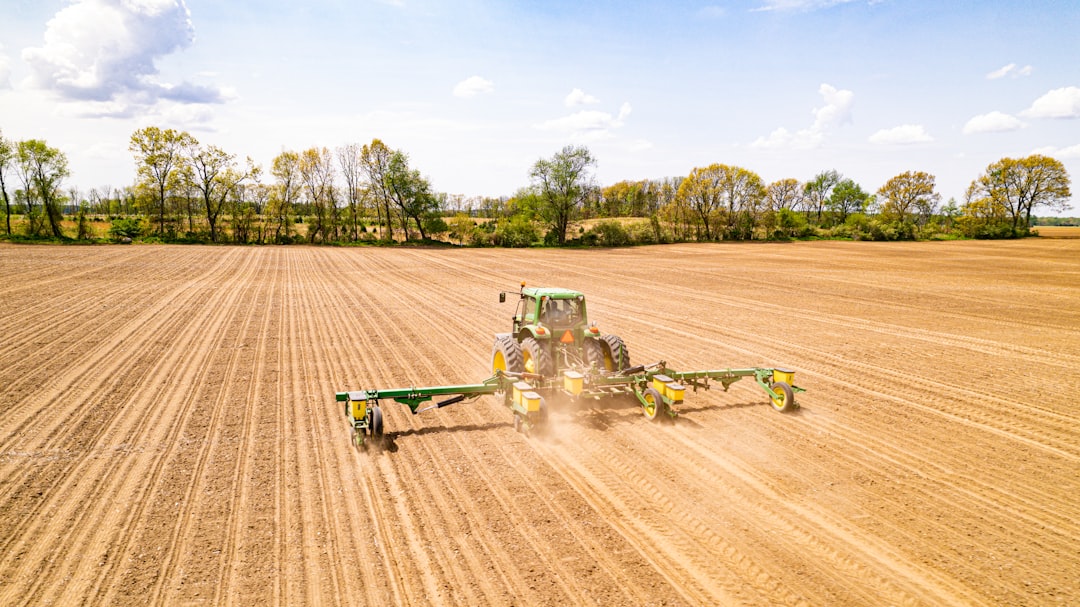
You’re standing in your field, the sun on your back, envisioning a bountiful harvest. But that vision hinges on something fundamental, something your plants crave to truly thrive: nitrogen. It’s not just a buzzword in agriculture; it’s the lifeblood of healthy, productive crops, and understanding its importance is paramount to your success.
Think of your crops as miniature factories, diligently converting sunlight and water into the food you’ll eventually sell. Nitrogen is the primary fuel for this operation. Without sufficient nitrogen, these factories sputter, producing far less than they’re capable of. It’s a key component of chlorophyll, the green pigment responsible for photosynthesis, the very process that allows plants to capture energy from the sun. You can’t have vibrant green leaves, the engines of growth, without adequate nitrogen.
Chlorophyll: The Green Key to Energy Capture
Imagine your plants as solar panels. Chlorophyll is the crucial material within those panels that absorbs sunlight. Nitrogen is an essential building block of chlorophyll molecules. When your plants are nitrogen-deficient, their leaves turn a pale green, then yellow, a visual cue that their ability to photosynthesize is severely hampered. This reduced photosynthetic capacity directly translates to slower growth, smaller yields, and a less robust plant overall. You’re essentially dimming the lights on your crop’s ability to produce energy.
Amino Acids and Proteins: The Building Blocks of Everything
Beyond photosynthesis, nitrogen is a fundamental component of amino acids, which in turn form proteins. Proteins are the workhorses of the plant cell, involved in virtually every biological process, from enzyme function to structural support. Think of proteins as the specialized tools within your crop’s factory – they build new tissues, repair damage, and facilitate complex chemical reactions. Without enough nitrogen, your plants struggle to produce these essential proteins, leading to stunted growth, weak stems, and an inability to develop properly. You’re not just building leaves; you’re building the entire plant structure, and nitrogen is a critical brick.
Nucleic Acids: The Blueprint for Life
Nitrogen is also a vital element in nucleic acids – DNA and RNA. These molecules are the genetic blueprints that dictate every aspect of a plant’s development, from seed germination to flower production. They carry the instructions for building proteins and regulating cellular functions. If your plants are struggling with nitrogen, their ability to replicate their genetic material and produce new cells is compromised, leading to stunted growth and developmental abnormalities. It’s like trying to build a complex structure with an incomplete or flawed blueprint; the end result will be suboptimal.
Crops require nitrogen fertilizer to enhance their growth and yield, as nitrogen is a crucial nutrient that plays a vital role in the formation of proteins and chlorophyll. Without adequate nitrogen, plants can exhibit stunted growth and yellowing leaves, ultimately leading to reduced crop production. For a deeper understanding of the importance of nitrogen in agriculture, you can read more in this related article: Why Crops Need Nitrogen Fertilizer.
The Visible Signs of Nitrogen Deficiency: What to Watch For
Fortunately, nature often provides visual cues when your plants are crying out for nitrogen. Recognizing these signs is your first line of defense against significant yield losses. It’s about being an observant steward of your land, understanding the language your crops speak through their appearance.
Leaf Discoloration: The Yellow Flag of Distress
The most common and recognizable symptom of nitrogen deficiency is chlorosis, or yellowing of the leaves. This yellowing typically starts at the tip of older, lower leaves and progresses inward along the midrib. As the deficiency worsens, the yellowing can spread to younger leaves, and the entire plant may exhibit a stunted, pale appearance. This is your plants’ way of telling you they can’t produce enough chlorophyll to maintain their healthy green color.
Stunted Growth: A Visible Lack of Vigor
Beyond the color of the leaves, you’ll notice a general lack of vigor in nitrogen-deficient plants. They will grow slower, appear smaller, and generally lack the robust, upright posture of healthy specimens. Stems might be thinner, and the overall plant canopy may be less dense. This stunted growth is a direct consequence of the reduced photosynthetic activity and the plant’s struggle to build new tissues and proteins.
Reduced Yields and Poor Quality: The Bottom Line Impact
Ultimately, the most significant consequence of nitrogen deficiency is a drastic reduction in your crop’s yield. Fewer and smaller fruits, grains, or vegetables mean less product to sell and less income for you. Furthermore, the quality of the harvested product can also be compromised. For instance, grain crops may have lower protein content, and vegetables may be less nutritious. It’s a cascade effect, starting with a nutrient imbalance and culminating in a less profitable harvest.
The Role of Nitrogen Fertilizers: Bridging the Gap
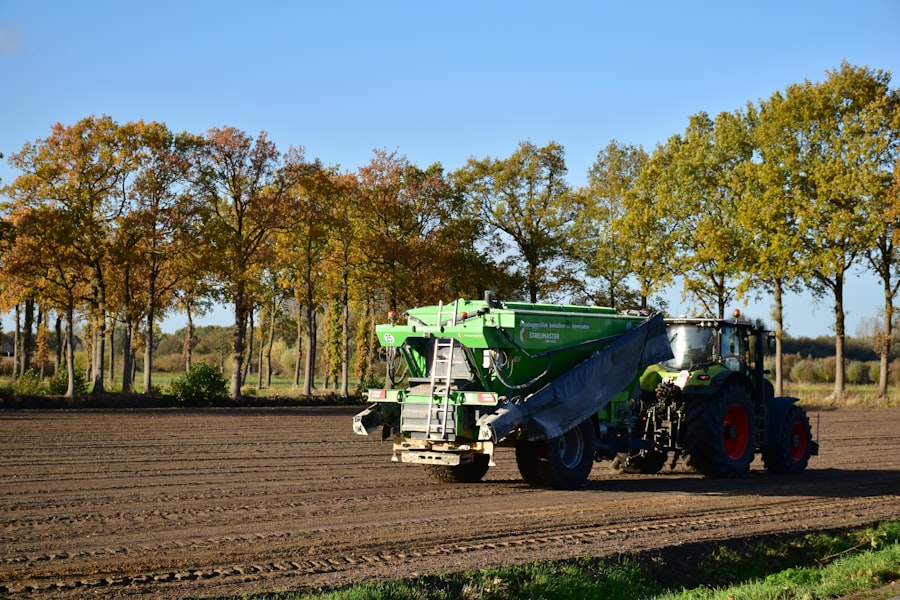
Naturally occurring nitrogen in the soil is often insufficient to meet the high demands of modern, high-yielding crops. This is where nitrogen fertilizers become an indispensable tool for you, the farmer. They provide a readily available source of nitrogen that your plants can absorb and utilize for optimal growth. Understanding the different types of nitrogen fertilizers and how they work is crucial for efficient and effective application.
Types of Nitrogen Fertilizers: A Diverse Toolkit
The market offers a range of nitrogen fertilizers, each with its own characteristics and application considerations. You have urea, ammonium nitrate, and urea-ammonium nitrate (UAN) solutions, among others. Each releases nitrogen in slightly different ways, impacting how quickly it becomes available to your plants and its potential for loss from the soil.
Urea: The Common Workhorse
Urea is one of the most widely used nitrogen fertilizers due to its high nitrogen content and relatively low cost. When applied to the soil, it is converted into ammonia, which then can be transformed into ammonium and nitrate, forms that plants can absorb. However, urea can be susceptible to volatilization, where ammonia gas is lost to the atmosphere, especially when applied to the surface of warm, moist soil without incorporation.
Ammonium Nitrate: A Balanced Approach
Ammonium nitrate provides nitrogen in both ammonium and nitrate forms. This dual form can be beneficial as nitrate is immediately available for plant uptake, while ammonium is released more slowly. It is a highly soluble fertilizer, meaning it dissolves readily in water and can be easily absorbed by plant roots. However, it can be more prone to leaching, especially in sandy soils with high rainfall.
Urea-Ammonium Nitrate (UAN) Solutions: Versatile and Convenient
UAN solutions are liquid fertilizers that contain a mixture of urea, ammonium nitrate, and sometimes ammonium sulfate. They offer the convenience of easy application through spraying or irrigation systems and can be blended with other nutrients. Their liquid form allows for rapid absorption by plants, but like other forms, careful management is needed to minimize losses.
Application Methods: Maximizing Efficiency and Minimizing Waste
The way you apply nitrogen fertilizer significantly impacts its effectiveness and your return on investment. Broadcasting, banding, fertigation, and foliar application are common methods, each with its own advantages and disadvantages.
Broadcasting: Spreading the Wealth
Broadcasting involves spreading the fertilizer evenly over the entire soil surface. This is a straightforward method, but it can lead to uneven distribution and increased potential for nutrient losses, especially through volatilization if urea is applied to the surface. Incorporating broadcasted fertilizer into the soil can significantly improve its efficiency.
Banding: Targeted Nutrition
Banding involves applying fertilizer in narrow strips or bands near the plant rows. This method places the nutrients closer to the plant roots, improving uptake efficiency and reducing the amount of fertilizer needed. It also minimizes the contact of fertilizer with the bulk of the soil, potentially reducing losses.
Fertigation: Precision through Irrigation
Fertigation involves applying fertilizers through your irrigation system. This method allows for precise control over nutrient application, delivering nitrogen directly to the root zone when plants need it most. It’s particularly effective in areas with limited water resources and can be a highly efficient way to manage nitrogen.
Foliar Application: A Quick Boost
Foliar application involves spraying diluted fertilizer directly onto the plant leaves. This method provides a rapid nutrient uptake, offering a quick solution for correcting deficiencies. However, it is generally used as a supplemental application and cannot replace the need for soil-applied nitrogen for overall crop growth.
Factors Influencing Nitrogen Needs: Tailoring Your Approach

Your crops don’t have a one-size-fits-all nitrogen requirement. Several factors come into play, dictating precisely how much nitrogen your plants will need to perform at their peak. Understanding these variables allows you to make informed decisions, avoiding both under-application and wasteful over-application.
Crop Type and Growth Stage: Different Demands
Different crops have vastly different nitrogen requirements. Legumes, for instance, can fix their own nitrogen from the atmosphere through a symbiotic relationship with soil bacteria, thus requiring less supplemental nitrogen. Corn, on the other hand, is a heavy nitrogen feeder. Furthermore, within a single crop, the demand for nitrogen changes throughout its life cycle. Young plants need less nitrogen for initial establishment, while rapidly growing vegetative stages and reproductive phases require significantly more.
Soil Type and Organic Matter: The Foundation of Availability
The type of soil you farm plays a crucial role in nitrogen availability. Sandy soils tend to have lower organic matter content and are prone to leaching, meaning nitrogen can be washed away by rainfall. Clay soils, with their higher organic matter content and better water-holding capacity, can retain nitrogen more effectively. Soil organic matter is a slow-release source of nitrogen as it decomposes, contributing to the overall nitrogen supply.
Environmental Conditions: The Unpredictable Element
Weather patterns significantly impact nitrogen availability and plant uptake. Excessive rainfall can lead to leaching and denitrification (where nitrogen is lost to the atmosphere as gas). Drought conditions can hinder nutrient uptake by reducing root activity and preventing the movement of nitrogen in the soil. Temperature also plays a role; warmer soils promote faster microbial activity, which can lead to quicker nitrogen mineralization but also increased volatilization of urea.
Previous Crop and Tillage Practices: Building on the Past
The previous crop grown in your field can influence the nitrogen needs of your current crop. If you grew a legume in the preceding season, your soil may have a higher residual nitrogen content. Tillage practices also matter. Conventional tillage can accelerate the decomposition of organic matter, releasing nitrogen but also potentially leading to greater losses. No-till or reduced tillage systems can help conserve soil organic matter and improve nitrogen retention.
Crops require nitrogen fertilizer to thrive because nitrogen is a vital nutrient that supports plant growth and development. It plays a crucial role in the formation of amino acids, proteins, and chlorophyll, which are essential for photosynthesis. Without adequate nitrogen, plants can exhibit stunted growth and reduced yields. For a deeper understanding of the importance of nitrogen in agriculture, you can read this insightful article on the topic at Freaky Science. This resource provides valuable information on how nitrogen fertilizers can enhance crop productivity and sustainability in farming practices.
Sustainable Nitrogen Management: The Future of Farming
| Reason | Explanation |
|---|---|
| Promotes plant growth | Nitrogen is a key component of chlorophyll, which is essential for photosynthesis and overall plant growth. |
| Improves crop yield | Nitrogen fertilizer helps increase the yield of crops by providing the necessary nutrients for healthy plant development. |
| Enhances protein production | Nitrogen is a building block for proteins, which are crucial for plant structure and function. |
| Supports leaf and stem development | Nitrogen is important for the formation of leaves and stems, contributing to overall plant structure and health. |
While nitrogen fertilizers are essential for modern agriculture, their overuse can have negative environmental consequences. You, as a responsible farmer, have a critical role to play in adopting sustainable nitrogen management practices. This isn’t just about environmental stewardship; it’s about long-term profitability and ensuring the health of your land for future generations.
The 4Rs of Nutrient Stewardship: A Guiding Principle
The concept of the 4Rs – Right Source, Right Rate, Right Time, and Right Place – provides a framework for optimizing nitrogen fertilizer use. By applying the right source of nitrogen for your specific soil and crop conditions, at the right rate to meet crop needs without excess, at the right time to coincide with peak plant demand, and in the right place where plants can easily access it, you can maximize nutrient use efficiency and minimize environmental impacts.
Precision Agriculture Technologies: Smart Solutions for Your Farm
Advancements in precision agriculture offer powerful tools to fine-tune your nitrogen applications. Soil testing, remote sensing, and variable rate application technologies allow you to create detailed maps of your fields and apply fertilizer precisely where it’s needed, and in the amounts required. This data-driven approach reduces waste and optimizes your fertilizer investments.
Integrated Nutrient Management: A Holistic Approach
Integrated nutrient management combines various strategies to optimize nutrient use. This includes utilizing organic amendments, cover cropping, and crop rotation alongside carefully managed synthetic fertilizer applications. By embracing a holistic approach, you can build soil health, improve nutrient cycling, and reduce your reliance on synthetic inputs over time. Your goal is to create a system where your crops receive the precise nutrition they need, efficiently and sustainably.

We Figured Out How to Turn Air Into Food
FAQs
What is nitrogen fertilizer and why do crops need it?
Nitrogen fertilizer is a type of fertilizer that provides crops with the essential nutrient nitrogen. Nitrogen is a key component of chlorophyll, which is essential for photosynthesis, the process by which plants convert sunlight into energy. It also plays a crucial role in the growth and development of plants.
How does nitrogen fertilizer benefit crop production?
Nitrogen fertilizer helps increase crop yields by promoting healthy plant growth, improving the quality of the produce, and enhancing the overall productivity of the agricultural system. It also helps to maintain soil fertility and supports sustainable agricultural practices.
What are the signs of nitrogen deficiency in crops?
Signs of nitrogen deficiency in crops include stunted growth, yellowing of leaves (especially older leaves), reduced yield, and overall poor plant vigor. These symptoms can vary depending on the specific crop and environmental conditions.
What are the different types of nitrogen fertilizers available for crops?
Common types of nitrogen fertilizers include urea, ammonium nitrate, ammonium sulfate, and calcium ammonium nitrate. Each type has its own unique characteristics and application methods, and the choice of fertilizer depends on factors such as soil type, crop type, and climate.
What are the environmental considerations of using nitrogen fertilizer on crops?
While nitrogen fertilizer is essential for crop production, its use can lead to environmental issues such as water pollution, greenhouse gas emissions, and soil degradation. Proper application methods, timing, and dosage are important to minimize these negative impacts and promote sustainable agricultural practices.