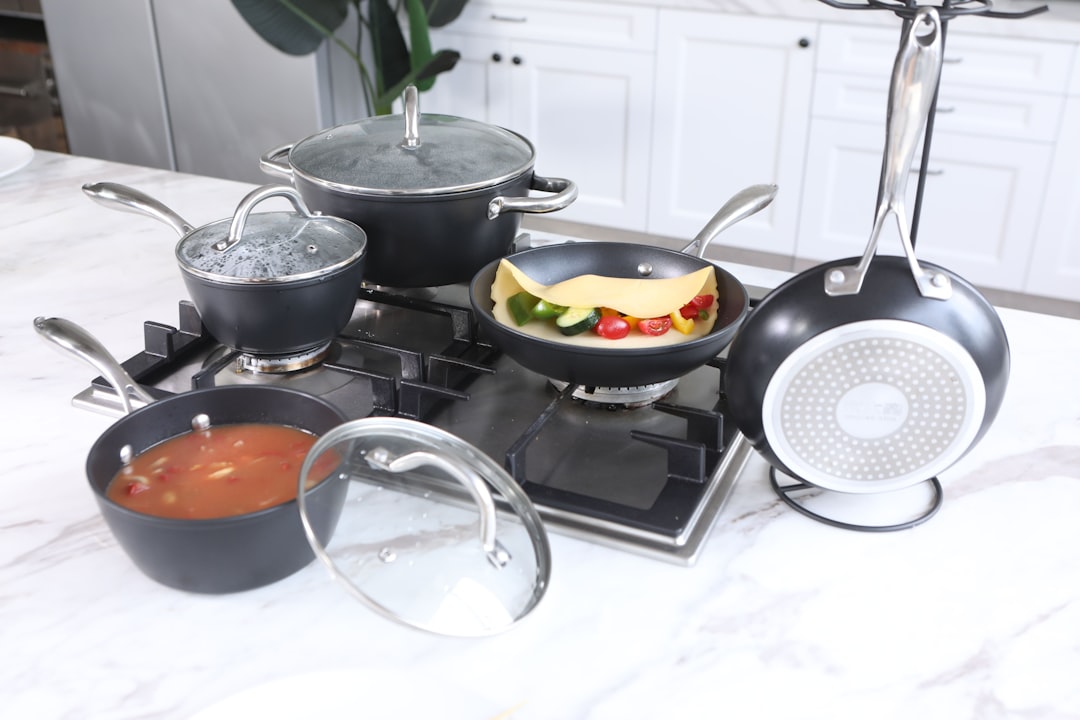
You’ve likely heard the buzz. Maybe you’ve seen them advertised, sleek and modern, or perhaps a friend raved about how quickly their water boiled. Magnetic induction cookware is the new kid on the block in many kitchens, and if you’re still using traditional stovetops, you might be wondering what all the fuss is about. Let’s dive deep into why this technology is so important and how it can fundamentally change the way you cook.
You’re standing in your kitchen, contemplating your next culinary creation. The traditional stovetop hums, a familiar warmth emanating from its coils or gas jets. But what if there was a more efficient, responsive, and safer way to harness that heat? This is where magnetic induction steps in, and understanding its core principle is the first step to appreciating its significance. It’s not magic, it’s physics, and it’s brilliant.
Electromagnetic Fields at Work
At its heart, induction cooking relies on a clever application of electromagnetism. Beneath the smooth ceramic surface of your induction hob lies a coil of copper wire. When you turn on the burner and place a compatible pot or pan on it, an alternating electric current is passed through this coil. This current generates a fluctuating magnetic field.
The Dance of Electrons
Think of it like this: the electricity is pushing and pulling on the electrons in the copper wire, creating a rapid back-and-forth motion. This dynamic movement is what generates the magnetic field. This field isn’t static; it’s constantly changing direction and intensity, creating a powerful, invisible force.
How Pots Become Stoves
This fluctuating magnetic field is the key to induction cooking. It doesn’t directly heat the ceramic surface of the hob. Instead, it interacts with the cookware itself. However, not all cookware is created equal in this regard. This is where the “magnetic” part of magnetic induction cookware becomes crucial.
The Ferromagnetic Connection
For induction to work, your cookware needs to be made of or contain ferromagnetic materials. This means materials like iron or certain types of stainless steel. When the magnetic field generated by the hob passes through the base of your ferromagnetic cookware, it induces electrical currents within the metal itself.
Joule Heating: The Inner Workings of Heat
These induced electrical currents, known as eddy currents, are what generate heat. As these currents flow through the resistance of the cookware’s metal, they create friction at the molecular level. This friction, in turn, produces heat directly within the base of your pan. This process is known as Joule heating, and it’s remarkably efficient.
Resistance is Your Friend (in this case!)
The amount of heat generated is directly proportional to the resistance of the cookware material and the square of the induced current. This means that even though the hob itself doesn’t get red-hot, the base of your pan can rapidly reach your desired cooking temperature.
Direct Heat Transfer
The beauty of this system lies in its directness. Unlike traditional methods where heat is transferred from a flame or element to the stovetop, and then to the pan, induction bypasses several steps. The heat is generated within the cookware itself. This leads to a host of advantages that you’ll experience every time you cook.
Efficiency and Speed
Because there are fewer energy transfer steps, induction is incredibly efficient. Much of the energy generated by the hob is channeled directly into heating your food, rather than being lost to the surrounding air or the stovetop surface. This translates to faster cooking times and less wasted energy.
Induction cookware must be magnetic to work effectively with induction cooktops, as these appliances utilize electromagnetic fields to generate heat directly in the cookware. For a deeper understanding of the science behind this technology and why magnetic materials are essential for induction cooking, you can refer to this informative article on the topic. To learn more, visit Freaky Science.
The Unparalleled Efficiency: Saving Energy and Time
One of the most compelling arguments for adopting magnetic induction cookware is its sheer efficiency. In a world increasingly conscious of energy consumption and the need to reduce our carbon footprint, induction stands out as a leader. It’s not just about saving a few pennies on your electricity bill; it’s about a more sustainable and intelligent way to cook.
Energy Savings: A Greener Kitchen
Traditional stovetops lose a significant amount of energy. Gas stoves, while providing instant heat, release a portion of their combustion byproducts into the kitchen and lose heat to the surrounding air. Electric coil or radiant stovetops heat up the surface of the hob, which then transfers heat to the cookware, with a substantial amount of that heat radiating away into the environment. Induction, on the other hand, is a different story.
Minimizing Heat Loss
As we discussed, induction generates heat directly within the cookware. This means very little energy is wasted on heating the stovetop itself or the surrounding air. Studies consistently show that induction hobs are up to 90% efficient in transferring energy to the food, compared to around 50-70% for electric and gas. This translates to tangible savings on your energy bills over time. You’re not paying to heat up your kitchen unnecessarily.
Faster Cooking, Less Power Consumption
The speed at which induction cooks also contributes to energy savings. Because your water boils in a fraction of the time or your pan heats up almost instantaneously, you’re using the hob for shorter periods. This cumulative effect of faster cooking and less wasted energy makes a significant difference in your overall energy consumption.
Time is of the Essence: A Culinary Accelerator
Beyond energy savings, induction is a game-changer for busy individuals and families. The speed at which it heats up and reacts to temperature changes dramatically cuts down on cooking times, making meal preparation more efficient and less of a chore.
Instantaneous Temperature Control
This is perhaps the most impactful benefit for your daily cooking. Imagine turning the dial and your pan instantly jumps from a gentle simmer to a rolling boil, or vice versa. Induction hobs offer this precise and immediate responsiveness. There’s no waiting for a coil to heat up or for the gas flame to adjust. This level of control allows you to achieve perfect results with delicate sauces, searing meats, and anything that requires precise temperature management.
Rapid Heating Capabilities
Boiling water for pasta, making a quick soup, or bringing a sauce to temperature – these tasks are completed significantly faster with induction. You’ll find yourself spending less time waiting for things to heat up and more time actually cooking and enjoying your food. This is invaluable on busy weeknights when time is at a premium.
Beyond the Basic Boil: Versatility in Speed
The speed of induction isn’t just about boiling water. It’s about the entire cooking process. From achieving a perfect sear on a steak to quickly sautéing vegetables, the ability to rapidly heat and cool allows for greater culinary flexibility and more dynamic cooking techniques.
Searing and Browning
The high heat output of induction is ideal for achieving a beautiful, even sear on meats and poultry. You can achieve that coveted Maillard reaction quickly and efficiently, locking in juices and developing rich flavor.
Quick Sautéing and Stir-Frying
The rapid heating and cooling cycles of induction make it perfect for stir-frying. You can add ingredients in quick succession, maintaining high heat for that characteristic crisp-tender texture.
Safety First: A Cooler, Safer Kitchen Environment
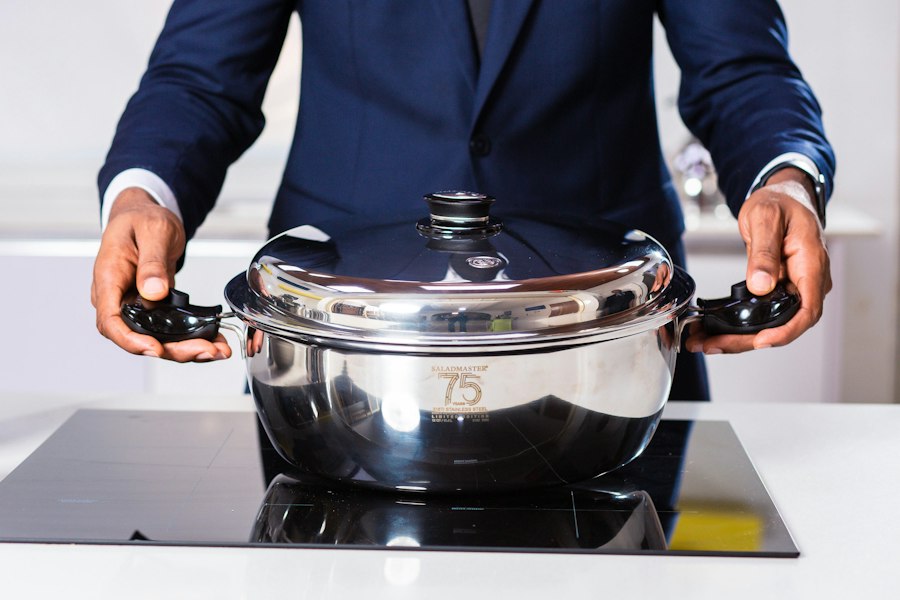
For many, the safety aspects of magnetic induction cookware are a primary driver for switching. The technology inherently minimizes the risks associated with traditional stovetops, creating a safer environment for everyone in your home.
Reduced Burn Risk: A Cooler Surface
This is a significant advantage, especially in households with children or elderly individuals. Traditional electric and gas stovetops can remain dangerously hot long after the heat source has been turned off. Induction, however, works differently.
Residual Heat is Minimal
Since the heat is generated directly within the cookware, the ceramic surface of the induction hob itself does not get as hot as traditional surfaces. While it will warm up from proximity to the hot pan, it cools down much faster and poses a significantly lower burn risk. This means you can often touch the surface of the hob shortly after cooking without getting burned.
No Open Flames
For gas stovetops, the presence of an open flame is an inherent risk. Spills can easily ignite, and accidental contact can lead to severe burns. Induction eliminates this risk entirely, providing a much safer cooking experience.
Auto Shut-Off Features: Peace of Mind
Modern induction hobs are equipped with intelligent safety features. One of the most important is the pan detection system. If you accidentally turn on a burner without a pot or pan on it, or if the pan is removed during cooking, the hob will automatically shut off the heat.
Pan Detection Technology
This feature is crucial for preventing accidental overheating and potential fires. The hob knows when it’s interacting with compatible cookware and will only activate the heating element when a suitable pot or pan is in place.
Timer Functions and Automatic Shut-Off
Many induction hobs also come with built-in timers that can automatically shut off the burner after a set period. This is incredibly useful for simmering dishes or when you might get distracted, providing an extra layer of safety and preventing overcooking.
Improved Air Quality: No Combustion Byproducts
Unlike gas stoves, induction hobs do not produce any combustion byproducts. This means you won’t be releasing harmful gases like carbon monoxide and nitrogen dioxide into your kitchen air.
Healthier Indoor Environment
This leads to a healthier indoor environment for you and your family. You can cook without worrying about the lingering fumes or the need for constant ventilation, although good ventilation is always recommended when cooking.
A Cleaner Kitchen Aesthetic
Beyond health benefits, the absence of open flames and the cooler surface of induction hobs can also contribute to a cleaner kitchen aesthetic. There are fewer scorch marks, less grease splatter on the surrounding surfaces, and generally a more pristine appearance.
Precision and Control: Elevating Your Culinary Skills
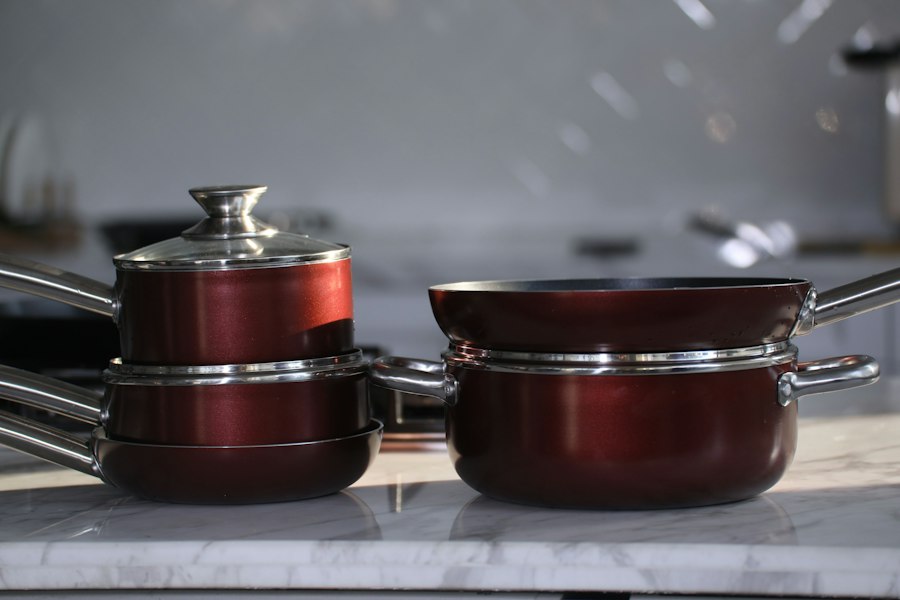
The responsiveness and fine-tuning capabilities of magnetic induction cookware are what truly elevate it from a mere cooking appliance to a tool that can refine your culinary skills. You gain a level of control that was previously only achievable with very expensive, professional-grade equipment.
Instantaneous Response to Adjustments
This is where induction truly shines for the home cook who wants to achieve restaurant-quality results. When you adjust the heat setting on an induction hob, the change is immediate.
No Lag Time
There’s no waiting for heat to build up or dissipate. This means you can react instantly to the needs of your dish. If your sauce is starting to bubble too vigorously, you can turn down the heat instantly, preventing it from curdling or burning.
Perfect for Delicate Tasks
This level of control is invaluable for delicate cooking tasks. Think of making a hollandaise sauce, tempering chocolate, or gently poaching fish. These require precise temperature management, and induction provides that with ease.
Fine-Tuning Temperatures: The Art of Subtle Heat
Beyond simply turning the heat up or down, induction allows for incredibly fine-tuned adjustments. Many hobs offer a wide range of power settings, often with visual indicators or numerical readouts, allowing you to achieve very specific temperatures.
Simmering Perfection
Achieving a perfect, gentle simmer is crucial for many slow-cooked dishes, stews, and sauces. Induction’s ability to maintain a consistent, low heat without fluctuations ensures your food cooks gently and evenly.
Precise Browning and Searing
While induction is known for its high heat capabilities for searing, it also excels at providing just the right amount of heat for controlled browning. You can achieve a beautiful golden crust without burning the edges of your food.
Reproducibility and Consistency
This precise control leads to greater reproducibility in your cooking. Once you’ve found the perfect setting for a particular dish, you can replicate it time and time again with confidence. This consistency is key to becoming a more skilled and reliable cook.
Mastering Your Favorite Dishes
Whether it’s achieving that perfectly cooked risotto or a flawlessly seared scallop, the consistent and precise heat control offered by induction allows you to master your favorite dishes with greater confidence.
Reducing Cooking Errors
The reduced lag time and precise control significantly decrease the likelihood of common cooking errors like burning, overcooking, or undercooking. You’re less likely to be battling your stovetop and more likely to be in harmony with your ingredients.
Induction cookware must be magnetic to work effectively with induction cooktops, as the technology relies on magnetic fields to generate heat directly in the cookware. This unique feature allows for faster cooking times and improved energy efficiency compared to traditional methods. For a deeper understanding of how induction cooking works and the science behind it, you can read a related article that explains the principles in detail. Check it out here to learn more about the fascinating world of induction cooking.
The Culinary Versatility: Unlocking New Possibilities
| Metric | Explanation | Value/Requirement |
|---|---|---|
| Magnetic Permeability | Cookware must have high magnetic permeability to generate heat efficiently on induction cooktops. | Relative permeability > 1 (preferably > 1000) |
| Material Type | Only ferromagnetic materials respond to induction magnetic fields to produce heat. | Iron, stainless steel (magnetic grades), cast iron |
| Induction Heating Efficiency | Efficiency depends on cookware’s ability to induce eddy currents via magnetic properties. | Typically 80-90% heat transfer efficiency |
| Cookware Base Thickness | Thickness affects magnetic field penetration and heat distribution. | 2-4 mm optimal for induction |
| Magnetic Test | Simple test to check if cookware is induction compatible. | Magnet sticks firmly to base |
| Heat Generation Mechanism | Magnetic cookware generates heat via induced eddy currents and hysteresis losses. | Requires magnetic material to convert electromagnetic energy to heat |
The benefits of magnetic induction cookware extend beyond mere efficiency and safety; they open up a world of culinary possibilities. The precise control and rapid heating allow for new techniques and a more dynamic approach to cooking.
Achieving Perfect Searing and Browning
As mentioned, induction is a champion of high heat. This translates to unparalleled searing and browning capabilities. You can achieve that restaurant-quality crust on steaks, lamb chops, and even vegetables, locking in flavor and creating a delightful texture.
The Maillard Reaction at its Finest
The Maillard reaction, responsible for the browning and complex flavors in cooked food, thrives on high heat. Induction’s ability to reach and maintain these temperatures quickly ensures you get the best possible results.
Crispy Skins and Golden Crusts
From crispy chicken skin to golden brown pastry bases, induction helps you achieve those desirable textural elements in your dishes.
Delicate Sauces and Emulsions Without Fear
The gentle, consistent heat of induction is a boon for delicate tasks. Making a béarnaise sauce, a hollandaise, or a delicate custard no longer has to be a nerve-wracking experience.
Preventing Scrambling and Curdling
The risk of overheating and scrambling eggs or curdling dairy is significantly reduced. You can slowly and steadily bring your sauces to the perfect consistency without constant worry.
Perfect Tempering of Chocolate
For bakers and chocolatiers, the precise temperature control of induction is a dream come true for tempering chocolate, ensuring a smooth, glossy finish and that satisfying snap.
One-Pot Wonders and Beyond
The efficiency and speed of induction can make one-pot meals even more appealing. You can rapidly sauté your aromatics, brown your proteins, and then add liquids and simmer, all within the same pan, minimizing cleanup.
Streamlining Meal Preparation
The ability to quickly heat and cook means you can prepare complex meals with multiple components in a more streamlined fashion.
Exploring Global Cuisines
Many global cuisines rely on rapid high-heat cooking, such as stir-frying in Chinese cuisine or searing in French techniques. Induction’s capabilities align perfectly with these methods, allowing you to explore and master diverse culinary traditions.
Less Mess, More Flavor
The direct heating of cookware means less splatter onto the stovetop surface, leading to a cleaner cooking experience. Furthermore, the speed and efficiency often result in less moisture loss from food, preserving flavor and texture.
Easier Cleanup
With less mess on the hob, cleanup becomes significantly easier. A quick wipe-down is often all that’s needed.
Retaining Nutrients and Flavor
The faster cooking times can also help to retain more nutrients and natural flavors in your ingredients, leading to healthier and more delicious meals.
Making the Switch: Your Guide to Induction Cookware
You’re convinced. The advantages of magnetic induction cookware are clear, and you’re ready to experience the future of cooking. But what do you need to know before you make the leap? It’s not as daunting as it might seem, and with a little guidance, you’ll be enjoying your new induction-compatible cookware in no time.
Understanding Cookware Compatibility: The Magnetic Test
This is the most crucial aspect when transitioning to induction. Not all your existing pots and pans will work on an induction hob. The key is the presence of ferromagnetic materials.
The Simple Magnet Test
The easiest way to check if your cookware is induction-compatible is with a magnet. Simply hold a refrigerator magnet to the bottom of your pot or pan. If the magnet sticks firmly, the cookware is likely induction-compatible. If it doesn’t stick, or only weakly, it won’t work on an induction hob.
Common Materials That Work
- Cast Iron: Excellent for induction, providing great heat retention and distribution. Seasoning is still important for preventing sticking.
- Enameled Cast Iron: The enamel coating doesn’t interfere with the magnetic properties.
- Magnetic Stainless Steel: Look for cookware specifically labeled as “induction compatible.” Many manufacturers now clearly indicate this on their packaging or the cookware itself.
- Carbon Steel: Similar to cast iron, it’s magnetic and performs well.
Materials That Typically Don’t Work
- Aluminum: Unless it has a magnetic stainless steel base or a special induction adapter plate, pure aluminum won’t work.
- Copper: Pure copper is not magnetic. However, some copper cookware has a stainless steel base for induction compatibility.
- Glass: Will not work on induction.
- Ceramic: Will not work on induction.
Investing in Quality: What to Look For
When buying new induction cookware, there are a few things to consider to ensure you get the best performance and longevity.
Cookware Construction
Look for cookware with a thick, solid base. This ensures even heat distribution and prevents warping, which can happen with thinner materials on high heat. Multi-ply constructions (e.g., stainless steel with an aluminum core) can offer excellent heat conductivity and durability.
Handle Comfort and Durability
Consider the handles. Are they comfortable to grip? Are they securely attached? Riveted handles are generally more durable than welded ones.
Lid Fit
A well-fitting lid is essential for trapping heat and moisture, which is crucial for many cooking methods.
Induction Cookware Sets: A Convenient Starting Point
Many cookware brands offer dedicated induction cookware sets. These can be a great way to outfit your kitchen with compatible pieces all at once, often at a slightly better value than buying individual items.
Starter Kits
These sets usually include a few essential pieces like a frying pan, a saucepan, and a stockpot, providing a good foundation for most home cooks.
Specialized Sets
You can also find sets tailored to specific cooking needs, such as sauté pans or woks designed for induction.
Induction Cookware Accessories: Enhancing Your Experience
Beyond the pots and pans themselves, there are a few accessories that can enhance your induction cooking experience.
Induction Hob Cleaning Products
While induction surfaces are generally easy to clean, using specific cleaning products designed for ceramic or glass stovetops will help maintain their pristine appearance and prevent scratches.
Induction Pan Adapters
If you have a favorite non-induction pot or pan that you absolutely cannot part with, you can purchase an induction pan adapter. This is a metal disc that sits on the induction hob and has a magnetic surface, allowing non-magnetic cookware to be heated. While it adds an extra step and can reduce efficiency slightly, it can be a good compromise.
The Learning Curve: Embracing the New Technology
While induction is incredibly intuitive, there can be a slight learning curve as you adjust to the speed and responsiveness. Don’t be afraid to experiment and observe how your food cooks.
Start Slow
Begin with simpler dishes and gradually move to more complex recipes as you become more comfortable with the hob’s performance.
Observe and Adjust
Pay attention to how quickly things heat up and how the temperature changes when you adjust the settings. You’ll quickly develop an instinct for it.
By understanding these key aspects, you can confidently make the switch to magnetic induction cookware and unlock a world of faster, safer, and more delicious cooking. The investment in the right cookware and the willingness to embrace this innovative technology will undoubtedly transform your kitchen experience.
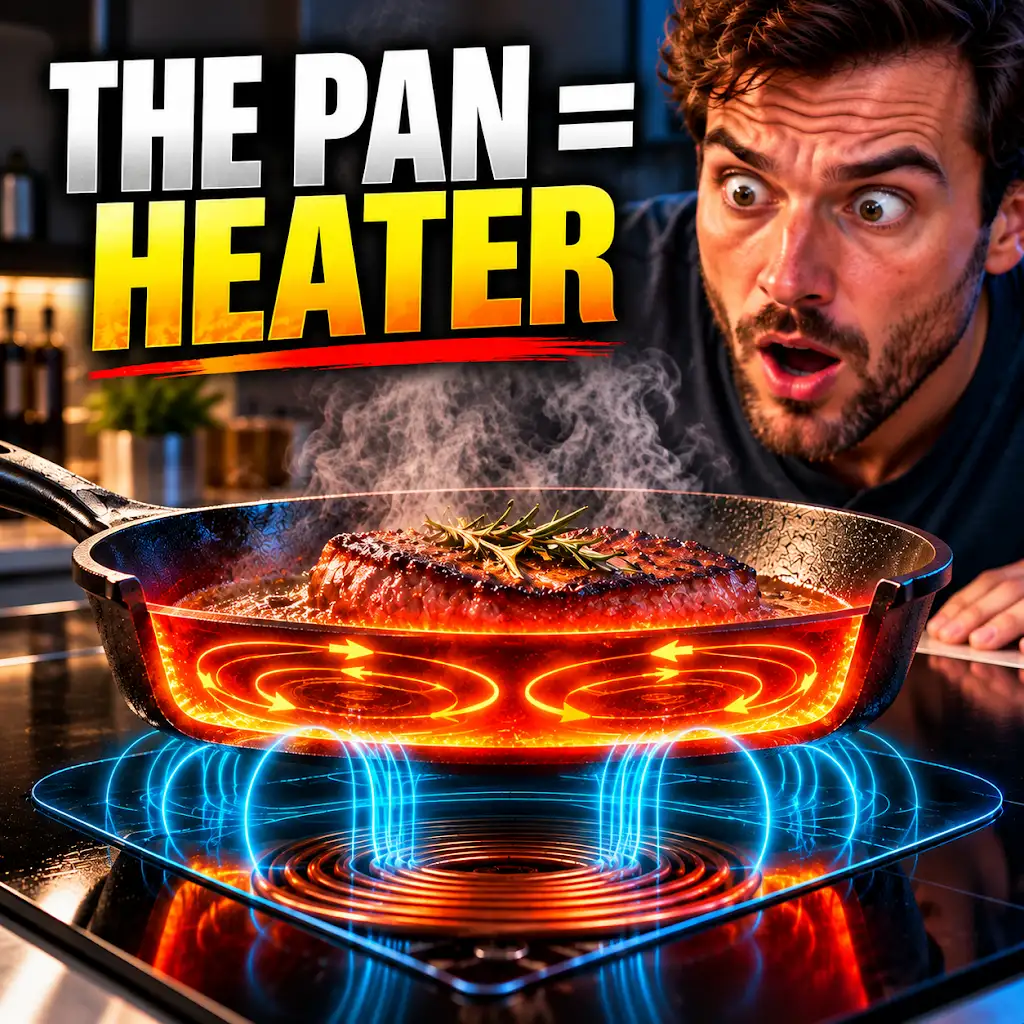
The Pan Is the Heater: How Induction Cooking Really Works
FAQs
1. Why does induction cookware need to be magnetic?
Induction cookware needs to be magnetic because induction cooktops use electromagnetic fields to heat up the cookware directly. Non-magnetic cookware will not work on induction cooktops.
2. How can I tell if my cookware is induction-compatible?
You can test if your cookware is induction-compatible by using a magnet. If the magnet sticks to the bottom of the cookware, then it is magnetic and can be used on an induction cooktop.
3. What are the benefits of using magnetic induction cookware?
Magnetic induction cookware heats up faster and more evenly than traditional cookware. It is also more energy-efficient, as it heats only the cookware and not the surrounding surface.
4. Can I use non-magnetic cookware on an induction cooktop?
No, non-magnetic cookware will not work on an induction cooktop. It is important to use magnetic induction cookware specifically designed for use with induction cooktops.
5. Are there any safety concerns with using magnetic induction cookware?
Magnetic induction cookware is generally safe to use, but it can become very hot during cooking. It is important to use oven mitts or pot holders when handling hot induction cookware to prevent burns.