
Why Your Refrigerant Needs to Be Hotter Than the Outdoors
You’re likely reading this because you’re concerned about your home’s comfort, or perhaps you’re a budding HVAC enthusiast keen to understand the inner workings of your cooling system. Whatever your motivation, you’ve stumbled upon a concept that might seem counterintuitive at first glance: why does your refrigerant, the lifeblood of your air conditioner, need to be hotter than the sweltering air outside your home to effectively cool you down? It defies the common understanding that cooling involves making things colder. But in the world of thermodynamics and refrigeration cycles, the rules are a little different, and this critical temperature differential is the very engine that drives your comfort.
The simple truth is that your air conditioner isn’t just about making things cold; it’s about moving heat. Specifically, it’s about moving heat from the inside of your home to the outside. To achieve this seemingly paradoxical feat, the refrigerant must possess a higher temperature than its surroundings at certain points in its cycle. This temperature difference is what allows heat to naturally flow from a warmer substance to a cooler one, and your AC system masterfully manipulates this fundamental law of physics to extract unwanted heat from your living space and expel it outdoors. Understanding this principle is key to appreciating the efficiency and ingenuity of your cooling system, and it sheds light on why certain operational parameters are so crucial for its optimal performance.
Understanding why refrigerant must be hotter than outdoor air is crucial for the efficient operation of air conditioning systems. When the refrigerant absorbs heat from the indoor environment, it must then release that heat outside, which requires it to be at a higher temperature than the outdoor air. This principle is essential for maintaining the cooling cycle and ensuring optimal performance. For a deeper exploration of this topic, you can read more in the article found here: Freaky Science.
The Fundamental Concept of Heat Transfer

At its core, refrigeration is all about heat transfer. You want to remove heat from one place (your home) and deposit it somewhere else (the outside environment). This process relies on a fundamental law of nature: heat always flows from a region of higher temperature to a region of lower temperature. Think about a hot cup of coffee on a cool day. The heat from the coffee naturally dissipates into the surrounding air because the coffee is hotter. Conversely, if you place an ice cube in warm water, the ice cube melts as heat flows from the water to the ice. Your air conditioner operates on this same principle, but it uses a special fluid – the refrigerant – to facilitate and control this heat flow.
The Role of Temperature Differentials
For heat to transfer from your indoor air to the refrigerant, the refrigerant must be at a lower temperature than the indoor air. This is the primary cooling stage that happens inside your home, within the evaporator coil. However, the job isn’t done there. The refrigerant, now laden with the heat it has absorbed from your home, needs to shed this heat to the outdoors. For this to happen, the refrigerant must then become hotter than the outdoor air. This is where the seemingly counterintuitive part comes into play, and it’s where the magic of the refrigeration cycle truly unfolds. The system essentially tricks nature by manipulating the pressure and state of the refrigerant to create these necessary temperature differentials.
The Refrigeration Cycle Explained
Your air conditioner’s cooling process is not a single event but a continuous cycle, often referred to as the vapor-compression refrigeration cycle. This cycle involves four main components: the compressor, the condenser, the expansion valve (or metering device), and the evaporator. Each component plays a vital role in manipulating the refrigerant’s state and temperature to achieve the desired heat transfer.
The Compressor: The Heart of the System
The compressor is the powerhouse of your air conditioner. Its primary function is to compress the refrigerant vapor, increasing its pressure and, consequently, its temperature. Think of it like squeezing a sponge; the more you squeeze, the hotter it gets. As the refrigerant enters the compressor as a low-pressure, low-temperature vapor, it exits as a high-pressure, high-temperature vapor. This high temperature is critical because it sets the stage for the next crucial step: releasing the absorbed heat outdoors. Without this initial boost in temperature, the refrigerant would not be able to efficiently transfer heat to the hotter outdoor air.
The Condenser: Rejecting Heat to the Environment
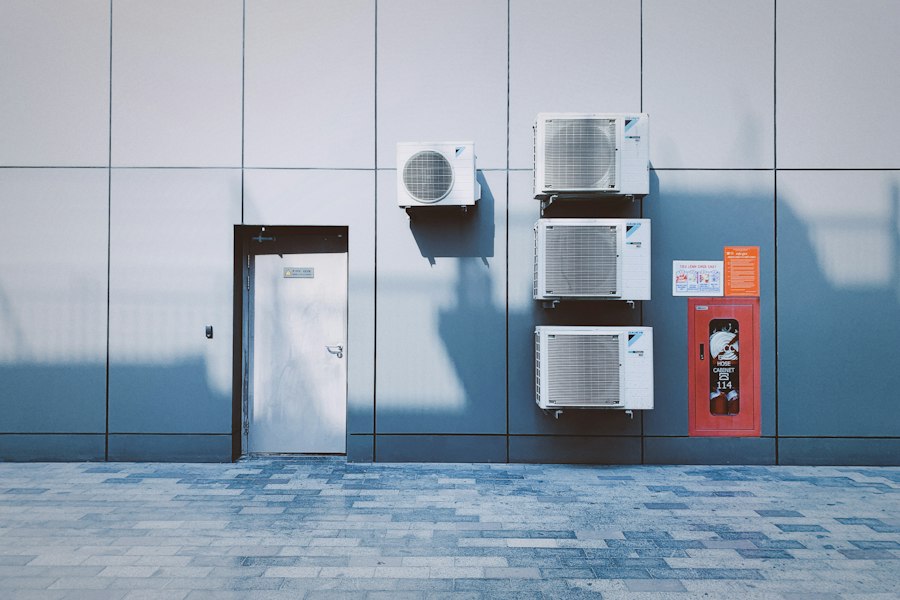
The condenser is typically the outdoor unit of your air conditioner, the one with the fan and the visible coils. This is where the hot, high-pressure refrigerant vapor from the compressor flows. As the outdoor fan blows ambient air over the condenser coils, it facilitates the transfer of heat from the hotter refrigerant to the cooler outdoor air. This heat transfer causes the refrigerant to condense from a high-pressure vapor into a high-pressure liquid. It’s crucial to remember that at this stage, the refrigerant is still at a higher temperature than the outdoor air. This temperature difference, however small, is what drives the heat rejection process. If the outdoor air is already very hot, the condenser has a harder time dissipating heat, making the refrigerant’s temperature even more critical.
The Expansion Valve: Preparing for Cooling
After passing through the condenser and becoming a high-pressure liquid, the refrigerant then flows through an expansion valve, also known as a metering device. This device restricts the flow of the refrigerant, causing a significant drop in its pressure. As the pressure drops, so does the temperature of the refrigerant, transforming it into a low-pressure, cold liquid-vapor mixture. This dramatic temperature decrease is essential for the next stage, where the refrigerant will absorb heat from your indoor air. Imagine releasing pressure from a spray can; the propellant gets very cold. This rapid expansion is a key step in preparing the refrigerant to act as a heat sponge.
The Evaporator: Absorbing Heat from Your Home
The evaporator is located inside your home, usually within the air handler unit or furnace. Here, the cold, low-pressure refrigerant flows through the evaporator coils. As the warm indoor air from your home is blown across these coils by your indoor fan, heat is transferred from the air to the colder refrigerant. This heat absorption causes the refrigerant to evaporate, changing from a liquid-vapor mixture back into a low-pressure vapor. This is the process that cools your indoor air. The refrigerant has now absorbed the heat from your home and is ready to begin the cycle anew by returning to the compressor. The effectiveness of this heat absorption depends directly on how much colder the refrigerant is than your indoor air.
The Importance of Temperature Gradient in Heat Rejection
You might be thinking, “If it’s already hot outside, how can my AC possibly get rid of heat?” This is precisely where the concept of the refrigerant being hotter than the outdoor air becomes paramount. The condenser’s job is to reject heat to the ambient environment. For this heat rejection to occur, there must be a temperature difference – a gradient – between the refrigerant within the condenser coils and the outdoor air. The refrigerant must be hotter than the outdoor air to allow heat to flow from the refrigerant to the air.
Overcoming High Outdoor Temperatures
When outdoor temperatures soar, the challenge for your air conditioner increases significantly. The temperature difference between the refrigerant in the condenser and the outside air becomes smaller. This means the heat transfer process becomes less efficient. The refrigerant, having absorbed heat from your home, needs to be at a temperature sufficiently above the outdoor air for the heat to dissipate effectively. If the outdoor temperature is extremely high, say 100°F (38°C), the refrigerant in the condenser might need to be at 120°F (49°C) or even higher to facilitate heat transfer. The system must work harder, meaning the compressor runs longer and at higher pressures, to achieve and maintain this necessary temperature difference.
Consequences of Insufficient Temperature Gradient
If the refrigerant’s temperature in the condenser is not sufficiently higher than the outdoor air, heat transfer will be impeded. This can lead to a cascade of problems. The refrigerant will not condense effectively, remaining too warm and potentially continuing as a vapor for too long in the system. This can result in reduced cooling capacity, meaning your home won’t cool down as effectively. The system might run longer without achieving the desired temperature, leading to increased energy consumption and higher electricity bills. In severe cases, a consistently insufficient temperature gradient can lead to overheating of the compressor, potentially causing premature failure and costly repairs. This is why proper system maintenance, including ensuring adequate airflow over the condenser coils and checking refrigerant levels, is so critical, especially during peak summer months.
Understanding why refrigerant must be hotter than outdoor air is crucial for the efficient operation of air conditioning systems. This principle ensures that heat can be effectively expelled from the indoor environment to the outside, allowing for optimal cooling. For a deeper dive into the science behind refrigeration and its principles, you can explore this related article on Freaky Science, which explains the thermodynamic processes involved in refrigeration systems and their impact on energy efficiency.
Maintaining Optimal Refrigerant Temperatures for Efficiency
| Metric | Description | Reason | Impact on Refrigeration Cycle |
|---|---|---|---|
| Refrigerant Temperature | Temperature of refrigerant leaving the condenser | Must be higher than outdoor air to transfer heat effectively | Ensures heat rejection from refrigerant to outdoor air |
| Outdoor Air Temperature | Ambient temperature outside the condenser unit | Lower temperature allows heat absorption from refrigerant | Drives heat exchange process in condenser |
| Temperature Difference (ΔT) | Difference between refrigerant temperature and outdoor air temperature | Must be positive for heat flow from refrigerant to air | Higher ΔT increases heat transfer efficiency |
| Heat Transfer Rate (Q) | Amount of heat rejected by refrigerant per unit time | Depends on temperature difference and heat exchanger design | Critical for maintaining refrigeration cycle performance |
| Condenser Pressure | Pressure of refrigerant in condenser | Higher pressure correlates with higher refrigerant temperature | Ensures refrigerant condenses and releases heat |
The efficiency of your air conditioner is directly tied to its ability to maintain the correct temperature differentials throughout the refrigeration cycle. This isn’t just about achieving a target indoor temperature; it’s about doing so with the least amount of energy expenditure. When the refrigerant temperatures are managed optimally, the system operates smoothly and efficiently.
The Role of Refrigerant Charge and Airflow
The proper functioning of your air conditioner relies on two key factors that directly influence refrigerant temperatures: the refrigerant charge and airflow. An incorrect refrigerant charge – too little or too much – can significantly disrupt the system’s ability to manage heat. Too little refrigerant means there isn’t enough fluid to absorb and transport heat effectively. Too much refrigerant can lead to excessive pressure and, paradoxically, can also hinder efficient heat transfer. Similarly, inadequate airflow over either the evaporator coil (indoors) or the condenser coil (outdoors) restricts heat transfer. Clogged air filters, dirty coils, or malfunctioning fan motors can all impede airflow, forcing the system to work harder and impacting refrigerant temperatures.
Signs of Potential Refrigerant Temperature Issues
Recognizing the signs of a system struggling to maintain optimal refrigerant temperatures can help you address problems before they become major issues. You might notice your air conditioner is running constantly but not cooling effectively, or that certain rooms are much warmer than others. Increased humidity levels indoors can also be an indicator that the evaporator coil isn’t removing moisture as it should, often a consequence of suboptimal refrigerant temperatures. On the outdoor unit, you might hear unusual noises, or the unit itself might feel excessively hot to the touch. Experiencing significantly higher energy bills than usual during cooling season is another strong indicator that your system is not operating efficiently, which often points back to issues with heat transfer and refrigerant temperatures.
Conclusion: The Subtle Science of Your Comfort
The next time you feel the cool, refreshing air emanating from your vents on a scorching summer day, take a moment to appreciate the intricate dance of thermodynamics at play. The seemingly simple act of cooling your home relies on a sophisticated system that masterfully manipulates heat transfer through the clever use of refrigerant. The fact that your refrigerant must be hotter than the outdoor air at certain points in its cycle is not a flaw; it is a fundamental requirement for the system to effectively move heat from your interior to the exterior environment. Understanding this principle highlights the importance of proper system maintenance, from ensuring adequate airflow to maintaining the correct refrigerant charge. By appreciating the subtle science behind your comfort, you can better understand your HVAC system’s needs and ensure it operates efficiently for years to come, providing you with a cool and comfortable sanctuary even when the mercury rises outside.

Your AC Blows Hot Air Outside. Is That Heat From Your Room?
FAQs
1. Why must refrigerant be hotter than outdoor air?
Refrigerant must be hotter than outdoor air in order to effectively absorb heat from the indoor air and transfer it outside.
2. How does the temperature difference between refrigerant and outdoor air impact the cooling process?
The temperature difference allows the refrigerant to absorb heat from the indoor air, which causes it to evaporate and carry the heat outside where it can be released.
3. What happens if the refrigerant is not hotter than the outdoor air?
If the refrigerant is not hotter than the outdoor air, it will not be able to effectively absorb heat from the indoor air, resulting in inefficient cooling and potentially higher energy consumption.
4. How is the temperature of the refrigerant increased to be hotter than the outdoor air?
The temperature of the refrigerant is increased through the compression process in the refrigeration cycle, where it is pressurized and heated before entering the condenser coil.
5. What role does the condenser coil play in ensuring the refrigerant is hotter than the outdoor air?
The condenser coil allows the hot refrigerant to release heat to the outdoor air, causing it to condense back into a liquid state and maintain a higher temperature than the surrounding outdoor air.