
The Impact of Velocity on Your Present Moment
The concept of velocity, often associated with physics and the speed of objects, holds a subtler yet significant influence on the human experience of the present moment. It is not merely about physical speed but also encompasses the pace of thoughts, the rate of information consumption, and the overall cadence of life. Understanding this multifaceted impact of velocity is crucial for navigating the complexities of modern existence and fostering a more grounded and meaningful engagement with the ‘now’.
The human brain, a remarkably adaptive organ, processes sensory information and constructs our perception of reality. The rate at which this information is processed, filtered, and integrated directly influences our sense of time and the subjective experience of velocity.
Neural Processing Speed and Time Perception
The speed of neural transmission, the electrochemical signals that ferry information throughout the brain, plays a fundamental role in how quickly we perceive events. When neural pathways are firing rapidly, processing multiple streams of information simultaneously, time can subjectively appear to slow down. This phenomenon is often observed in situations of heightened danger or intense focus, where the brain, in an effort to manage an overwhelming influx of stimuli, appears to expand the perceived duration of events. Conversely, when the brain is operating at a more leisurely pace, processing information at a steadier, less demanding rate, time can seem to accelerate, with moments blurring into each other. This differential processing speed is a core component of our perceived velocity.
Sensory Input and the Brain’s Capacity
The sheer volume and speed of sensory input bombarding us are also critical. In environments characterized by high velocity – rapid motion, constant stimulation, and a relentless flow of information – the brain is forced to work harder to keep pace. This necessitates a more efficient, and often accelerated, processing of incoming data. The brain prioritizes which stimuli are most relevant, filtering out extraneous noise to maintain a semblance of coherence. When this filtering and processing capacity is exceeded, or when the rate of input is consistently high, the individual may experience a feeling of being overwhelmed, contributing to a sense of life moving too quickly.
The Role of Attention and Focus
Attention acts as a gatekeeper for information. Where attention is directed, that information is prioritized for processing. In high-velocity environments, our attention is often fragmented, pulled in multiple directions by competing stimuli. This fragmentation can lead to a diminished capacity to attend deeply to any single aspect of the present moment. Consequently, the experience of the present becomes shallow, a fleeting series of impressions rather than a rich and integrated perception. The velocity of distractions, therefore, directly impacts the depth of our engagement with the ‘now’.
In exploring the concept of how velocity influences our perception of the present moment, one can gain deeper insights by reading the article on the nature of time and its relativity. This article delves into how our experiences and the flow of time can be altered by speed, providing a fascinating perspective on the slice of now. For more information, you can check out the article here: Freaky Science.
The Psychological Ramifications of Accelerated Living
Beyond the physiological, the psychological impact of living at a high velocity is profound. It shapes our emotional states, our cognitive patterns, and our overall mental well-being, often in detrimental ways.
Anxiety and the Fear of Missing Out (FOMO)
The relentless pace of modern life, amplified by digital communication platforms, fosters an environment where individuals often feel they are falling behind. This constant exposure to the seemingly faster-paced lives of others, or the rapid succession of events and information, can induce anxiety. The Fear of Missing Out (FOMO) is a direct consequence of this perceived velocity, a feeling that if one doesn’t constantly engage, they will be excluded from important experiences, social connections, or opportunities. This anxiety is a burden on the present moment, precluding genuine presence by focusing on what is perceived to be absent.
Cognitive Overload and Reduced Decision-Making Capacity
A high velocity of information and demands on cognitive resources can lead to overload. When the brain is tasked with processing too much information too quickly, its ability to engage in deep, analytical thinking diminishes. This can manifest as difficulty concentrating, impaired memory, and a reduced capacity for effective decision-making. Instead of deliberate consideration, individuals may resort to superficial processing or impulsive choices, further eroding the quality of their present moment experience. The rapid flow of stimuli bypasses deeper cognitive engagement.
Emotional Desensitization and Reduced Empathy
Constantly bombarded by a high velocity of emotional stimuli – be it through news cycles, social media, or personal interactions – can lead to a form of emotional desensitization. The sheer volume and speed of emotionally charged content may cause individuals to become less responsive to individual instances of joy, sadness, or suffering. This can also impact empathy. When empathy is triggered too frequently and too rapidly, it can become a depleting resource, leading individuals to withdraw emotionally as a defense mechanism. The present moment, stripped of its full emotional resonance, loses its richness.
The Erosion of Meaning and Purpose
When life moves at a high velocity, there is often insufficient time for introspection and reflection. The constant forward momentum can prevent individuals from pausing to consider their values, their goals, and the meaning of their actions. This lack of reflection can lead to a feeling of drifting through life without a strong sense of purpose. The present moment, devoid of a guiding framework of meaning, can become a series of disconnected events rather than a coherent narrative. The velocity of ‘doing’ overshadows the velocity of ‘being’.
Lifestyle Choices and Their Velocity Implications

The choices individuals make regarding their daily routines, work habits, and leisure activities directly contribute to the prevailing velocity of their lives. These choices are not neutral; they actively shape the individual’s relationship with time and the present moment.
The Demands of Modern Work Environments
Many contemporary work environments are characterized by high velocity. Rapid project cycles, constant connectivity through email and instant messaging, and the expectation of immediate responses all contribute to an accelerated pace. This can lead to an inability to detach from work, blurring the boundaries between professional and personal life. The velocity of professional demands can spill over, imprinting its pace onto all aspects of an individual’s existence, leaving little room for slower, more deliberate engagement with the present.
Information Consumption Habits
The way individuals consume information is a significant factor in their perceived velocity. Streaming services, social media feeds, and endless news cycles all operate at a high velocity, delivering a continuous stream of content. This passive consumption, often characterized by rapid scrolling and shallow engagement, can train the brain to expect and crave constant stimulation. The velocity of information ingestion makes it difficult to slow down and engage with a single piece of content or experience with depth, impacting how the present moment is perceived and processed. The act of ‘reading’ can become ‘scanning’.
The Balance Between Activity and Rest
A life lived at a consistently high velocity often lacks adequate periods of rest and rejuvenation. The pressure to be constantly productive or entertained can lead individuals to forgo sleep, relaxation, and quiet contemplation. This deficiency in rest impairs cognitive function and emotional regulation, making it harder to engage with the present moment effectively. The velocity of activity, without the counterbalancing velocity of rest, leads to depletion.
Strategies for Navigating and Modulating Velocity
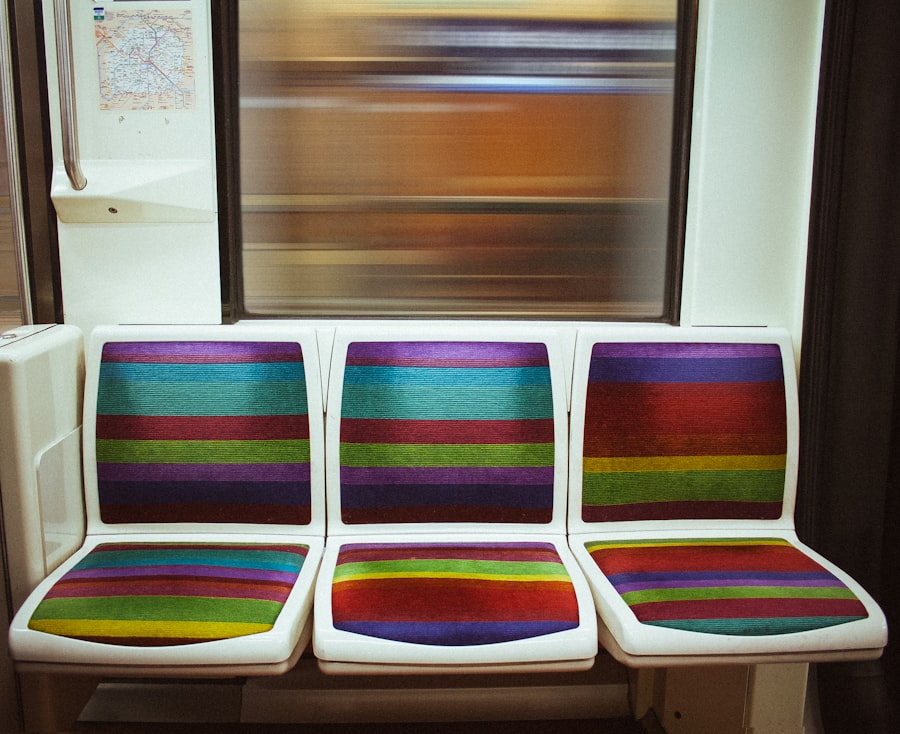
Recognizing the impact of velocity on the present moment is the first step. The subsequent, and arguably more crucial, step is to develop strategies for managing and modulating this velocity, thereby reclaiming a more grounded experience of ‘now’.
Intentional Pausing and Mindfulness Practices
Incorporating intentional pauses throughout the day can be a powerful antidote to high velocity. These pauses, even if brief, allow for a moment of conscious awareness, a centering of attention. Mindfulness practices, such as focused breathing exercises or observing sensory input without judgment, train the mind to be present. The deliberate act of slowing down and bringing attention to the immediate experience, regardless of the external pace, directly counteracts the dissociating effects of high velocity. This is about altering the internal velocity to match or transcend the external.
Curating Information Consumption
Consciously choosing what information to consume and how to consume it can significantly impact perceived velocity. This involves setting boundaries with digital devices, limiting exposure to constant news feeds, and prioritizing deeper engagement with fewer sources. Opting for slower forms of information intake, such as reading a physical book or listening to a podcast with deliberate attention, can help recalibrate the brain’s processing speed. The velocity of what one chooses to ‘feed’ the mind is a deliberate choice.
Establishing Boundaries and Prioritizing
Setting clear boundaries in both personal and professional life is essential for managing velocity. This includes learning to say ‘no’ to requests that would overload one’s capacity, delegating tasks when possible, and consciously scheduling time for activities that promote presence and well-being. Prioritizing activities that foster genuine connection and a sense of purpose over those that merely offer fleeting stimulation can help recalibrate life’s pace. The velocity of commitments, not just tasks, needs attention.
In exploring the concept of how velocity influences your slice of now, it’s fascinating to consider the implications of time perception in our fast-paced world. A related article discusses the intricate relationship between speed and consciousness, shedding light on how our experiences can shift based on the velocity at which we move through life. For a deeper understanding of this topic, you can read more in this insightful piece found here. This exploration not only enhances our awareness of time but also encourages us to reflect on how our daily choices affect our present moment.
The Long-Term Benefits of a Balanced Velocity
| Velocity | Impact on Slice of Now |
|---|---|
| Low Velocity | Slows down the pace of current activities and decision-making |
| Medium Velocity | Maintains a balanced pace for completing tasks and making decisions |
| High Velocity | Increases the speed of completing tasks and making decisions, potentially leading to higher productivity |
Cultivating a more balanced approach to velocity is not merely about reducing stress; it leads to tangible, long-term benefits that enrich the quality of life and deepen one’s engagement with the present.
Enhanced Well-being and Resilience
When individuals manage their velocity effectively, they often experience a significant improvement in their overall well-being. Reduced anxiety, better cognitive function, and increased emotional regulation contribute to greater resilience in the face of life’s challenges. A balanced velocity allows for a more sustainable and fulfilling engagement with both work and personal life. The present moment, when not rushed, becomes a source of stability.
Deeper Connections and Relationships
A life that is not dictated by overwhelming velocity allows for more meaningful connections with others. The ability to be fully present during conversations, to listen actively, and to engage authentically with loved ones fosters deeper, more robust relationships. When the velocity of a conversation is determined by genuine engagement rather than external pressures, its quality improves immeasurably. True connection thrives in the unhurried present.
Increased Creativity and Innovation
The frenetic pace of high-velocity living often stifles creativity. Paradoxically, it is often during periods of quiet contemplation and reduced velocity that innovative ideas emerge. By allowing the mind space to wander, to connect disparate thoughts, and to engage in deep thinking without immediate pressure, individuals can unlock their creative potential. The fertile ground for new ideas is often found when the velocity of external demands is lowered internally.
A Richer, More Fulfilling Existence
Ultimately, the impact of velocity on the present moment is about the quality of life. By consciously modulating the pace of our thoughts, our actions, and our consumption, we can reclaim the richness of each experience. A balanced velocity allows for appreciation of the small details, a deeper understanding of ourselves and the world around us, and a more profound sense of fulfillment derived from truly inhabiting our present moments. The velocity of life is not inherently good or bad; it is the intentionality with which we direct it that determines its impact on our capacity to be present.
FAQs
What is velocity and how does it affect our perception of time?
Velocity is the rate at which an object changes its position. When an object moves at a high velocity, time appears to pass more slowly for that object compared to a stationary observer. This is a concept known as time dilation, as described by Einstein’s theory of relativity.
How does velocity impact our experience of the present moment?
As velocity increases, the experience of the present moment changes. For example, astronauts traveling at high speeds in space experience time differently than people on Earth. Their “slice of now” is altered due to the effects of velocity on time perception.
Can velocity affect how we perceive events and the passage of time?
Yes, velocity can affect how we perceive events and the passage of time. As an object’s velocity increases, time appears to slow down for that object. This means that events may seem to unfold more slowly for an object in motion compared to a stationary observer.
How does the concept of time dilation relate to velocity?
Time dilation is a phenomenon that occurs as a result of velocity. According to Einstein’s theory of relativity, as an object’s velocity increases, time appears to pass more slowly for that object. This means that the concept of time dilation is directly related to the velocity of an object.
What are some real-world examples of how velocity changes our perception of the present moment?
Real-world examples of how velocity changes our perception of the present moment include the experiences of astronauts in space, who travel at high speeds and therefore experience time differently than people on Earth. Additionally, experiments with high-speed particles have demonstrated the effects of velocity on time perception.