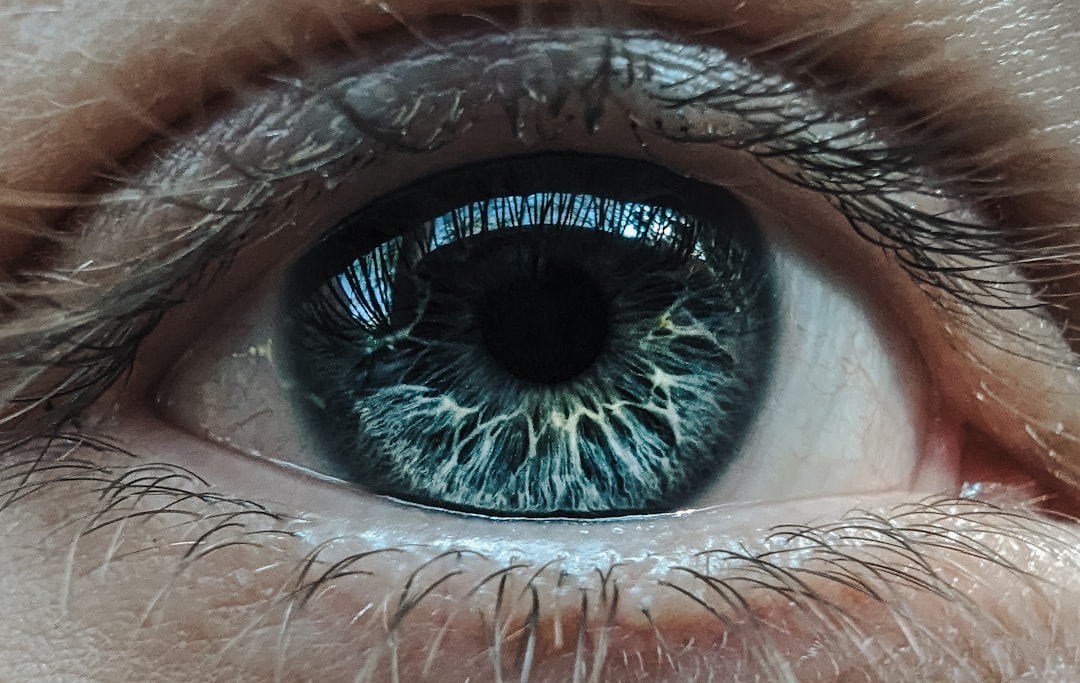
Your eyes, striking windows to your inner world, possess a remarkable characteristic: their color. This hue, dictated by the intricate interplay of genetics and pigment, is not static; it can, over time, be influenced by environmental factors. Among these influences, ultraviolet (UV) radiation from the sun stands out as a significant contributor to changes in iris color. You might not consciously notice these subtle shifts, but understanding this impact offers a deeper appreciation for both the resilience and vulnerability of your visual apparatus.
The color of your iris, the pigmented, muscular diaphragm controlling pupil size, is determined by the amount and type of melanin present within it. Melanin is a pigment that also colors your skin and hair, and its concentration directly dictates how light is absorbed and reflected, thus influencing perceived eye color.
The Role of Melanin in Pigmentation
Melanin exists in two primary forms: eumelanin and pheomelanin. Eumelanin is responsible for brown and black coloration, while pheomelanin contributes to red and yellow hues, often seen in lighter eye colors when combined with less eumelanin. The distribution and density of melanin within the stroma, the anterior layer of the iris, are the key determinants of your eye color.
Eumelanin: The Dominant Pigment
Eumelanin is the most prevalent form of melanin and is found in individuals of all ethnicities, though in varying quantities. Higher concentrations of eumelanin lead to darker irises, ranging from various shades of brown to black. This pigment effectively absorbs a broad spectrum of light, contributing to the inherent protective qualities of darker eyes.
Pheomelanin: A Contributing Factor in Lighter Eyes
Pheomelanin is less abundant in the iris compared to eumelanin. It is primarily associated with red and yellow tones. In individuals with lighter eye colors like blue, green, or hazel, the perception of color is a result of light scattering and the minimal presence of melanin. The presence of pheomelanin in these lighter irises can contribute to greenish or yellowish tinges.
Genetic Predisposition and Iris Color Variation
Your eye color is largely a genetic lottery. Genes, inherited from your parents, dictate the production and distribution of melanin. Variations in these genes lead to the vast spectrum of iris colors observed among humans. While genetics sets the foundation for your iris hue, external factors can subtly modify this inherent coloration.
Multiple Genes Influencing Melanin Production
It’s a misconception that a single gene controls eye color. Modern genetics has revealed that multiple genes contribute to the complex process of melanin synthesis and deposition in the iris. Genes like OCA2 and HERC2 are known to play significant roles in determining whether an iris will be brown, blue, or other shades.
The Spectrum of Natural Eye Colors
From the deepest ebony to the palest sky blue, the natural variations in iris color are a testament to genetic diversity. Understanding this genetic blueprint is crucial before considering external influences like UV radiation. Your baseline iris color is a product of your inherited traits.
Recent studies have shed light on the intriguing relationship between UV radiation and iris color, suggesting that increased exposure to sunlight may influence the pigmentation of our eyes. This phenomenon is particularly relevant in regions with high UV levels, where individuals may develop darker irises as a natural defense mechanism against harmful rays. For more insights into this fascinating topic, you can read the article on the impact of UV radiation on iris color at Freaky Science.
UV Radiation: An Invisible Force
Ultraviolet (UV) radiation, a component of sunlight, is invisible to the human eye but carries significant energy. It is categorized into three types: UVA, UVB, and UVC, each with distinct wavelengths and penetration depths. While UVC is largely absorbed by the Earth’s atmosphere, UVA and UVB rays reach your skin and, importantly, your eyes.
The Spectrum of UV Rays
The electromagnetic spectrum is a vast range of radiation, and UV rays occupy a specific portion of it. Their wavelengths vary, influencing their interaction with biological tissues. Understanding these wavelengths helps to clarify their potential impact on your iris.
UVA Rays: Penetrating and Persistent
UVA rays, with longer wavelengths, can penetrate deeper into the skin and ocular tissues. They are present throughout daylight hours and can contribute to chronic damage accumulation over time. Their ability to permeate means they can interact with various layers of the eye, including the iris.
UVB Rays: The Primary Sunburn Inducers
UVB rays, with shorter wavelengths, are more energetic and are the primary cause of sunburn. They are most intense during the midday sun. While their penetration into the eye is somewhat less than UVA, their higher energy can still cause damage to the superficial structures and, to a lesser extent, the iris itself.
Sources of UV Exposure
Your primary source of UV radiation is the sun. However, other artificial sources can also contribute to your overall exposure. Being aware of these sources allows you to take more comprehensive protective measures.
The Sun: The Unavoidable Daily Source
Every day you are exposed to sunlight, you are also exposed to UV radiation. The intensity of this radiation varies based on factors like time of day, season, latitude, and even altitude. Prolonged, unprotected exposure is the primary concern for cumulative damage.
Artificial UV Sources: Less Common but Potentially Intense
While less common for casual exposure, artificial sources like tanning beds, sunlamps, and some industrial lighting can emit significant levels of UV radiation. These sources warrant particular caution due to their concentrated and often prolonged use.
UV Radiation’s Interaction with Iris Tissue
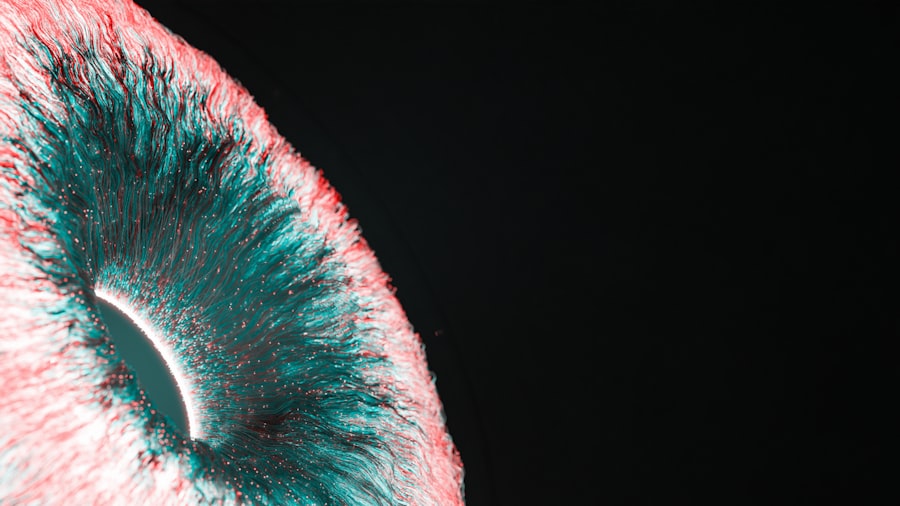
When UV radiation reaches your iris, it can interact with the melanin pigments and the cellular structures, leading to a cascade of effects that can alter the iris’s appearance. This interaction is not always immediately apparent but can manifest as gradual changes over years of exposure.
Melanin Absorption and Chemical Reactions
Melanin, while offering some degree of protection by absorbing UV light, is not impervious. The energy absorbed can trigger photochemical reactions within the pigment and surrounding tissues. This is where the potential for change begins.
Photodegradation of Melanin
Under prolonged UV exposure, melanin molecules can undergo photodegradation, a process where they break down. This breakdown can alter the light-absorbing properties of the melanin, potentially leading to lighter appearing areas in the iris over time.
Melanin Synthesis Stimulation
Conversely, in some instances, UV exposure can also stimulate melanocytes, the cells that produce melanin, to increase melanin production. This response is more akin to your skin’s tanning reaction and can, in theory, lead to darkening in some areas. However, the iris is a more delicate tissue, and the net effect is complex.
Cellular Damage and Inflammation
Beyond pigmentary changes, UV radiation can also cause direct cellular damage and trigger inflammatory responses within the iris. These effects, while often subtle, contribute to alterations in the iris’s structure and appearance.
Oxidative Stress and Free Radical Formation
UV radiation can generate reactive oxygen species (ROS), also known as free radicals. These unstable molecules can damage cellular components, including DNA and proteins, leading to oxidative stress within the iris tissue.
Inflammatory Response in the Iris
The cellular damage induced by UV radiation can elicit an inflammatory response. While short-term inflammation might be transient, chronic, low-grade inflammation can contribute to subtle changes in iris architecture and pigment distribution.
Visible Changes: Iris Color Alterations

The cumulative impact of UV radiation on your iris can result in observable changes in its color. These alterations are typically gradual and may not be immediately noticeable without careful observation or comparison with past photographs.
Lightening of the Iris Over Time
One of the most commonly reported effects of chronic UV exposure is a gradual lightening of iris color, particularly in individuals with lighter irises to begin with. This phenomenon is thought to be related to the photodegradation of melanin.
Breakdown of Melanin in the Iris Stroma
As the melanin pigments in the iris stroma break down due to UV energy absorption, there is less pigment to absorb light. This leads to increased scattering of light, which can make the iris appear lighter. The effect is analogous to how bleached hair loses its original color.
Emergence of Underlying Colors Due to Pigment Loss
With the decrease in melanin, the underlying structural colors or the limited amounts of pheomelanin can become more prominent. This could contribute to a shift in hue, for instance, from a deeper green to a more yellowish-green or from a hazel to a lighter brown.
Development of Mottling and Irregular Pigmentation
UV radiation can also lead to areas of uneven pigment degradation or in some cases, localized melanogenesis, resulting in a mottled or patchy appearance of the iris. This irregular pigmentation is a telltale sign of cumulative sun damage.
Uneven Melanin Distribution
The cellular response to UV damage can be inconsistent across the iris. Some areas might experience more significant melanin breakdown, while others might show compensatory melanin production. This disparity in pigment distribution creates the mottled effect.
Age Spots in the Iris (Iris Nevi and Freckles)
Similar to how sun exposure causes freckles and age spots on your skin, UV radiation can also contribute to the development of small pigmented spots or increased density of existing nevi (moles) within the iris. These are often referred to as iris freckles or nevi.
Recent studies have explored the fascinating connection between UV radiation and iris color, revealing how exposure to sunlight can influence the pigmentation of our eyes. For those interested in delving deeper into this topic, a related article discusses the various factors that contribute to eye color and the potential effects of environmental elements. You can read more about it in this insightful piece on the subject. Understanding these dynamics not only enhances our knowledge of human biology but also emphasizes the importance of protecting our eyes from excessive UV exposure. Check out the article here: related article.
Protective Measures and Long-Term Eye Health
| UV Radiation Level | Impact on Iris Color |
|---|---|
| Low | No significant impact on iris color |
| Moderate | Possible slight darkening of iris color |
| High | Possible significant darkening of iris color |
Understanding the impact of UV radiation on your iris is not just about cosmetic changes; it’s also about safeguarding your long-term eye health. Implementing protective measures can mitigate these effects and reduce the risk of other UV-related eye conditions.
The Importance of UV Protection for Your Eyes
Your eyes are susceptible to UV damage, and protecting them is as crucial as protecting your skin. Taking consistent steps to shield your eyes from the sun’s harmful rays can prevent both visible iris changes and more serious ocular health problems.
Sunglasses with UV Blocking Capabilities
The most effective way to protect your irises from UV radiation is by wearing sunglasses that offer 100% UV protection, meaning they block both UVA and UVB rays. This is a simple yet highly effective measure.
Wide-Brimmed Hats and Other Physical Barriers
Beyond sunglasses, wide-brimmed hats provide an additional layer of shade, further reducing the amount of UV radiation that reaches your eyes. This physical barrier is particularly beneficial during prolonged outdoor activities.
Regular Eye Examinations and Early Detection
Regular comprehensive eye examinations by an ophthalmologist or optometrist are vital for monitoring the health of your eyes, including the appearance of your iris. Early detection of any changes can lead to timely intervention and management.
Monitoring Iris Pigmentation Changes
An eye care professional can observe subtle changes in iris pigmentation that you might not notice yourself. They can document these changes over time and assess their significance.
Screening for UV-Related Ocular Conditions
UV radiation is a known risk factor for several serious eye conditions, including cataracts, macular degeneration, and pterygia. Regular eye exams help in the early detection and management of these conditions, which are often exacerbated by cumulative UV exposure.
In conclusion, the color of your iris, a defining characteristic, is influenced by a complex interplay of genetics and environmental factors. UV radiation from the sun, a ubiquitous presence, can, over time, subtly alter this hue. While these changes might be primarily cosmetic, they serve as a visible reminder of the ongoing interaction between your body and its environment. By understanding these effects and adopting protective measures, you not only preserve the aesthetic of your eyes but also invest in their long-term health. Your irises, with their unique colors, are a testament to your genetic inheritance, and by making conscious choices regarding UV protection, you can help to ensure they remain healthy and vibrant for years to come.
FAQs
1. What is UV radiation and how does it impact iris color?
UV radiation is a type of electromagnetic radiation that comes from the sun and can impact the color of the iris. Prolonged exposure to UV radiation can cause the iris to darken in color over time.
2. Can UV radiation cause permanent changes in iris color?
Yes, prolonged exposure to UV radiation can cause permanent changes in iris color. This is because UV radiation can stimulate the production of melanin in the iris, leading to a darkening of the eye color.
3. Are certain eye colors more susceptible to UV radiation-induced changes?
Yes, lighter eye colors such as blue or green are more susceptible to UV radiation-induced changes in iris color. This is because lighter eyes have less melanin to protect them from the effects of UV radiation.
4. How can one protect their eyes from UV radiation and prevent changes in iris color?
Wearing sunglasses that offer UV protection is the best way to protect the eyes from UV radiation. Additionally, wearing a wide-brimmed hat can provide extra protection. It’s also important to avoid prolonged exposure to direct sunlight, especially during peak UV hours.
5. Are there any health risks associated with changes in iris color due to UV radiation?
While changes in iris color due to UV radiation are generally harmless, prolonged exposure to UV radiation can increase the risk of developing cataracts and other eye conditions. It’s important to protect the eyes from UV radiation to maintain overall eye health.