The Impact of Temperature on Slippery Ice
The simple act of walking on ice, often taken for granted, reveals a complex interplay of physics and environmental factors. While ice is universally understood as a slippery surface, the degree of that slipperiness is not a constant. Instead, it is profoundly influenced by temperature, a factor that dictates everything from the microscopic structure of the ice to the macroscopic forces at play during human interaction. Understanding the impact of temperature on slippery ice is not merely an academic pursuit; it has direct implications for safety, transportation, and even the ecology of frozen environments.
At its core, the slipperiness of ice is a consequence of its molecular structure and the interactions between that structure and its surroundings. Temperature plays a pivotal role in dictating these microscopic behaviors, shaping the very nature of the frozen water.
Molecular Motion and the “Quasi-Liquid Layer”
Water molecules in solid ice are arranged in a crystalline lattice. At temperatures significantly below freezing, this lattice is relatively rigid, with molecules vibrating around fixed positions. However, as the temperature of the ice approaches its melting point (0°C or 32°F), something fascinating occurs. Even when the bulk of the ice remains solid, the molecules at the surface experience increased thermal energy. This increased energy allows them to break free from the strict confines of the crystalline structure and move more freely. This phenomenon leads to the formation of a thin, mobile layer on the surface of the ice, often referred to as the “quasi-liquid layer” or “surface melt.”
The existence of this quasi-liquid layer is a critical factor in ice slipperiness. Unlike a perfectly rigid, crystalline surface, this layer provides a lubrication effect. The mobile water molecules can easily slide past each other, reducing the friction between the ice and any object attempting to move across it. The thickness of this layer is directly proportional to the temperature. As the ice gets warmer and closer to its melting point, the quasi-liquid layer becomes thicker and more pronounced, leading to significantly increased slipperiness. Conversely, as the temperature drops well below freezing, this layer thins considerably, making the ice appear and feel more “grippy,” although still inherently slippery compared to many other surfaces.
Crystal Morphology and Surface Roughness
Beyond the quasi-liquid layer, temperature also influences the macroscopic shape and texture of ice crystals. When ice freezes slowly, at temperatures far below the freezing point, it tends to form larger, more defined crystals. These crystals can interlock and create a surface with a degree of roughness, even if it appears smooth to the naked eye. This roughness can, to some extent, increase friction.
However, as ice forms closer to the melting point, or when it undergoes cycles of melting and refreezing (such as during freeze-thaw cycles), the crystal structure can become more irregular and fragmented. This can lead to a surface that, while still possessing a quasi-liquid layer, may also be characterized by micro-cracks, fissures, and a generally less organized structure. The interplay between the quasi-liquid layer and the resulting surface roughness at different temperatures is complex. While a thicker quasi-liquid layer generally dictates slipperiness, a highly fractured or uneven surface can also contribute to a less predictable and potentially more hazardous slip.
Impurities and Their Temperature-Dependent Behavior
Natural ice is rarely pure water. It often contains dissolved salts, minerals, and other impurities. These impurities have a significant impact on the freezing point of water and, consequently, on the behavior of ice at different temperatures.
Salts, in particular, are known to lower the freezing point of water. This means that ice containing dissolved salts will remain in a liquid or semi-liquid state at temperatures below 0°C. The presence of these impurities can thus enhance the formation of the quasi-liquid layer, making salted ice considerably more slippery than pure ice at the same sub-zero temperature. The effectiveness of de-icing salts is a direct manifestation of this temperature-dependent impurity behavior. At very low temperatures, salts become less effective, as the ice structure becomes more rigid and the dissolved salts are less able to disrupt the lattice. However, at temperatures closer to freezing, salts dramatically increase slipperiness.
Understanding how temperature affects slippery ice is crucial for safety in winter conditions. A related article that delves deeper into this topic can be found at Freaky Science, where it explores the science behind ice formation and the impact of varying temperatures on its slipperiness. This information is particularly valuable for those who engage in winter sports or navigate icy roads, as it provides insights into how to better prepare for and respond to slippery surfaces.
The Macroscopic Impact: Friction and the Physics of Slipping
While the microscopic structure of ice dictates its fundamental properties, the macroscopic forces involved in movement across the ice surface are where the practical consequences of temperature become apparent. Friction, the force that opposes motion between two surfaces, is directly altered by temperature through its influence on the ice.
Coefficient of Friction and Temperature
The coefficient of friction is a dimensionless number that represents the ratio of the frictional force to the normal force pressing the two surfaces together. For ice, this coefficient is notoriously low, but it varies significantly with temperature. Generally, the coefficient of friction for ice increases as the temperature decreases. This means that ice is at its slipperiest at temperatures just below freezing, where the quasi-liquid layer is most pronounced. As the temperature drops further, the quasi-liquid layer thins, and the coefficient of friction begins to rise, making the ice comparatively less slippery.
However, this relationship is not perfectly linear. Extremely low temperatures, where the ice is very brittle and the quasi-liquid layer is almost non-existent, can lead to a peculiar effect. In such conditions, the ice surface can be so hard and rigid that it might offer slightly more resistance than ice at, say, -5°C. This is because at very low temperatures, the ice behaves more like a solid, and the microscopic asperities (tiny bumps and irregularities) on the ice surface can engage with the asperities of the object in contact, creating a degree of interlocking. Nevertheless, the overwhelming sensation and practical reality is that ice is generally slipperiest near its melting point.
Pressure Melting and its Role in Slipperiness
Another fascinating phenomenon that contributes to ice slipperiness, and which is indirectly influenced by temperature, is pressure melting. When pressure is applied to ice, its melting point is lowered. This is why ice skaters can glide so effortlessly: the pressure from the skate blade lowers the melting point of the ice directly beneath it, creating a thin layer of water that lubricates the skate.
While pressure is the primary driver of this phenomenon, temperature plays a role in its effectiveness. At warmer temperatures, the ice is already closer to its melting point, making the pressure-induced melting more readily achievable. At very cold temperatures, the ice is much harder, and a significantly higher pressure would be required to induce melting. Therefore, the combination of pressure and a warmer ice temperature leads to a more pronounced lubricating effect. This explains why ice can feel exceptionally slippery in a situation where both pressure and a relatively mild sub-zero temperature are present.
The Mechanics of a Slip
A slip occurs when the frictional force between a surface and an object’s foot is insufficient to overcome the forces of motion and gravity acting on the body. On ice, the low coefficient of friction, particularly at warmer sub-zero temperatures, makes it easy for the frictional force to be overcome.
When a person walks on ice, their foot exerts a normal force on the surface. If this force, combined with any forward motion, exceeds the maximum static friction that the ice can provide, the foot will slide. The thinning of the quasi-liquid layer at lower temperatures increases the static friction, making it harder for a slip to initiate. Conversely, at temperatures just below freezing, the lubrication provided by the quasi-liquid layer drastically reduces the static friction, making slips much more probable. The dynamic friction that comes into play once sliding has begun is also very low on ice, meaning that once a slip starts, it is difficult to arrest without external assistance or a change in the surface conditions.
Environmental Factors Amplifying Temperature’s Impact
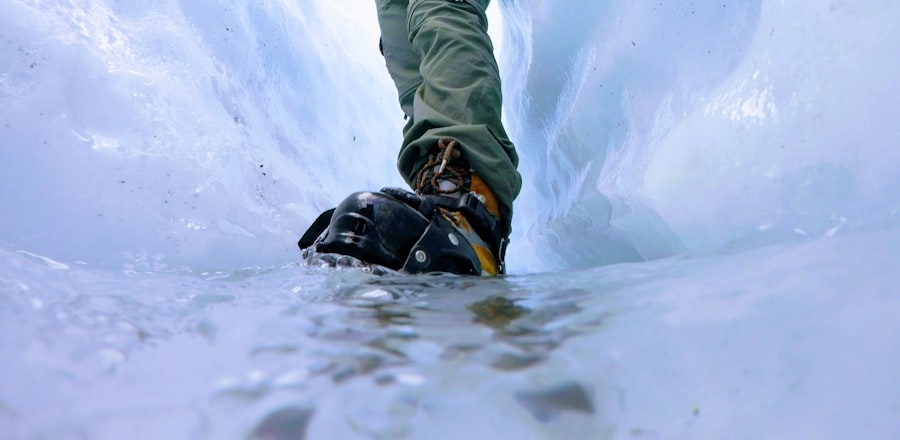
Temperature is the primary driver of ice slipperiness, but its impact is often amplified or modified by other environmental factors. These factors can create situations where ice is even more treacherous or, in some cases, less so.
Freezing Rain and the Creation of Glaze Ice
Freezing rain is a meteorological phenomenon that occurs when rain falls as a liquid but freezes on contact with surfaces that are at or below freezing. The resulting ice, known as glaze ice, is characterized by its smooth, transparent, and exceptionally slippery nature. This is because freezing rain tends to form a solid sheet of ice with minimal crystalline structure and a very thin, continuous quasi-liquid layer at its surface. The temperature during and immediately after a freezing rain event is crucial. If the air temperature is just below freezing, the ice formed will be at its slipperiest. Colder temperatures might lead to a slightly more rigid ice, but glaze ice remains a significant hazard regardless.
Snow Cover and its Insulating Properties
The presence of snow on top of ice can have a complex effect on slipperiness, and temperature plays a moderating role. A thin layer of dry, powdery snow can actually provide some grip by increasing the surface area and the interlocking of particles. However, as temperatures rise towards freezing, this snow can become wet and slushy. This wet snow, when combined with the underlying ice, creates an extremely slippery and treacherous surface. The water content in the slush effectively lubricates the ice, making it even easier to slip. Conversely, at very low temperatures, snow can act as an insulator, protecting the ice beneath from extreme cold and potentially maintaining a slightly thicker quasi-liquid layer than would otherwise exist if the ice were exposed to the frigid air.
The Impact of Wind on Ice Temperature
Wind can significantly influence the surface temperature of ice, even if the ambient air temperature remains relatively constant. Wind enhances heat transfer through convection. In colder conditions, wind can strip heat away from the ice surface, causing it to become colder and potentially reducing the thickness of the quasi-liquid layer. This could, in theory, make the ice slightly less slippery. Conversely, on a sunny but windy day, the sun’s radiation might warm the ice surface, while the wind might not be strong enough to dissipate that heat effectively. The complex interplay of radiative and convective heat transfer means that wind’s effect is not always straightforward and depends heavily on other environmental conditions.
Human Interaction and Safety Concerns
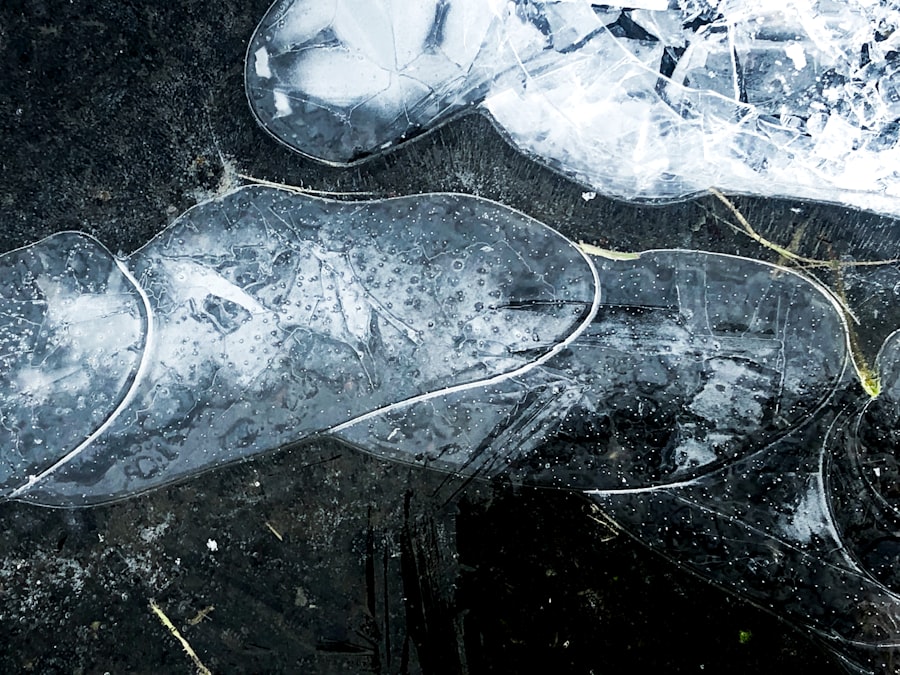
The slipperiness of ice, dictated by temperature, has direct and often severe consequences for human safety. Understanding these impacts is vital for preventing accidents and mitigating risks.
The Increased Risk of Falls and Injuries
The primary safety concern associated with slippery ice is the increased risk of falls. As previously discussed, the low coefficient of friction, particularly at warmer sub-zero temperatures, makes it difficult for individuals to maintain their balance. Falls on ice can lead to a wide range of injuries, from minor bruises and sprains to more serious fractures, head injuries, and dislocations. The severity of these injuries is often exacerbated by the hard, unyielding nature of the ice surface.
The temperature is a critical factor in determining the probability of these falls. During periods of mild winter weather, when temperatures hover just below freezing, sidewalks, roads, and other outdoor surfaces become particularly hazardous. This is often the time when the most slips and falls are reported. As temperatures drop significantly, while the ice might still be slippery, the increased friction at very low temperatures can offer a marginal improvement in stability.
The Challenges for Transportation
Slippery ice poses a significant challenge for transportation systems. Roads and runways coated in ice can become virtually impassable, leading to widespread disruption, accidents, and economic losses. The temperature is the key determinant of the slipperiness of road surfaces.
Winter Road Maintenance Strategies
Winter road maintenance crews employ various strategies to combat the dangers of icy roads, and these strategies are heavily influenced by temperature. De-icing salts, for instance, are most effective at temperatures slightly below freezing. As temperatures drop significantly, the efficacy of these salts diminishes, requiring the use of alternative materials like abrasives (sand, gravel) or more specialized chemicals. Understanding the temperature-dependent behavior of ice and de-icing agents is crucial for optimizing these maintenance efforts and ensuring public safety.
The Impact on Aviation
Aviation is particularly sensitive to the impact of temperature on ice. Ice accumulation on aircraft wings and control surfaces can dramatically alter their aerodynamic properties, leading to catastrophic loss of lift and control. On the ground, icy runways create significant challenges for takeoffs and landings. Temperature plays a critical role in the rate of ice formation and the type of ice that forms. Colder temperatures might lead to drier, more crystalline ice that can be more easily removed by de-icing fluids, while temperatures closer to freezing can lead to more stubborn and insidious ice buildup.
Understanding how temperature affects slippery ice is crucial for both safety and recreation during winter months. A related article discusses the science behind ice formation and the conditions that lead to its slipperiness, which can be particularly useful for those engaging in activities like skating or driving on icy roads. For more insights, you can read the article here. This information can help individuals make informed decisions about when and where to venture onto icy surfaces.
Conclusion: A Dynamic and Temperature-Driven Phenomenon
| Temperature (°C) | Effect on Slippery Ice |
|---|---|
| Below 0°C | Ice becomes more slippery as it melts and refreezes, creating a thin layer of water on the surface |
| Around 0°C | Ice can be extremely slippery as it transitions between solid and liquid states |
| Above 0°C | Ice becomes less slippery as it melts and the surface becomes wet |
The slipperiness of ice is not a static property but a dynamic phenomenon intimately linked to temperature. From the microscopic dance of water molecules forming a lubricating quasi-liquid layer to the macroscopic forces of friction that determine our ability to stand and move, temperature dictates the very nature of ice and its propensity to cause slips. Warmer sub-zero temperatures, where the quasi-liquid layer is most pronounced, are typically associated with the slipperiest ice. However, the interplay of factors like crystal morphology, impurities, and environmental conditions can create a complex spectrum of slipperiness. Recognizing and understanding the profound impact of temperature on ice is paramount for ensuring safety, designing effective transportation systems, and navigating the challenges of our frozen world.

Why Ice Is Slippery Is Stranger Than You Think
FAQs
1. How does temperature affect the slipperiness of ice?
Temperature affects the slipperiness of ice by influencing the state of the ice. Warmer temperatures can cause ice to melt and become more slippery, while colder temperatures can cause ice to become more solid and less slippery.
2. At what temperature does ice become most slippery?
Ice becomes most slippery at temperatures near the freezing point, around 32°F (0°C). At this temperature, the ice surface can become wet and slick, increasing the likelihood of slipping.
3. How does temperature affect the formation of black ice?
Black ice forms when the air temperature is at or below freezing, causing any precipitation to freeze upon contact with the ground. This thin layer of ice can be especially dangerous because it is difficult to see and can be extremely slippery.
4. Can warmer temperatures make ice less slippery?
Yes, warmer temperatures can make ice less slippery by causing it to melt and create a thin layer of water on the surface. This thin layer of water can provide more traction and reduce the slipperiness of the ice.
5. How does temperature affect the effectiveness of ice-melting products?
Temperature can affect the effectiveness of ice-melting products by influencing the rate at which they work. In colder temperatures, ice-melting products may take longer to work, while in warmer temperatures, they may work more quickly to melt ice and reduce slipperiness.