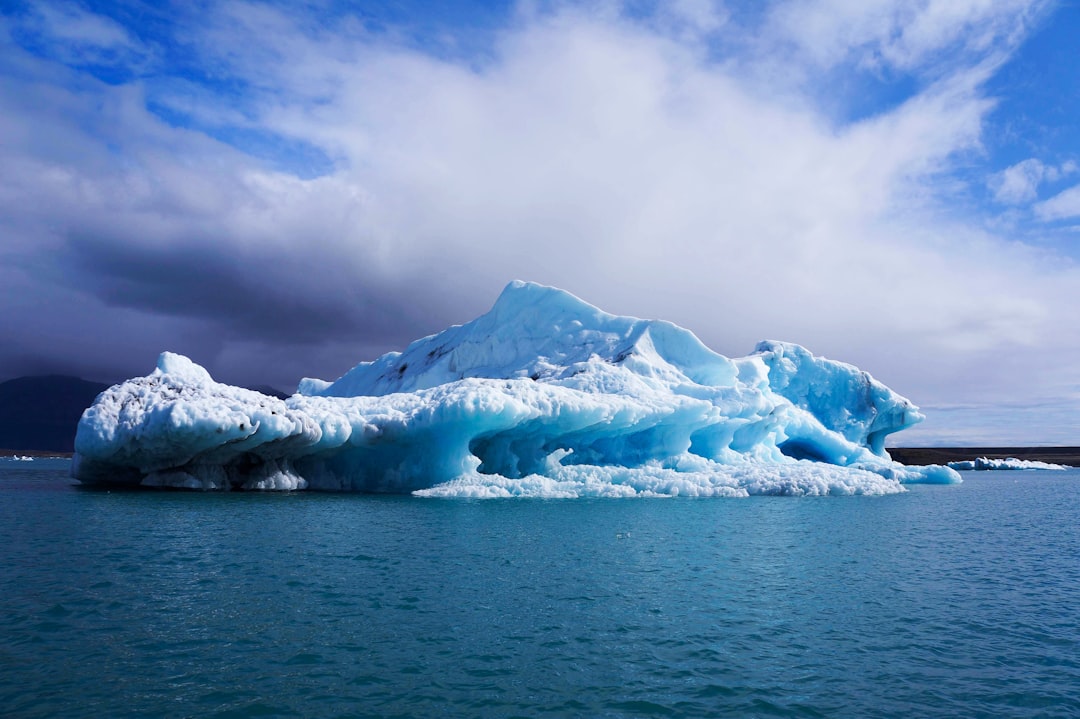
The Arctic, a region often characterized by its frigid embrace, is experiencing profound transformations. Among these, the diminishing extent and thickness of its sea ice stand as a stark indicator of a warming planet. This essay delves into the intricate relationship between Arctic sea ice loss and its potential ramifications for the Atlantic Meridional Overturning Circulation (AMOC), a critical component of the global climate system.
The Arctic as an ecosystem is highly sensitive to changes in temperature. Historically, its vast expanse of sea ice has played a crucial role in regulating global climate, acting as a reflective shield that bounces solar radiation back into space. However, this reflective capacity is rapidly diminishing, leading to a cascade of effects.
Observed Trends in Arctic Sea Ice
Scientific observations reveal a clear and accelerating trend of sea ice decline. Since the late 1970s, satellite data has consistently shown a decrease in both the annual minimum and maximum extent of Arctic sea ice.
- Decreased Minimum Extent: The September minimum, representing the smallest annual sea ice area, has experienced a particularly dramatic reduction. This loss of multi-year ice, the thicker, older ice that persists through multiple melt seasons, is particularly concerning.
- Reduced Thickness: Beyond the shrinking area, the remaining ice is also becoming thinner. This makes it more susceptible to melting in subsequent seasons, creating a feedback loop where thinner ice melts more easily, leading to even thinner ice.
- Earlier Melt Onset and Later Freeze-up: The melt season in the Arctic is beginning earlier and extending later into the autumn, further contributing to the overall decline in ice volume.
Drivers of Arctic Warming
Multiple factors contribute to the accelerated warming observed in the Arctic, often referred to as Arctic Amplification.
- Albedo Effect: As sea ice melts, it exposes darker ocean water, which absorbs more solar radiation than the reflective ice. This increased absorption leads to further warming, accelerating ice melt in a positive feedback loop. Imagine a vast mirror slowly being replaced by a dark, heat-absorbing surface.
- Greenhouse Gas Concentrations: Elevated levels of greenhouse gases in the atmosphere, primarily from anthropogenic sources, trap more heat, contributing to global warming. The Arctic, due to its unique geographical and atmospheric characteristics, experiences this warming at an accelerated rate.
- Oceanic Heat Transport: Warmer ocean currents from lower latitudes are increasingly penetrating the Arctic Ocean, contributing to the melting of sea ice from below.
Recent studies have highlighted the significant impact of Arctic sea ice loss on the Atlantic Meridional Overturning Circulation (AMOC), which plays a crucial role in regulating global climate patterns. For a deeper understanding of this complex relationship, you can explore the article on Freaky Science that delves into the implications of diminishing sea ice and its potential effects on ocean currents. To read more, visit Freaky Science.
Understanding the Atlantic Meridional Overturning Circulation (AMOC)
The AMOC is a large-scale system of ocean currents that transports warm, salty water northward in the upper ocean and returns colder, denser water southward at depth. It functions as a global conveyor belt, playing a vital role in Earth’s climate regulation.
Components and Dynamics of AMOC
The AMOC comprises several key components that interact to drive its circulation.
- Gulf Stream Extension: The warm, surface waters of the Gulf Stream flow northeastward across the Atlantic, carrying significant amounts of heat towards higher latitudes.
- North Atlantic Deep Water (NADW) Formation: As these warm, salty waters reach the subpolar North Atlantic, they cool, become denser, and begin to sink. This process, particularly prominent in the Labrador, Irminger, and Greenland Seas, forms the NADW.
- Density-Driven Convection: The sinking of dense NADW acts as a primary driving force for the entire AMOC, pulling warmer surface waters northward and pushing deeper, colder waters southward. This is akin to a giant, underwater pump.
- Upwelling and Return Flow: The deep, cold waters then spread southward through the Atlantic Ocean, eventually upwelling in other parts of the world’s oceans to complete the circulation.
Regional Climate Influence of AMOC
The AMOC exerts a profound influence on regional climates, particularly in Europe and the North Atlantic.
- European Climate Moderation: The heat transported by the AMOC warms the North Atlantic, contributing significantly to the relatively mild climate of Western Europe. Without this heat advection, Europe would experience much colder winters.
- Impact on Precipitation Patterns: Changes in AMOC strength can alter atmospheric circulation patterns, influencing precipitation distribution across the Atlantic basin.
- Marine Ecosystems: The circulation patterns driven by the AMOC influence nutrient distribution and oceanographic conditions, impacting marine productivity and the distribution of marine species.
Mechanisms of Arctic Sea Ice Loss Impacting AMOC
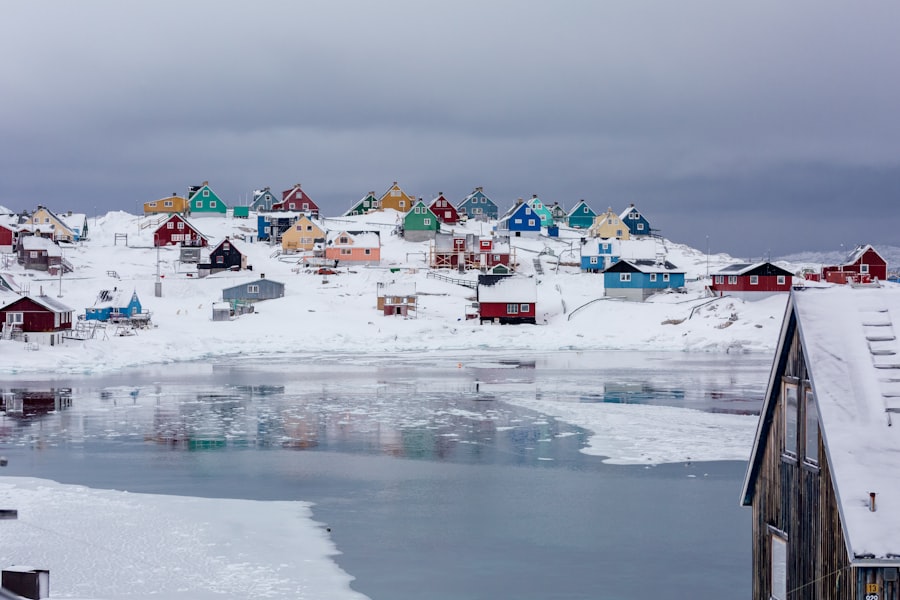
The melting of Arctic sea ice is not merely a localized phenomenon; it has the potential to perturb the delicate balance that sustains the AMOC. Several interconnected mechanisms are at play.
Freshwater Release and Stratification
One of the most direct pathways through which Arctic sea ice loss can affect AMOC is the massive influx of freshwater into the North Atlantic.
- Increased Runoff from Greenland Ice Sheet: As Arctic temperatures rise, the Greenland Ice Sheet experiences accelerated melting, releasing vast quantities of freshwater directly into the North Atlantic.
- Melting Sea Ice: While the melting of sea ice itself does not directly add freshwater to the ocean (as it is already floating in seawater), it contributes to changes in ocean stratification. The absence of ice cover allows for greater freshwater input from precipitation and river runoff to accumulate at the surface.
- Reduced Salinity and Density: This influx of freshwater reduces the salinity of the surface waters in the North Atlantic. Fresher water is less dense than saltier water, even at the same temperature. This reduction in density inhibits the sinking of surface waters, a crucial step in NADW formation. Imagine trying to make a heavy stone sink in a tub of increasingly diluted water.
Weakening of Convective Overturning
The reduction in surface water density directly impairs the process of open-ocean convection, which is the engine of NADW formation.
- Inhibition of Vertical Mixing: The lighter, fresher surface layer makes the water column more stratified, meaning there’s a stronger barrier to vertical mixing. This prevents the warm, salty surface waters from cooling and sinking effectively.
- Reduced Deep Water Formation: With less efficient sinking of surface waters, the rate of NADW formation decreases. This directly weakens the “pull” of the AMOC, analogous to a pump losing its suction.
- Feedback Loops: A weaker AMOC could lead to further warming in the Arctic by reducing the southward transport of heat, potentially accelerating ice melt and further reinforcing the freshwater influx, creating a dangerous feedback loop.
Changes in Ocean Heat Content and Upper Ocean Dynamics
Beyond freshwater input, the diminishing sea ice cover also influences the thermal characteristics of the Arctic Ocean and its interaction with the North Atlantic.
- Increased Heat Absorption: The open water exposed by melting sea ice absorbs more solar radiation, leading to warmer surface waters in the Arctic. This warmer water can then be transported into the North Atlantic, further warming the upper ocean.
- Altered Wind Stress and Circulation Patterns: The presence or absence of sea ice significantly influences atmospheric circulation patterns and wind stress on the ocean surface. These changes can alter ocean currents and the pathways of heat transport within the North Atlantic, potentially impacting the AMOC.
- Impact on Deep Convection Sites: Warmer surface temperatures in the convection regions can also contribute to reduced density of surface waters, hindering the sinking process, even if salinity levels remain constant.
Observed Evidence and Future Projections

While the complex interplay between Arctic sea ice, freshwater fluxes, and the AMOC is under continuous investigation, a growing body of evidence suggests that changes are already underway, and future projections paint a concerning picture.
Paleoclimate Evidence
Insights from Earth’s past provide compelling evidence of the AMOC’s sensitivity to freshwater fluxes from melting ice sheets.
- Heinrich Events: During glacial periods, episodic discharges of freshwater from continental ice sheets (known as Heinrich Events) are strongly correlated with significant weakenings or even shutdowns of the AMOC. These events provide a historical analogue for the potential impact of modern-day ice melt.
- Younger Dryas: The abrupt cooling event known as the Younger Dryas, roughly 12,900 to 11,700 years ago, is also thought to have been triggered by a rapid influx of freshwater into the North Atlantic, disrupting the AMOC and plunging parts of the Northern Hemisphere back into glacial conditions. These past events serve as chilling reminders of the AMOC’s climate-regulating power.
Modern Observations and Modeling Studies
Contemporary scientific investigations, utilizing a combination of observational data and sophisticated climate models, are providing crucial insights into the current state and future trajectory of the AMOC.
- Observed AMOC Weakening: Multiple observational arrays, such as the RAPID array, have indicated a weakening trend in the AMOC over recent decades. While the precise magnitude and attribution of this weakening are still being debated, the general trend is consistent with predictions of freshwater-induced slowdowns.
- Climate Model Projections: A consensus among climate models suggests a likely weakening of the AMOC throughout the 21st century under various greenhouse gas emission scenarios. The degree of weakening varies between models, but a complete shutdown, while less likely in the short term, cannot be entirely ruled out in more extreme scenarios.
- Attribution Challenges: Separating the influence of natural climate variability from anthropogenic forcing in observed AMOC changes remains a complex challenge. However, the consistent long-term trends cannot be solely explained by natural variations.
Potential Consequences of a Weakened AMOC
A significant weakening or collapse of the AMOC would have far-reaching and potentially disruptive consequences for global climate and ecosystems.
- European Cooling: Perhaps the most immediate and direct impact would be a substantial cooling across Western Europe, potentially leading to harsher winters and a disruption of agricultural patterns. Imagine the warmth generated by a large central heating system gradually diminishing in a vast building.
- Sea Level Rise on U.S. East Coast: A weaker AMOC would reduce the ‘pile-up’ of water along the U.S. East Coast, leading to an acceleration of regional sea level rise.
- Alterations in Tropical Rainfall Patterns: Changes in AMOC affect the position of the Intertropical Convergence Zone (ITCZ), a band of intense rainfall around the equator, leading to altered precipitation patterns in tropical regions. This could result in prolonged droughts in some areas and increased flooding in others.
- Impact on Marine Ecosystems: Changes in ocean circulation, temperature, and nutrient transport would severely impact marine ecosystems in the North Atlantic and beyond, affecting fish populations and biodiversity.
The ongoing loss of Arctic sea ice has significant implications for the Atlantic Meridional Overturning Circulation (AMOC), a crucial component of Earth’s climate system. As the ice melts, it alters the salinity and temperature gradients in the North Atlantic, potentially disrupting this vital ocean current. For a deeper understanding of these dynamics and their broader impacts on global climate patterns, you can read more in this related article on the subject. The insights provided there could help illuminate the complex interactions between Arctic changes and AMOC stability. Check it out here.
Addressing the Interconnected Challenge
| Metric | Description | Observed/Projected Change | Impact on AMOC | Source |
|---|---|---|---|---|
| Arctic Sea Ice Extent | Average minimum summer sea ice coverage in million square kilometers | Decline of ~13% per decade since 1979 | Increased freshwater input from melting ice dilutes North Atlantic surface waters | NSIDC (2023) |
| Freshwater Flux to North Atlantic | Volume of freshwater entering North Atlantic from Arctic melt (km³/year) | Increase of ~500 km³/year over past 30 years | Reduces surface water density, weakening AMOC circulation | IPCC AR6 (2021) |
| AMOC Strength | Maximum overturning circulation strength in Sverdrups (Sv) | Observed decline of ~15% since mid-20th century | Slower heat transport to North Atlantic, affecting climate patterns | Caesar et al., Nature (2021) |
| Sea Surface Salinity (North Atlantic) | Average salinity in PSU (Practical Salinity Units) | Decrease of 0.1-0.2 PSU in subpolar gyre region | Contributes to AMOC weakening by reducing water density | NOAA (2022) |
| Projected AMOC Decline by 2100 | Model-based projection under high emission scenarios | Potential decline up to 34% | Significant disruption of global climate and weather systems | IPCC AR6 (2021) |
The intricate relationship between Arctic sea ice loss and the AMOC underscores the interconnectedness of Earth’s climate system. Addressing this challenge requires a multifaceted approach.
Mitigation of Greenhouse Gas Emissions
At the core of the problem lies the accumulation of greenhouse gases in the atmosphere, driving Arctic warming and subsequent ice melt.
- Paris Agreement Targets: Achieving the goals of the Paris Agreement, aiming to limit global warming to well below 2°C above pre-industrial levels, is paramount to slowing down Arctic warming and mitigating its impacts.
- Transition to Renewable Energy: A rapid and comprehensive transition from fossil fuels to renewable energy sources is essential to reduce emissions.
- Carbon Sequestration: Implementing and scaling up technologies for carbon capture and sequestration can play a role in directly removing greenhouse gases from the atmosphere.
Adaptation Strategies
While mitigation is crucial, some level of climate change is already inevitable, necessitating adaptation strategies.
- Coastal Protection: For regions facing accelerated sea level rise, investing in coastal defenses and adaptation measures is critical.
- Water Resource Management: Changes in rainfall patterns will require robust water resource management strategies to ensure water security for agriculture and human consumption.
- Ecosystem Resilience: Supporting and enhancing the resilience of natural ecosystems can help them withstand the impacts of a changing climate.
Continued Monitoring and Research
Understanding the full scope of potential AMOC changes and their implications requires ongoing scientific endeavor.
- Sustained Observational Systems: Maintaining and expanding observational networks, such as the RAPID array and Arctic monitoring programs, is vital for tracking changes in sea ice, freshwater fluxes, and AMOC strength.
- Refinement of Climate Models: Continuous improvement of climate models, incorporating greater detail and improved representations of oceanographic processes, will enhance the accuracy of future projections.
- Interdisciplinary Collaboration: Fostering collaboration among oceanographers, glaciologists, atmospheric scientists, and social scientists is crucial for a holistic understanding and effective response to this complex challenge.
The Arctic’s melting mosaic of ice is not merely a regional curiosity; it is a critical component of a global climate system where disruptions can reverberate across continents. The potential weakening of the AMOC, a giant underwater engine, serves as a stark reminder of the far-reaching consequences of human impact on the planet. By understanding these intricate connections and acting decisively on climate change, we can strive to preserve the stability of Earth’s life-sustaining systems.

WARNING: The Ocean Conveyor Belt Is Already Collapsing
FAQs
What is the Arctic sea ice and why is its loss significant?
Arctic sea ice is frozen ocean water that covers the Arctic Ocean and surrounding seas. Its loss is significant because it affects global climate patterns, ocean circulation, and habitats for wildlife. The reduction in sea ice also influences the Earth’s albedo, leading to further warming.
What is the Atlantic Meridional Overturning Circulation (AMOC)?
The AMOC is a large system of ocean currents in the Atlantic Ocean that transports warm, salty water from the tropics to the North Atlantic and returns colder water southward at depth. It plays a crucial role in regulating climate by distributing heat and influencing weather patterns.
How does Arctic sea ice loss impact the AMOC?
Loss of Arctic sea ice contributes to increased freshwater input into the North Atlantic from melting ice and increased precipitation. This freshwater can reduce the salinity and density of surface waters, potentially weakening the sinking process that drives the AMOC, which may slow down or disrupt this circulation.
What are the potential climate consequences of a weakened AMOC due to Arctic sea ice loss?
A weakened AMOC can lead to cooler temperatures in parts of Europe and North America, disrupt monsoon patterns, increase sea level rise along the U.S. East Coast, and contribute to more extreme weather events globally. It may also affect marine ecosystems and fisheries.
Is the impact of Arctic sea ice loss on the AMOC reversible or preventable?
The impact depends on the extent and rate of sea ice loss and associated freshwater input. Mitigating global warming by reducing greenhouse gas emissions can slow Arctic ice loss and help maintain AMOC stability. However, if significant weakening occurs, recovery could take decades or longer, making prevention critical.