The Whisper of the Cool Breeze: A Closer Look at Air Conditioning’s Heat Equation
You’ve probably felt it: that glorious, life-affirming rush of cool air as you step inside from the sweltering embrace of a summer’s day. Air conditioning, a ubiquitous marvel of modern engineering, has fundamentally reshaped our relationship with heat. It has transformed arid deserts into habitable metropolises and made the hottest months of the year bearable, even enjoyable. But as you bask in its artificial chill, have you ever stopped to consider the true cost of this comfort? Is air conditioning a benevolent force, a creator of comfort and opportunity, or does its relentless hum mask a more sinister impact on the very heat it seeks to conquer? This exploration delves into the multifaceted impact of air conditioning, examining its role in both mitigating and potentially exacerbating the global heat problem.
The story of air conditioning is, at its heart, a story of human ingenuity battling an environmental force. Before its widespread adoption, human settlement patterns were largely dictated by climate. Extreme heat limited productivity, threatened health, and often made areas simply uninhabitable for significant portions of the year. Air conditioning, however, has untethered us from these constraints, allowing for the flourishing of industries and populations in regions previously deemed too challenging. This newfound freedom, this ability to sculpt our immediate environment to our preference, is undeniably a triumph. Yet, as you will discover, every solution often carries its own set of complexities.
## The Immediate Relief: How AC Defeats Local Heat
Let’s start with the most apparent impact of air conditioning: its ability to create pockets of cool, comfortable environments. This is the primary reason for its existence and its widespread adoption. Think about your own experience. On a scorching afternoon, the desire to escape the oppressive heat is primal. Air conditioning delivers on this desire, offering a sanctuary from the relentless sun.
### Creating Habitable Spaces
Without air conditioning, the urban heat island effect, a phenomenon where cities are significantly warmer than surrounding rural areas, would be far more oppressive. The concentration of buildings, concrete, and human activity traps heat, radiating it back into the atmosphere and creating a self-perpetuating cycle of warmth. Air conditioning, by actively cooling buildings, provides a crucial buffer against this. It allows for the existence and prosperity of dense urban populations, transforming what would otherwise be inhospitable concrete jungles into places where people can live, work, and thrive. Consider the sprawling metropolises of the American Southwest, or the vibrant cities in the Middle East, regions where air conditioning is not a luxury but a necessity for survival and economic activity. These areas would simply not be as developed or populated without it.
### Enhancing Productivity and Well-being
Beyond mere survival, air conditioning has a profound impact on human productivity and well-being. Studies have shown that extreme heat can significantly impair cognitive function, reduce physical stamina, and even lead to increased aggression. By maintaining a comfortable indoor temperature, air conditioning allows individuals to concentrate better at work, perform more demanding tasks, and generally feel more at ease. This has far-reaching economic implications, boosting output in offices, factories, and even classrooms. Furthermore, for individuals with certain health conditions, such as cardiovascular issues or respiratory problems, extreme heat can be dangerous. Air conditioning provides a vital lifeline, offering a safe and stable environment that mitigates these risks. Your ability to focus on this very article, perhaps while comfortably cool indoors, is a testament to this effect.
### Preserving Goods and Technology
The impact of air conditioning extends beyond human comfort to the preservation of goods and the functioning of critical technologies. Many industries rely on controlled environments to prevent spoilage, maintain product integrity, or ensure the proper operation of sensitive equipment. From food storage and pharmaceuticals to data centers and electronics manufacturing, maintaining precise temperature and humidity levels is paramount. Without air conditioning, entire sectors of our economy would be severely hampered, leading to significant losses and disruptions. The data servers that power your internet, the medicines that keep you healthy, and the food you eat all benefit from the consistent cool of an air-conditioned environment.
Air conditioning systems often lead to confusion regarding their impact on heat, as they seem to cool spaces while simultaneously generating heat outside. For a deeper understanding of this phenomenon, you can explore the article titled “Does Air Conditioning Create or Destroy Heat?” which discusses the principles behind air conditioning and its effects on indoor and outdoor temperatures. To read more about this topic, visit this article.
## The Hidden Cost: Air Conditioning as a Heat Generator
While air conditioning excels at creating local coolness, its operation is not without consequences for the broader thermal environment. The very process of removing heat from your indoor space involves expelling that heat elsewhere, and in doing so, contributing to the overall thermal load of the planet. This is where the concept of air conditioning as a potential creator of heat, rather than merely its destroyer, comes into play.
### The Thermodynamics of Cooling
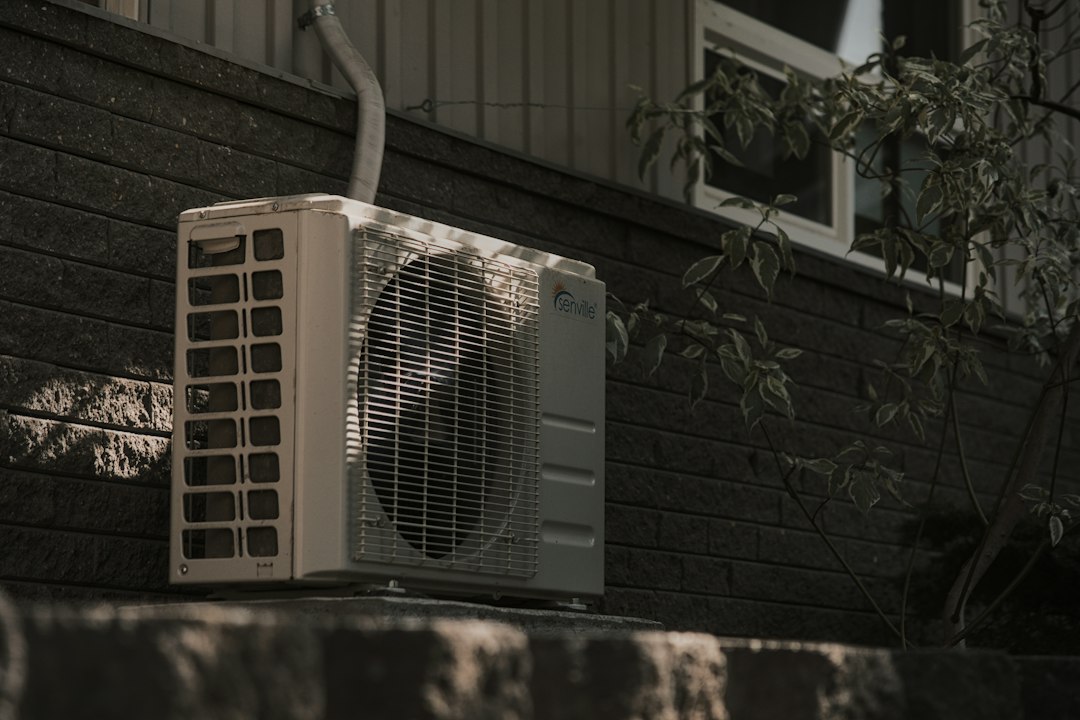
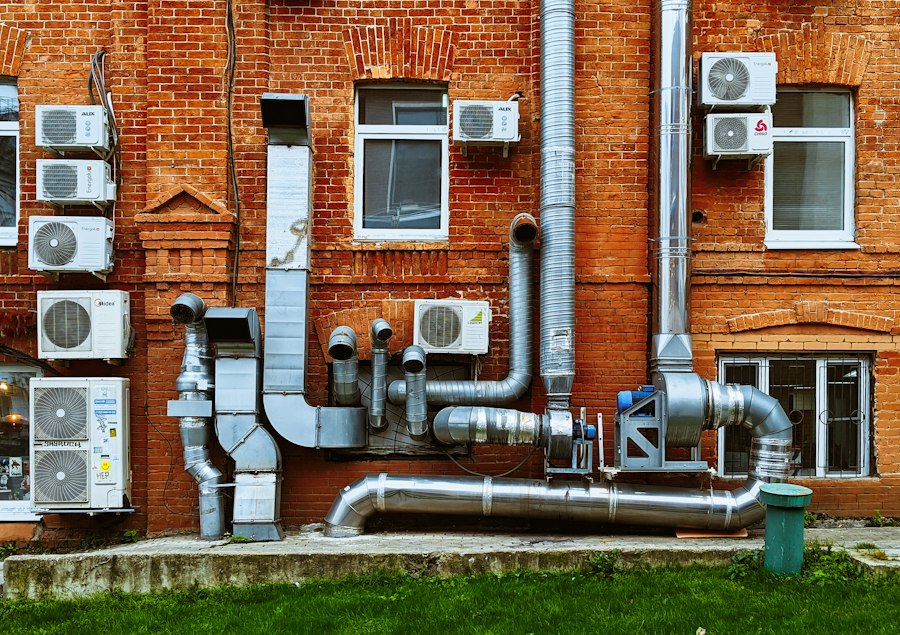
At its core, air conditioning is a heat pump. It doesn’t magically eliminate heat; it moves it. The refrigerants within the system absorb heat from the indoor air, and then this heat is released into the outdoor environment. This process, while providing you with a cool oasis, essentially concentrates heat and dumps it outside. Imagine your air conditioner as a diligent worker, diligently carrying buckets of heat from your living room and emptying them onto your patio. While your living room cools, your patio, and by extension, the surrounding atmosphere, warms up. This is a fundamental law of physics, and it means that every kilowatt-hour of energy you use to cool your home contributes to the ambient temperature outside.
### Contributing to the Urban Heat Island Effect
As mentioned earlier, urban areas are already prone to the urban heat island effect. The widespread use of air conditioning in cities exacerbates this phenomenon. The heat expelled by millions of individual air conditioning units, combined with the heat generated by the power plants that supply their electricity, creates a significant thermal burden on urban environments. This means that even when the sun goes down, the city remains warmer than the surrounding countryside, making it harder for natural cooling processes to take effect. You might notice this on a summer evening: stepping out of an air-conditioned building into the already warm night air of a city can feel stifling, a testament to the collective heat being released.
### Energy Consumption and Greenhouse Gas Emissions
The operation of air conditioning units is a significant drain on electricity grids, particularly during peak summer demand. This electricity is often generated from burning fossil fuels, which releases greenhouse gases like carbon dioxide into the atmosphere. These gases trap heat, contributing to global warming. Therefore, every hour you spend in a comfortably air-conditioned room indirectly contributes to the very problem of rising global temperatures. The energy required to power your AC, and the subsequent emissions from power generation, create a feedback loop that can, paradoxically, lead to warmer summers in the long run, necessitating even more air conditioning.
## The Broader Environmental Ripple: AC’s Global Footprint
Beyond the immediate vicinity of your home or office, the impact of air conditioning has far-reaching consequences for the global environment. These effects are often less visible but no less significant, impacting everything from the ozone layer to the very climate we are trying to manage.
### Refrigerant Leakage and Ozone Depletion
Many older air conditioning systems used refrigerants like chlorofluorocarbons (CFCs) and hydrochlorofluorocarbons (HCFCs). These chemicals, while effective at cooling, were found to be highly damaging to the Earth’s ozone layer, which protects us from harmful ultraviolet radiation. While international agreements like the Montreal Protocol have phased out many of these harmful substances, older units still exist, and accidental leaks can release these potent ozone-depleting chemicals into the atmosphere. Even newer refrigerants, while less damaging to the ozone layer, can still be potent greenhouse gases if released. The careful handling and disposal of refrigerants are crucial to minimizing this impact.
### Water Usage and Resource Strain
The process of air conditioning, particularly in large commercial buildings and industrial settings, often requires significant amounts of water for cooling towers. In regions already facing water scarcity, this can place an enormous strain on local resources. The energy required to pump and treat this water further adds to the overall environmental footprint of air conditioning. This is an often-overlooked aspect of AC’s impact, but in water-stressed areas, the demand for cooling can directly compete with the need for drinking water and agricultural irrigation.
### Shifting Climate Patterns and Increased Demand
The debate continues on the extent to which air conditioning directly influences global climate patterns. However, it is undeniable that by allowing human populations and economic activities to flourish in previously uninhabitable hot climates, air conditioning contributes to the overall increase in global energy demand. As more regions become populated and industrialized due to AC, their cumulative heat output and energy consumption will naturally have a larger impact on the global thermal balance. This creates a complex feedback loop: as the planet warms, the demand for air conditioning increases, leading to more energy consumption and emissions, further contributing to warming.
## The Future of Cool: Innovations and Alternatives
Recognizing the environmental challenges posed by traditional air conditioning, researchers and engineers are actively pursuing innovative solutions and alternative approaches to cooling. The goal is to provide comfort without the same level of environmental cost.
### Energy-Efficient Technologies
Significant advancements are being made in the efficiency of air conditioning units. Newer models use less electricity to achieve the same level of cooling, and technologies like variable-speed compressors and improved insulation can further reduce energy consumption. Smart thermostats also play a crucial role, learning your habits and optimizing cooling schedules to avoid unnecessary energy use. Investing in energy-efficient AC systems and adopting smart home technologies are tangible steps you can take to mitigate your personal impact.
### Passive Cooling Strategies
Before the advent of mechanical cooling, humans relied on ingenious passive strategies to stay cool. These methods, which involve designing buildings and urban spaces to take advantage of natural cooling processes, are gaining renewed attention. This includes techniques like natural ventilation, shading with vegetation or architectural elements, using reflective building materials, and incorporating water features. By rethinking building design and urban planning, we can significantly reduce the need for active cooling. Imagine buildings designed with deep overhangs, strategically placed windows for cross-ventilation, and green roofs that insulate and cool.
### Emerging Cooling Technologies
Beyond incremental improvements, entirely new approaches to cooling are being developed. These include:
- Evaporative cooling: This method uses the evaporation of water to cool the air, which can be highly effective in dry climates.
- Geothermal cooling: This system utilizes the stable temperature of the earth beneath the surface to cool buildings.
- District cooling systems: These large-scale systems provide chilled water to multiple buildings from a central plant, often allowing for greater efficiency and economies of scale.
- Advanced materials: Researchers are developing new materials that can absorb and dissipate heat more effectively, potentially leading to passive cooling solutions integrated directly into building facades.
These emerging technologies offer promising pathways to achieving thermal comfort with a significantly reduced environmental footprint.
Air conditioning systems are often misunderstood when it comes to their effect on heat, as they actually transfer heat rather than create or destroy it. For a deeper understanding of how these systems operate and their impact on indoor climates, you might find it interesting to read a related article on the science behind air conditioning. This article explains the principles of thermodynamics involved in cooling spaces and how energy is managed within these systems. You can explore this fascinating topic further by visiting Freaky Science.
## Your Role in the Heat Equation: Conscious Cooling
| Aspect | Explanation | Effect on Heat |
|---|---|---|
| Air Conditioning Operation | Removes heat from indoor air and transfers it outside | Destroys heat inside the cooled space by moving it outside |
| Heat Transfer | Heat is absorbed by refrigerant inside the evaporator coil | Heat is not destroyed but relocated |
| Heat Rejection | Heat is released into the outdoor environment via condenser coil | Heat is added to the outside environment |
| Energy Consumption | Compressor uses electrical energy to move heat | Electrical energy converts to heat, increasing total heat outside |
| Net Effect | Indoor space is cooled, outdoor environment gains heat | Air conditioning does not destroy heat; it transfers and adds heat outside |
Ultimately, the impact of air conditioning on heat is a complex interplay between human needs, technological capabilities, and environmental consequences. As an individual, your choices and awareness play a significant role in shaping this equation.
### Mindful Usage and Temperature Settings
The simplest yet most effective way to reduce your air conditioning’s impact is to use it mindfully. Avoid setting your thermostat to excessively low temperatures. A few degrees can make a significant difference in energy consumption. Consider raising the temperature when you leave the house or when sleeping. Every degree you turn up the thermostat can translate to a noticeable reduction in your energy bill and your carbon footprint. It’s about finding a balance between comfort and conservation.
### Regular Maintenance and Upgrades
Ensure your air conditioning unit is regularly maintained. Dirty filters and coils can reduce efficiency, forcing the unit to work harder and consume more energy. When it’s time to replace your old unit, opt for an energy-efficient model. While the initial cost might be higher, the long-term savings on energy bills and the reduced environmental impact can be substantial. Look for ENERGY STAR certified appliances, which meet strict energy efficiency guidelines.
### Advocacy and Awareness
Educate yourself and others about the environmental impact of air conditioning. Support policies that promote energy efficiency and the development of sustainable cooling technologies. Advocate for better building codes that encourage passive cooling strategies and the use of renewable energy sources. Your voice, combined with others, can drive meaningful change in how we approach cooling our homes and cities.
The whisper of the cool breeze from your air conditioner is a modern luxury, a testament to our ability to shape our environment. However, it’s crucial to understand that this comfort comes with a price. By being aware of its impact, embracing energy-efficient practices, and supporting innovative solutions, you can ensure that the pursuit of cool comfort doesn’t inadvertently contribute to a hotter future for all. The conversation about air conditioning and its impact on heat is not just about technology; it’s about our relationship with the planet and the legacy we leave behind.

Your AC Blows Hot Air Outside. Is That Heat From Your Room?
FAQs
1. How does air conditioning work?
Air conditioning systems work by removing heat from indoor spaces and transferring it outside, using a refrigerant to absorb and release heat through a cycle of compression and expansion.
2. Does air conditioning create heat?
No, air conditioning does not create heat. Instead, it removes heat from indoor spaces and releases it outside, resulting in a cooling effect.
3. Does air conditioning destroy heat?
Air conditioning does not destroy heat. It transfers heat from inside a building to the outside environment, which helps to lower the temperature indoors.
4. Can air conditioning increase energy consumption?
Yes, air conditioning can increase energy consumption, as the process of cooling indoor spaces requires electricity to power the system. Using energy-efficient models and proper maintenance can help reduce energy usage.
5. Are there ways to improve the efficiency of air conditioning systems?
Yes, there are several ways to improve the efficiency of air conditioning systems, such as regular maintenance, proper insulation, using programmable thermostats, and ensuring proper airflow in the space.