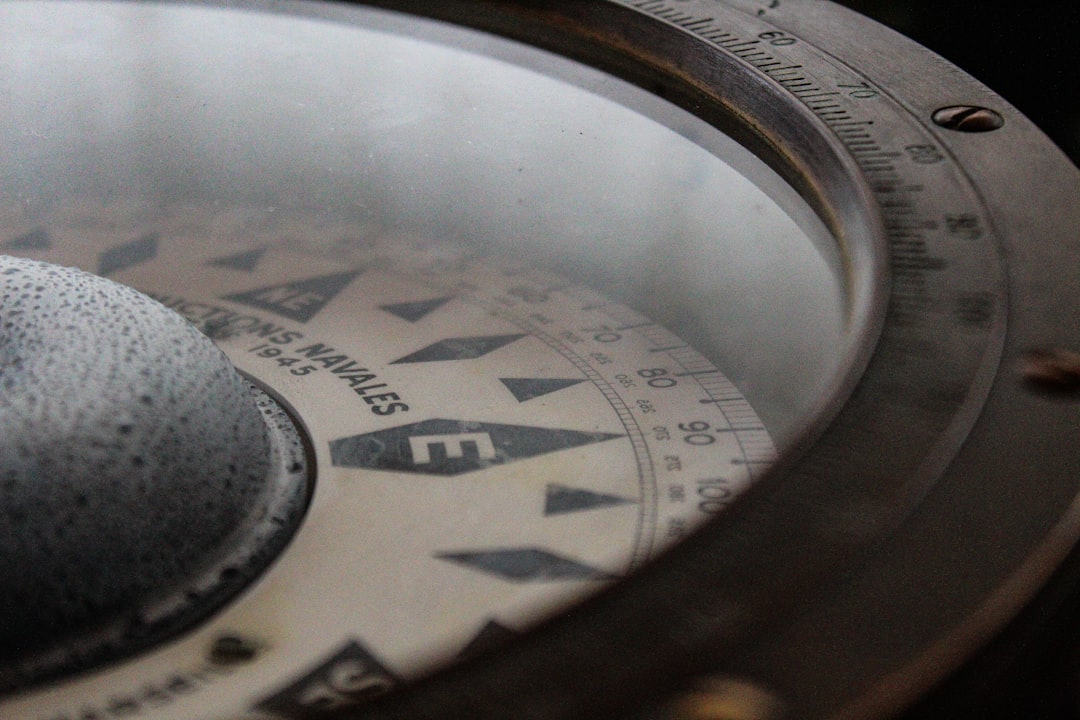
You are on a journey. Not a vacation, not a meticulously planned expedition, but life itself. Think of it as an uncharted territory, a vast and sometimes bewildering landscape that unfolds before you, day by day. And within you, you possess an incredible, often overlooked, instrument for navigating this terrain: your human internal compass. It’s a complex interplay of intuition, values, experiences, and innate desires that guides your decisions, shapes your path, and ultimately defines the unique direction of your life.
Your internal compass isn’t a physical object, of course. It’s a metaphorical, yet profoundly real, force that resides within. It’s the quiet whisper of your gut feeling, the unwavering pull towards certain activities or people, and the deep-seated sense of what is right and wrong for you. Unlike external guides – maps, GPS, or the opinions of others – your internal compass is uniquely yours, forged in the crucible of your lived experiences and the inherent qualities of your spirit.
The Intuitive Nudge: Listening to Your Gut
This is perhaps the most immediate and visceral aspect of your internal compass. You know that feeling, don’t you? That prickle of unease when something doesn’t feel quite right, or that surge of excitement when an opportunity aligns perfectly with your deepest inclinations. This intuition, often dismissed as mere instinct or random thought, is in fact your compass subtly recalibrating, nudging you in a particular direction. It’s the unarticulated wisdom of your subconscious, processing information and making connections far faster than your conscious mind can articulate.
Recognizing the Subtle Signals
Learning to distinguish your intuition from fleeting anxieties or ingrained fears is a crucial skill. Your intuitive nudges often feel calm and clear, even if they point you towards a challenging path. They resonate with a sense of authenticity. Anxiety, on the other hand, tends to be frantic, chaotic, and filled with “what ifs.” Practice mindfulness, meditation, or simply quiet reflection to create space for these subtle signals to emerge. Pay attention to the physical sensations that accompany your intuitions – a lightness in your chest, a warmth spreading through you, or a sense of clarity.
Trusting the Unseen Data
Your intuition is not magic; it’s the result of your brain processing a lifetime of accumulated data – sensory input, past experiences, emotional responses, and even subtle social cues. When faced with a decision, your brain is rapidly scanning this internal database. Intuition is simply the output of this sophisticated, unconscious processing. Trusting it means acknowledging that your mind knows more than you might consciously realize. It’s about believing in your own capacity for insight, even when the logical reasoning isn’t immediately apparent.
The Foundation of Your Values: Your Ethical North Star
Beyond the immediate pull of intuition lies the bedrock of your values. These are the fundamental beliefs and principles that guide your actions and define your moral framework. Your values act as a steadfast North Star, providing a consistent reference point when faced with complex choices or ethical dilemmas. They are the internal standards by which you measure the validity and integrity of your decisions.
Uncovering Your Core Beliefs
What truly matters to you? Is it honesty, compassion, creativity, security, growth, or something else entirely? Identifying your core values requires introspection. Think about the moments in your life when you felt most proud, most fulfilled, or most deeply disappointed. What principles were at play in those situations? Journaling, engaging in conversations with trusted friends, or taking personality assessments can help illuminate these fundamental tenets of your being.
Living in Alignment: The True North of Integrity
When your actions are aligned with your values, you experience a profound sense of integrity and inner peace. Conversely, when you act in opposition to your core beliefs, you’ll likely feel a nagging dissonance, a sense of being out of sync with yourself. Your internal compass guides you towards choices that honor your values, even when they might be the more difficult or less popular options. Living in alignment is the ultimate expression of self-respect.
Recent research has sparked interest in the concept of whether humans possess an internal compass that guides their navigation and orientation. A fascinating article on this topic can be found on Freaky Science, which delves into the mechanisms behind human navigation and the potential biological factors that may contribute to our ability to find our way in the world. To explore this intriguing subject further, you can read the article here: Freaky Science.
The Dynamic Nature of Your Compass: Adapting to Life’s Ever-Changing Terrain
Your internal compass is not a static instrument. It’s a dynamic, evolving system that learns, adapts, and refines itself with each new experience. Life’s journey is rarely a straight line, and your compass must be flexible enough to accommodate detours, unexpected turns, and the inevitable shifts in your perspective.
Learning from Every Experience: The Compasses’s Ever-Expanding Map
Every encounter, every success, and every setback contributes to the data your internal compass uses. Did a certain choice lead to unexpected joy? Your compass notes that. Did a decision result in regret? Your compass learns from that too, creating a richer, more nuanced understanding of what works for you. Think of these experiences as adding new landmarks and pathways to the internal map your compass is constantly drawing.
Turning Setbacks into Stepping Stones
It’s easy to feel discouraged when life throws you a curveball. However, even the most challenging experiences can be invaluable lessons. A failed project can teach you about resilience and the importance of preparation. A difficult relationship can illuminate your boundaries and communication needs. Your internal compass can help you extract the wisdom from these situations, recalibrating its understanding of the terrain and equipping you with new insights for future navigation.
Embracing Growth and Evolution
As you grow and evolve, your internal compass will naturally shift. What was once a guiding principle in your youth might be less relevant in your middle age. New priorities emerge, and your understanding of the world deepens. Embrace this evolution. Allow your compass to recalibrate based on your current wisdom and understanding, rather than clinging to outdated internal directives. This adaptability is key to navigating life with authenticity and purpose.
The Influence of External Forces: Navigating the Currents
While your internal compass is your primary guide, it doesn’t operate in a vacuum. External forces – societal expectations, cultural norms, the opinions of loved ones – can exert influence, sometimes subtly, sometimes overtly. The art of navigating life lies in discerning when to heed these external currents and when to rely solely on your internal guidance.
Distinguishing External Noise from Internal Wisdom
It’s easy to get caught up in the noise of external opinions. Friends offer advice, family expresses concerns, and society presents its ideals. Your internal compass helps you filter this information. Does the advice resonate with your values and intuition? Does it feel like a genuine suggestion or an imposition? Learning to differentiate between helpful external input and the pressure to conform is a vital skill.
Setting Healthy Boundaries: Protecting Your Inner Navigation System
Setting boundaries is an essential aspect of protecting your internal compass. It means clearly defining what you will and will not accept from others, both in terms of their influence and their expectations. When you set healthy boundaries, you create space for your own thoughts and feelings to be heard and respected. This allows your internal compass to operate with greater clarity and authority.
The Practical Application of Your Internal Compass: Making Choices that Resonate

Your internal compass isn’t just for philosophical contemplation; it’s a practical tool for making decisions, big and small, that lead you towards a life of meaning and fulfillment. It’s about translating that inner guidance into tangible actions.
Recent studies have sparked interest in the idea that humans may possess an internal compass, guiding our sense of direction and navigation. This intriguing concept suggests that our brains might be wired to respond to environmental cues in a way that helps us orient ourselves. For those curious about the science behind this phenomenon, a related article explores the fascinating mechanisms that could underpin our navigational abilities. You can read more about it in this insightful piece on Freaky Science.
Decision-Making: Trusting Your Inner Voice
When faced with a choice, take a moment to quiet the external chatter and tune into your internal compass. What does your intuition tell you? Which option aligns best with your core values? Sometimes, the “right” decision isn’t the easiest or the most obvious one, but it’s the one that feels most authentic to you.
The Power of “Yes” and “No”
Your internal compass is adept at guiding you towards opportunities that are right for you and away from those that are not. Learning to say “yes” to invitations that excite your spirit and “no” to commitments that drain your energy is a direct application of its wisdom. Don’t underestimate the power of these simple affirmations and negations. They are the building blocks of a life well-lived.
Navigating Uncertainty with Confidence
Life is full of uncertainties. There will be times when you don’t have all the answers, and the path forward isn’t clear. In these moments, your internal compass becomes your most reliable guide. Trusting its nudges, even when the outcome is unknown, allows you to move forward with a sense of inner confidence, knowing you are headed in a direction that feels right for you.
Goal Setting: Charting a Course Aligned with Your Purpose
Your internal compass plays a crucial role in defining your goals. It helps you identify what truly motivates you, what you are passionate about, and what you want to contribute to the world. Setting goals that are aligned with your inner compass ensures that you are pursuing endeavors that bring you genuine satisfaction and a sense of purpose.
Discovering Your Passions and Talents
What activities make you lose track of time? What problems do you feel compelled to solve? Your internal compass often points you towards your passions and natural talents. By paying attention to these inner inclinations, you can identify areas where you are most likely to thrive and find deep fulfillment.
Creating a Life of Meaning and Contribution
When your goals are guided by your internal compass, they transcend mere ambition. They become pathways to a life of meaning and contribution. You’re not just striving for success; you’re striving for a life that resonates with your deepest self and allows you to make a positive impact, however small or grand.
Cultivating and Strengthening Your Internal Compass: A Lifelong Practice

Your internal compass is a powerful tool, but like any tool, it requires care and attention to function at its best. Cultivating and strengthening this inner guidance system is a lifelong practice, a continuous process of self-discovery and refinement.
The Art of Self-Reflection: Regularly Checking Your Bearings
Regular self-reflection is the equivalent of taking a compass reading. It involves pausing to consider your thoughts, feelings, and actions. Are you on track? Are your choices aligning with your values? Journaling, meditation, and quiet contemplation are excellent ways to engage in this essential practice.
Journaling for Clarity
Putting your thoughts and feelings down on paper can be incredibly clarifying. When you journal, you create a dialogue with yourself, allowing you to explore your inner landscape, identify patterns, and gain a deeper understanding of your internal compass.
The Practice of Mindfulness
Mindfulness is about being present in the moment without judgment. By cultivating mindfulness, you become more attuned to your internal sensations, thoughts, and emotions. This heightened awareness allows you to better distinguish the subtle signals of your internal compass from the noise of external distractions or internal anxieties.
Seeking Wisdom and Guidance: Learning from Others and Yourself
While your internal compass is ultimately your own, you can still benefit from external wisdom and guidance. This doesn’t mean abandoning your inner voice, but rather using the experiences and insights of others to inform and strengthen your own.
The Value of Mentors and Trusted Advisors
Surrounding yourself with people who inspire you, challenge you constructively, and offer genuine support can be invaluable. Mentors and trusted advisors can provide new perspectives, share their own experiences, and help you navigate complex situations, all while encouraging you to ultimately trust your own inner wisdom.
The Never-Ending Journey of Self-Discovery
Ultimately, the greatest source of wisdom for your internal compass is yourself. The journey of self-discovery is a lifelong adventure. Embrace it with curiosity, openness, and a willingness to learn from every experience. As you delve deeper into your own being, your internal compass will become an even more powerful and reliable guide, leading you through the magnificent and often surprising landscape of your life. You are the captain of your own ship, and your human internal compass is the most sophisticated navigational system you could ever hope for.

Your Brain May Sense Earth’s Magnetic Field Without You Knowing
FAQs
1. What is an internal compass in humans?
An internal compass in humans refers to the ability to sense and navigate direction without relying on external cues such as landmarks or the position of the sun. It is believed to be a biological mechanism that allows humans to maintain a sense of direction and navigate their surroundings.
2. Is there scientific evidence to support the existence of an internal compass in humans?
While there is ongoing research in this area, there is currently limited scientific evidence to definitively prove the existence of an internal compass in humans. Some studies have suggested that humans may have a biological sense of direction, but more research is needed to fully understand this phenomenon.
3. How do animals use their internal compasses for navigation?
Many animals, such as birds, sea turtles, and certain insects, are known to use their internal compasses for navigation during migration. These animals are believed to have specialized cells or mechanisms that allow them to sense the Earth’s magnetic field and use it for orientation and navigation.
4. What are some theories about how humans might have an internal compass?
There are several theories about how humans might have an internal compass, including the presence of magnetite particles in the brain that could respond to the Earth’s magnetic field, or the use of visual or olfactory cues to maintain a sense of direction. However, these theories are still speculative and require further investigation.
5. Can humans develop their internal compass through training or practice?
While there is no conclusive evidence to suggest that humans can develop a biological internal compass through training or practice, individuals can improve their sense of direction and navigation skills through experience, learning to read maps, and using tools such as GPS devices.