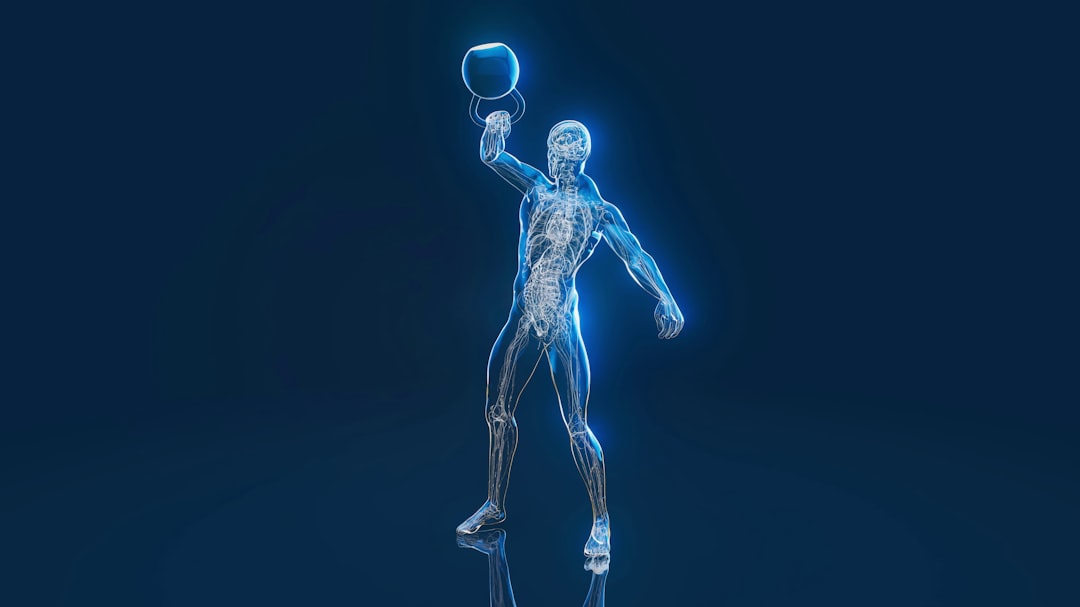
You are a walking, talking, breathing miracle of biological engineering. You are also, quite literally, a light-emitting being. Yes, you! Your body, that complex and wondrous system you inhabit, generates a faint glow, a subtle luminescence that emanates from every cell. This isn’t some mystical aura or something you’d see on a sci-fi movie set. This is real, measurable bioluminescence, a phenomenon you might associate with fireflies or deep-sea creatures, but which also happens within you, right now.
It’s a whisper, a whisper of light that’s far too dim for your naked eyes to perceive. But with sensitive equipment, scientists have captured this faint emanation, revealing a hidden layer of your existence. This is the story of your body’s natural light emission, a testament to the intricate chemical processes that fuel your very being.
You might be surprised to learn that your body is a source of light. This phenomenon, known as biophotons, is a byproduct of metabolic processes occurring at the cellular level. These are not the bright, flashing lights of fireflies; instead, it’s a weak emission of photons, the fundamental particles of light, in the visible and near-infrared spectrum.
What Exactly Are Biophotons?
Think of them as tiny sparks of energy released during the breakdown and creation of molecules within your cells. These processes, fundamental to life, involve the transfer of electrons. When electrons jump between energy levels, they can release this excess energy in the form of photons. In your body, these reactions are happening constantly, from the energy production in your mitochondria to the repair mechanisms in your DNA.
The Chemical Dance of Light
The precise mechanisms behind biophoton emission are still being unraveled, but they are intrinsically linked to oxidative stress and the formation of reactive oxygen species (ROS). ROS are highly reactive molecules, often byproducts of normal metabolic activity. While they play crucial roles in cellular signaling and immune defense, an excess of ROS can lead to cellular damage. During the cascade of chemical reactions involving ROS, energy is released, and some of that energy manifests as light.
Mitochondria: The Powerhouses That Glow
Your mitochondria, often called the “powerhouses of the cell,” are central to this light emission. They are the sites of cellular respiration, the process that converts glucose and oxygen into ATP, the primary energy currency of your cells. This complex series of reactions, while essential for life, also generates ROS. The breakdown of molecules within the electron transport chain, a key part of respiration, can lead to the release of biophotons.
DNA and Free Radicals: A Dim Spark
Even your DNA, the blueprint of your life, can be a source of faint light. Free radicals, a type of ROS, can interact with DNA molecules. While this interaction can lead to damage, it also involves energy transfers that can result in the emission of biophotons. This suggests that even the integrity of your genetic material is, in a very subtle way, connected to this light phenomenon.
Beyond the Visible: A Spectrum of Light
While the term “biophotons” implies visible light, the emission from your body extends beyond what your eyes can see. Scientists have detected these faint emissions in the ultraviolet and infrared parts of the spectrum as well. This broader range of light emission hints at the diversity of chemical reactions and their energetic outputs within your cells.
Recent research has revealed that the human body emits a faint glow, a phenomenon that has intrigued scientists for years. This bioluminescence, although not visible to the naked eye, is a result of biochemical reactions within our cells. For a deeper understanding of this fascinating topic, you can explore an insightful article on the subject at Freaky Science. This resource delves into the science behind the light emitted by our bodies and its potential implications for health and well-being.
Your Body’s Light as a Biological Indicator
The dim light your body emits isn’t just a fascinating scientific curiosity; it’s increasingly being explored as a potential indicator of your physiological state. Changes in the intensity and spectral distribution of this biophoton emission might signal imbalances in your cellular health, offering a non-invasive window into your body’s inner workings.
The Link Between Oxidative Stress and Light Intensity
You’ve likely heard of oxidative stress, a state where there’s an imbalance between free radicals and antioxidants in your body, leading to cellular damage. This is where biophoton emission becomes particularly relevant. Increased oxidative stress often correlates with an increase in biophoton emission. This is because the very processes that generate ROS also tend to release more light.
When Your Cells Are Under Duress
Imagine your cells working overtime, perhaps due to inflammation, disease, or exposure to environmental toxins. This heightened metabolic activity and increased production of ROS can amplify the faint glow emanating from your tissues. So, a brighter biophoton signal from a particular area of your body might be an early warning sign of cellular distress.
Disease Detection: A Future Frontier?
The potential for using biophoton emission as a diagnostic tool is an exciting area of research. Scientists are investigating whether variations in light emission patterns can help detect or monitor a range of conditions, from inflammation and cancer to neurological disorders.
Cancer: A Change in the Glow
Cancer cells often exhibit altered metabolic rates and increased ROS production compared to healthy cells. This can translate into differences in biophoton emission. Researchers are exploring if these distinct light signatures can be used to identify cancerous tissues, potentially leading to earlier and less invasive detection methods. For instance, tumors might exhibit a more intense or a different spectral pattern of biophoton emission compared to surrounding healthy tissue.
Inflammation: A Beacon of Cellular Activity
Inflammation, your body’s natural response to injury or infection, involves a surge of cellular activity and the production of ROS. This increased metabolic activity and oxidative stress can lead to a measurable increase in biophoton emission in the inflamed area. This opens up possibilities for using light emission to objectively assess the presence and severity of inflammatory conditions.
Neurological Conditions: A Glimpse into Brain Health
The brain is an incredibly metabolically active organ. Research suggests that changes in biophoton emission might be linked to neurological conditions. For example, altered energy metabolism or oxidative stress in neurons could manifest as changes in the light patterns emitted by brain tissue. While this is a complex area of study, it holds promise for understanding and potentially diagnosing neurodegenerative diseases.
Measuring Your Light: Sophisticated Techniques
Detecting and analyzing your body’s faint light requires highly sensitive equipment. Photomultiplier tubes (PMTs) and charge-coupled devices (CCDs) are commonly used to capture these weak photon emissions. These instruments can detect even single photons, allowing researchers to quantify the subtle luminescence from your skin, blood, or internal organs.
The Role of Lifestyle and Diet in Your Body’s Light
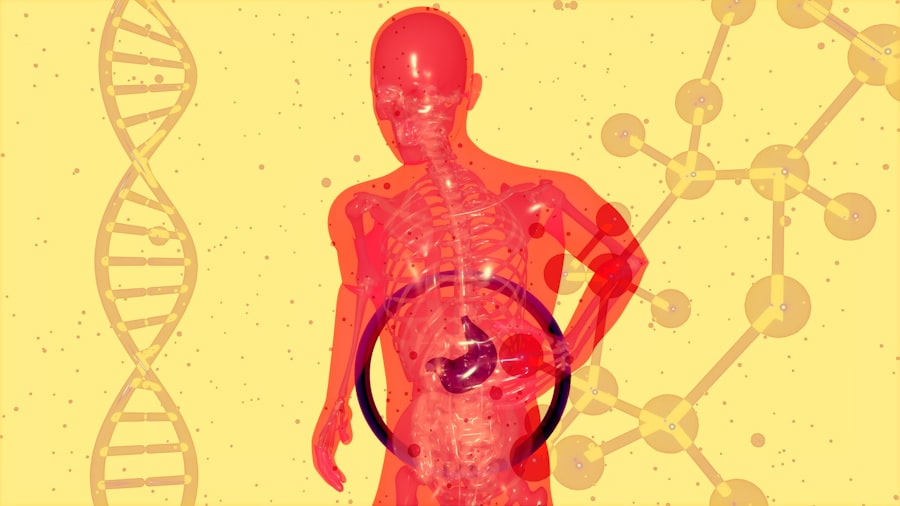
You are not a passive observer of your body’s internal light show. Your lifestyle choices, from what you eat to how you manage stress, can significantly influence the biochemical processes that give rise to biophoton emission. Understanding this connection empowers you to make choices that can promote healthier cellular function and, potentially, a more balanced light output.
Antioxidants: The Light Dampeners
Antioxidants are your body’s defense against the damaging effects of free radicals. They neutralize these unstable molecules, thereby reducing oxidative stress. Consequently, a diet rich in antioxidants can lead to a decrease in biophoton emission. This is because the chemical reactions that produce light are being quenched by these protective compounds.
Foods That Shine (or Dim) Brightest
Fruits and vegetables, particularly those rich in vitamins C and E, beta-carotene, and polyphenols, are excellent sources of antioxidants. Think of colorful berries, leafy greens, and nuts. Consuming these foods regularly can help your body maintain a healthier balance of free radicals and antioxidants, potentially leading to a more subdued and balanced biophoton emission.
The Downside of Processed Foods and Environmental Stressors
Conversely, a diet high in processed foods, unhealthy fats, and sugars, along with exposure to environmental toxins and chronic stress, can increase oxidative stress. This heightened stress can lead to a more pronounced biophoton emission, signaling a greater level of cellular turmoil.
Sleep and Stress: Balancing the Internal Glow
Your sleep patterns and stress levels are also intricately linked to your body’s biochemistry and, by extension, its light emission. Chronic stress and poor sleep can disrupt hormonal balance, increase inflammation, and exacerbate oxidative stress, all of which can influence biophoton output.
The Restorative Power of Sleep
During sleep, your body undertakes essential repair and regeneration processes. Adequate sleep helps regulate your circadian rhythms, which influence metabolic activity. Disruptions to these rhythms can lead to increased oxidative stress and potentially altered biophoton emission. Ensuring you get sufficient, quality sleep is crucial for maintaining cellular health and a balanced internal environment.
Managing Stress: Calming the Chemical Storm
Chronic stress triggers the release of hormones like cortisol, which can contribute to oxidative stress and inflammation. Practices like mindfulness, meditation, yoga, and spending time in nature can help mitigate these effects, promoting a more balanced physiological state and potentially influencing your body’s light emission in a positive way.
Exercise: A Complex Relationship
The impact of exercise on biophoton emission is nuanced. While moderate exercise can improve overall cellular health and antioxidant capacity, intense or prolonged exercise can temporarily increase oxidative stress and, consequently, biophoton emission.
The Transient Glow of a Workout
After a strenuous workout, your body experiences a temporary surge in metabolic activity and ROS production as it works to repair muscle tissue. This can lead to a temporary increase in biophoton emission. However, with regular training, your body becomes more efficient at managing oxidative stress, and the long-term effect of moderate exercise is generally a reduction in chronic oxidative stress and a healthier baseline biophoton emission.
The Fascinating World of Animal Bioluminescence: A Comparative Glimpse

While your body’s light is incredibly subtle, the phenomenon of bioluminescence is far more dramatic and diverse in the animal kingdom. Studying these creatures offers a fascinating contrast and helps us appreciate the evolutionary pathways that have led to light production in living organisms. From the enchanting glow of fireflies to the eerie luminescence of deep-sea anglerfish, these examples showcase the power and beauty of biological light.
Fireflies: Nature’s Tiny Lanterns
Perhaps the most iconic examples of bioluminescence are fireflies. These beetles produce light through a chemical reaction involving an enzyme called luciferase and a substrate called luciferin. This light is used for a variety of purposes, including attracting mates, warning predators, and even illuminating their surroundings. The brilliance of firefly displays highlights the diverse applications of biological light generation.
Deep-Sea Marvels: Light in the Abyss
In the perpetual darkness of the deep ocean, bioluminescence is not a novelty but a necessity. Many deep-sea creatures have evolved the ability to produce light for hunting, communication, and defense.
Anglerfish: The Luring Light
The anglerfish famously uses a bioluminescent lure, a modified dorsal fin spine, to attract unsuspecting prey in the dark depths. The light emitted by symbiotic bacteria housed in this lure acts as a beacon, drawing smaller fish towards the anglerfish’s waiting jaws.
Dinoflagellates: The Sparkling Sea
Microscopic organisms called dinoflagellates are responsible for the breathtaking bioluminescent displays seen in some ocean waters. When disturbed, these tiny plankton emit flashes of blue light, creating ethereal glowing waves and trails. This defense mechanism startles predators, making them more vulnerable to their own predators.
Bioluminescence in Fungi and Microbes: The Unseen Illuminators
Beyond the animal kingdom, bioluminescence is also found in some fungi and bacteria. Certain mushrooms, known as “foxfire,” emit a faint greenish glow in damp forests, believed to attract insects that help disperse their spores. Bioluminescent bacteria can be found in symbiotic relationships with marine animals, providing them with light in exchange for nutrients and shelter.
Recent studies have revealed that the human body emits a faint light, a phenomenon that has intrigued scientists for years. This bioluminescence, although not visible to the naked eye, plays a role in our overall health and well-being. For those interested in exploring this fascinating topic further, you can read more about it in the article found here. Understanding how our bodies interact with light could open new avenues in medical science and wellness.
The Future of Biophoton Research: Illuminating Health and Beyond
| Fact | Metric |
|---|---|
| Human body emits light | 1000 times less than the sensitivity of our naked eyes |
| Wavelength | Ranges from 400 to 700 nanometers |
| Intensity | 1000 times lower than the sensitivity of our eyes |
The study of biophotons is a rapidly evolving field with immense potential to impact our understanding of health, disease, and even fundamental biological processes. As technology advances and our knowledge deepens, the subtle glow emanating from your body may hold answers to some of our most pressing scientific and medical questions.
Non-Invasive Diagnostics: A Revolution in Healthcare
The prospect of using biophoton emission for non-invasive diagnostics is a major driver of research. Imagine a future where a simple light scan could provide early warnings of disease, monitor treatment effectiveness, or assess the overall health of your tissues without the need for needles or invasive procedures. This could revolutionize healthcare, making diagnostics more accessible, affordable, and patient-friendly.
Personalized Medicine: Tailoring Treatments with Light
Understanding how individual differences in metabolism and oxidative stress influence biophoton emission could pave the way for truly personalized medicine. By analyzing your unique light signature, clinicians might be able to tailor treatments and interventions to your specific physiological needs, leading to more effective outcomes.
Unraveling Fundamental Biological Processes
Beyond medical applications, biophoton research continues to shed light on fundamental biological processes. The study of these weak photon emissions helps us understand energy transfer within cells, the dynamics of free radical production, and the intricate communication networks that govern cellular life. This fundamental knowledge can have far-reaching implications across various scientific disciplines.
The “Dark Matter” of Biology: Revealing Hidden Interactions
Biophoton emission can be seen as a manifestation of the “dark matter” of biology – the subtle, often overlooked interactions that underpin life. By studying these emissions, scientists are uncovering new layers of biological complexity and interconnectedness that were previously invisible to us.
Ethical Considerations and Future Directions
As with any powerful scientific advancement, the exploration of biophoton technology raises ethical considerations. Ensuring responsible research practices, data privacy, and equitable access to potential diagnostic tools will be crucial as this field progresses.
The Ongoing Quest for Knowledge
The human body’s natural light emission is a testament to the extraordinary complexity and beauty of life. While the glow you produce may be invisible to the naked eye, its scientific significance is immense. The ongoing quest to understand and harness this subtle luminescence promises to illuminate our understanding of health, disease, and the very essence of being alive. You are, quite literally, a source of light, and the exploration of that light is just beginning.

You’re Emitting Light Right Now—So Why Can’t You See It?
FAQs
What is the human body’s natural light emission?
The human body emits visible light in extremely small quantities, known as biophotons. These biophotons are the result of chemical reactions within the body’s cells and are thought to be related to the body’s overall health and functioning.
How is the human body’s light emission measured?
Scientists use highly sensitive equipment, such as photomultiplier tubes and ultra-sensitive cameras, to detect and measure the light emitted by the human body. This light emission is often referred to as “ultraweak photon emission” and is typically measured in units of photons per second per square centimeter.
What are the potential implications of the human body’s light emission?
The study of biophoton emission has led to various theories about its potential implications for health and disease. Some researchers believe that changes in biophoton emission could be linked to certain health conditions, while others suggest that biophoton emission may play a role in cellular communication and regulation.
Can the human body’s light emission be influenced by external factors?
External factors such as stress, diet, and environmental conditions have been suggested to influence the human body’s light emission. For example, studies have shown that emotional stress can affect biophoton emission, while changes in diet and exposure to certain substances may also have an impact.
What are the current limitations in understanding the human body’s light emission?
While there is ongoing research into biophoton emission, the exact mechanisms and significance of this phenomenon are not fully understood. The field of biophotonics is still relatively new, and further studies are needed to fully comprehend the role of biophoton emission in the human body.