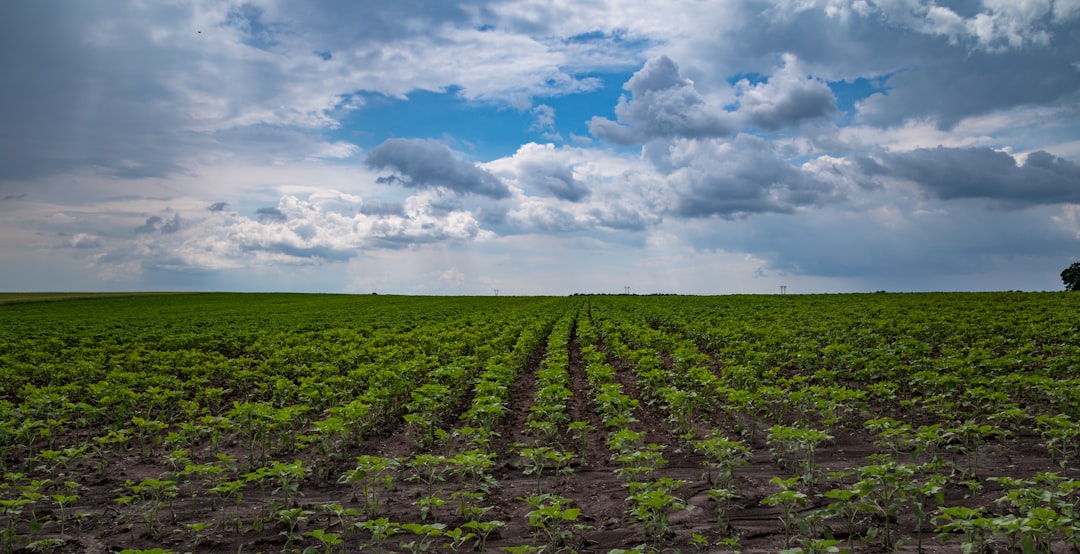
You stand on the precipice of understanding a fundamental force that has shaped human civilization and continues to feed billions: nitrogen fertilizer. You might think of this as a recent invention, a sterile white powder doled out by modern machines. But the story of nitrogen fertilizer is far more ancient, woven into the very fabric of your agricultural past, a testament to human ingenuity and our enduring quest to coax more from the earth. It’s a journey from the earthy scent of compost heaps to the humming efficiency of Haber-Bosch, a narrative of discovery, unintended consequences, and the relentless pursuit of abundance.
Before you had fancy chemical formulas or vast industrial complexes, your ancestors were already tapping into the power of nitrogen. They just didn’t know it by name. They observed the subtle signs, the richer growth in certain areas, and developed practices that, unknowingly, leveraged this crucial element. This era wasn’t about scientific precision; it was about accumulated wisdom, passed down through generations, a slow, organic understanding of the earth’s cycles.
The Magic of Organic Matter: Compost and Manure
You might recall the smell of your grandmother’s garden, the rich, dark soil teeming with life. This was no accident. For millennia, you have understood that decaying organic matter – plant residues, animal droppings, food scraps – enriched the soil. This seemingly simple act of returning waste to the earth was a profound form of nitrogen fertilization. You weren’t adding a synthesized compound; you were facilitating the natural decomposition process. Bacteria and fungi, working tirelessly in the soil, would break down complex organic molecules, releasing essential nutrients, including nitrogen, in forms that plants could readily absorb. This “compost” wasn’t just waste disposal; it was a sophisticated, albeit empirical, system of nutrient cycling.
Legumes: Nature’s Tiny Nitrogen Factories
You might have noticed that certain crops seem to grow particularly well after others, or that some plants appear to “improve” the soil. This is especially true of legumes – beans, peas, clover, alfalfa. You likely cultivated these plants not just for their edible bounty, but for their ability to rejuvenate the land. The secret lies in the symbiotic relationship between these plants and specific types of soil bacteria, collectively known as rhizobia. These bacteria reside in specialized nodules on the roots of legumes. They have the remarkable ability to “fix” atmospheric nitrogen – that abundant, but unusable, N₂ gas in the air – and convert it into ammonia, a form of nitrogen that plants can utilize. This process, now understood as biological nitrogen fixation, was a cornerstone of sustainable ancient agriculture. By rotating legume crops with other cereals, you were effectively giving your soil a natural nitrogen boost, ensuring future harvests were more bountiful.
Crop Rotation: A Strategic Nutrient Management
The practice of crop rotation, which you likely employed without a deep understanding of the underlying chemistry, was another ingenious method of managing soil fertility. Instead of planting the same crop in the same field year after year, you would strategically rotate different plant families. This prevented the depletion of specific nutrients. Crucially, by incorporating legumes into your rotation, you were actively replenishing nitrogen levels. This cyclical approach prevented the soil from becoming exhausted, maintaining its productivity over the long term. It was a holistic understanding of the ecosystem, recognizing that different plants had different needs and impacts on the soil.
The history of nitrogen fertilizer is a fascinating journey that has significantly impacted agricultural practices and food production worldwide. For a deeper understanding of this topic, you can explore the article on the evolution of fertilizers and their role in modern agriculture. This resource provides valuable insights into how nitrogen fertilizers have transformed farming techniques over the years. To read more, visit Freaky Science.
The Dawn of Scientific Inquiry: Unraveling Nitrogen’s Mystery
As your understanding of the natural world grew, you began to move beyond observation and empirical practice towards scientific investigation. The elusive nature of nitrogen, the invisible force that spurred growth, became a subject of intense curiosity. Early chemists and agricultural scientists began to probe the secrets of the soil, seeking to quantify and understand the elements that contributed to plant vitality.
Early Experiments and the “Vital Force”
In the 17th and 18th centuries, you started to conduct more systematic experiments. Scientists like Jan Ingenhousz and Nicolas-Théodore de Saussure began to explore the role of air and different gases in plant growth. While they didn’t fully grasp the concept of nitrogen fixation, they recognized that plants needed something from the air and from the soil to thrive. There was still a lingering belief in a “vital force” or some intangible essence responsible for life. However, these early inquiries laid the groundwork for future discoveries, moving you closer to understanding the chemical basis of plant nutrition.
Identifying Nitrogen: The Elusive Element
The breakthrough came in the late 18th century. Scientists like Daniel Rutherford and Carl Wilhelm Scheele independently isolated and described nitrogen gas. They recognized it as a distinct element, a component of air that did not support combustion or respiration. However, its role in plant growth remained a puzzle. It was clear that plants needed something from the air, but the nitrogen itself seemed inert. The challenge was to find a way to convert this atmospheric nitrogen into a usable form for plants. This would require understanding the chemical processes that could break the incredibly strong triple bond of the nitrogen molecule.
The Liebig Revolution: Mineral Theory and Soil Nutrients
The mid-19th century witnessed a paradigm shift with the work of Justus von Liebig. His “mineral theory” revolutionized agricultural science. Liebig argued that plant growth was primarily limited by the availability of essential mineral nutrients in the soil. He moved away from vague notions of “manure” and towards identifying specific chemical elements required by plants. He championed the use of mineral fertilizers, believing that supplying these deficient elements directly would boost crop yields. While his initial focus was on phosphorus and potassium, his emphasis on chemical analysis and the role of soil nutrients paved the way for understanding nitrogen’s critical importance. He spurred the development of chemical testing of soils and plants, moving agriculture towards a more scientific footing.
The Birth of Synthetic Nitrogen: The Haber-Bosch Process
The 20th century brought about an invention that would profoundly alter the course of agriculture and, indeed, human history. The challenge of converting atmospheric nitrogen into a usable form was immense, requiring immense pressure and temperature. The solution, however, proved to be one of the most significant technological achievements of the modern era.
The Quest for an Industrial Fixation Method
Scientists had long understood that nitrogen was essential for plant life, but the abundance of nitrogen in the atmosphere (about 78%) was a tantalizing yet inaccessible resource. They knew that natural processes like lightning strikes and biological nitrogen fixation occurred, but these were insufficient to meet the demands of a rapidly growing global population. The dream was to create an industrial process that could replicate or surpass these natural methods on a massive scale. This wasn’t just about improving crop yields; it was about averting widespread famine.
Fritz Haber: A Pioneer with a Price
The pivotal figure in this quest was Fritz Haber. Driven by a desire to secure Germany’s food supply during times of blockade, Haber embarked on the monumental task of synthesizing ammonia from atmospheric nitrogen and hydrogen. After years of painstaking research and development, he achieved a breakthrough in 1909. Using a catalyst and high pressures and temperatures, he successfully demonstrated a method for producing ammonia. This was a momentous scientific achievement, earning him the Nobel Prize in Chemistry. However, Haber’s legacy is complex, as his scientific prowess was later co-opted for chemical warfare, a dark stain on an otherwise revolutionary discovery.
Carl Bosch: Scaling Up for Global Impact
While Haber had proven the concept, his process was not yet commercially viable on a large scale. That’s where Carl Bosch, an engineer at BASF, came in. Bosch took Haber’s laboratory-scale process and engineered it into an industrial behemoth. He tackled the immense engineering challenges of high-pressure reactors, efficient heat exchange, and catalyst longevity. By 1913, the Haber-Bosch process was operational, capable of producing ammonia on an industrial scale. This marked the true dawn of synthetic nitrogen fertilizer, forever changing the landscape of food production.
The Chemistry of Ammonia Synthesis: N₂ + 3H₂ ⇌ 2NH₃
The Haber-Bosch process, in its essence, is a reversible chemical reaction. You take nitrogen gas (N₂) from the air and hydrogen gas (H₂), typically derived from natural gas through steam reforming. Under extremely high pressures (around 150-250 atmospheres) and temperatures (400-500 degrees Celsius), and in the presence of a catalyst (usually iron-based), these two gases react to form ammonia (NH₃). The ammonia is then cooled and liquefied, ready for use as fertilizer or as a precursor for other nitrogenous compounds. The clever engineering lies in continuously removing the ammonia as it is produced, shifting the equilibrium and maximizing the yield of the reaction.
The Age of Synthetic Fertilizers: Revolutionizing Agriculture
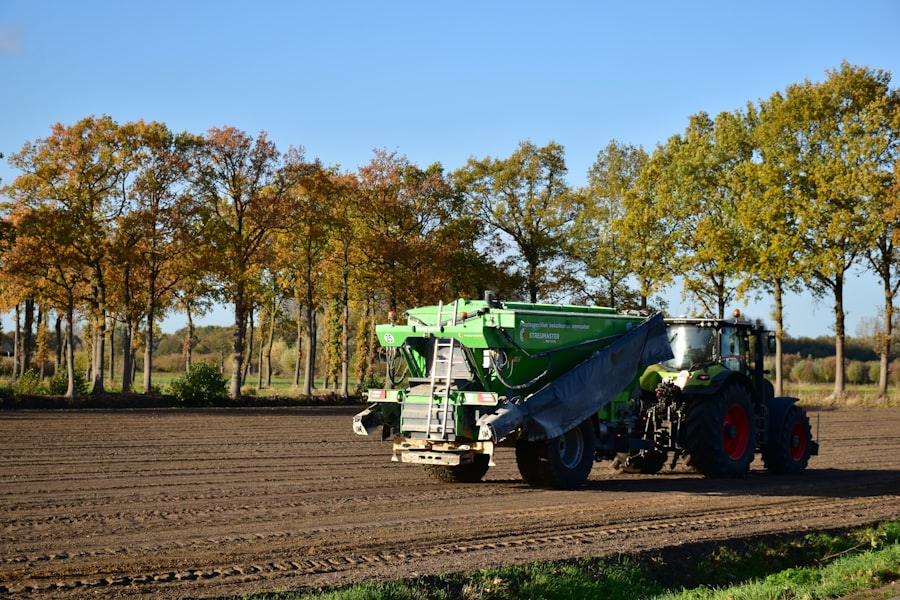
The advent of the Haber-Bosch process unleashed a revolution in agriculture. Suddenly, you had access to an almost limitless supply of nitrogen, a nutrient that had historically been a bottleneck for crop production. This led to unprecedented increases in yields, transforming small family farms into highly productive enterprises and fundamentally altering global food security.
Unprecedented Yield Increases: Feeding a Growing World
The impact of synthetic nitrogen fertilizers on crop yields has been nothing short of astounding. Before the Haber-Bosch process, crop yields were often limited by nitrogen availability, leading to a precarious balance between food production and population growth. With the widespread adoption of nitrogen fertilizers, you began to see dramatic increases in the amount of food you could produce from the same amount of land. Cereals, vegetables, and fruits all benefited immensely, allowing you to feed a burgeoning global population that would have otherwise faced widespread famine.
The Rise of Industrial Agriculture: Monoculture and Efficiency
The availability of cheap and abundant nitrogen fertilizer facilitated the rise of industrial agriculture. This often involved large-scale monoculture – the cultivation of a single crop over vast areas. This approach, while highly efficient in terms of production, had its own set of consequences. The reliance on synthetic inputs, including fertilizers and pesticides, became a hallmark of this new era. The focus shifted from ecological balance to maximizing output through technological intervention.
Economic and Social Transformation: The Green Revolution
The widespread adoption of synthetic nitrogen fertilizers, coupled with improved crop varieties and irrigation techniques, formed the backbone of the Green Revolution. This period, beginning in the mid-20th century, saw dramatic increases in agricultural productivity in developing countries, averting widespread starvation and transforming economies. You witnessed a shift from subsistence farming to commercial agriculture, with profound social and economic implications. This revolution, while celebrated for its success in feeding millions, also introduced new challenges related to environmental sustainability and economic equity.
The history of nitrogen fertilizer is a fascinating journey that has significantly impacted agriculture and food production. For those interested in exploring this topic further, a related article can be found at Freaky Science, which delves into the development and use of nitrogen fertilizers throughout the years. Understanding how these fertilizers evolved can provide valuable insights into modern farming practices and their environmental implications.
The Double-Edged Sword: Environmental and Societal Impacts
| Year | Nitrogen Fertilizer Usage (million metric tons) | Global Agricultural Production (billion metric tons) |
|---|---|---|
| 1960 | 10.5 | 1.8 |
| 1970 | 28.6 | 2.5 |
| 1980 | 61.2 | 3.6 |
| 1990 | 83.4 | 4.8 |
| 2000 | 97.3 | 6.1 |
While the benefits of synthetic nitrogen fertilizers are undeniable, their widespread and often excessive use has also brought about significant environmental and societal challenges. You are now grappling with the unintended consequences of this powerful technology.
Eutrophication: The Green Scum Problem
One of the most visible environmental impacts of excess nitrogen fertilizer is eutrophication. When nitrogen leaches from agricultural fields into waterways, it acts as a potent nutrient for algae and aquatic plants. This can lead to explosive algal blooms, which consume oxygen as they decompose, creating “dead zones” where fish and other aquatic life cannot survive. You have witnessed the ecological damage caused by these blooms, transforming once-pristine lakes and coastal areas into murky, oxygen-depleted environments.
Greenhouse Gas Emissions: Nitrous Oxide’s Threat
The production and use of nitrogen fertilizers also contribute to greenhouse gas emissions. The Haber-Bosch process itself is energy-intensive and relies on fossil fuels, a significant source of carbon dioxide. Furthermore, microbial processes in the soil can convert applied nitrogen into nitrous oxide (N₂O), a potent greenhouse gas with a warming potential many times greater than carbon dioxide. You are now facing the dual challenge of mitigating climate change and ensuring food security, and the role of nitrogen fertilizers in this complex equation is a critical consideration.
Soil Degradation and Biodiversity Loss
While initially seen as a solution to feeding the world, the intensive use of synthetic fertilizers has also been linked to soil degradation. The reliance on synthetic inputs can disrupt the natural soil microbiome, reducing soil fertility and structure over time. Furthermore, the push for maximum yields through monoculture has led to a decline in crop diversity and a loss of beneficial insects and other organisms, impacting overall biodiversity. You are beginning to understand that a healthy ecosystem requires more than just readily available nutrients.
The Dependence on Fossil Fuels and Price Volatility
The Haber-Bosch process, particularly the production of hydrogen from natural gas, makes the fertilizer industry heavily reliant on fossil fuels. This reliance creates vulnerability to price fluctuations and geopolitical instability. You have seen how global energy markets can directly impact the cost of food production, affecting farmers and consumers alike. This dependence highlights the need for more sustainable and diversified approaches to nitrogen management.
The Future of Nitrogen: Sustainable Solutions and Precision Agriculture
As you move forward, the focus is shifting from simply increasing nitrogen supply to managing it more intelligently and sustainably. You are exploring innovative approaches that minimize environmental impact while ensuring continued food security.
Precision Agriculture: Applying Nitrogen Where and When Needed
Precision agriculture is revolutionizing how you apply nitrogen fertilizer. Using technologies like GPS, sensors, and drones, you can now map nutrient levels in your fields with remarkable accuracy. This allows you to apply fertilizer only where and when it is needed, in precise amounts, reducing waste and minimizing environmental runoff. You are moving away from blanket applications towards a more targeted and efficient approach, optimizing nutrient use and maximizing crop health.
Enhanced Efficiency Fertilizers: Slow Release and Stabilized Nitrogen
You are also developing “enhanced efficiency fertilizers.” These are designed to release nitrogen more slowly over time, matching plant uptake patterns. This reduces the risk of leaching and volatilization, ensuring that more of the applied nitrogen is available to the crop. This includes coated fertilizers, urease inhibitors, and nitrification inhibitors, all aimed at minimizing losses and maximizing the benefits of nitrogen application.
Biological Nitrogen Fixation: Harnessing Nature’s Power
There is a renewed interest in leveraging biological nitrogen fixation. This involves developing new crop varieties that can fix more nitrogen themselves, or exploring the use of beneficial microbes that can enhance nitrogen availability in the soil. You are looking to nature for solutions, seeking to reduce reliance on synthetic inputs by working with the inherent capabilities of plants and soil organisms.
Integrated Nutrient Management: A Holistic Approach
The future of nitrogen management lies in an integrated approach. This combines the best of both worlds: the targeted and efficient use of synthetic fertilizers with the enhancement of natural processes. You are looking at soil health, crop rotation, cover cropping, and the judicious use of organic amendments alongside precision application of synthetic fertilizers. This holistic perspective recognizes that nutrient management is not just about adding a chemical, but about fostering a healthy and productive agricultural ecosystem. Your journey with nitrogen fertilizer is far from over; it’s an ongoing evolution, a continuous quest for balance between abundance and sustainability.

We Figured Out How to Turn Air Into Food
FAQs
What is nitrogen fertilizer?
Nitrogen fertilizer is a type of fertilizer that provides plants with the essential nutrient nitrogen, which is necessary for their growth and development.
When was nitrogen fertilizer first used?
The use of nitrogen fertilizer dates back to the early 20th century, with the development of the Haber-Bosch process in 1909, which allowed for the large-scale production of ammonia-based fertilizers.
How has the use of nitrogen fertilizer impacted agriculture?
The use of nitrogen fertilizer has significantly increased crop yields and has played a crucial role in the Green Revolution, which helped to alleviate food shortages and improve food security around the world.
What are the environmental impacts of nitrogen fertilizer use?
Excessive use of nitrogen fertilizer can lead to environmental issues such as water pollution, soil degradation, and greenhouse gas emissions, contributing to climate change and biodiversity loss.
What are some alternatives to nitrogen fertilizer?
Some alternatives to nitrogen fertilizer include crop rotation, cover cropping, and the use of organic fertilizers such as compost and manure, which can help reduce the reliance on synthetic nitrogen fertilizers and mitigate their environmental impacts.