
The Silent Realm: A Journey into the Ocean’s Hidden World
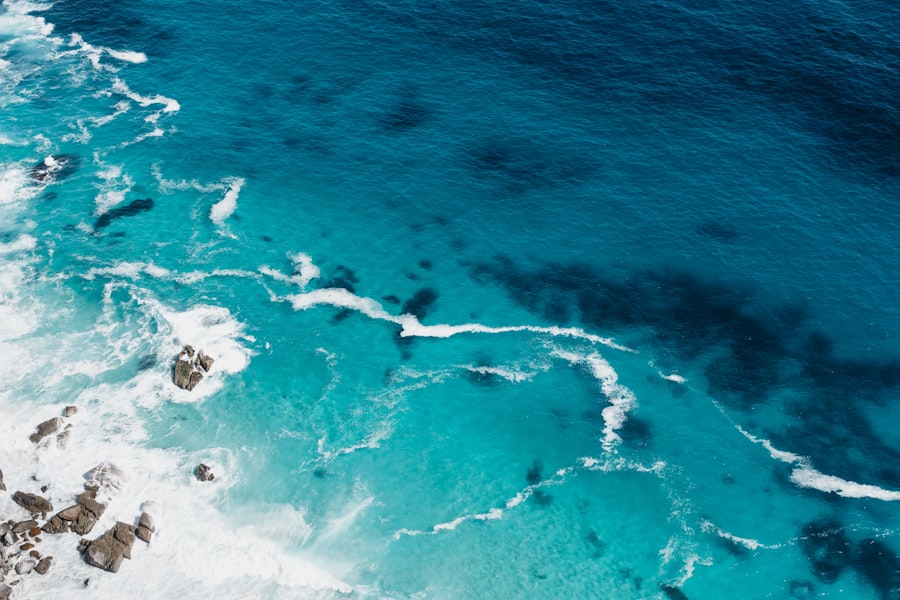
The vast, blue expanse of the Earth’s oceans has long captivated human imagination. We gaze at its surface, awestruck by its immensity and the shimmering dance of sunlight upon the waves. Yet, beneath that sun-kissed veneer lies a world of profound mystery, a realm teeming with life and geological wonders that remain largely unexplored. The descent into these oceanic depths is not merely a physical journey; it is an expedition into the unknown, a testament to humanity’s enduring curiosity and its relentless pursuit of understanding the planet we inhabit. This article seeks to peel back the layers of mystery, offering a glimpse into the hidden world beneath the ocean’s surface, exploring its diverse ecosystems, unique adaptations, and the crucial role it plays in shaping our planet.
As one descends below the sunlit zone, the world transforms dramatically. The vibrant blues of the surface gradually deepen into an inky blackness, a testament to the absorption of light by water. This transition marks the beginning of the abyssal frontier, a realm characterized by extreme conditions that have fostered some of the most alien and fascinating life forms on Earth.
The Twilight Zone: A Realm of Fading Light and Fading Colors
The mesopelagic zone, often referred to as the “twilight zone,” stretches from approximately 200 to 1,000 meters (650 to 3,300 feet). Here, sunlight is scarce, filtering down in what appears as a dim, ethereal blue glow. The vibrant colors of the surface world are lost; reds and oranges are absorbed, leaving behind only shades of blue and green. Organisms in this zone have adapted to this dim light environment in remarkable ways.
Bioluminescence: The Inner Light of the Deep
One of the most striking adaptations seen in the twilight zone is bioluminescence, the production and emission of light by living organisms. This internal light serves a multitude of purposes: to attract prey, to deter predators, to communicate with potential mates, and even to camouflage. Anglerfish, with their telltale luminous lures, are iconic examples of predators that use bioluminescence to hunt in the perpetual darkness. Lanternfish, on the other hand, possess photophores along their bodies that can flash or glow, potentially for species recognition or to confuse predators. The sheer diversity of bioluminescent organisms and the intricate ways they utilize light is a testament to the evolutionary pressures of this dimly lit environment.
Vertical Migration: The Daily Commute of the Deep
Another remarkable phenomenon observed in the mesopelagic zone is the daily vertical migration, a synchronized movement of vast numbers of marine animals from the deep ocean to shallower waters at night, only to return to the depths before dawn. This massive migration is primarily driven by the availability of food. During the day, predators in the upper layers would decimate the organisms in the twilight zone. By migrating to the surface at night, they can feed on phytoplankton and zooplankton, then descend to the safety of the deep during daylight hours. This colossal biological event plays a significant role in nutrient cycling within the ocean, transporting organic matter from the surface to the deep.
The Midnight Zone: An Abyss of Perpetual Darkness and Immense Pressure
Below the twilight zone lies the bathyal zone, commonly known as the “midnight zone.” This region, extending from 1,000 to 4,000 meters (3,300 to 13,100 feet), is characterized by complete darkness and immense hydrostatic pressure. The absence of sunlight means that the food sources are primarily marine snow – organic debris that drifts down from shallower waters – and the occasional carcass of a larger animal. Life here is sparse but remarkably resilient.
Extreme Pressure Adaptations: Built for the Crush
The hydrostatic pressure in the midnight zone is crushing, hundreds of times greater than at the surface. Organisms living here have evolved specialized physiological and anatomical adaptations to survive. Their bodies are often gelatinous and lacking in gas-filled cavities, which would be compressed and destroyed under such pressure. Specialized proteins and enzymes function optimally under extreme pressure, allowing for the intricate biochemical processes of life to continue. The unique cellular structures and metabolisms of these creatures are a testament to the power of natural selection in shaping life to extreme environments.
Opportunistic Feeders: Scavengers of the Deep
Given the scarcity of food, many inhabitants of the midnight zone are opportunistic feeders. They possess highly developed sensory organs, such as enlarged eyes capable of detecting faint bioluminescent signals or chemoreceptors to locate carrion. Some deep-sea scavengers, like hagfish, can detect a dead whale or other large carcass from miles away and arrive quickly to consume it, effectively recycling nutrients back into the ecosystem. The ability to thrive on infrequent meals is a crucial survival strategy in this resource-limited environment.
The ocean is home to a hidden world that remains largely unexplored, teeming with mysterious creatures and ecosystems that challenge our understanding of life on Earth. For those interested in diving deeper into this fascinating subject, a related article can be found at Freaky Science, which explores the wonders of the ocean’s depths and the groundbreaking discoveries being made by scientists.
The Hadal Zone: The Ultimate Frontier of Pressure and Mystery
At the deepest trenches of the ocean, extending beyond 6,000 meters (19,700 feet), lies the hadal zone. This is the ultimate frontier, a realm of crushing pressure, near-freezing temperatures, and absolute darkness. Despite these seemingly insurmountable challenges, life persists, defying our conventional understanding of biological limits.
Life in the Trenches: Surviving the Abyss
The exploration of the hadal zone has been a relatively recent endeavor, and each expedition yields new discoveries. Organisms found here are uniquely adapted to the extreme conditions. They often possess specialized enzymes and cellular structures that prevent protein denaturation under immense pressure. The lack of hard exoskeletons in many species is a direct adaptation to avoid being crushed.
Microbial Ecosystems: The Unseen Foundation
While macroscopic life in the hadal zone is fascinating, the microbial communities play an equally, if not more, vital role. These single-celled organisms form the base of the hadal food web, metabolizing organic matter and driving crucial biogeochemical cycles. Studies of microbial DNA have revealed a surprising diversity of bacteria and archaea, many of which have novel metabolic pathways and adaptations to extreme environments. These microbes are not just survivors; they are active builders of these unique ecosystems.
Unique Fauna: A Glimpse into the Unfamiliar
Despite the harsh conditions, the hadal zone hosts some truly remarkable creatures. Amphipods, small crustacean-like invertebrates, are abundant in many trenches and have been observed scavenging on the seabed. Several species of sea cucumbers have also been found, exhibiting peculiar forms and behaviors. The discovery of the xenophyophores, giant single-celled organisms that can reach several centimeters in diameter, is another testament to the resilience of life in these extreme depths. These enigmatic creatures challenge our perceptions of what life can endure.
Hydrothermal Vents: Oases of Life in a Barren Landscape
In stark contrast to the cold, dark depths, hydrothermal vents – fissures in the ocean floor that spew out superheated, mineral-rich water – create unique and vibrant ecosystems, brimming with life. These oases, often found along mid-ocean ridges, are independent of sunlight, relying instead on chemosynthesis for energy.
The Power of Chemosynthesis: Life Without Sunlight
At hydrothermal vents, specialized bacteria and archaea utilize chemical energy from the vent fluids, particularly hydrogen sulfide, to produce organic matter. This process, known as chemosynthesis, forms the foundation of the vent ecosystem’s food web. These chemosynthetic microbes are the primary producers, supporting a diverse array of organisms that have evolved to live in this chemically rich and geothermally active environment.
Unique Invertebrates: Masters of the Toxic Brew
The life forms surrounding hydrothermal vents are unlike any found elsewhere in the ocean. Tube worms, such as the famous giant tube worm (Riftia pachyptila), are among the most iconic. These worms lack a mouth and digestive system, instead relying on symbiotic bacteria within their bodies to produce food from the vent chemicals. Other inhabitants include specialized mussels, clams, snails, and an array of crustaceans, all adapted to thrive in the high temperatures and toxic chemical soup. The rapid growth and reproductive strategies of these organisms allow them to colonize and exploit these ephemeral habitats.
The Scale Worms and Shrimp: Indicators of Health
Several species of unusual polychaete worms, known as scale worms, and specialized shrimp populations are also common around hydrothermal vents. These creatures often play important roles in nutrient cycling and can serve as indicators of the vent’s health and activity. Their adaptations to the fluctuating temperatures and chemical gradients are a marvel of evolutionary fine-tuning. The intricate relationships between these organisms and their environment highlight the delicate balance of these unique ecosystems.
The Deep Sea Floor: A Vast and Underexplored Landscape

Beyond the more dramatic environments of trenches and vents lies the vast, largely featureless expanse of the deep sea floor. This immense habitat, covering much of the planet, is a realm of slow sedimentation, low metabolic rates, and surprising diversity.
Sediment-Dwelling Life: The Unseen World Beneath Our Feet
Beneath the blanket of fine sediments lies a hidden world of microorganisms and small invertebrates. These creatures, often buried within the sediment, are crucial for nutrient cycling and organic matter decomposition. Foraminifera, single-celled protists with intricate shells, are particularly abundant and play a role in the geological record. Burrowing worms and small crustaceans churn the sediment, aerating it and making nutrients available to other organisms.
The Slow Metabolism of the Deep: Masters of Efficiency
Life on the deep sea floor is characterized by extremely low metabolic rates. With limited food and energy, organisms have evolved to conserve every joule. This slow metabolism translates to slow growth, long lifespans, and infrequent reproduction in many deep-sea species. However, this efficiency allows them to survive in an environment where resources are scarce. The study of these metabolic strategies offers valuable insights into the fundamental requirements for life.
Mega Epifauna: The Giants of the Abyssal Plains
While often sparse, larger, more visible creatures, known as mega epifauna, also inhabit the deep sea floor. These include a variety of sea stars, sea cucumbers, brittle stars, and sponges. Some of these organisms can reach considerable sizes, and their slow-moving nature allows them to effectively sift through the sediment for food. The abundance and diversity of these larger animals can vary significantly depending on the availability of food sources, such as the debris from whale falls or the deposition of marine snow.
Exploring the hidden world beneath the ocean reveals a fascinating array of marine life and geological wonders that often go unnoticed. For those intrigued by the mysteries of the deep, a related article offers insights into the unique ecosystems that thrive in these dark waters. You can read more about this captivating subject in the article on Freaky Science, where the complexities of underwater habitats are discussed in detail.
The Importance of the Deep Sea: A Crucial Component of Earth’s Systems
| Depth of the ocean | Approximately 12,080 feet (3,682 meters) on average |
|---|---|
| Number of known marine species | Over 230,000 species |
| Percentage of ocean floor mapped | Less than 20% |
| Number of underwater volcanoes | Over 1,500 active volcanoes |
| Amount of undiscovered marine life | Estimated to be in the millions of species |
The exploration of the ocean’s depths reveals not only the wonders of its hidden life but also its profound importance to the health of our planet. The deep sea plays a critical role in regulating climate, cycling nutrients, and providing a vast reservoir of biodiversity.
Climate Regulation: The Ocean’s Carbon Sink
The deep ocean acts as a colossal carbon sink, absorbing a significant portion of the carbon dioxide released into the atmosphere. Phytoplankton in the surface waters utilize carbon dioxide for photosynthesis, and when these organisms die or are consumed, a portion of their carbon sinks to the ocean floor. This process, known as the biological pump, plays a vital role in regulating atmospheric CO2 levels and mitigating climate change. The deep sea’s ability to store carbon over geological timescales is crucial for maintaining the Earth’s climate balance.
Nutrient Cycling: The Unsung Heroes of Global Health
The deep ocean is a vital component of global nutrient cycles. Processes like the decomposition of organic matter by deep-sea microbes and the upwelling of nutrient-rich waters from the abyss replenish surface waters, supporting marine productivity. The deep sea is a vast repository of minerals and elements, and processes occurring within it influence the chemistry of the entire planet.
Biodiversity Hotspot: A Reservoir of Untapped Potential
Despite being largely unexplored, the deep sea is a reservoir of immense biodiversity. Many species found in these extreme environments are endemic, meaning they are found nowhere else on Earth. This vast, untapped genetic resource holds immense potential for scientific discovery, including the development of new pharmaceuticals, enzymes, and biotechnological applications. Understanding and protecting this biodiversity is paramount to preserving the intricate web of life on our planet. The continued exploration of the deep sea is not just an adventure; it is a crucial endeavor for safeguarding the future of our oceans and, by extension, our planet.

The Secret Ocean Layer That Lets Sound Travel for Thousands of Miles
FAQs
What is the hidden world beneath the ocean?
The hidden world beneath the ocean refers to the vast and largely unexplored depths of the ocean, which are home to a wide variety of marine life, geological formations, and ecosystems.
How much of the ocean is unexplored?
It is estimated that more than 80% of the ocean remains unexplored, with the majority of this uncharted territory being the deep sea, which lies below 200 meters (656 feet).
What kind of life exists in the hidden world beneath the ocean?
The hidden world beneath the ocean is home to a diverse array of marine life, including deep-sea fish, invertebrates, and microorganisms, as well as unique and often bizarre creatures adapted to the extreme conditions of the deep sea.
What are some of the geological formations found in the hidden world beneath the ocean?
The hidden world beneath the ocean contains a variety of geological formations, including underwater mountains (seamounts), hydrothermal vents, and deep-sea trenches, which are important for understanding the Earth’s geology and the processes that shape the planet.
Why is it important to explore the hidden world beneath the ocean?
Exploring the hidden world beneath the ocean is important for gaining a better understanding of marine biodiversity, the Earth’s geology, and the potential for discovering new resources and medicines. Additionally, studying the deep sea can provide valuable insights into the impacts of climate change and human activities on the ocean.