You stand on the precipice of a universe contained entirely within yourself. For millennia, humanity has gazed outward, charting the stars and plumbing the depths of the oceans, yet the most profound mysteries often reside in the quiet hum of your own cells. You are a biological marvel, a symphony of intricate processes orchestrated by a blueprint older than recorded history. Yet, how much of this breathtaking complexity do you truly understand? The hidden secrets of human biology aren’t locked away in distant galaxies or ancient tombs; they beat within your very heart, pulse through your veins, and dance in the delicate architecture of your brain. This is your journey into that internal cosmos, a revelation of the astonishing capabilities and subtle wonders that define you.
Consider for a moment the sheer, overwhelming scale of what happens within you every second. Your body is not a solid, static entity, but a vibrant, dynamic ecosystem teeming with trillions of microscopic workers, each performing specialized tasks with astonishing precision. These are your cells, the fundamental building blocks of life, and within their seemingly simple structures lie some of the most profound secrets of your existence.
The Energetic Heart of Your Being: Mitochondria and the Dance of ATP
You often think of energy in terms of food, fuel, or movement. But the true engine of your vitality, the dynamo that powers every thought, every muscle twitch, every cellular repair, is found within your cells in the form of mitochondria. These tiny organelles, often called the “powerhouses of the cell,” are where the magic of cellular respiration takes place. Imagine a miniature furnace, constantly working to break down the fuel you consume – glucose, fatty acids – in the presence of oxygen. The byproduct of this intricate chemical reaction is adenosine triphosphate (ATP), the universal energy currency of your body. Every single action your body performs, from the beating of your heart to the intricate firing of neurons in your brain, requires ATP. Without it, life as you know it would cease. But the secret isn’t just their energy production; it’s their complex origin. Mitochondria have their own DNA, separate from the DNA in your cell’s nucleus, and their genetic makeup is remarkably similar to that of certain bacteria. This points to an ancient symbiotic relationship, an evolutionary triumph where primitive cells engulfed these bacterial cousins, and instead of digesting them, formed a partnership that has sustained life for billions of years. This isn’t just about powering your day; it’s about understanding a lineage stretching back to the very dawn of life on Earth.
The Cellular Command Center: The Nucleus and the Master Blueprint
Within the sanctuary of each of your cells resides the nucleus, a miniature fortress housing your genetic material – your DNA. This double-helix molecule, a spiral staircase of life, holds the instructions for everything you are, from the color of your eyes to your predisposition to certain diseases. But the nucleus is far more than just a storage unit. It’s an active factory, where genes are transcribed into RNA, the messengers that carry the genetic code to the cellular machinery for protein synthesis. This process, known as gene expression, is not a fixed script. It’s a dynamic and highly regulated ballet, influenced by a myriad of factors, both internal and external. Your environment, your diet, your stress levels, even your thoughts, can subtly or dramatically influence which genes are turned on or off, shaping your cellular behavior and ultimately, your health and well-being. The secret here lies in the exquisite control exerted over this blueprint. It’s not just about having the instructions; it’s about knowing when and how to read them, a complex dance of epigenetics that reveals how your life experiences can leave their mark on your very genetic code.
The Cell’s Cleanup Crew and Recycling Center: Lysosomes and Autophagy
Your cells are not just factories; they are also meticulously clean environments. When old, damaged, or unwanted cellular components arise, a sophisticated system of “cleanup crews” springs into action. These are the lysosomes, small sacs filled with powerful enzymes designed to break down waste products and cellular debris. But the secret goes deeper with the process of autophagy, often referred to as “self-eating.” This remarkable mechanism allows cells to degrade and recycle their own damaged components, including misfolded proteins and worn-out organelles. It’s a vital survival mechanism, ensuring that your cells remain efficient and healthy. When autophagy falters, it can contribute to a range of age-related diseases, from neurodegenerative disorders to cancer. Understanding how to optimize autophagy within your own body holds immense promise for longevity and disease prevention. It’s your cells’ inherent ability to perform radical self-maintenance, a testament to their resilience and capacity for renewal.
For those interested in exploring the fascinating world of hidden human biology, a related article can be found at Freaky Science. This article delves into the intricate systems within our bodies that often go unnoticed, shedding light on the remarkable processes that sustain life. By understanding these hidden aspects of human biology, readers can gain a deeper appreciation for the complexity and resilience of the human body.
The Inner Communicators: Your Body’s Intricate Signaling Networks
Your body is a vast, interconnected network, constantly communicating and coordinating its functions. This communication is not reliant on spoken words or written messages, but on a complex interplay of chemical signals, electrical impulses, and subtle hormonal cues. Unraveling these hidden pathways reveals the astonishing sophistication of your internal dialogue.
The Electrical Storm: Neurons and the Symphony of the Nervous System
Your brain, a universe of its own within your skull, is the epicenter of your nervous system. Billions of neurons, specialized cells designed for rapid transmission of information, form an intricate web that controls everything you do, think, and feel. Imagine an incredibly fast and complex telegraph system, where electrical impulses, known as action potentials, race along nerve fibers at speeds of up to 268 miles per hour. These impulses are triggered by changes in the electrical charge across the neuron’s membrane, a delicate balance of ions. When an impulse reaches the end of a neuron, it triggers the release of chemical messengers called neurotransmitters, which then communicate with neighboring neurons or target cells. The sheer density and interconnectedness of these neural networks are astounding. The secret here is not just the speed of transmission, but the plasticity of these networks. Your brain is not static; it constantly rewires itself based on your experiences, a phenomenon known as neuroplasticity. Every new skill you learn, every memory you form, physically alters the connections within your brain, demonstrating an extraordinary capacity for adaptation and growth throughout your life.
The Chemical Messengers: Hormones and the Global Orchestra
Beyond the rapid-fire electrical signals of the nervous system, your body relies on a slower, more widespread communication network driven by hormones. These chemical messengers, produced by glands like the pituitary, thyroid, and adrenal glands, travel through your bloodstream to target cells throughout your body, influencing a vast array of functions. Think of them as the conductors of a global orchestra, each hormone playing a specific tune to regulate everything from your metabolism and growth to your mood and reproductive cycles. The endocrine system is a delicate balancing act; even small fluctuations in hormone levels can have profound effects. For instance, the subtle rise and fall of insulin dictates how your cells handle sugar, while the ebb and flow of cortisol can influence your stress response. The hidden secret here is the intricate feedback loops that govern hormone production. Your body is constantly monitoring hormone levels and adjusting production accordingly, a remarkable system of self-regulation that aims to maintain homeostasis – a state of internal balance.
The Immune System’s Secret Language: Cytokines and Cellular Diplomacy
Your immune system is your body’s vigilant guardian, constantly patrolling for threats and orchestrating defenses against pathogens. But its operations are far from simple brute force. A crucial element of its communication strategy involves a class of signaling molecules called cytokines. These small proteins act as messengers within the immune system, coordinating the activities of various immune cells. Imagine a sophisticated diplomatic corps, where cytokines act as envoys, facilitating communication, directing the movement of immune cells to sites of infection, and modulating the inflammatory response. They can either amplify or dampen immune reactions, ensuring a precise and effective response without causing excessive damage to your own tissues. The profound secret lies in their dual nature; while essential for fighting infection, dysregulation of cytokine signaling is implicated in a wide range of chronic inflammatory diseases and autoimmune disorders. Understanding this “secret language” is key to developing new therapies for these conditions.
The Unseen Resilience: Your Body’s Remarkable Repair and Regeneration Capabilities
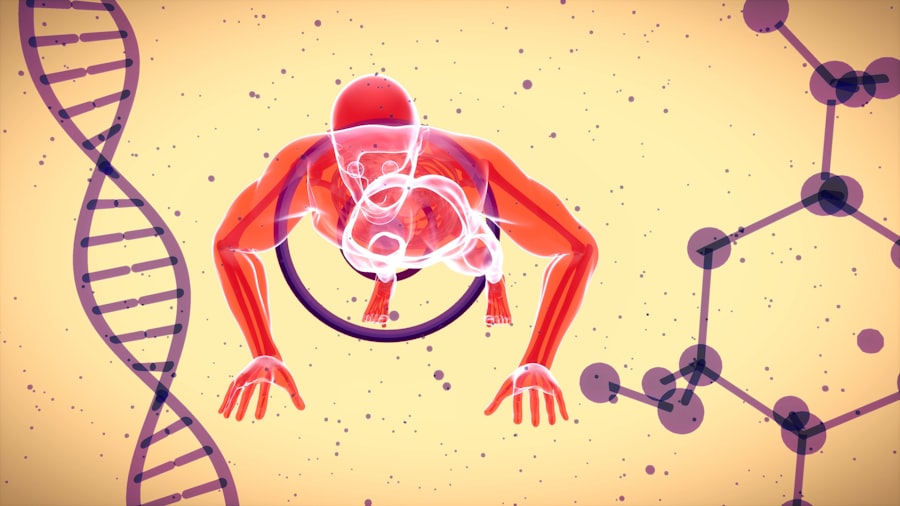
You are a testament to the enduring power of life, possessing an astonishing capacity to repair damage and regenerate tissues. While some forms of regeneration are more evident in other species, your own body harbors remarkable abilities that often go unnoticed.
The Body’s Internal Construction Crew: Stem Cells and Their Potential
At the heart of your body’s regenerative power lie stem cells. These are undifferentiated cells with the unique ability to develop into many different cell types. Think of them as the master builders of your internal architecture, capable of replacing damaged or worn-out cells. There are various types of stem cells, from the embryonic stem cells that give rise to all tissues in a developing fetus to adult stem cells that reside in specific tissues and can replenish those particular cell types. For instance, hematopoietic stem cells in your bone marrow constantly generate new blood cells, and skin stem cells are responsible for regenerating your epidermis. The true secret of stem cells lies in their plasticity and their potential for therapeutic applications. Scientists are actively exploring how to harness their regenerative power to treat a wide range of diseases, from spinal cord injuries to heart disease, offering a glimpse into a future where your body’s own healing capabilities can be amplified.
The Molecular Repairmen: DNA Repair Mechanisms
The blueprint of your life, your DNA, is constantly under assault. Environmental factors, cellular metabolism, and even errors during DNA replication can lead to damage. Yet, you possess an intricate and highly efficient system of DNA repair mechanisms that work tirelessly to correct these errors. Imagine an army of microscopic mechanics, constantly scanning your DNA, identifying breaks, mismatched bases, and other lesions, and meticulously repairing them. These repair pathways are essential for maintaining genomic stability, preventing mutations, and ultimately, preventing cancer. The profound secret is the sheer speed and accuracy of these processes. When these repair mechanisms falter, the consequences can be severe, highlighting their critical role in your health and longevity.
The Silent Healing: Tissue Regeneration and Wound Healing
While you might not regrow a limb like a salamander, your body is constantly engaged in subtle yet significant acts of tissue regeneration and repair. Every time you sustain a minor cut or scrape, a complex cascade of events is initiated to heal the damage. Blood clots form to stop bleeding, inflammatory cells clear debris, and fibroblasts deposit new collagen to rebuild the damaged tissue. Even more complex organs, like your liver, possess a remarkable capacity for regeneration, able to regrow significant portions of itself after injury or surgical removal. The hidden secret here is the intricate signaling pathways and growth factors that orchestrate these healing processes. Understanding and potentially manipulating these pathways could unlock new strategies for treating chronic wounds and degenerative conditions.
The Inner World of Your Mind: The Neurochemical Symphony and Beyond

The complexity of human biology extends far beyond the physical, reaching into the ethereal realm of consciousness, emotion, and thought. Your mind, a product of the intricate workings of your brain, is perhaps the most profound mystery of all.
The Chemical Basis of Emotion: Neurotransmitters and Mood
Your emotions, those fleeting sensations that color your experience of life, are deeply rooted in the neurochemical symphony of your brain. Neurotransmitters like serotonin, dopamine, and norepinephrine play crucial roles in regulating mood, motivation, pleasure, and stress. Imagine a complex cocktail of chemicals, where precise balances and interactions dictate whether you feel happy, anxious, motivated, or content. For example, serotonin is often associated with feelings of well-being and happiness, while dopamine is linked to reward and motivation. Imbalances in these neurotransmitter systems are implicated in a wide range of mental health conditions, from depression and anxiety to addiction. The secret here is the intricate interplay between these chemicals and your thoughts and behaviors. They are not simply passive participants; they actively shape and are shaped by your cognitive processes, demonstrating a powerful bidirectional relationship.
The Architects of Memory: Synaptic Plasticity and Neural Networks
The ability to remember is a cornerstone of your identity, allowing you to learn, grow, and navigate the world. This remarkable capacity is encoded in the physical structure and function of your brain, specifically in the connections between neurons, known as synapses. The process of memory formation and retrieval relies heavily on synaptic plasticity, the ability of these connections to strengthen or weaken over time based on experience. When you learn something new, the synapses involved in that learning become stronger, making it easier to recall that information later. Imagine a vast, interconnected web of neurons, where the strength of each connection represents a piece of stored information. The more you access and reinforce a particular memory, the stronger and more robust that neural pathway becomes. The secret lies in the dynamic and distributed nature of memory; it’s not stored in a single location but is spread across networks of neurons, making it remarkably resilient.
The Mysteries of Consciousness: The Uncharted Territory of Awareness
Perhaps the most elusive and profound secret of human biology is the nature of consciousness itself. What is it that allows you to experience the world subjectively, to feel, to think, to be aware of your own existence? While neuroscience has made significant strides in understanding the brain’s structure and function, the fundamental question of how physical matter gives rise to subjective experience remains largely unanswered. You can map neural activity associated with specific thoughts or emotions, but the leap from electrochemical signals to the richness of conscious awareness is a profound enigma. Theories abound, from the idea that consciousness emerges from complex neural interactions to the possibility of it being a fundamental property of the universe. The secret here is that you are a walking, talking mystery, a being who experiences the world and has the capacity to ponder its own existence, a feat that continues to captivate and challenge the greatest minds.
Exploring the fascinating world of hidden human biology can lead to a deeper understanding of our own bodies and their intricate systems. For those interested in uncovering more about the mysteries of human anatomy and physiology, a related article can be found at Freaky Science, which delves into the surprising functions and capabilities of our biological systems. This resource offers intriguing insights that can enhance your knowledge and appreciation of the complexities that lie beneath the surface of our everyday lives.
The Intertwined Web: Your Microbiome, A Second Genome
| Aspect | Metric |
|---|---|
| Cellular Composition | Trillions of cells make up the human body |
| DNA Length | Approximately 6 feet of DNA is packed into each cell nucleus |
| Blood Volume | The average adult has about 1.2 to 1.5 gallons of blood |
| Brain Neurons | There are about 86 billion neurons in the human brain |
You are not alone. In fact, you are far from it. Within and upon your body resides a vast and diverse community of microorganisms – bacteria, fungi, viruses, and archaea – collectively known as your microbiome. This microbial ecosystem, outnumbering your own human cells by a significant margin, is not merely a passive passenger; it’s an integral and influential partner in your health and well-being.
The Gut’s Hidden Workers: Digestion and Nutrient Absorption
Your gut is a bustling metropolis for trillions of microorganisms, and their primary role is intimately intertwined with your own survival: digestion. These microbes possess enzymes that you lack, enabling them to break down complex carbohydrates, fibers, and other substances that your digestive system cannot process on its own. They extract essential nutrients, synthesize vitamins like K and B vitamins, and produce short-chain fatty acids (SCFAs) that serve as vital energy sources for the cells lining your gut and have far-reaching effects on your overall health. The secret here is the immense impact of gut health on your entire body. A balanced microbiome can influence your immune system, your mood, and even your susceptibility to chronic diseases. Conversely, an imbalanced microbiome, known as dysbiosis, can contribute to a cascade of health problems.
The Immune System’s Training Ground: Microbiome and Immunity
Your immune system’s development and function are profoundly shaped by the constant interaction with your gut microbiome. Early exposure to a diverse range of microbes helps to “train” your immune system, teaching it to distinguish between harmless microbes and dangerous pathogens. The microbiome also plays a crucial role in regulating inflammation, a critical component of immune responses. Certain gut bacteria can produce molecules that dampen excessive inflammation, while others can promote it. The hidden secret is the delicate balance required for a healthy immune system. A well-tuned microbiome acts as a crucial modulator, preventing both overactive immune responses (leading to autoimmune diseases) and underactive responses (making you more susceptible to infections).
The Gut-Brain Connection: A Two-Way Highway
The intimate connection between your gut and your brain is no longer a fringe theory; it’s a scientifically established reality. Your gut microbiome communicates with your brain through various pathways, including the vagus nerve, the production of neurotransmitters by gut bacteria, and the modulation of the immune system. This “gut-brain axis” influences not only your mood and behavior but also cognitive functions like memory and learning. For instance, imbalances in the gut microbiome have been linked to increased anxiety and depression. The profound secret is the power of this two-way communication. What you eat and the state of your gut microbes can directly impact your mental well-being, and conversely, stress and mental states can influence your gut health. Understanding this complex dialogue opens up new avenues for treating both physical and mental health conditions.
The Unfolding Future: Gene Editing, Longevity, and the Quest for Enhancement
As you delve deeper into the hidden secrets of human biology, you also stand on the brink of a future where your understanding of yourself can be actively manipulated and enhanced. The rapid advancements in fields like genomics, gene editing, and regenerative medicine are ushering in an era of unprecedented possibilities.
The Power of Precise Intervention: CRISPR and Gene Editing
Perhaps the most revolutionary advancement in recent biological science is the development of CRISPR-Cas9 gene editing technology. Imagine being able to precisely cut and paste DNA, correcting genetic mutations that cause disease or even introducing new genetic traits. CRISPR allows scientists to make targeted alterations to the genome with remarkable accuracy and efficiency. The potential applications are vast, from treating genetic disorders like cystic fibrosis and sickle cell anemia to developing new strategies for fighting cancer and infectious diseases. The profound secret of CRISPR lies in its accessibility and versatility, opening up a Pandora’s Box of possibilities for shaping your biological future.
The Quest for Extended Healthspan: Longevity Research and Anti-Aging Therapies
The human desire to live longer, and more importantly, to live healthier for longer, is driving intense research into the biology of aging. Scientists are unraveling the intricate molecular processes that contribute to cellular senescence, DNA damage accumulation, and telomere shortening – hallmarks of aging. Through the study of model organisms and the identification of genetic pathways associated with longevity, researchers are exploring interventions that could slow down or even reverse aspects of the aging process. This includes investigating the role of caloric restriction, senolytic drugs that clear senescent cells, and therapies that target cellular repair mechanisms. The hidden secret here is the shift in focus from simply extending lifespan to extending healthspan – the period of life lived free from disease and disability. The goal is not just to live longer, but to live better, for longer.
The Dawn of Biological Enhancement: Beyond Therapy
As your ability to understand and manipulate your own biology grows, the lines between therapy and enhancement begin to blur. While gene editing and regenerative medicine offer profound therapeutic benefits, they also raise ethical questions about using these technologies to enhance human capabilities beyond what is considered “normal.” This could include improving cognitive function, boosting physical performance, or even altering aesthetic traits. The unfolding future presents you with the profound challenge of navigating these new frontiers responsibly. The secret lies in the ongoing dialogue about the ethical implications and societal impact of these powerful technologies, ensuring that their development benefits humanity as a whole.
You are a living testament to the power and complexity of biological evolution. The hidden secrets of human biology are not abstract concepts confined to laboratories; they are woven into the very fabric of your being, influencing every thought, every feeling, and every moment of your existence. By understanding these internal marvels, you gain not only a deeper appreciation for your own physical form but also a profound insight into your potential for health, resilience, and continued growth. The journey into your inner universe is far from over; it is a continuous exploration, a lifelong revelation of the astonishing wonder that is you.

You’re Emitting Light Right Now—So Why Can’t You See It?
FAQs
What is hidden human biology?
Hidden human biology refers to the aspects of human biology that are not readily apparent or visible, such as the inner workings of the human body at a cellular or molecular level.
What are some examples of hidden human biology?
Examples of hidden human biology include the intricate processes of cell division, the complex interactions of hormones and neurotransmitters, and the genetic mechanisms that regulate various bodily functions.
Why is hidden human biology important to study?
Studying hidden human biology is important because it provides insights into the fundamental processes that govern human health and disease. Understanding these hidden mechanisms can lead to advancements in medical treatments and interventions.
How is hidden human biology studied?
Hidden human biology is studied through various scientific disciplines, including molecular biology, genetics, biochemistry, and physiology. Researchers use advanced technologies and techniques to investigate the hidden aspects of human biology.
What are some potential applications of understanding hidden human biology?
Understanding hidden human biology has the potential to lead to the development of new medical treatments, personalized medicine approaches, and interventions for various health conditions. It can also contribute to a deeper understanding of human evolution and the origins of certain diseases.