
You stand on the rooftop, the city sprawling out beneath you in a tapestry of concrete and distant lights. The air, thick with the city’s exhalations, presses in. But it’s not just the urban atmosphere that fills your senses. It’s the sound. The hum. The growl. The incessant, multifaceted thrum of the HVAC units. These behemoths of industry, perched like mechanical titans, are the unseen architects of your comfort, but they are also the producers of a pervasive sonic landscape that can, and often does, creep into your subconscious.
You might dismiss it at first. A background noise. The natural soundtrack to city life. But listen closer. The constant, low-frequency vibration that seems to resonate not just in the air but through the very metal beneath your feet. The higher-pitched whine of struggling compressors. The percussive clatter of loose panels or failing bearings. These are not random occurrences; they are the audible signatures of complex machinery working tirelessly, often under immense strain.
Understanding the Source: The Anatomy of a Rooftop Unit
To truly grasp the haunting frequencies, you need to understand what you’re listening to. A rooftop HVAC unit is a sophisticated ecosystem of components, each contributing to the overall sonic output.
The Compressor: The Heartbeat of the System
At the core of nearly every rooftop HVAC unit lies the compressor. This component is responsible for pressurizing the refrigerant, driving the cooling or heating cycle. The process of compression involves pistons moving rapidly, valves opening and closing, and the inherent vibration of a motor designed for high torque. You’ll recognize its contribution by the deep, resonant hum it emits, a sound that can fluctuate in pitch and intensity depending on its workload. In older or less well-maintained units, this hum can develop an unsettling tremor, a subtle irregularity that, when prolonged, can trigger a sense of unease.
The Condenser Fan: The Constant Breeze and its Noise
The condenser fan, typically a large, powerful impeller, is tasked with drawing air across the condenser coils to dissipate heat. Think of it as a relentless wind machine. The sheer volume of air it moves, coupled with the motor driving it, creates a significant source of noise. You’ll hear the whoosh of air, but more importantly, the whirring and sometimes grating sounds of the fan blades themselves. If a blade is bent, unbalanced, or if the bearings are worn, the fan can introduce a distinct, often intrusive rattle or a high-pitched squeal.
The Evaporator Fan and Blower Assembly: The Indoor Air Distributor
While the evaporator fan is primarily located within the building’s ductwork, its connection to the rooftop unit means its operational sounds can also be perceived as part of the larger mechanical symphony. This fan circulates conditioned air throughout the building. Its noise is often a steadier, more uniform whoosh, but imperfections in its balance or motor can lead to a more persistent drone or even a pulsing sound.
Refrigerant Lines and Valves: The Gaseous Whispers and Percussions
The flow of refrigerant through the system generates its own set of sounds. As the pressurized gas moves through the insulated lines, you might hear a subtle hissing or a gurgling sound. Specialized valves, designed to regulate the flow, can sometimes emit sharp clicks or pops as they actuate. While these are usually contained, in poorly insulated or particularly sensitive environments, these distinct noises can pierce through the general hum.
Rooftop HVAC units are known to generate various frequencies during their operation, some of which can be classified as ghost frequencies—those that are not typically perceived by the human ear but can still have an impact on the surrounding environment. These frequencies can interfere with electronic devices and contribute to noise pollution. For a deeper understanding of this phenomenon and its implications, you can read the related article at Freaky Science, which explores the science behind HVAC systems and their unexpected effects on sound and frequency.
The Spectrum of Disquiet: Frequencies That Unsettle
It’s not just the volume of the noise, but the specific frequencies that can have a psychological impact. Certain resonant frequencies, particularly in the low-end spectrum, are known to induce feelings of anxiety, discomfort, and even nausea in some individuals. These infrasound frequencies, below the threshold of human hearing, can still be felt as vibrations.
Low-Frequency Vibrations: The Unseen Tremor
You might not consciously hear them, but you can feel them. The deep, guttural vibrations emanating from the very foundation of the HVAC units can permeate the structure of the building. This can manifest as an unsettling tremor in the floor, a subtle rattling of objects on shelves, or even a pressure in your chest. These low-frequency sounds, often exacerbated by the resonance of the building itself, can contribute to a pervasive sense of unease, a feeling that something is… off.
Harmonic Resonance and Building Structures
Buildings are not inert structures; they have their own natural frequencies at which they tend to vibrate. When the operating frequencies of the HVAC units align with these natural frequencies, a phenomenon called harmonic resonance can occur. This amplifies the vibrations, making even seemingly minor noises feel significantly more potent and pervasive. You might find yourself feeling a constant, low-level agitation, even when the audible noise itself isn’t particularly loud.
The Psychological Impact of Infrasound
While the exact mechanisms are still being researched, exposure to infrasound has been linked to symptoms such as headaches, dizziness, fatigue, and feelings of dread. These are not the sounds of a malfunctioning unit, but rather the inherent sonic byproducts of large-scale mechanical operation. You might find yourself feeling inexplicably tired or anxious after prolonged exposure, attributing it to other factors, unaware of the subtle sonic influences.
The Mid-Range Menace: The Drone and the Whine
Beyond the infrasound lies the vast middle ground of audible frequencies. This is where you’ll find the most recognizable sounds of rooftop HVAC units, but also some of the most persistent and potentially irritating.
The Compressor’s Persistent Drone
The continuous hum of the compressor, as mentioned, is a defining characteristic. When this hum is not purely sinusoidal but contains a mix of harmonics and sub-harmonics, it can create a complex, unyielding drone. This constant sonic pressure can make it difficult to concentrate, relax, or even fall asleep. It becomes a sonic wallpaper you can’t turn off.
The Squeal of Failing Bearings
A high-pitched squeal, often indicative of worn bearings in a fan motor or compressor, is a more acute and attention-grabbing sound. While it signals a clear mechanical issue, its piercing nature can be incredibly grating. This is not a sound of subtle unease, but a more overt intrusion, a sonic alarm that, even when the issue is addressed, can linger in your auditory memory.
The Rattling of Loose Components
As units age and endure the elements, screws loosen, panels shift, and internal components can become dislodged. This leads to a cacophony of rattles, clatters, and rhythmic thuds. These sounds are often intermittent but can be jarring, disrupting any sense of calm. You might hear a metallic scraping during a gust of wind, or a persistent knock as the unit cycles on and off.
Environmental Amplification: How Location Exacerbates the Sounds
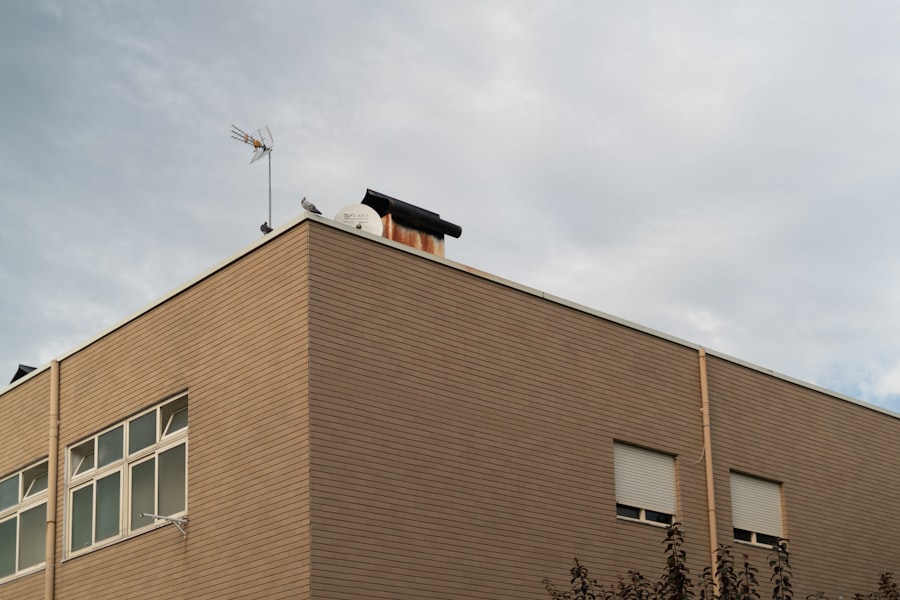
Your proximity to the rooftop HVAC units, and the surrounding urban environment, play a crucial role in how these frequencies affect you. A unit located directly above your workspace or bedroom will have a far more immediate and potent impact than one situated further away.
Proximity and Direct Exposure
The most obvious factor is distance. The closer you are, the more intense the sound pressure level will be. You might experience the full spectrum, from the bone-rattling low frequencies to the piercing high-pitched alarms. This direct exposure can be overwhelming, making it difficult to escape the sonic assault.
Sound Transmission Through Building Materials
Even if the units are not directly above you, sound travels. Concrete, steel, and glass are excellent conductors of vibration. The structural elements of a building can act like a giant amplifier, transmitting the sounds of the HVAC units throughout its interior. You might find the noise present in rooms on different floors, or even in adjacent buildings.
The Urban Soundscape: A Contributing Factor
The city itself is a symphony of noise. Traffic, construction, sirens – these contribute to a generally elevated noise floor. The HVAC units don’t exist in a vacuum; their sounds are layered upon and interact with this existing sonic environment.
Masking and Amplification
Sometimes, the general urban din can mask the subtler, more insidious frequencies of the HVAC units. However, at other times, the ambient noise can seem to amplify certain aspects of the HVAC sounds, making them more prominent and intrusive. A gust of wind whistling through a gap might accentuate a rattling panel, for instance.
Reflected Sound and Echoes
The hard surfaces of urban buildings reflect sound waves. This can create echoes and reverberations, making the HVAC sounds seem to repeat or emanate from multiple directions. This can be particularly disorienting, creating a sense of sonic confusion.
The Psychological Toll: Beyond Annoyance

The persistent presence of these haunting frequencies can move beyond mere annoyance and begin to affect your overall well-being. The constant sonic pressure can wear down your resilience, leading to tangible psychological and physiological consequences.
Sleep Disruption and Fatigue
One of the most common and significant impacts of intrusive noise is sleep disruption. The low-frequency hum can make it difficult to fall asleep, and the sudden rattles or whines can jolt you awake. Chronic sleep deprivation has a cascade of negative effects, including impaired cognitive function, increased irritability, and a weakened immune system. You might find yourself feeling perpetually tired, even after a full night’s sleep that wasn’t truly restful.
The Fight-or-Flight Response Trigger
Certain sound frequencies, particularly those that are irregular or perceived as potential threats, can trigger the body’s fight-or-flight response. This can lead to increased heart rate, elevated blood pressure, and the release of stress hormones like cortisol. While the HVAC units are not a direct threat, the primal response they can inadvertently trigger can leave you feeling on edge, anxious, and constantly vigilant.
Cognitive Impairment and Reduced Productivity
When your brain is constantly battling a barrage of intrusive sounds, its ability to focus and perform complex tasks suffers. Concentration becomes a challenge, memory recall can be affected, and problem-solving becomes more difficult.
The Impact on Learning and Memory
For students or professionals working in environments dominated by HVAC noise, the detrimental effects on learning and memory can be significant. The effort required to filter out the noise drains cognitive resources that would otherwise be used for absorbing information and retaining it.
Reduced Productivity and Work Performance
In a professional setting, the constant distraction can lead to a noticeable drop in productivity. Tasks take longer to complete, errors are more frequent, and the overall quality of work can decline. It’s a silent saboteur of efficiency.
Rooftop HVAC units are known to generate various frequencies that can sometimes lead to the phenomenon of ghost frequencies, which can interfere with nearby electronic devices. This intriguing topic is further explored in an article that delves into the science behind these frequencies and their unexpected effects on the environment. For those interested in understanding more about this phenomenon, you can read the full article on Freaky Science.
Mitigation and Management: Reclaiming Your Auditory Space
| Frequency | Source | Impact |
|---|---|---|
| 60 Hz | Power supply | Electrical interference |
| 120 Hz | Compressor motor | Vibration and noise |
| 180 Hz | Fan motor | Airborne noise |
While you may not have direct control over the HVAC units themselves, there are steps you can take to mitigate their haunting frequencies and reclaim your auditory space.
Building Management and Maintenance
The most effective solution lies with those responsible for the building’s infrastructure. Regular maintenance and proactive repairs can significantly reduce the noise generated by HVAC units.
Regular Inspections and Tune-ups
Ensuring that compressors are properly lubricated, fan belts are tensioned correctly, and bearings are replaced before they fail can prevent many of the more jarring noises.
Vibration Dampening Solutions
Installing vibration isolation pads beneath the units, or using flexible connectors for ductwork, can prevent the transmission of low-frequency vibrations into the building structure.
Acoustic Enclosures and Baffles
In some cases, specially designed acoustic enclosures can be installed around the units to contain and absorb sound. Similarly, strategically placed baffles can help deflect and diffuse sound waves.
Personal Strategies for Noise Reduction
When building-level solutions are not immediately available, you can employ personal strategies to combat the sonic intrusion.
Earplugs and Noise-Canceling Headphones
For direct exposure or particularly disruptive periods, high-quality earplugs or noise-canceling headphones can provide a much-needed respite. Look for options that are effective at blocking the specific frequencies you find most troublesome.
White Noise and Sound Masking
While it might seem counterintuitive, introducing controlled “white noise” or ambient soundscapes can actually help to mask the more intrusive HVAC frequencies. This creates a more uniform and less jarring sonic environment.
Environmental Modifications
Rearranging furniture, adding soft furnishings like carpets and curtains, and sealing gaps around windows and doors can all help to absorb and block sound transmission into your living or working space.
The haunting frequencies of rooftop HVAC units are more than just background noise. They are a subtle but pervasive force that can impact your well-being, your productivity, and your peace of mind. By understanding their origins, recognizing their effects, and implementing strategic solutions, you can begin to tame this mechanical chorus and reclaim the quiet you deserve.
FAQs
What are rooftop HVAC units?
Rooftop HVAC units are heating, ventilation, and air conditioning systems that are installed on the roof of a building. They are commonly used in commercial and industrial buildings to provide climate control.
How do rooftop HVAC units create ghost frequencies?
Rooftop HVAC units can create ghost frequencies through the vibration of their components, such as fans and motors. These vibrations can resonate with the building structure and create low-frequency noise that is often perceived as a haunting or ghostly presence.
What are the effects of ghost frequencies from rooftop HVAC units?
The effects of ghost frequencies from rooftop HVAC units can include feelings of unease, discomfort, and even fear among building occupants. These frequencies can also disrupt sleep and cause stress, leading to negative impacts on health and well-being.
How can ghost frequencies from rooftop HVAC units be mitigated?
Ghost frequencies from rooftop HVAC units can be mitigated through the use of vibration isolation mounts, acoustic barriers, and soundproofing materials. Regular maintenance and inspection of the HVAC units can also help prevent the creation of ghost frequencies.
Are there any regulations or standards regarding ghost frequencies from rooftop HVAC units?
Currently, there are no specific regulations or standards addressing ghost frequencies from rooftop HVAC units. However, building codes and standards related to noise control and vibration may indirectly apply to the mitigation of ghost frequencies.