You’ve likely heard of your brain, that marvelous organ nestled within your skull, orchestrating your thoughts, emotions, and movements. But what if you were told that you possess another brain, one equally intricate, vital, and constantly working behind the scenes? This isn’t science fiction; it’s the remarkable reality of your gut’s nervous system, often dubbed your “second brain.” You might be surprised to learn that your digestive tract isn’t just a passive tube for processing food; it’s a sophisticated, independent entity equipped with its own vast network of neurons, capable of controlling digestion, modulating your immune response, and even communicating directly with your actual brain.
Your gut’s nervous system, scientifically known as the Enteric Nervous System (ENS), is a complex and extensive network of neurons that resides within the walls of your gastrointestinal (GI) tract. It stretches from your esophagus all the way down to your anus, encompassing the stomach, small intestine, and large intestine. This remarkable system is so elaborate that it contains more neurons than your spinal cord, a staggering figure that underscores its significance. It operates with a considerable degree of autonomy, meaning it can manage many digestive functions without direct input from your central nervous system (CNS)—your brain and spinal cord. This independence is crucial for the efficient and continuous processing of food, ensuring that digestion proceeds smoothly even when your conscious mind is occupied elsewhere.
The Sheer Scale of the ENS
To truly grasp the magnitude of your ENS, consider these facts. The human ENS houses an estimated 100 million neurons, a number that rivals that found in the spinal cord. These neurons are organized into a complex web, forming two primary layers of interconnected nerve plexuses: the myenteric plexus (also known as Auerbach’s plexus) and the submucosal plexus (also known as Meissner’s plexus). The myenteric plexus is located between the longitudinal and circular muscle layers of the GI wall and is primarily responsible for controlling gut motility—the muscular contractions that move food through your digestive tract. The submucosal plexus, situated within the submucosa, plays a key role in regulating secretions, absorbing nutrients, and controlling blood flow within the gut. The sheer density and interconnectedness of these neurons allow for rapid and coordinated responses to stimuli encountered throughout your digestive journey.
Autonomy: The ENS’s Superpower
The remarkable autonomy of the ENS allows it to perform its vital functions even when disconnected from the brain, as demonstrated in animal studies where the gut has been surgically separated from the CNS. This independence is a testament to its sophisticated design, allowing the digestive system to adapt to varying conditions, such as the type of food you consume or the presence of pathogens, without requiring constant conscious oversight. While it can operate independently, it’s important to remember that the ENS is not isolated from the brain. Instead, it exists in a constant, powerful dialogue.
Recent research has shed light on the fascinating connection between our gut and brain, revealing that our gut contains a complex network of neurons, often referred to as the “second brain.” This intricate system plays a crucial role in digestion and can even influence our mood and overall mental health. For more insights into this intriguing topic, you can read a related article on the science behind our gut’s neural network at Freaky Science.
The ENS’s Role in Digestion: From Swallowing to Elimination
Your ENS is the silent conductor of the entire digestive symphony, orchestrating every movement, secretion, and absorption required to break down your food and extract the nutrients your body needs. Without its tireless work, the complex process of digestion would grind to a halt.
Motility: The Muscular Choreography of Digestion
One of the primary responsibilities of the ENS is to control gut motility. This refers to the coordinated muscular contractions that propel food through your digestive tract. From the wave-like contractions of peristalsis that move food down your esophagus and through your intestines, to the churning and mixing actions in your stomach, every muscular event is meticulously regulated by the ENS. The myenteric plexus, with its extensive network of neurons, is the chief architect of this muscular choreography, ensuring that food is broken down, mixed with digestive juices, and efficiently moved along its arduous journey. You don’t have to consciously tell your stomach to churn or your intestines to move food along; your ENS has it covered.
Peristalsis: The Rhythmic Propulsion
Peristalsis is a fundamental process in digestion, and your ENS is its unwavering conductor. These are involuntary, wave-like muscular contractions that move food through your esophagus, stomach, and intestines. You can visualize it like squeezing a tube of toothpaste; the ENS activates the muscles in a coordinated fashion to push the contents forward. This rhythmic propulsion is essential for mixing food with digestive enzymes and absorbing nutrients.
Segmentation: The Mixing Masters
In the small intestine, segmentation plays a crucial role in mixing chyme (partially digested food) with digestive juices and exposing it to the intestinal lining for absorption. These are localized, rhythmic contractions that churn the contents back and forth, effectively breaking down larger food particles and facilitating nutrient absorption. Your ENS ensures these mixing contractions happen at precisely the right time and with the appropriate intensity.
Secretions: The Digestive Elixir
Beyond movement, your ENS is equally vital in regulating the release of digestive juices. Enzymes, acids, and mucus are all produced and secreted in precise amounts and at specific times to facilitate digestion. For instance, the ENS signals to the stomach to release hydrochloric acid and pepsin when food enters, or to the pancreas to release digestive enzymes into the small intestine. This controlled release ensures that food is broken down efficiently and that your gut lining is protected from its own harsh environment.
The Acidic Symphony of the Stomach
Your ENS plays a critical role in stomach acid production. When food enters your stomach, ENS neurons signal specialized cells in the stomach lining to release hydrochloric acid (HCl). This acid is essential for breaking down proteins and killing harmful bacteria. The ENS ensures that acid production is appropriately regulated, avoiding both insufficient breakdown and excessive acidity that could damage the stomach lining.
Enzyme Release: The Chemical Breakdown Crew
The ENS also controls the release of a variety of digestive enzymes throughout your GI tract. From amylase for carbohydrates to lipase for fats and proteases for proteins, these enzymes are cued up by ENS signals to go to work on your food, breaking it down into smaller molecules that can be absorbed. This intricate coordination ensures that all necessary digestive processes occur in the right order and with the right chemical tools.
Absorption: The Nutrient Extraction Process
While the primary absorption of nutrients occurs in the small intestine, the ENS plays an indirect but vital role in optimizing this process. By controlling motility and blood flow to the intestinal lining, the ENS ensures that digested material is in close contact with the absorptive cells for an adequate period, maximizing the uptake of essential vitamins, minerals, and macronutrients.
Communication Highway: The Gut-Brain Axis
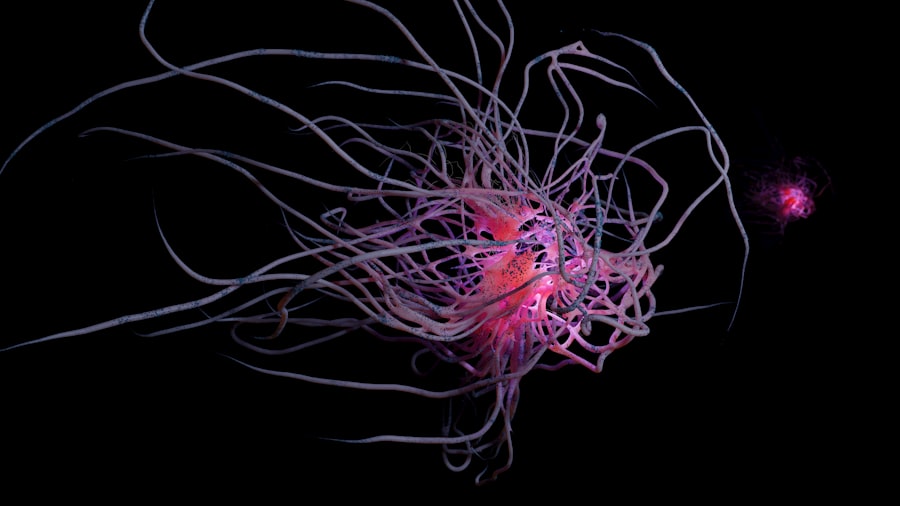
The concept of the gut-brain axis highlights the bidirectional communication that exists between your ENS and your CNS. It’s not just your brain influencing your gut; your gut is constantly sending signals up to your brain, affecting your mood, stress levels, and even cognitive function. This intricate neurochemical dialogue is a cornerstone of your overall well-being.
Neuronal Connections: The Direct Lines
While the ENS can function independently, it also communicates directly with the brain through the vagus nerve, the longest cranial nerve in your body. This nerve acts as a primary highway, transmitting vast amounts of information from the gut to the brain and vice-versa. This constant exchange allows your brain to be aware of your digestive state, and your gut to respond to your brain’s signals.
The Vagus Nerve: A Two-Way Street
The vagus nerve is perhaps the most significant physical link between your ENS and your CNS. It carries sensory information from the gut to the brain, informing it about the presence of food, fullness, pain, and even the composition of your gut microbiome. Crucially, it also carries motor signals from the brain to the gut, influencing motility and secretion. This constant traffic of information ensures that your body’s systems are coordinated.
Neurotransmitters: The Gut’s Chemical Messengers
Your ENS produces and utilizes a wide array of neurotransmitters, many of which are the same ones found in your brain. Serotonin, for example, is often called the “happy chemical” in the brain, but a staggering 95% of the body’s serotonin is actually produced in the gut, where it plays a critical role in regulating gut motility and sensation. Other neurotransmitters like dopamine, acetylcholine, and GABA are also abundant in the ENS, influencing various digestive processes and even impacting mood and behavior. The gut’s production of these powerful chemicals directly influences how you feel, making it clear why “gut feelings” are so profound.
Serotonin: More Than Just a Mood Regulator
You might associate serotonin with feeling good, and it certainly plays a role in mood regulation in the brain. However, in your ENS, serotonin is a powerhouse for controlling gut muscle contractions, influencing intestinal secretion, and even sensing pain. The intricate interplay of serotonin in both your brain and gut highlights the deep connection between your emotional state and your digestive health.
Dopamine: The Gut’s Reward Signal
Dopamine is renowned in the brain for its role in reward and motivation. Within the ENS, dopamine contributes to regulating gut motility and can influence the perception of taste and satiety. This chemical connection can explain why certain foods can evoke feelings of pleasure and comfort associated with gut satisfaction.
The Immune System’s Frontier: The Gut’s Vigilant Defense
Your gut isn’t just a food processor; it’s also a critical frontier for your immune system. A significant portion of your body’s immune cells reside within the gut lining, making the ENS a crucial partner in defending against pathogens and maintaining immune homeostasis.
The Gut as an Immune Hub
The GI tract is constantly exposed to a vast array of potential threats from the food and fluids you consume. As a result, it has evolved a sophisticated immune system, comprising specialized cells and tissues like Peyer’s patches and the countless immune cells scattered throughout the gut lining. The ENS plays an integral role in coordinating the immune response within the gut, signaling to immune cells, and modulating their activity.
Peyer’s Patches: The Gut’s Sentinel Lymph Nodes
These specialized structures, scattered throughout the small intestine, act as immune surveillance centers. They contain immune cells that are constantly sampling the contents of the gut lumen, identifying potential pathogens or harmful substances. The ENS can influence the activity of cells within Peyer’s patches, contributing to the overall immune defense of the gut.
The Gut Barrier: A Crucial Defense Line
Your gut lining itself acts as a formidable barrier, preventing harmful bacteria and toxins from entering your bloodstream. The ENS contributes to the integrity of this barrier by regulating the production of mucus and the tight junctions between epithelial cells. When this barrier is compromised, it can lead to a cascade of inflammatory responses and systemic health issues.
Modulation of Inflammation
The ENS can influence inflammatory responses within the gut, both by initiating them when necessary to fight infection and by helping to dampen them down to prevent excessive or chronic inflammation. This delicate balancing act is crucial for maintaining gut health and preventing inflammatory bowel diseases.
Recent studies have revealed that our gut is home to a complex network of neurons, often referred to as the “second brain,” which plays a crucial role in our overall health and well-being. This fascinating connection between the gut and the brain highlights the importance of gut health in influencing mood and cognitive function. For more insights on this intriguing topic, you can read about it in this related article that explores the intricate relationship between our digestive system and neurological health. Understanding this connection can lead to better approaches in managing various health issues.
The Gut Microbiome’s Influence: A Symphony of Microbes and Neurons
| Reasons why your gut has neurons |
|---|
| 1. Enteric Nervous System (ENS) controls digestion |
| 2. ENS can function independently of the brain |
| 3. Neurons in the gut can influence mood and emotions |
| 4. Gut-brain axis allows communication between gut and brain |
| 5. Neurons in the gut play a role in immune function |
In recent years, the burgeoning field of microbiome research has revealed another profound influence on your second brain: the trillions of bacteria, fungi, and viruses that inhabit your gut, collectively known as the gut microbiome. This microbial ecosystem is not just a passive inhabitant; it actively communicates with your ENS, influencing its function and, by extension, your overall health and well-being.
A Microbial Dialogue
The gut microbiome profoundly impacts the ENS through various mechanisms. Microbes can produce short-chain fatty acids (SCFAs) that have signaling roles, alter the production of neurotransmitters, and even directly interact with ENS neurons. This constant microbial dialogue is essential for maintaining a healthy and responsive gut.
Short-Chain Fatty Acids (SCFAs): Microbial Metabolites with Big Impact
When gut bacteria ferment dietary fiber, they produce SCFAs such as butyrate, acetate, and propionate. These SCFAs are not just waste products; they serve as vital energy sources for gut cells and also act as signaling molecules. They can influence ENS function, reduce inflammation, and even affect mood and behavior by interacting with the gut-brain axis.
Neurotransmitter Production and Modulation
Certain gut bacteria can synthesize or modulate the production of neurotransmitters, including serotonin, GABA, and dopamine. This means that the composition of your microbiome can directly impact the levels of these crucial chemical messengers in your gut, with ripple effects on your mood, stress response, and overall well-being.
Impact on Mental Health
The influence of the gut microbiome on your mental health is an increasingly an exciting area of research. Dysbiosis, or an imbalance in the gut microbiome, has been linked to a range of mental health conditions, including anxiety, depression, and even neurodevelopmental disorders. The ENS acts as a critical intermediary in this connection, translating microbial signals into effects that can influence your brain and behavior.
Taking Care of Your Second Brain: Nurturing the Gut-Brain Connection
Understanding the profound influence of your ENS and its connection to your brain empowers you to take proactive steps towards nurturing this vital system. Simple lifestyle choices can have a significant impact on the health of your gut and, consequently, your overall well-being.
Diet: Fueling a Healthy Gut
Your diet is one of the most powerful tools you have for influencing your gut health. A diet rich in fiber, fermented foods, and a diverse range of plant-based foods supports a healthy and diverse microbiome, which in turn benefits your ENS. Avoiding processed foods, excessive sugar, and artificial ingredients can also help to reduce inflammation and promote a balanced gut environment.
The Power of Prebiotics and Probiotics
Prebiotics are non-digestible fibers that act as food for beneficial gut bacteria, while probiotics are live microorganisms that, when consumed in adequate amounts, confer a health benefit on the host. Incorporating foods rich in prebiotics (like onions, garlic, and bananas) and probiotics (like yogurt, kefir, and sauerkraut) can help to cultivate a thriving gut microbiome, which positively impacts your ENS.
The Anti-Inflammatory Diet
An anti-inflammatory diet, rich in fruits, vegetables, lean proteins, and healthy fats, can help to reduce chronic inflammation throughout your body, including in your gut. Limiting red meat, processed foods, and sugary drinks can further contribute to a less inflammatory internal environment, benefiting both your ENS and overall health.
Stress Management: Calming the Gut-Brain Axis
Chronic stress can wreak havoc on your gut health, disrupting motility, increasing inflammation, and negatively impacting your microbiome. Implementing stress management techniques such as mindfulness, meditation, yoga, or deep breathing exercises can help to calm the gut-brain axis and promote better digestive function and emotional resilience.
Mindfulness and Meditation: Finding Inner Peace
Practicing mindfulness and meditation can help to shift your nervous system out of “fight or flight” mode and into a more relaxed state, which benefits your digestive system. By focusing on the present moment, you can reduce the physiological impact of stress on your gut.
The Importance of Sleep
Adequate sleep is crucial for both brain and gut health. During sleep, your body undertakes essential restorative processes, and disruptions to sleep can negatively affect your gut microbiome and ENS function. Aiming for 7-9 hours of quality sleep per night is vital for maintaining balance.
Exercise: Moving for a Healthy Gut
Regular physical activity has been shown to promote a more diverse and beneficial gut microbiome, improve gut motility, and reduce inflammation. Exercise also helps to manage stress, further benefiting the gut-brain connection.
In conclusion, your gut is far more than a simple digestive tube. It is a complex, intelligent system, a complete nervous system in its own right, buzzing with activity and constantly communicating with your brain. By understanding and nurturing your ENS, you are not only investing in better digestion but also in your overall mental, emotional, and physical well-being. Pay attention to your gut, for it holds a wisdom and influence that is only beginning to be fully understood.

The Hidden Sense Inside Your Gut
FAQs
What are neurons in the gut?
Neurons in the gut, also known as enteric neurons, are nerve cells that are found in the lining of the gastrointestinal tract. They are part of the enteric nervous system, which is often referred to as the “second brain” due to its complex and independent functioning.
How many neurons are in the gut?
The gut contains approximately 100 million neurons, which is about the same number of neurons found in the spinal cord. This extensive network of neurons allows the gut to regulate various digestive processes, such as peristalsis and secretion of digestive enzymes.
What is the role of neurons in the gut?
Neurons in the gut play a crucial role in regulating digestion, nutrient absorption, and gut motility. They also communicate with the central nervous system and are involved in the gut-brain axis, which influences emotions, mood, and even cognitive function.
How do neurons in the gut communicate with the brain?
Neurons in the gut communicate with the brain through the vagus nerve, which is a major part of the parasympathetic nervous system. This bidirectional communication between the gut and the brain is essential for maintaining overall gut health and influencing mental well-being.
What factors can impact the health of neurons in the gut?
Factors such as stress, diet, and certain medications can impact the health of neurons in the gut. Chronic stress, for example, can lead to alterations in gut motility and function, while a diet high in processed foods and low in fiber can negatively affect the gut microbiota, which in turn can impact the health of gut neurons.