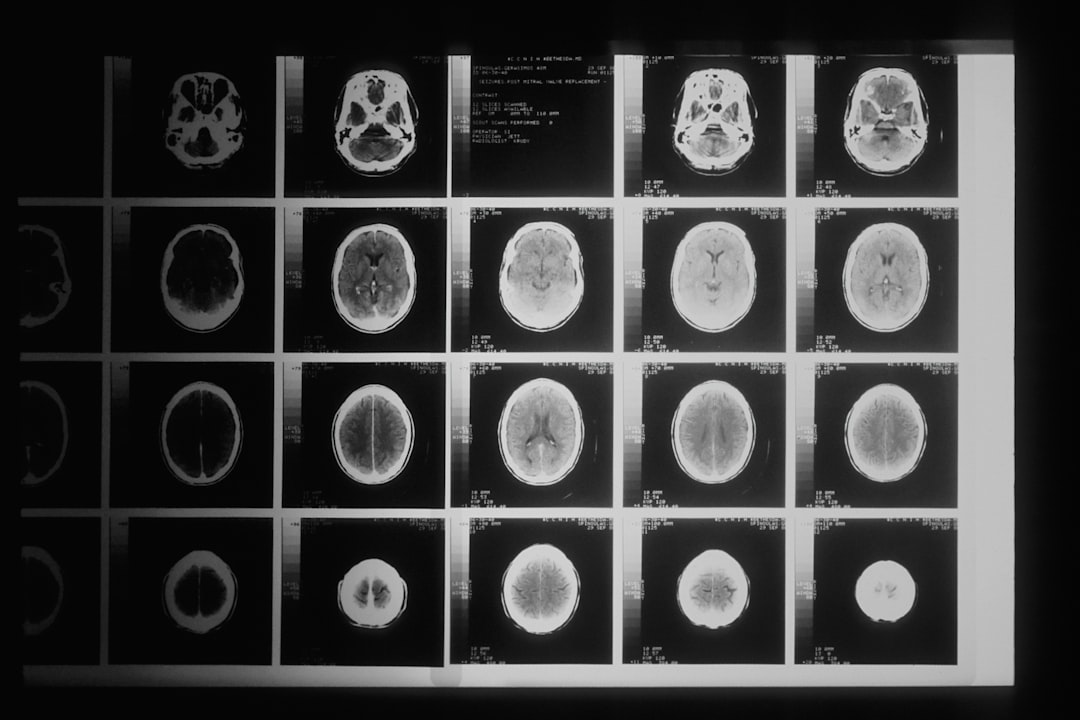
You’ve probably heard the saying “trust your gut.” For a long time, it was dismissed as folk wisdom, a metaphorical nod to intuition. But imagine if that intuition wasn’t just a feeling, but a scientifically verifiable phenomenon. This is precisely the territory you’ll explore in “The Gut-Brain Connection: A Fascinating Research Documentary.” This isn’t just another health documentary; it’s a deep dive into a revolutionary understanding of human physiology, one that places your gut, that often-overlooked organ, at the very center of your well-being, your emotions, and even your thoughts.
As you settle in to watch, prepare to have your perceptions challenged. You’ve likely been taught that your brain is the sole conductor of your body’s orchestra, the ultimate command center. But this documentary will meticulously peel back the layers, revealing a constant, dynamic dialogue happening between your brain and your digestive system – a conversation that impacts everything from your mood to your immune system. You’ll witness groundbreaking research presented by leading scientists, follow compelling patient stories, and emerge with a profound new appreciation for the intricate ecosystem residing within you. This isn’t just passive viewing; it’s an invitation to understand yourself on a fundamentally different level.
You’ve always operated under the assumption that messages flow in one direction: from your brain to the rest of your body. But “The Gut-Brain Connection” shatters this unidirectional view, illuminating the sophisticated bidirectional communication network known as the gut-brain axis. This is the central tenet of the documentary, and it’s presented with such clarity and scientific rigor that you’ll find yourself nodding in agreement with every revelation.
The Vagus Nerve: The Superhighway for Signals
One of the key players you’ll be introduced to is the vagus nerve. Think of it as a superhighway, a direct physical connection that allows for rapid and constant transmission of information between your gut and your brain. The documentary uses visually stunning animations to illustrate how this nerve, the longest cranial nerve, branches out and connects countless sensory receptors in your gut to the brainstem. You’ll learn that a staggering majority of the nerve fibers in the vagus nerve are actually carrying signals from your gut to your brain, not the other way around. This is a revelation that will fundamentally alter your understanding of where your “feelings” might truly originate.
Beyond Simple Signals: What Information is Transmitted?
It’s not just about sending basic signals. You’ll discover that the vagus nerve transmits a wealth of information. This includes signals about the presence and breakdown of food, the state of your gut lining, and even the activity of your gut microbiome. The documentary emphasizes how these signals influence everything from your appetite and satiety to your stress response and even your mood. You might be surprised to learn that many of the physical sensations associated with anxiety, like a “butterflies in the stomach” feeling, are, in fact, signals being sent from your gut to your brain.
Neurotransmitters: The Chemical Messengers in Your Belly
You probably associate neurotransmitters like serotonin and dopamine with brain health and happiness. But prepare to be astonished as the documentary reveals that a significant percentage of these crucial chemicals are actually produced in your gut. You’ll learn that your gut lining, teeming with specialized cells and influenced by trillions of microorganisms, is a veritable neurotransmitter factory. This is where the documentary truly begins to weave its magic, connecting the dots between your gut and your mental state in a way you’ve never considered.
Serotonin: The Gut’s Happy Chemical
You’ll likely find the segment on serotonin particularly fascinating. The documentary will explain that up to 90% of your body’s serotonin is produced in your gut. This isn’t just a small percentage; it’s the vast majority. You’ll understand how this neurotransmitter, often linked to feelings of well-being and happiness, plays a critical role in regulating mood, sleep, and appetite, and how its production is intrinsically linked to the health and activity of your gut.
Dopamine and Beyond: A Symphony of Neurochemicals
The documentary doesn’t stop at serotonin. You’ll also learn about the gut’s involvement in the production and regulation of other vital neurotransmitters like dopamine, which is associated with reward and motivation, and GABA, which has calming effects. This revelation is powerful because it suggests that the keys to improving your mood and mental state might not solely lie in psychiatric interventions, but also in optimizing the environment and function of your gut.
The fascinating connection between the gut and the brain has been the subject of extensive research, shedding light on how our digestive health can influence mental well-being. For those interested in exploring this topic further, a related article can be found at Freaky Science, which delves into the latest findings in gut-brain research and its implications for overall health. This documentary-style exploration provides valuable insights into the complex interplay between our gut microbiome and neurological functions, making it a must-read for anyone curious about the science behind this emerging field.
The Microbiome: Your Body’s Miniature Ecosystem
If the gut-brain axis is the highway, then the gut microbiome is the bustling city at its heart. “The Gut-Brain Connection” dedicates significant time to exploring this complex world of bacteria, fungi, and viruses that reside within your digestive tract. You’ll be introduced to the fact that you are not just a single organism, but a superorganism, home to more microbial cells than human cells. This is a mind-bending concept, and the documentary explores its profound implications for your health.
What is the Microbiome and Why Does it Matter?
You’ll receive a clear and accessible explanation of what the microbiome is. It’s not just about “good” and “bad” bacteria. You’ll learn that these microorganisms engage in a symbiotic relationship with you, performing essential functions that your own cells cannot. From breaking down food to synthesizing vitamins and training your immune system, their contributions are indispensable. The documentary vividly illustrates this symbiotic relationship, showing how a balanced and diverse microbiome is crucial for overall health.
Digestion and Nutrient Absorption: The Microbiome’s Primary Role
You’ll be guided through the intricate processes of digestion and nutrient absorption, understanding how your gut microbes are actively involved. You’ll see how they ferment dietary fibers, producing short-chain fatty acids (SCFAs) that nourish your gut lining and have systemic health benefits. This is a crucial insight that connects what you eat to how effectively your body can extract and utilize nutrients, impacting everything from your energy levels to your immune function.
The Immune System’s Training Ground
One of the most compelling aspects of the microbiome’s role, as presented in the documentary, is its involvement in training and regulating your immune system. You’ll learn that early exposure to a diverse range of microbes helps your immune system learn to distinguish between harmless substances and dangerous pathogens. Imbalances in the microbiome, conversely, have been linked to an overactive or dysregulated immune response, contributing to allergies, autoimmune diseases, and chronic inflammation.
Dysbiosis: When the Ecosystem Goes Awry
The documentary doesn’t shy away from the consequences of an unhealthy microbiome. You’ll be introduced to the concept of “dysbiosis,” a state of imbalance within the microbial community. This isn’t just a theoretical concept; you’ll witness real-world examples and scientific evidence linking dysbiosis to a wide range of health issues, from digestive disorders like Irritable Bowel Syndrome (IBS) and Inflammatory Bowel Disease (IBD) to seemingly unrelated conditions like obesity, diabetes, and even certain mood disorders.
The Leaky Gut Phenomenon: A Bridge to Systemic Issues
A particularly eye-opening segment will delve into the “leaky gut” phenomenon. You’ll learn how a compromised gut lining, often exacerbated by dysbiosis, can allow undigested food particles and bacterial toxins to enter the bloodstream, triggering systemic inflammation. This inflammation, the documentary will illustrate, can then reach the brain, contributing to neuroinflammation and potentially exacerbating mental health conditions.
The Vicious Cycle: Gut Health and Mental Health
The documentary effectively portrays the vicious cycle that can emerge between poor gut health and compromised mental well-being. You’ll see how stress can negatively impact gut function, and how an unhealthy gut, in turn, can amplify stress and anxiety responses, creating a feedback loop that is difficult to break. This understanding is empowering, as it highlights the potential for interventions targeting the gut to have a significant impact on mental health.
Mood and Mind: How Your Gut Shapes Your Emotions
This is where the documentary truly personalizes its message. You’ll no longer see your emotions as solely emanating from your brain, but as a complex interplay involving your gut. The research presented here is groundbreaking, offering hope and new avenues for understanding and treating conditions like depression and anxiety.
The Gut’s Influence on Anxiety and Depression
You’ll be presented with compelling studies and patient testimonials that illustrate the strong correlation between gut health and mood disorders. The documentary will explain how the neurotransmitters produced in the gut, particularly serotonin, play a pivotal role in mood regulation. Furthermore, you’ll learn how the inflammation originating from an unhealthy gut can disrupt brain function and contribute to depressive symptoms.
Dietary Interventions: Nourishing Your Mood
A significant focus will be placed on the power of diet. You’ll witness how altering your food intake can directly influence the composition of your microbiome and, consequently, your mood. The documentary will highlight the benefits of a whole-foods, plant-based diet rich in fiber for promoting a healthy gut and fostering a positive mental state. You’ll also learn about the detrimental effects of processed foods and excessive sugar on both gut and brain health.
The Gut Microbiome and Stress Response
You’ll gain a deeper understanding of how your gut microbes can influence your body’s stress response. The documentary will explain that a balanced microbiome can help regulate cortisol levels, the primary stress hormone. Conversely, dysbiosis can lead to an exaggerated stress response, making you more susceptible to the negative impacts of daily stressors.
Cognitive Function: The Gut’s Role in Brain Power
Beyond mood, the documentary explores the gut’s surprising influence on your cognitive abilities. You’ll learn how the SCFAs produced by your gut bacteria can cross the blood-brain barrier and exert neuroprotective effects. This hints at a future where optimizing gut health could be a strategy for enhancing memory, focus, and overall cognitive performance.
Memory and Learning: Gut Microbes as Allies
You’ll be shown research suggesting that the gut microbiome can influence the development of new neurons and pathways in the brain, playing a role in learning and memory formation. This is a fascinating glimpse into how the health of your internal ecosystem can directly impact your ability to process information and retain knowledge.
Can you Think with Your Gut? The Emergence of Neurogastronomy
The documentary might even touch upon the emerging field of “neurogastronomy,” which explores the intricate relationship between taste, food, and brain function. You’ll understand how the signals from your gut, influenced by the food you eat, can affect your cravings, your perception of taste, and ultimately, your brain’s reward pathways.
Chronic Diseases: The Gut-Brain Axis as a Contributing Factor
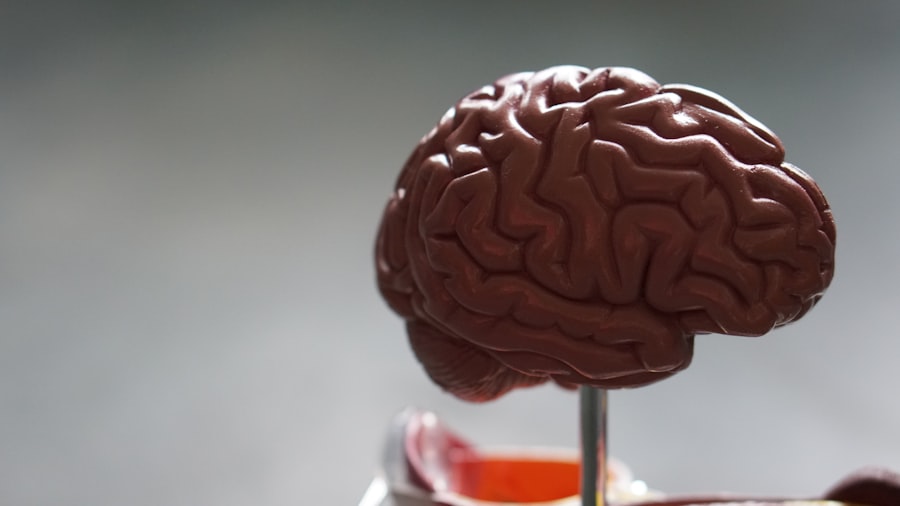
The implications of the gut-brain connection extend far beyond mental well-being. “The Gut-Brain Connection” will meticulously detail how imbalances in this axis are increasingly being linked to a host of chronic diseases that plague modern society. This section will be a sobering yet ultimately empowering exploration of how addressing gut health could be a powerful preventative and therapeutic strategy.
Inflammation: The Common Denominator
You’ll learn that chronic low-grade inflammation is a common thread running through many chronic diseases, and that the gut plays a central role in initiating and perpetuating this inflammation. The documentary will illustrate how a compromised gut lining allows inflammatory molecules to enter the bloodstream, setting off a cascade of events throughout the body, including the brain.
Autoimmune Diseases: When the Body Attacks Itself
The documentary will shed light on the growing evidence linking gut dysbiosis to autoimmune diseases like rheumatoid arthritis, lupus, and multiple sclerosis. You’ll understand how an imbalanced microbiome can lead to a faulty immune response, where the body mistakenly attacks its own healthy tissues. The gut-brain axis plays a role here by influencing immune cell development and function.
Metabolic Syndromes: Obesity and Type 2 Diabetes
You’ll be shown how the gut microbiome can influence metabolism, nutrient absorption, and insulin sensitivity, all of which are critical in the development of obesity and Type 2 Diabetes. The documentary will explore how certain gut bacteria can promote fat storage, while others can improve glucose regulation.
Neurological Disorders: Unraveling the Mysteries
One of the most exciting frontiers explored in the documentary is the potential link between the gut-brain axis and neurodegenerative diseases. You’ll learn about ongoing research exploring how gut inflammation and dysbiosis might contribute to conditions such as Parkinson’s disease, Alzheimer’s disease, and even Autism Spectrum Disorder.
Parkinson’s Disease: The Gut as an Early Indicator?
You might be particularly intrigued by the research suggesting that certain gastrointestinal symptoms can precede the motor symptoms of Parkinson’s disease by years. The documentary will delve into the hypothesis that the disease process might actually begin in the gut and then spread to the brain via the vagus nerve.
Alzheimer’s Disease and Gut Health: A Brewing Connection
The documentary will explore the emerging research connecting gut microbiome alterations and inflammation to the development of amyloid plaques and tau tangles, the hallmarks of Alzheimer’s disease. This is a testament to the wide-reaching influence of your gut health.
Autism Spectrum Disorder (ASD) and Gut Imbalances
You’ll learn about the higher prevalence of gastrointestinal issues in individuals with ASD and the ongoing research investigating the role of the gut microbiome in the development and severity of ASD symptoms. The documentary will present scientific theories about how gut inflammation might impact brain development and function.
The fascinating connections between our gut and brain have become a hot topic in recent years, shedding light on how our digestive health can influence mental well-being. For those interested in exploring this subject further, a related article provides an in-depth look at the latest findings in gut-brain research. You can read more about it in this informative piece on the topic. This documentary not only highlights the science behind these connections but also offers insights into practical applications for improving overall health. If you’re curious to learn more, check out the article here.
Taking Control: Practical Strategies for Optimizing Your Gut-Brain Health
| Research Topic | Findings |
|---|---|
| Impact of Gut Microbiota on Brain Function | Positive correlation between gut health and mental well-being |
| Neurological Disorders | Link between gut microbiome and conditions like anxiety, depression, and autism |
| Therapeutic Potential | Exploration of probiotics and dietary interventions for mental health |
Perhaps the most empowering aspect of “The Gut-Brain Connection” is its emphasis on actionable strategies. You won’t leave feeling overwhelmed; instead, you’ll feel equipped with the knowledge and tools to make positive changes that can profoundly impact your physical and mental well-being.
Dietary Foundations: Fueling a Healthy Gut
The documentary will meticulously detail the dietary principles that support a thriving gut microbiome and a balanced gut-brain axis. You’ll be guided towards embracing whole, unprocessed foods that are rich in fiber and prebiotics, the food for your beneficial gut bacteria.
Probiotics and Prebiotics: The Dynamic Duo
You’ll receive a clear understanding of the difference between probiotics (live beneficial bacteria) and prebiotics (non-digestible fibers that feed these bacteria). The documentary will explain how incorporating both into your diet can help restore and maintain a healthy gut ecosystem. Examples will likely include fermented foods like yogurt, kimchi, and sauerkraut for probiotics, and foods like garlic, onions, and asparagus for prebiotics.
The Importance of Fiber: More Than Just Digestion
You’ll discover that fiber is not just about regularity; it’s a cornerstone of gut health and a powerful tool for supporting the gut-brain axis. The documentary will explain how fiber fermentation produces SCFAs, which have widespread benefits for your gut lining, immune system, and even your brain.
Lifestyle Choices: Beyond Food
The documentary recognizes that gut health is not solely dictated by diet. You’ll learn about other crucial lifestyle factors that significantly influence the gut-brain connection.
Stress Management: A Gut-Centric Approach
You’ll be shown how chronic stress can wreak havoc on your gut microbiome and the gut-brain axis. The documentary will highlight the importance of implementing stress-reduction techniques such as mindfulness meditation, yoga, and deep breathing exercises, not just for your mental health, but for the health of your gut.
Sleep Hygiene: The Nightly Gut Reset
You’ll understand the profound impact of quality sleep on your gut microbiome. The documentary will explain how sleep deprivation can disrupt the delicate balance of bacteria in your gut, while sufficient sleep allows for repair and regeneration of the gut lining.
The Role of Exercise: Moving for a Better Brain and Gut
You’ll be informed about the positive effects of regular physical activity on gut diversity and function. The documentary will illustrate how exercise can promote the growth of beneficial bacteria and reduce inflammation, thereby benefiting both your gut and your brain.
Seeking Professional Guidance: When to Consult Experts
Finally, the documentary will emphasize that while self-care is crucial, there are times when professional guidance is essential. You’ll be encouraged to consult with healthcare professionals who specialize in gut health and the gut-brain axis if you are experiencing persistent digestive issues or suspect they are impacting your mental well-being.
When to Consider a Gastroenterologist or Functional Medicine Practitioner
The documentary might highlight the different approaches of various medical professionals, suggesting that a gastroenterologist can diagnose and treat specific digestive disorders, while a functional medicine practitioner can take a more holistic approach to identifying root causes and developing personalized treatment plans.
The Future of Gut-Brain Research: Hope and Innovation
As you conclude your viewing of “The Gut-Brain Connection,” you’ll feel a sense of optimism about the future. The documentary will likely touch upon the rapid advancements in research and the potential for personalized medicine based on individual microbiome profiles. You’ll leave understanding that this is a rapidly evolving field, and that the more you learn about your gut, the more empowered you become to cultivate a healthier, happier, and more vibrant life. You’ll realize that trusting your gut isn’t just intuition; it’s science.

The Hidden Sense Inside Your Gut
FAQs
What is gut brain research?
Gut brain research is the study of the connection between the gut and the brain, and how the two interact to influence overall health and well-being.
What are some key findings in gut brain research?
Some key findings in gut brain research include the discovery of the gut microbiome’s influence on brain function, the role of the gut-brain axis in regulating mood and behavior, and the potential for gut health to impact neurological disorders.
How is gut brain research relevant to overall health?
Gut brain research is relevant to overall health because it highlights the importance of maintaining a healthy gut microbiome for optimal brain function, mental health, and overall well-being.
What are some methods used in gut brain research?
Methods used in gut brain research include studying the gut microbiome through DNA sequencing, conducting animal studies to observe the effects of gut bacteria on behavior, and using neuroimaging techniques to investigate the gut-brain axis in humans.
Where can I learn more about gut brain research?
You can learn more about gut brain research by watching documentaries, reading scientific articles and books, and following reputable researchers and organizations in the field of neurogastroenterology.