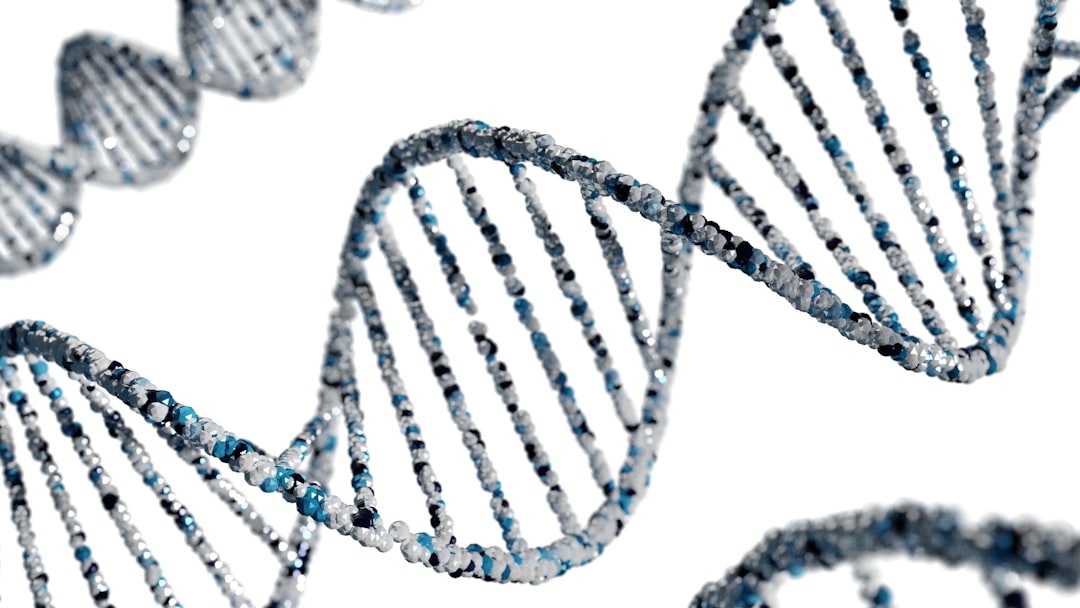
You’ve probably noticed them – those striking green eyes, a rarity in the human population, often evoking a sense of mystery or even enchantment. But what lies behind this distinctive coloration? It’s not some mystical pigment or artistic flourish from nature; it’s the intricate dance of genetics, specifically a fascinating mutation that dictates the shade you see.
To understand the genesis of green eyes, you first need to grasp the fundamental mechanism of all human eye color. It all comes down to a pigment called melanin.
What is Melanin and How Does it Work?
Melanin is a complex polymer produced by specialized cells called melanocytes. In the iris, the colored part of your eye, melanocytes produce different amounts and types of melanin, which then influence the perceived color. There are two primary types of melanin relevant to eye color:
Eumelanin: The Dark Pigment
Eumelanin is the darker pigment, responsible for brown and black hair and skin tones. The more eumelanin present in the iris, the darker the eye color will be. This pigment absorbs light, meaning less light is reflected back, resulting in a darker appearance.
Pheomelanin: The Lighter Pigment
Pheomelanin is a lighter pigment, contributing to red hair and lighter skin tones. While less dominant in determining eye color compared to eumelanin, it plays a role in the subtle variations observed, especially in lighter eyes.
The Structure of the Iris
The iris itself is composed of several layers, and the distribution of melanin within these layers is crucial. The most important layer for determining eye color is the stroma, the anterior layer of the iris. The posterior pigment epithelium, a single layer of cells at the back of the iris, is always darkly pigmented, regardless of your apparent eye color, and its primary function is to prevent light from scattering within the eye.
The intriguing phenomenon of green eyes can be attributed to a specific genetic mutation that affects melanin production in the iris. This unique trait is not only visually striking but also has fascinating implications for genetics and inheritance patterns. For those interested in delving deeper into the science behind eye color and genetic variations, a related article can be found at Freaky Science, which explores various aspects of genetic mutations and their effects on human traits.
Brown Eyes: The Default Setting
Brown eyes are the most common eye color globally, and this is because the genetic blueprint for producing significant amounts of eumelanin is the evolutionary default.
High Melanin Concentration
Individuals with brown eyes have a high concentration of eumelanin in the stroma of their iris. This dense presence of melanin effectively absorbs most of the light that enters the eye, scattering very little. The result is the rich, brown hue you see.
Diverse Shades of Brown
Even within brown eyes, there’s a spectrum. The variations in shade, from light hazel to deep espresso, are due to subtle differences in the amount and distribution of eumelanin, along with the interplay of other factors.
Blue Eyes: The Absence of Pigment and Light Scattering
Blue eyes, like green eyes, are less common than brown eyes. Their coloration is not due to a blue pigment, but rather to the lack of pigment and a physical phenomenon.
Low Melanin Levels in the Stroma
People with blue eyes have very little eumelanin in the stroma of their iris. This doesn’t mean they have no melanin; they still have the pigmented posterior epithelium. However, the anterior stroma is largely devoid of pigment.
The Tyndall Effect: Rayleigh Scattering in Action
When light enters an iris with low melanin, it interacts with the collagen fibers in the stroma. Shorter wavelengths of light, such as blue light, are scattered more effectively than longer wavelengths, like red and yellow light. This phenomenon, known as the Tyndall effect (or more specifically, Rayleigh scattering in this context), causes the light to be reflected back as blue. Think of it like looking at a clear sky – the blue color is due to scattering of sunlight.
Why Not Red or Violet?
While shorter wavelengths scatter most, other factors like the structure of the stromal fibers and the minimal presence of other pigments contribute to the dominant perception of blue, rather than red or violet which are also shorter wavelengths.
The Genetic Mutation Behind Green Eyes: A Hybrid Phenomenon

Green eyes are where things get particularly interesting. They are essentially a combination of factors that contribute to both blue and brown eye characteristics.
A Specific Genetic Mutation
The prevalent theory regarding green eyes points to a specific mutation in the OCA2 gene. You likely know OCA2 as the primary gene responsible for brown eye color, as it plays a crucial role in the production and transport of melanin. However, it’s not just the presence or absence of OCA2 activity, but rather how it’s regulated and its interaction with other genes.
Reduced Melanin Production
The mutation associated with green eyes leads to a reduction in melanin production in the stroma, but not as drastic as in blue eyes. You have more melanin than someone with blue eyes, but significantly less than someone with brown eyes. This intermediate level of eumelanin is key.
The Role of Pheomelanin and Lipofuscin
Beyond eumelanin, another pigment called pheomelanin is believed to play a more significant role in green eyes than previously thought. While eumelanin is the primary dark pigment, pheomelanin is a lighter, reddish-yellow pigment. The interplay between reduced eumelanin and the presence of pheomelanin, combined with the light-scattering effect, contributes to the green hue. Additionally, lipofuscin, a yellowish-brown pigment that accumulates with age, might also influence the perceived shade of green.
The “Golden Ratio” of Pigmentation and Scattering
You can think of green eyes as a kind of genetic “golden ratio” concerning melanin production and light scattering. You have enough melanin in the stroma to modify the scattered blue light, lending it a greenish tint, but not so much that it completely absorbs the light as in brown eyes. The blue light, scattered from the deeper layers, passes through this reduced melanin layer, and the presence of pheomelanin and lipofuscin gives it that distinctive green cast. It’s a delicate balance.
Recent studies have shed light on the fascinating genetic mutation responsible for green eyes, revealing how variations in the OCA2 and HERC2 genes contribute to this unique eye color. For those interested in exploring more about the science behind eye color genetics, you can read a related article that delves deeper into this topic. Understanding these genetic factors not only enhances our knowledge of human diversity but also highlights the intricate ways in which our DNA shapes physical traits. To learn more, check out this informative piece on Freaky Science.
The Genetic Landscape: Beyond a Single Gene
| Genetic Mutation | Effect |
|---|---|
| Single Nucleotide Polymorphism (SNP) | Causes a decrease in melanin production in the iris, resulting in green eyes |
| HERC2 Gene | Regulates the OCA2 gene, which is responsible for eye color |
| Frequency | Approximately 2% of the world’s population has green eyes |
While the OCA2 gene and its mutation are central to the discussion of green eyes, eye color genetics is rarely a simple one-gene-one-trait scenario.
Accessory Genes and Regulatory Elements
Numerous other genes and regulatory elements influence melanin production and distribution, fine-tuning the final eye color. Genes like HERC2, which regulates the expression of OCA2, are also crucial. Variations in these accessory genes can lead to the wide range of green shades observed, from pale emerald to deep forest green.
The Interplay of Dominant and Recessive Traits
Eye color inheritance is complex and involves a mix of dominant and recessive alleles. However, predicting eye color with certainty based on parental eye color is challenging due to this polygenic nature. For instance, two brown-eyed parents can have a blue-eyed child, and vice versa, if they carry the right recessive alleles.
Epigenetics and Environmental Influences
While genetics lays the groundwork, epigenetic factors – changes in gene expression that don’t involve alterations to the underlying DNA sequence – and even certain environmental influences can subtly impact melanin production over time, potentially leading to slight shifts in eye color, though these are usually minor and not responsible for the initial development of green eyes.
The Prevalence and Evolution of Green Eyes
Green eyes are a relatively rare trait, making them stand out. Their scarcity has led to interesting evolutionary and historical considerations.
Geographical Distribution
Green eyes are most commonly found in populations of Northern and Central European descent. It’s estimated that only about 2% of the world’s population has green eyes. This concentration suggests a more recent evolutionary development compared to brown and blue eyes.
Evolutionary Theories
Theories suggest that green eyes may have arisen as a mutation from the mutations that led to blue eyes. As populations migrated and adapted to different environments, subtle changes in melanin production and the genes that control it likely occurred. The sparse sunlight in some regions might have favored reduced melanin for vitamin D synthesis, while other genetic pressures could have led to the specific type of melanin reduction and other pigment influences that result in green.
Cultural Significance and Perceptions
Throughout history, green eyes have been imbued with various cultural meanings, often associated with magic, mystery, and beauty. While these perceptions are subjective and a product of human interpretation, they underscore the striking visual impact of this genetic variation. The rarity itself contributes to the fascination associated with them. Understanding the genetic basis demystifies this perception, grounding it in the observable world of biological processes.
FAQs
What is the genetic mutation that causes green eyes?
The genetic mutation that causes green eyes is a variation in the amount of melanin in the iris. This mutation results in less melanin being produced, leading to the green coloration of the eyes.
Is the genetic mutation for green eyes rare?
Yes, the genetic mutation for green eyes is rare. It is estimated that only 2% of the world’s population has green eyes, making it one of the rarest eye colors.
Can green eyes be inherited?
Yes, green eyes can be inherited. The genetic mutation for green eyes is a recessive trait, meaning that both parents must carry the gene in order for their child to have green eyes.
Are there any health implications associated with having green eyes?
There are no known health implications specifically associated with having green eyes. However, individuals with lighter eye colors, including green, may be more sensitive to sunlight and at a higher risk for certain eye conditions, such as age-related macular degeneration.
Can the genetic mutation for green eyes change over time?
Once a person is born with green eyes, their eye color will generally remain the same throughout their lifetime. However, in some cases, the amount of melanin in the iris can change due to factors such as aging, illness, or medication, which may cause a person’s eye color to appear different.