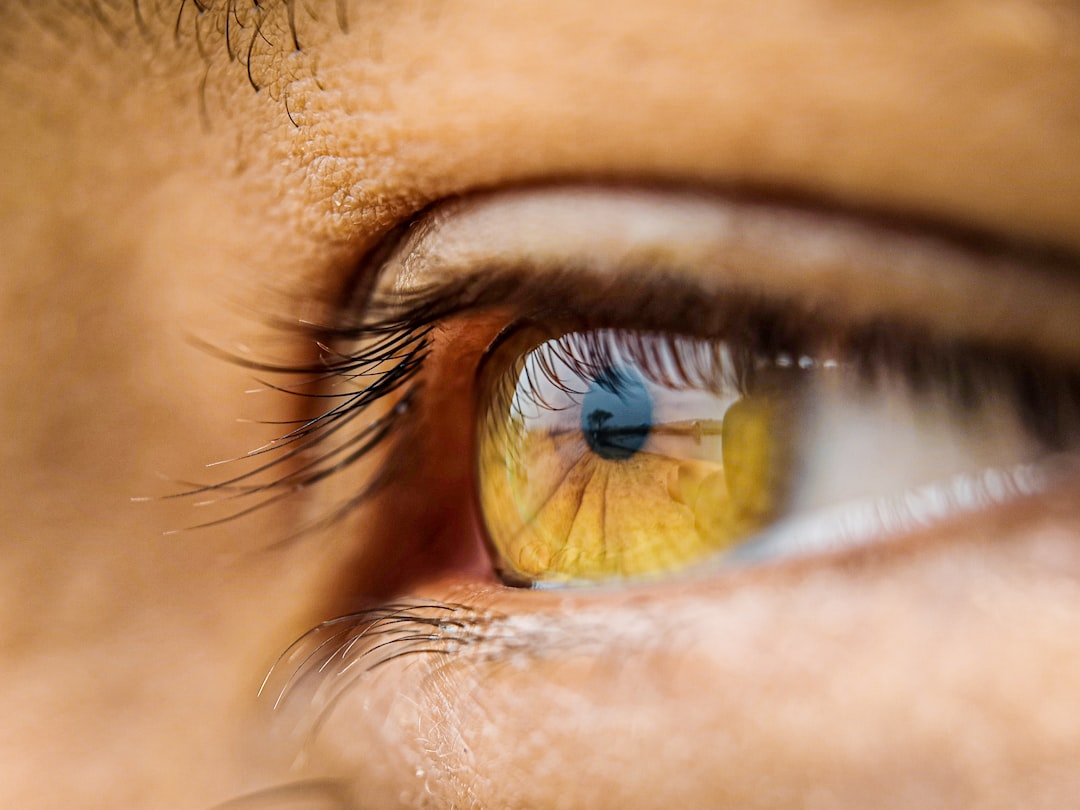
You’ve always taken your eye color for granted. It’s a fundamental characteristic, a simple fact of your personal biology. Yet, the story behind those hues—the blues, browns, greens, and hazels—is a surprisingly complex tapestry woven from genetics, a story that is far from finished. As you look at yourself, or at others, you’re observing a snapshot in time, a genetic legacy that is subtly yet surely evolving. The future of human eye color genetics isn’t about dramatic, overnight transformations, but rather about a deeper understanding, potential interventions, and the slow, inexorable shifts driven by the very forces that shaped your own irises.
The color of your eyes is primarily determined by the amount and type of melanin pigment in your iris. This might seem straightforward, but the genetic architecture governing melanin production is anything but. What was once thought to be a simple, single-gene inheritance model has proven to be a far more intricate puzzle.
The Primary Players: OCA2 and HERC2
For a long time, the OCA2 gene was considered the main determinant of eye color. This gene provides instructions for making the P protein, which is thought to be involved in melanosome maturation. Melanosomes are organelles within cells that produce and store melanin. Variations in OCA2 can lead to differences in the amount of melanin produced, thus influencing iris color. However, research has revealed that the story is more nuanced.
The HERC2 gene plays a crucial regulatory role, sitting upstream of OCA2. A specific region within the HERC2 gene, particularly a single nucleotide polymorphism (SNP) known as rs12913832, has a profound impact on eye color. This SNP acts as a switch, influencing how much OCA2 is expressed. When this SNP is in a certain configuration, it reduces OCA2 expression, leading to less melanin production in the iris, which is why lighter eye colors like blue and green are associated with this particular variant. Conversely, other configurations allow for higher OCA2 expression, resulting in more melanin and darker eye colors. This discovery significantly shifted the understanding from a direct effect of OCA2 to a more sophisticated gene-regulation mechanism.
Beyond the Dominant Duo: Minor Genes and Their Influence
While OCA2 and HERC2 are the heavy hitters, they don’t tell the entire story. Studies have identified a host of other genes, each contributing smaller yet discernible effects to the final eye color phenotype. These genes can influence the type of melanin (eumelanin for brown/black, pheomelanin for red/yellowish), the distribution of melanin within the iris, and even the structure of the iris itself, which can affect how light is scattered and perceived.
The Role of Brown and Blue Alleles
The concept of “brown” and “blue” alleles, while a simplification, is a useful starting point. A “brown” allele generally implies sufficient melanin production, leading to brown eyes. A “blue” allele, in contrast, is often associated with the regulatory variant in HERC2 that reduces melanin. However, experiencing blue eyes isn’t simply a lack of pigment; it’s the presence of a specific, low-melanin state where the scattering of light within the less pigmented iris stroma creates the blue appearance, much like the sky’s color is due to Rayleigh scattering.
Introducing the Greens and Hazels
Green and hazel eyes represent intermediate states, often arising from combinations of genetic variations that lead to moderate levels of melanin. The presence of pheomelanin, in addition to eumelanin, can contribute to green or yellowish tints. Hazel eyes are particularly complex, often exhibiting a heterogeneous distribution of melanin, with browner hues near the pupil and greener or lighter shades towards the periphery. Understanding these intermediary colors requires considering the interplay of multiple genes influencing both melanin production and its distribution.
Recent advancements in the field of genetics have opened up intriguing possibilities regarding the future of human eye color. A related article discusses how emerging technologies, such as CRISPR gene editing, could potentially allow for the modification of eye color traits in future generations. This could lead to a broader spectrum of eye colors and even the ability to customize them. For more insights on this fascinating topic, you can read the article at Freaky Science.
The Evolutionary Journey of Eye Color
Your eye color didn’t just appear randomly. It’s a product of millions of years of human evolution, shaped by migration, adaptation, and the selective pressures of different environments.
The Melanin Advantage: Protection from the Sun
The original human eye color was likely brown, reflecting the high melanin levels that offered protection against intense UV radiation in equatorial regions. As early humans migrated out of Africa and into less sunny environments, the selective pressure for high melanin production lessened.
Adapting to Lower UV Levels
In regions with lower UV radiation, like Europe, mutations that reduced melanin production could have become more prevalent. These mutations might not have been outright detrimental and could have even conferred subtle advantages, though the exact nature of these advantages for lighter eye colors is still a subject of ongoing research. Some hypotheses suggest potential roles in vitamin D synthesis or enhanced vision in low-light conditions, but these remain largely speculative for eye color.
The European Bottleneck and Rapid Diversification
The emergence of lighter eye colors, particularly blue eyes, is thought to have occurred relatively recently in human evolutionary history, possibly originating in a single individual somewhere in Eastern Europe. A genetic bottleneck, a sharp reduction in population size, followed by rapid repopulation, may have played a role in amplifying the frequency of these new mutations.
The Spread of Lighter Hues
As populations expanded and mingled, genes for lighter eye colors spread. This diversification is a testament to the dynamic nature of the human genome and how environmental factors can drive significant phenotypic changes over relatively short evolutionary timeframes. It’s a fascinating example of how a seemingly minor trait can evolve so dramatically.
Future Frontiers: Gene Editing and Beyond
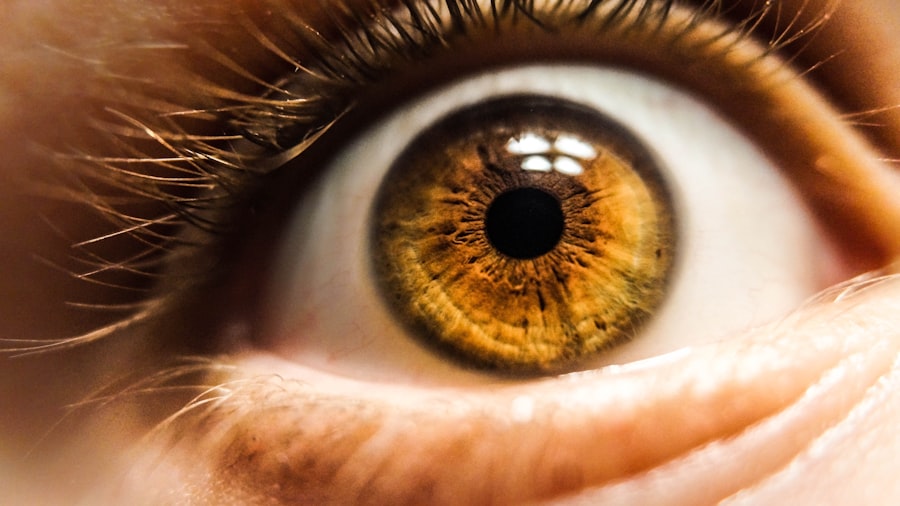
The increased understanding of eye color genetics is opening doors to possibilities that were once confined to science fiction. While many of these applications are still in their nascent stages and raise significant ethical considerations, they represent potential future pathways.
The Promise (and Peril) of Gene Editing
Technologies like CRISPR-Cas9 offer unprecedented precision in altering DNA sequences. In theory, these tools could be used to modify the genes responsible for eye color.
The Hypothetical Case of Color Change
Imagine a scenario where an individual could, through a targeted gene edit, change their eye color. This might involve altering the regulatory elements of HERC2 or directly modifying the OCA2 gene. However, the complexity of the genetic network involved means that such a procedure would be far from simple, with potential unintended consequences on other cellular functions.
Off-Target Effects and Unforeseen Risks
The primary concern with gene editing is the possibility of off-target effects, where the editing machinery makes unintended changes to other parts of the genome. These could lead to a range of health issues, making any application for purely cosmetic purposes highly contentious.
Ethical Considerations and Societal Impact
The prospect of elective eye color change through gene editing raises profound ethical questions. Would this lead to new forms of social stratification or discrimination? What are the psychological implications of altering such a fundamental aspect of one’s appearance? These are questions that society will need to grapple with long before such technologies become widely feasible.
Understanding and Treating Pigmentation Disorders
Beyond cosmetic applications, a deeper understanding of eye color genetics has significant implications for medical science. Pigmentation disorders, which affect the skin, hair, and eyes, can be linked to mutations in genes involved in melanin production and distribution.
Albinism and Its Genetic Roots
Albinism, characterized by a lack of pigment, is a prime example. Different forms of albinism are caused by mutations in various genes, including OCA2, TYR (tyrosinase), and others involved in the melanin synthesis pathway. Research into eye color genetics directly contributes to understanding the molecular basis of these conditions.
Therapeutic Avenues Through Genetic Insights
By pinpointing the specific genetic defects causing certain pigmentation disorders, researchers are exploring gene therapies or other molecular interventions aimed at restoring or improving pigment production. This offers hope for individuals affected by these conditions.
The Slow March of Genetic Drift and Selection
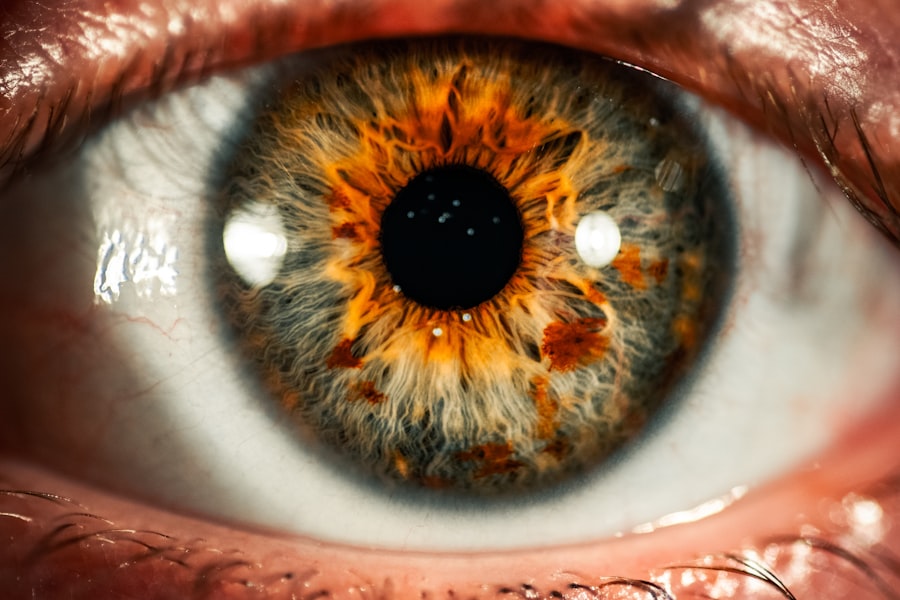
While gene editing might offer rapid, deliberate changes, the vast majority of shifts in human genetic makeup, including subtle alterations in eye color prevalence, occur through slower, more natural processes.
Gene Flow and Population Mixing
As human populations continue to move and intermingle, genes for various traits, including eye color, spread. This gene flow can gradually alter the frequency of certain alleles in a population.
The Dilution and Concentration of Traits
In areas where populations with predominantly darker eye colors mix with those with lighter eye colors, you might observe a gradual increase in intermediate eye colors or a slight dilution of the dominant darker hues. Conversely, if a population with a high frequency of a specific eye color gene migrates to a new region and becomes reproductively isolated, that trait’s prevalence could be amplified.
Environmental Pressures and Subtle Selection
While overt selection for eye color is unlikely in modern societies, subtle environmental pressures could still play a role over very long timescales.
The Continued Influence of UV Radiation
Even with widespread use of sunscreen and protective clothing, the long-term impact of UV radiation on skin and eye health remains a factor. While not a direct driver of eye color change, it’s a persistent environmental pressure that has historically influenced melanin levels.
Unforeseen Future Adaptations
It’s conceivable that as environments change due to climate change or other factors, new selective pressures might emerge that, over millennia, could subtly influence the genetic landscape of human eye color. However, these are highly speculative and would occur over timescales far beyond human lifetimes.
Recent advancements in genetics have opened up intriguing possibilities for the future of human eye color, as researchers explore the underlying mechanisms that determine this trait. A related article discusses how gene editing technologies could potentially allow for the alteration of eye color in future generations. This exploration not only raises ethical questions but also highlights the complexity of genetic inheritance. For more insights on this fascinating topic, you can read the full article at Freaky Science.
The Future of Representation and Personal Identity
| Aspect | Details |
|---|---|
| Genetic Factors | Multiple genes contribute to eye color, making it a complex genetic trait. |
| Population Diversity | Eye color varies among different populations and is influenced by genetic ancestry. |
| Mutation and Evolution | Future mutations and evolutionary changes may impact the prevalence of different eye colors. |
| Technological Advances | Advancements in genetic testing and analysis may lead to a better understanding of eye color genetics. |
| Medical Applications | Insights into eye color genetics could have implications for personalized medicine and forensic science. |
The way you perceive and discuss eye color is also evolving. As our understanding grows, so too does our appreciation for the diversity and complexity of human traits.
Moving Beyond Simplistic Categorizations
The future will likely see a move away from overly simplistic classifications of eye color. Just as we understand that skin color exists on a spectrum, so too will we embrace the nuanced variations in iris pigmentation.
Acknowledging the Spectrum of Hues
Instead of just “brown” or “blue,” you might see more descriptive terms or a greater recognition of the vast array of shades and combinations that exist. This nuanced approach reflects a more sophisticated understanding of genetics.
The Personal Impact of Genetic Knowledge
Knowing the genetic underpinnings of your own eye color can be a powerful tool for self-understanding. It connects you to your ancestry and to the evolutionary journey of humankind.
Empowering Individuals with Information
As genetic testing becomes more accessible, individuals will have the opportunity to learn more about their own genetic makeup, including the specific variants that contribute to their eye color. This empowers them with knowledge about their biological heritage.
The Interplay of Genetics and Individuality
Ultimately, your eye color is a part of your unique genetic tapestry. The future of eye color genetics isn’t about homogenizing humanity or erasing diversity, but about deepening your appreciation for the intricate biological forces that have shaped you and about exploring the potential for responsible intervention where it serves genuine human need. You are a living testament to this ongoing story of genetic evolution.
FAQs
What determines human eye color?
Eye color is determined by the amount and distribution of melanin in the iris of the eye. The more melanin present, the darker the eye color.
Can human eye color change over time?
In some cases, human eye color can change over time, particularly during infancy and early childhood. This is due to the development of melanin in the iris.
Is eye color solely determined by genetics?
While genetics play a significant role in determining eye color, environmental factors can also influence the development of eye color, particularly during early childhood.
What are the potential future developments in human eye color genetics?
Advancements in genetic research may lead to a better understanding of the specific genes that influence eye color, potentially allowing for more accurate predictions of eye color based on genetic information.
Can genetic engineering be used to change eye color in the future?
While it is theoretically possible to use genetic engineering to change eye color, it raises ethical and safety concerns and is not currently a widely available or accepted practice.