
Europe, a continent often associated with its temperate climate and distinct four seasons, has, in recent decades, experienced periods of extreme cold that appear paradoxical in an era of global warming. These events, frequently dubbed “The Freezing of Europe,” pose complex questions for climatologists and the public alike, challenging simplistic narratives about climate change and highlighting the intricate interplay of atmospheric and oceanic forces. This article delves into the various facets of these cold snaps, examining their scientific underpinnings and broader implications.
The Arctic region, a barometer for global climate change, plays an increasingly significant role in Europe’s weather patterns. Its rapidly warming temperatures and diminishing sea ice cover are not merely confined to the polar reaches but reverberate throughout the Northern Hemisphere.
The Shrinking Ice Cap and Its Unforeseen Consequences
The melting of Arctic sea ice, particularly during summer months, exposes darker ocean waters that absorb more solar radiation, leading to further warming – a classic positive feedback loop. This accelerated warming of the Arctic, often referred to as “Arctic amplification,” creates a steeper temperature gradient between the pole and the mid-latitudes, which historically drives the strong, consistent flow of the jet stream.
The Role of the Jet Stream in Climate Extremes
The jet stream, a ribbon of fast-flowing air high in the atmosphere, acts like a geographical boundary, separating cold Arctic air to the north from warmer air to the south. Historically, a robust and zonal (west-to-east) jet stream keeps cold air locked in the Arctic. However, the Arctic’s amplified warming is hypothesized to weaken and destabilize the jet stream. Instead of a strong, straight current, it can become wavier and slower, developing deep troughs and ridges.
- Blocking Highs: These exaggerated loops in the jet stream can lead to stationary high-pressure systems, known as “blocking highs.” When such a block forms over Scandinavia or western Russia, it effectively acts as a dam, preventing milder Atlantic air from reaching Europe and allowing frigid Arctic air to stream southward, creating prolonged cold spells.
- Polar Vortex Displacement: Another significant factor is the polar vortex, a large area of low pressure and cold air surrounding the Earth’s poles. While typically stable and confined to the polar regions, a weakened jet stream can allow parts of the polar vortex to detach or become significantly displaced, bringing exceptionally cold air masses much further south than usual.
As Europe experiences unusually cold temperatures amidst a backdrop of global warming, the phenomenon can be attributed to various climatic shifts, including changes in the jet stream and polar vortex. For a deeper understanding of this paradox, you can explore the article titled “Why is Europe Freezing While the World Warms?” which delves into the intricate dynamics of climate change and its regional impacts. To read more, visit this article.
Oceanic Oscillations: The Atlantic’s Thermostat
Beyond atmospheric dynamics, the vast expanse of the Atlantic Ocean acts as a significant modulator of Europe’s climate, with its internal oscillations profoundly influencing temperature patterns.
The North Atlantic Oscillation (NAO)
The North Atlantic Oscillation (NAO) is a key climate pattern that describes the strength and direction of atmospheric pressure differences across the North Atlantic. It is characterized by two main phases: positive and negative.
- Positive NAO Phase: During a positive NAO phase, there is a stronger-than-average pressure difference between the Icelandic Low (a persistent low-pressure system near Iceland) and the Azores High (a persistent high-pressure system near the Azores). This configuration leads to stronger westerly winds across the North Atlantic, bringing mild, moist air from the ocean into Europe. This typically results in warmer winters for northern Europe and increased rainfall.
- Negative NAO Phase: Conversely, a negative NAO phase is characterized by a weaker pressure difference, meaning the Icelandic Low is less intense and the Azores High is weaker or shifted. This weakens the westerly winds, allowing cold Arctic air to more easily penetrate southward into Europe. This often manifests as colder, drier winters across northern Europe and sometimes increased snowfall. Prolonged periods of negative NAO are frequently associated with some of Europe’s most severe cold snaps.
The Atlantic Meridional Overturning Circulation (AMOC)
The Atlantic Meridional Overturning Circulation (AMOC), often referred to as the “Gulf Stream System,” is a vast system of ocean currents that transports warm, salty water from the tropics northward into the North Atlantic and returns colder, denser water southward at depth. This oceanic conveyor belt plays a crucial role in maintaining Europe’s relatively mild climate compared to other regions at similar latitudes.
- Potential Weakening of AMOC: Research suggests that global warming, particularly the increased freshwater influx from melting Arctic ice and Greenland’s ice sheet, could potentially weaken the AMOC. Freshwater is less dense than saltwater and can inhibit the sinking of warm, salty water in the North Atlantic, thereby slowing down the entire circulation.
- Regional Cooling Implications: A significant weakening of the AMOC would have profound implications for Europe. While global temperatures continue to rise, a diminished AMOC could lead to localized cooling in parts of Europe, particularly northwestern regions, as less warm water is transported northward. This doesn’t necessarily mean Europe would “freeze” in its entirety, but it could introduce periods of significantly colder weather, adding another layer of complexity to the warming narrative.
The Siberian High and Continental Air Masses
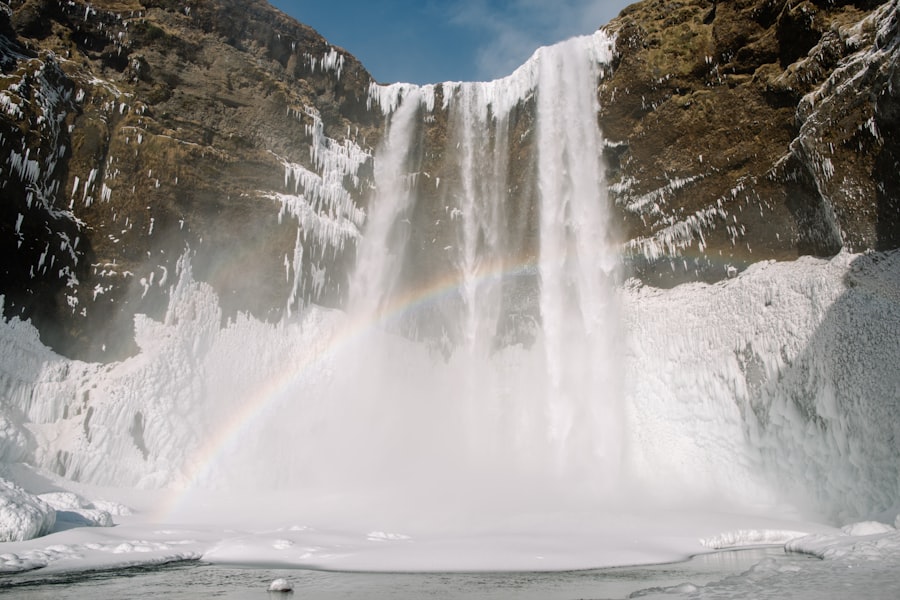
Beyond oceanic and polar influences, continental air masses emanating from the vast Eurasian landmass contribute significantly to Europe’s winter weather, with the Siberian High being a particularly influential player.
The Dominance of the Siberian High
The Siberian High is a massive, semi-permanent high-pressure system that forms over Eurasia during the winter months. It is one of the largest and most intense continental high-pressure systems on Earth. Its formation is driven by the extreme radiative cooling of the vast, snow-covered landmass, leading to very dense, cold air near the surface.
- Anti-Cyclonic Circulation: The Siberian High is an anticyclone, meaning air sinks and flows outward in a clockwise direction. This outflow pushes bitterly cold, dry air westward across Eastern Europe and at times, can extend its influence even further, reaching Western Europe.
- “Beast from the East” Events: When the Siberian High is particularly strong and extends its influence westward, it can bring extreme cold waves to Europe, often referred to as “Beast from the East” events. These events are characterized by plummeting temperatures, often well below freezing, and can bring significant snowfall. The cold is intensified by the dryness of the air, which allows for rapid radiative heat loss from the surface.
Interaction with the Polar Vortex and Jet Stream
The strength and position of the Siberian High are not isolated phenomena; they interact dynamically with the polar vortex and the jet stream. A strong Siberian High can, for instance, contribute to the displacement or distortion of the polar vortex, further enabling the advection (horizontal movement) of very cold air into lower latitudes. Similarly, its westward expansion can influence the path of the jet stream, reinforcing blocking patterns that favor prolonged cold spells over Europe.
Anthropogenic Climate Change: The Overarching Context
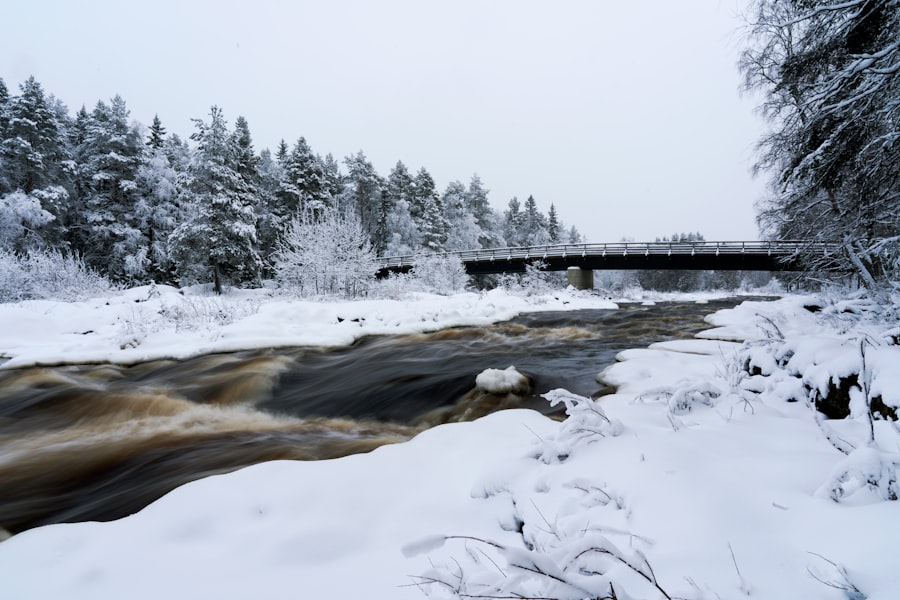
It is crucial to frame these discussions within the overarching context of anthropogenic climate change. While individual cold snaps might seem to contradict the notion of a warming world, they are, in fact, increasingly understood as potential consequences of it.
Increased Variability and Extremes
One of the central tenets of climate change science is that a warming world does not simply mean uniformly warmer temperatures. Instead, it predicts an increase in weather variability and the frequency and intensity of extreme weather events, both hot and cold. The “Freezing of Europe” phenomena, therefore, can be viewed not as a refutation of global warming, but potentially as a manifestation of its complex and sometimes counterintuitive impacts.
- Energy Imbalance: The extra energy trapped in the Earth’s climate system due to greenhouse gas emissions does not distribute evenly. This energy imbalance can lead to more energetic and erratic atmospheric and oceanic patterns, manifesting as more frequent or intense heatwaves in some regions and, paradoxically, more persistent cold outbreaks in others.
- Nonlinear Responses: Climate change is not always a linear progression. The Earth’s climate system contains numerous feedback loops and thresholds. Crossing these thresholds can lead to abrupt, nonlinear responses in atmospheric circulation patterns, potentially favoring conditions that bring extreme cold to Europe even as the global average temperature rises.
Differentiating Weather from Climate
It is imperative for one, the reader, to distinguish between weather and climate. Weather refers to the short-term atmospheric conditions at a specific place and time. Climate, on the other hand, describes the long-term patterns and averages of weather over decades or centuries. A single cold winter or a series of cold snaps in Europe represents weather events. However, the causes and frequency of these cold events, particularly if found to be linked to large-scale atmospheric and oceanic changes driven by global warming, become matters of climate. Just as a single dry season does not disprove global warming, neither does a period of intense cold. The broader trend over time, encompassing decades of data, remains one of warming.
As Europe experiences unusually cold temperatures while the rest of the world continues to warm, many are left wondering about the underlying causes of this phenomenon. A related article explores the complex interactions between climate change and weather patterns, shedding light on how disruptions in the polar vortex can lead to extreme weather events in Europe. For more insights on this topic, you can read the article at Freaky Science, which delves into the science behind these climatic shifts and their implications for the future.
Societal and Economic Implications
| Metric | Europe (Winter 2023-2024) | Global Average | Explanation |
|---|---|---|---|
| Average Winter Temperature Anomaly (°C) | -2.5 (below normal) | +1.2 (above pre-industrial levels) | Cold air outbreaks in Europe due to disrupted jet stream patterns despite global warming trend. |
| North Atlantic Oscillation (NAO) Index | -1.5 (negative phase) | Neutral globally | Negative NAO leads to colder, snowier winters in Europe by allowing Arctic air to move south. |
| Arctic Sea Ice Extent (million sq km) | ~12 (below average) | Declining trend globally | Reduced sea ice affects jet stream stability, causing cold air to spill into Europe. |
| Jet Stream Pattern | More meandering and slower | Generally stable globally | Warming Arctic weakens temperature gradient, causing jet stream to wobble and bring cold spells. |
| Frequency of Cold Spells in Europe (per decade) | Increasing slightly | Decreasing globally | Regional climate variability causes more extreme cold events despite overall warming. |
These unpredictable and often severe cold spells carry significant implications for European societies and economies, extending beyond mere discomfort.
Impacts on Infrastructure and Energy
Prolonged periods of extreme cold place immense strain on infrastructure. Heating demands soar, testing the resilience of energy grids. Increased electricity consumption for heating can lead to power outages and price spikes, particularly in countries heavily reliant on natural gas, the supply of which can be vulnerable to geopolitical factors. Transportation networks, including roads, railways, and airports, are regularly disrupted by heavy snowfall and icy conditions, leading to delays and economic losses.
- Agricultural Disruptions: Agriculture is particularly vulnerable. Sudden, deep freezes can damage winter crops, lead to livestock losses, and disrupt planting schedules, impacting food security and agricultural economies. Fruit orchards are especially susceptible to late-season frosts that can wipe out entire harvests.
- Public Health Concerns: Extreme cold poses significant public health risks, especially for vulnerable populations such as the elderly, homeless individuals, and those with pre-existing medical conditions. Hypothermia, frostbite, and respiratory illnesses see an increase during such periods, placing additional burdens on healthcare systems.
Policy Responses and Adaptation Strategies
Understanding the mechanisms behind Europe’s cold snaps is critical for developing effective policy responses and adaptation strategies. Governments and municipalities are faced with the challenge of preparing for a future that may simultaneously bring more heatwaves and more intense cold outbreaks.
- Robust Energy Grids: Investment in diversified and resilient energy infrastructure, including renewable energy sources that can handle extreme weather fluctuations, becomes paramount. Smart grids and energy storage solutions are central to this.
- Early Warning Systems: Enhanced meteorological forecasting and early warning systems are essential for providing timely alerts to the public and critical service providers, allowing for better preparation and mitigation of impacts.
- Climate-Resilient Agriculture: Supporting agricultural practices that are more resilient to temperature extremes, including drought-tolerant and frost-resistant crop varieties, and promoting diversified farming systems.
- Urban Planning and Housing: Designing urban environments and housing with improved insulation and heating systems to withstand extreme temperatures, while also considering passive cooling strategies for summer heat.
In conclusion, “The Freezing of Europe” is not a simple narrative of cold defying warmth. Instead, it is a complex meteorological tapestry woven from Arctic amplification, the meandering patterns of the jet stream, the ebb and flow of oceanic oscillations like the NAO and AMOC, and the formidable reach of the Siberian High. These phenomena, while seemingly contradictory to a warming world, are increasingly viewed as symptoms of a climate system responding dynamically and sometimes unpredictably to increased greenhouse gas concentrations. As a discerning reader, you should recognise that the scientific endeavor is not to cherry-pick individual weather events to prove or disprove a theory, but to analyze long-term trends and the underlying physical mechanisms that govern our planet’s climate. The challenge for Europe, therefore, is to navigate a future marked not just by warming, but by an amplification of climatic extremes, necessitating robust adaptation and mitigation efforts.

WARNING: The Ocean Conveyor Belt Is Already Collapsing
FAQs
Why is Europe experiencing colder weather while global temperatures rise?
Europe can experience colder weather due to regional climate patterns and atmospheric circulation changes, such as disruptions in the jet stream, even as the overall global climate warms. These localized cold spells do not contradict the long-term trend of global warming.
What role does the jet stream play in Europe’s cold weather?
The jet stream is a fast-flowing air current in the upper atmosphere that influences weather patterns. When it becomes wavier or slows down, it can bring cold Arctic air into Europe, causing colder temperatures despite global warming.
Is the cold weather in Europe evidence against climate change?
No, short-term cold weather events in Europe do not disprove climate change. Climate change refers to long-term trends in global temperatures, and regional variations or temporary cold spells are expected within this broader context.
How does Arctic warming affect Europe’s climate?
Arctic warming can weaken the polar vortex and alter the jet stream, leading to more frequent incursions of cold air into Europe. This paradoxical effect means that warming in the Arctic can contribute to colder winters in parts of Europe.
Will Europe continue to experience freezing temperatures as the world warms?
While Europe may still experience occasional cold spells, the overall trend is toward warmer winters due to global climate change. However, variability in weather patterns means freezing temperatures can still occur intermittently.