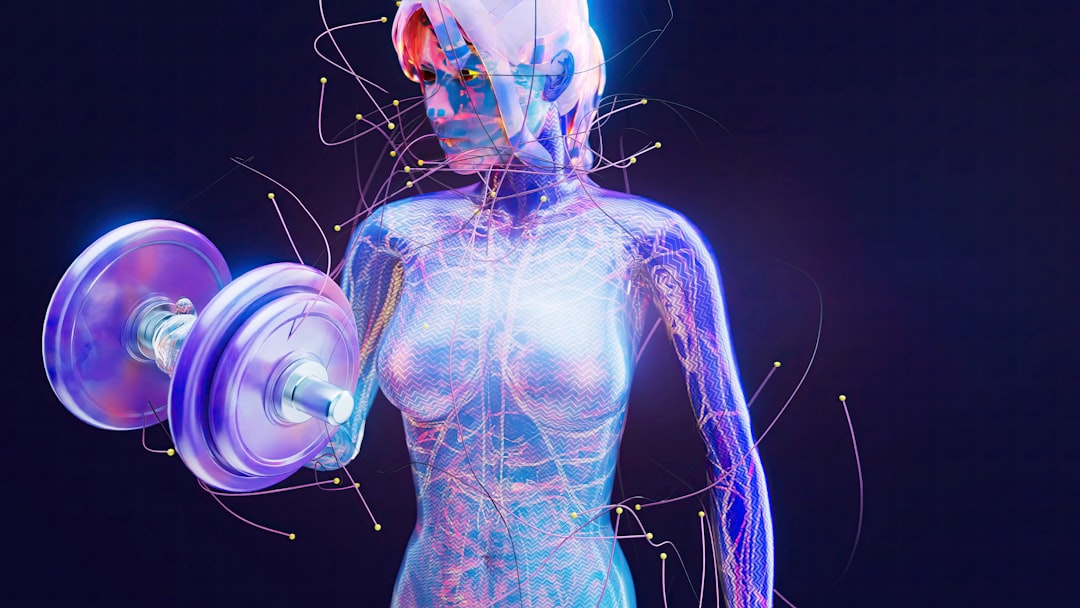
You stand at the precipice of a new frontier, one that delves into the very essence of your being: the control of your autonomic nervous system. This intricate network, largely operating beyond your conscious will, governs everything from your heartbeat to your digestive processes. For millennia, it has been a silent conductor, orchestrating the symphony of your internal life. Now, the possibility of consciously influencing its rhythm, of fine-tuning its involuntary responses, is no longer the domain of science fiction. It is a burgeoning reality, and with it, a complex tapestry of ethical implications unfolds.
Before you can grapple with the ethics of its control, you must first understand the profound influence your autonomic nervous system (ANS) wields. It is your body’s tireless guardian, maintaining homeostasis, that delicate internal balance crucial for survival. The ANS is broadly divided into two antagonistic branches: the sympathetic nervous system, responsible for your “fight or flight” response, and the parasympathetic nervous system, which promotes rest and digestion. These systems are in constant dialogue, with one often dampening the activity of the other to maintain equilibrium.
The Sympathetic System: Your Internal Alarm
When you perceive a threat, be it a barking dog or a looming deadline, your sympathetic nervous system springs into action. You experience a cascade of physiological changes: your heart rate quickens, blood pressure rises, pupils dilate, and energy is mobilized from your reserves. This ancient mechanism, honed over eons, prepares you to confront danger or flee from it. It’s a powerful tool, essential for navigating the perils of existence.
The Parasympathetic System: The Calming Influence
Conversely, when you are in a safe and relaxed state, your parasympathetic nervous system takes the lead. It slows your heart rate, lowers blood pressure, stimulates digestion, and promotes muscle relaxation. This is the system that allows you to recover from stress, to engage in restorative activities, and to simply be. Its influence is equally vital for long-term health and well-being.
The Interplay: A Dynamic Dance
The remarkable aspect of the ANS is its dynamic interplay. It is not a simple on-off switch but a finely tuned system that constantly adjusts its output in response to internal and external stimuli. Stressors trigger sympathetic activation, while relaxation techniques or a healthy meal encourage parasympathetic dominance. This delicate balance is what allows your body to adapt and thrive.
The autonomic nervous system plays a crucial role in regulating involuntary bodily functions, and recent discussions have emerged regarding its control without consent. An insightful article that delves into the ethical implications of manipulating the autonomic nervous system can be found at Freaky Science. This piece explores the potential consequences of such interventions and raises important questions about autonomy and consent in the context of neurological research.
The Dawn of Autonomic Control: Potential and Peril
The idea of consciously influencing this involuntary system sparks both excitement and apprehension. Imagine the possibilities: mitigating the debilitating effects of chronic stress, managing anxiety disorders with unprecedented precision, or even enhancing physical performance by optimizing physiological responses. Yet, with such power comes significant responsibility, and the ethical questions are as complex as the ANS itself.
Therapies for the Troubled Mind
One of the most immediate and promising applications of ANS control lies in the realm of mental health. For individuals grappling with anxiety, panic attacks, or phobias, the ability to consciously dial down sympathetic arousal could be transformative. Biofeedback, a precursor to more advanced techniques, has already demonstrated the potential for individuals to learn to regulate their heart rate and other physiological markers.
Addressing Anxiety and Panic Disorders
Consider a person experiencing a panic attack. Currently, treatment often involves a combination of therapy and medication to manage the overwhelming sympathetic response. With direct ANS control, they might be able to actively quell the physiological symptoms, interrupting the cycle of fear and panic before it escalates. This could offer a profound sense of agency and empower individuals to reclaim their lives from the grip of these conditions.
Managing Post-Traumatic Stress Disorder (PTSD)
PTSD is characterized by a hyperactive sympathetic nervous system, leading to intrusive memories, hypervigilance, and emotional distress. The ability to consciously regulate these responses could offer a new avenue for treatment, potentially reducing the frequency and intensity of flashbacks and intrusive thoughts. This could provide a significant improvement in quality of life for those who have endured profound trauma.
Enhancing Physiological Performance
Beyond mental health, the implications for physical well-being are substantial. Athletes, for instance, might leverage ANS control to optimize their performance. Imagine a runner who can consciously lower their heart rate during an endurance event, conserving energy and delaying fatigue. Or a musician who can minimize the tremors associated with performance anxiety, delivering a flawless performance.
Optimizing Athletic Endeavors
The ability to fine-tune the body’s response to exertion could revolutionize athletic training and competition. This could extend beyond professional athletes to everyday individuals seeking to improve their physical fitness and resilience. The ethical considerations here lie in ensuring fair play and preventing an undue advantage for those with access to such technologies.
Improving Recovery and Well-being
The parasympathetic system plays a crucial role in rest and recovery. Technologies that promote parasympathetic dominance could aid in muscle repair after strenuous exercise, improve sleep quality, and reduce overall stress levels, contributing to a healthier and more robust lifestyle.
The Erosion of Natural Boundaries: Where Does Control End?

As you contemplate the power to influence what was once considered untouchable, a fundamental question arises: where does control end and the erosion of natural boundaries begin? The ANS is an integral part of your identity, shaping your emotional landscape and your perception of the world. Manipulating it raises profound questions about authenticity and the essence of human experience.
The Nature of Emotion and Experience
Your emotions are deeply intertwined with your autonomic responses. Fear is accompanied by a racing heart; joy by a sense of lightness. If you can consciously suppress or amplify these physiological correlates, are you truly experiencing the emotion, or merely simulating it? This delves into philosophical debates about consciousness and the authenticity of subjective experience, challenging your understanding of what it means to feel.
The Unintended Consequences of Intervention
Intervening in such a complex and interconnected system carries inherent risks. You might inadvertently suppress important physiological signals, or create unforeseen imbalances that lead to other health problems. The ANS is a finely tuned instrument, and clumsy manipulation could have far-reaching and detrimental effects. The long-term consequences of widespread ANS control are largely unknown.
The Slippery Slope to Apathy or Hyper-stimulation
A consistent dampening of negative emotions, while seemingly beneficial, could lead to a dulled emotional spectrum. If you can always suppress fear or sadness, do you lose the capacity to appreciate their counterpoints, like courage or empathy? Conversely, constant hyper-stimulation of positive feelings could lead to a superficial and ultimately unfulfilling existence.
Ethical Dilemmas in Application and Access

The very act of controlling your ANS, once perfected, will inevitably lead to thorny ethical dilemmas regarding its application and, crucially, its access. Who will benefit from these technologies, and what are the societal ramifications?
The Divide Between the Enhanced and the Unaltered
If ANS control becomes a reality, it is highly probable that access will initially be limited by cost and availability. This could create a stark divide between those who can afford to enhance their physiological and emotional well-being and those who cannot. This magnifies existing societal inequalities and raises concerns about a new form of discrimination based on biological enhancement.
Socioeconomic Disparities
The most obvious concern is that these advanced technologies will be available only to the wealthy, further stratifying society. This could lead to a class of individuals with superior emotional regulation, cognitive function, and physical resilience, creating an insurmountable advantage in various aspects of life.
The Question of “Natural” Abilities
What happens to the value placed on innate resilience, emotional depth, or hard-earned coping mechanisms when these can be technologically replicated or enhanced? Does this devalue the human experience of struggling and overcoming adversity?
The Potential for Coercion and Manipulation
The ability to directly influence someone’s physiological and emotional state opens up terrifying possibilities for coercion and manipulation. Imagine a workplace where employees are expected to maintain a state of unwavering focus and positivity through ANS control, or a totalitarian regime that uses such technology to quell dissent.
Undermining Free Will
If your autonomic responses can be externally influenced, how does this impact your sense of free will? Could an employer, for example, subtly influence your stress levels to encourage you to work longer hours, without your explicit consent or awareness?
The Weaponization of Emotions
The prospect of weaponized emotions, where individuals or groups can be induced into states of fear, anger, or confusion, is a chilling one. This could have devastating consequences for social stability and individual autonomy on a mass scale.
Recent discussions surrounding the autonomic nervous system have raised ethical concerns, particularly regarding its control without consent. This topic is explored in depth in a related article that examines the implications of manipulating physiological responses without an individual’s agreement. For those interested in understanding the complexities of this issue, you can read more about it in the article found at Freaky Science. The intersection of neuroscience and ethics continues to provoke important conversations about personal autonomy and the boundaries of scientific intervention.
Navigating the Future: Responsibility and Prudence
| Metrics | Data |
|---|---|
| Heart Rate Variability (HRV) | Measured in milliseconds (ms) |
| Skin Conductance | Recorded in microsiemens (μS) |
| Respiratory Sinus Arrhythmia (RSA) | Quantified in milliseconds (ms) |
| Pupillary Response | Measured in millimeters (mm) |
As you stand on the cusp of this transformative era, the call for ethical consideration and responsible development is paramount. The potential benefits are undeniable, but the risks demand careful navigation and a commitment to safeguarding human dignity and autonomy.
Prioritizing Research and Oversight
Rigorous scientific research is essential to understand the full scope of ANS control and its potential long-term effects. Independent ethical review boards must be established to oversee the development and application of these technologies, ensuring they align with societal values and human rights.
Robust Scientific Inquiry
The scientific community has a responsibility to conduct thorough and transparent research, exploring not only the efficacy of ANS control but also its potential drawbacks and unintended consequences. This requires interdisciplinary collaboration, involving not just scientists and engineers but also ethicists, philosophers, and social scientists.
Independent Ethical Review
The establishment of independent bodies with the authority to review and approve ANS control technologies is crucial. These bodies must be comprised of diverse individuals with expertise in ethics, law, technology, and medicine, and they must operate with transparency and public accountability.
Fostering Public Discourse and Education
Open and informed public discourse is vital to shaping the ethical landscape of ANS control. You, as an individual and as a member of society, have a role to play in understanding these technologies, discussing their implications, and advocating for responsible development. Education about the ANS and the potential for its control will empower individuals to engage in these critical conversations.
Informed Consent and Autonomy
The principle of informed consent must be at the forefront of any application of ANS control. Individuals must fully understand the potential benefits, risks, and alternatives before agreeing to any intervention that modifies their autonomic nervous system. Their right to withdraw consent at any point must be unequivocally protected.
The Role of Regulation
Governments and international bodies will need to develop comprehensive regulatory frameworks to govern the development, marketing, and use of ANS control technologies. These regulations must be flexible enough to adapt to emerging technologies while remaining robust enough to protect individuals and society.
Ultimately, the power to control your autonomic nervous system presents you with a profound choice. You can embrace this new frontier with caution, wisdom, and a commitment to human flourishing, or you can stumble blindly into a future where the very essence of your inner experience is commodified and manipulated. The responsibility rests with you to ensure that this powerful new technology serves to elevate humanity, not to diminish it.
FAQs
What is the autonomic nervous system?
The autonomic nervous system is a part of the peripheral nervous system that controls involuntary bodily functions, such as heart rate, digestion, respiratory rate, and pupillary response.
How does the autonomic nervous system function without consent?
The autonomic nervous system operates without conscious control, meaning that it regulates bodily functions automatically, without the need for conscious thought or decision-making.
What are the two main divisions of the autonomic nervous system?
The autonomic nervous system is divided into the sympathetic and parasympathetic divisions. The sympathetic division is responsible for the “fight or flight” response, while the parasympathetic division is responsible for the “rest and digest” response.
What are some examples of autonomic nervous system control without consent?
Examples of autonomic nervous system control without consent include the regulation of heart rate, blood pressure, digestion, respiratory rate, and body temperature.
Can the autonomic nervous system be consciously controlled?
While some individuals may be able to exert some degree of conscious control over certain autonomic functions through practices such as meditation or biofeedback, the autonomic nervous system primarily operates involuntarily and without conscious consent.