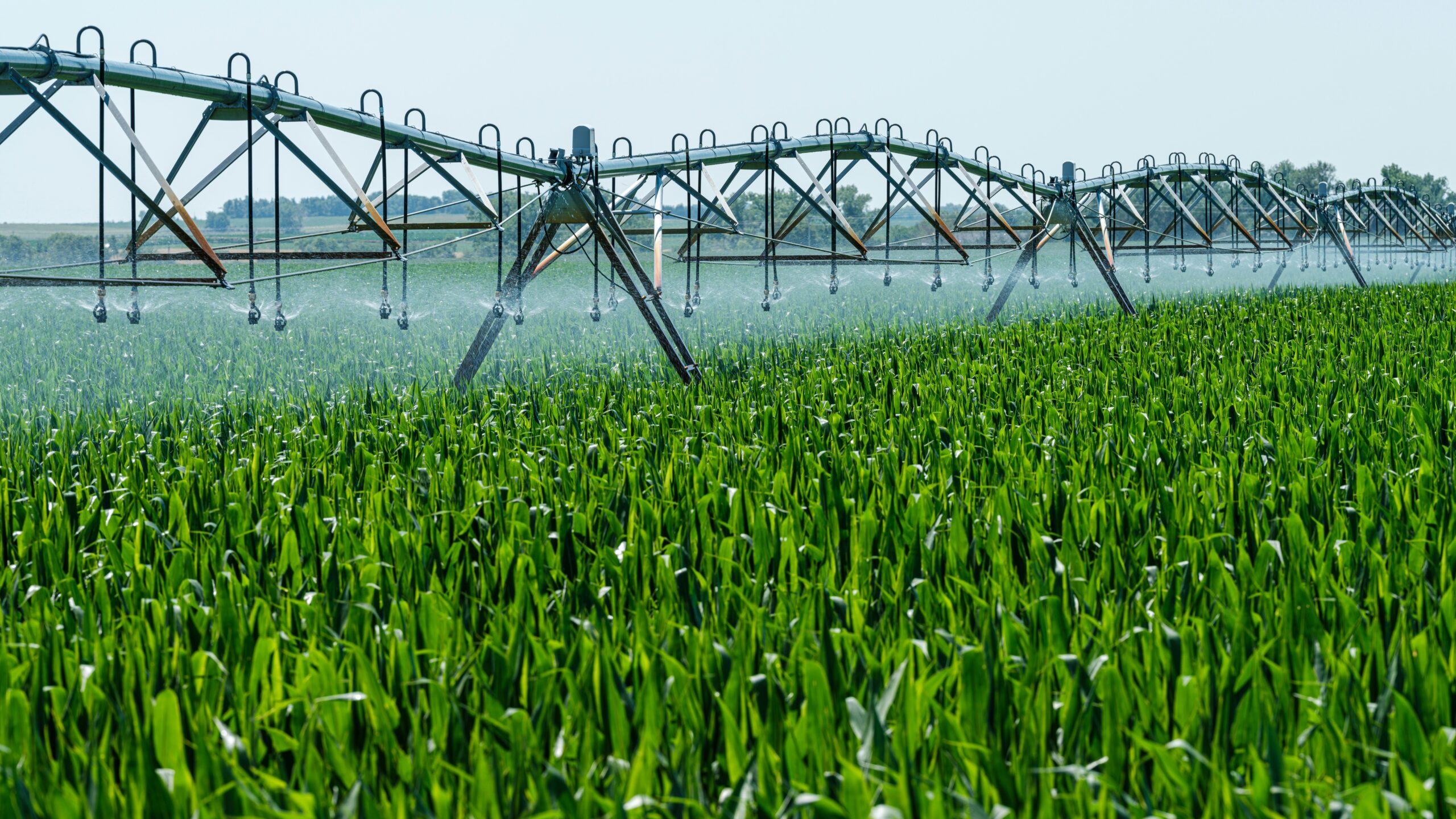
You might not think of it often, but a fundamental building block of everything you eat, and indeed, much of the life on this planet, is an invisible gas that makes up about 78% of the air you breathe. That gas is nitrogen. Without its dynamic and essential role in agriculture, the world as you know it would be a vastly different, and far less abundant, place. You rely on nitrogen, often indirectly, for the very sustenance that powers your days. From the crispness of the lettuce in your salad to the protein in your steak, nitrogen is quietly at work, fueling growth and vitality. This article will delve into why nitrogen is so indispensable to modern farming, exploring its biological functions, its application in fertilizers, the challenges and consequences of its management, and the ongoing innovations in its utilization.
You can’t build life without bricks, and for plants, nitrogen is a fundamental brick in their molecular architecture. Think of it as the core component of many of the most vital substances within a plant. Without sufficient nitrogen, these processes falter, and growth is stunted.
The Building Blocks of Proteins
You probably know that proteins are essential for your muscles and cells, but they are equally critical for plants. Proteins are complex molecules made up of amino acids, and every single amino acid contains nitrogen. These proteins act as enzymes, catalyzing crucial biochemical reactions, as structural components, providing support and shape, and as transporters, moving vital molecules throughout the plant. When you consume plant-based foods, you are essentially consuming the nitrogen-rich proteins that the plant has meticulously constructed. A deficiency in nitrogen means the plant cannot produce enough amino acids, and therefore cannot synthesize adequate amounts of these essential proteins. This directly impacts its ability to grow, reproduce, and defend itself.
The Blueprint of Life: Nucleic Acids
Beyond proteins, nitrogen is also a cornerstone of nucleic acids, the molecules that carry genetic information. Deoxyribonucleic acid (DNA) and ribonucleic acid (RNA) are the blueprints that direct all cellular activities. DNA holds the master plan for a plant’s development, while RNA carries out the instructions encoded in the DNA. Both DNA and RNA are composed of nucleotides, and each nucleotide contains a nitrogenous base. Without nitrogen, a plant cannot replicate its genetic material, transcribe genes, or synthesize proteins, effectively halting its ability to function and reproduce. This makes nitrogen absolutely fundamental to the very inheritance and perpetuation of plant life.
The Powerhouse of Photosynthesis: Chlorophyll
You’ve likely learned about photosynthesis in school – the process by which plants convert sunlight, water, and carbon dioxide into energy (sugars) and oxygen. This miraculous process is powered by chlorophyll, the green pigment found in plant leaves that absorbs sunlight. And guess what? Chlorophyll is a complex molecule that contains a significant amount of nitrogen. The porphyrin ring, the central part of the chlorophyll molecule responsible for light absorption, is built around a nitrogen atom. When nitrogen is scarce, chlorophyll production dwindles, leading to paler, yellower leaves (a condition known as chlorosis) and significantly reduced photosynthetic capacity. This directly impacts the plant’s ability to produce the energy it needs to grow and thrive, ultimately affecting crop yields.
Other Crucial Roles
Nitrogen’s influence extends beyond these core components. It’s also found in various other organic compounds that are vital for plant health and function. This includes certain vitamins, hormones, and coenzymes that regulate growth, stress responses, and metabolic processes. For instance, nitrogen is a component of ATP (adenosine triphosphate), the primary energy currency of all cells, both plant and animal. Therefore, a lack of nitrogen can disrupt numerous metabolic pathways, leading to a cascade of negative effects on the plant’s overall well-being.
Nitrogen is a crucial nutrient for plant growth and plays a vital role in agriculture by promoting healthy crop yields and improving soil fertility. For a deeper understanding of the importance of nitrogen in agricultural practices, you can refer to this informative article that discusses its various benefits and applications. To learn more, visit this article.
The Nitrogen Cycle: A Constant Dance of Transformation
Nature has a brilliant, albeit complex, way of recycling and making nitrogen available. You rarely interact with this cycle directly, but it’s the intricate engine that underpins the availability of this essential nutrient. Understanding this cycle is key to appreciating the challenges and opportunities in agricultural nitrogen management.
Nitrogen Fixation: From Air to Usable Forms
The vast majority of nitrogen is locked away in the atmosphere as dinitrogen gas (N₂), a form that most plants cannot directly utilize. This is where nitrogen fixation comes in, the process of converting atmospheric nitrogen into ammonia (NH₃) or related nitrogen compounds that plants can absorb.
Biological Nitrogen Fixation
This is perhaps the most critical and awe-inspiring part of the nitrogen cycle. Certain microorganisms, primarily bacteria, possess the enzyme nitrogenase, which allows them to break the strong triple bond of atmospheric nitrogen and convert it into ammonia.
Symbiotic Fixation
The most well-known example is the relationship between legumes (like peas, beans, soybeans, and clover) and Rhizobium bacteria. These bacteria live in nodules on the roots of legumes. The plant provides the bacteria with carbohydrates (energy), and in return, the bacteria fix atmospheric nitrogen, supplying the plant with a readily available source of this nutrient. This is a remarkable example of mutualism, where both organisms benefit. This natural process is a cornerstone of sustainable agriculture, as it replenishes soil nitrogen without the need for synthetic fertilizers.
Free-Living Nitrogen Fixation
Other bacteria, not in symbiosis with plants, also fix nitrogen from the atmosphere. These free-living bacteria can be found in the soil and in aquatic environments. While they fix less nitrogen than symbiotic bacteria, they still play an important role in making nitrogen available to the wider ecosystem.
Abiotic Nitrogen Fixation
You might be surprised to learn that non-biological processes also contribute to nitrogen fixation.
Atmospheric Fixation
Lightning strikes are a powerful natural phenomenon that can provide the energy needed to break the N₂ molecule and form nitrogen oxides. These oxides dissolve in rainwater and are deposited onto the soil, providing a small but significant input of usable nitrogen.
Industrial Fixation (Haber-Bosch Process)
This is a human-driven process, but its impact on agriculture has been revolutionary. The Haber-Bosch process, developed in the early 20th century, allows for the industrial synthesis of ammonia from nitrogen gas and hydrogen gas under high temperature and pressure. This process is the foundation of modern synthetic nitrogen fertilizers, which have dramatically increased crop yields and supported a growing global population. Without it, your current food production system would be impossible.
Nitrification: Converting Ammonia
Once ammonia is present in the soil, another group of microorganisms gets to work. Nitrifying bacteria convert ammonia into nitrites (NO₂⁻) and then into nitrates (NO₃⁻). Nitrates are the primary form of nitrogen that most plants readily absorb through their roots. This two-step process is crucial because while plants can utilize some ammonia, nitrates are more mobile in the soil and are more efficiently taken up by plant roots.
Assimilation: Plants Take Up Nitrogen
This is the stage where plants finally get their hands on the usable nitrogen. Through their root systems, plants absorb nitrates (and to a lesser extent, ammonium ions, NH₄⁺). Once inside the plant, these inorganic nitrogen compounds are converted into organic molecules, such as amino acids, proteins, nucleic acids, and chlorophyll, as we discussed earlier. This assimilation process is the culmination of the preceding steps, where atmospheric nitrogen has been transformed into the building blocks of plant life.
Denitrification: Returning Nitrogen to the Atmosphere
The nitrogen cycle isn’t a one-way street. A process called denitrification returns nitrogen to the atmosphere, completing the cycle. Under anaerobic (oxygen-poor) conditions, denitrifying bacteria convert nitrates back into nitrogen gas (N₂), which is then released into the atmosphere. This is a natural process that can occur in waterlogged soils. While essential for balancing the cycle, excessive denitrification can lead to nitrogen loss from agricultural soils, reducing fertilizer efficiency and potentially contributing to greenhouse gas emissions (nitrous oxide, N₂O).
Ammonification: Recycling Organic Nitrogen
When plants and animals die, their organic nitrogen is broken down by decomposers (bacteria and fungi). This process, called ammonification, releases ammonia back into the soil, which can then be utilized by nitrifying bacteria to start the cycle anew. This constant recycling ensures that nitrogen, though finite in the Earth’s crust, remains available for life.
The Agricultural Revolution: Nitrogen Fertilizers and Their Impact

You live in an era where readily available nitrogen fertilizers are commonplace, a direct result of human ingenuity and scientific advancement. This has undeniably transformed agriculture, but it has also brought about significant environmental considerations.
The Haber-Bosch Process: A Game Changer
As mentioned, the Haber-Bosch process, developed by Fritz Haber and Carl Bosch, revolutionized agriculture. Before its widespread adoption, farmers relied on natural methods to replenish soil nitrogen, such as crop rotation with legumes and the use of manure. These methods were effective but limited in scale. The ability to synthesize ammonia on an industrial scale meant that for the first time, farmers could artificially supplement soil nitrogen, leading to unprecedented increases in crop yields. This had a profound impact on food security, allowing for the support of a rapidly growing global population.
Types of Nitrogen Fertilizers
You’ll encounter a variety of nitrogen fertilizers in modern agriculture, each with its own characteristics and application methods.
Urea
Urea is one of the most widely used nitrogen fertilizers globally. It is a solid, granular material that is highly concentrated in nitrogen (typically 46% nitrogen). When applied to the soil, urea is first converted to ammonia, which then rapidly converts to nitrates. This conversion process can lead to some nitrogen loss through volatilization (ammonia gas escaping into the atmosphere) if not managed properly, especially in warm or alkaline soils.
Ammonium Nitrate
Ammonium nitrate is another popular nitrogen fertilizer. It contains both ammonium and nitrate forms of nitrogen, providing a readily available source for plants. It’s a good option for quick green-up and for crops that require immediate nitrogen uptake. However, ammonium nitrate can be a fire hazard and is sometimes regulated due to its potential use in explosives.
Ammonium Sulfate
Ammonium sulfate provides nitrogen in the ammonium form. It also contains sulfur, another essential nutrient for plant growth. Ammonium sulfate has an acidifying effect on the soil, which can be beneficial in some situations but needs careful consideration in calcareous soils.
Anhydrous Ammonia
Anhydrous ammonia is a gaseous fertilizer that is injected directly into the soil. It is the most concentrated form of nitrogen fertilizer (82% nitrogen) and is highly efficient when applied correctly. However, it requires specialized equipment and handling due to its gaseous nature and the potential for burns.
Slow-Release and Controlled-Release Fertilizers
To improve nitrogen use efficiency and reduce environmental losses, you’ll also find slow-release and controlled-release fertilizers. These products are designed to release nitrogen gradually over time, matching the plant’s uptake needs. This can be achieved through various coating technologies or by using inherently slow-releasing nitrogen compounds. These fertilizers can reduce the frequency of application and minimize nutrient runoff.
The Yield Revolution: Feeding the World
The impact of nitrogen fertilizers on agricultural productivity cannot be overstated. You can directly attribute a significant portion of the world’s current food production to the judicious use of nitrogen. Before the widespread availability of synthetic nitrogen, crop yields were limited by the natural supply of this nutrient. Nitrogen fertilizers have allowed for more intensive farming practices, enabling the cultivation of higher-yielding crop varieties and the production of more food on the same amount of land. This has been crucial in preventing widespread famine and improving the nutritional status of billions of people.
The Double-Edged Sword: Environmental and Economic Considerations
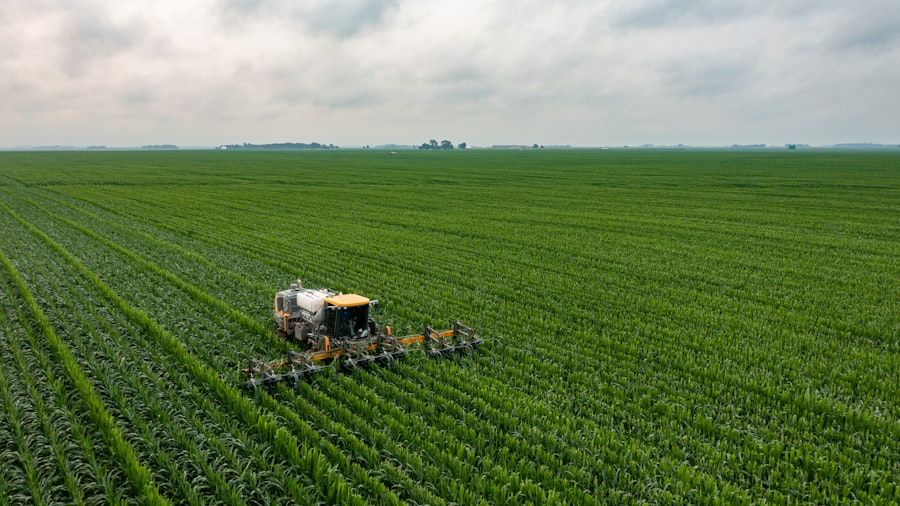
While nitrogen fertilizers have been a boon to agriculture, their widespread use has also created significant environmental challenges. You are now more aware than ever of the delicate balance between feeding the world and protecting the planet.
Nitrogen Leaching and Runoff: A Threat to Waterways
One of the most significant environmental concerns associated with nitrogen fertilizer use is the potential for nitrogen to leach from the soil into groundwater or run off into surface water bodies. When excess nitrates enter waterways, they can lead to eutrophication – the overgrowth of algae and aquatic plants. This process depletes dissolved oxygen in the water, creating “dead zones” where fish and other aquatic life cannot survive. This can have devastating impacts on aquatic ecosystems and the fishing industries that depend on them.
Greenhouse Gas Emissions: Nitrous Oxide (N₂O)
Another major environmental concern is the emission of nitrous oxide (N₂O) from agricultural soils. N₂O is a potent greenhouse gas, with a global warming potential approximately 300 times that of carbon dioxide. Denitrification processes in soils, particularly under anaerobic conditions and when excess nitrogen is present, contribute significantly to N₂O emissions. This highlights the interconnectedness of nitrogen management and climate change mitigation.
Air Quality Impacts: Ammonia Volatilization
As mentioned earlier, ammonia volatilization from urea and other nitrogen fertilizers can contribute to air pollution. Ammonia can be transported long distances and contribute to the formation of particulate matter, which has adverse effects on human respiratory health. It can also lead to soil acidification and damage sensitive ecosystems through atmospheric deposition.
Energy Consumption and Carbon Footprint
The production of synthetic nitrogen fertilizers, particularly through the Haber-Bosch process, is an energy-intensive process that relies heavily on natural gas. This contributes to the carbon footprint of agriculture and has economic implications as the price of natural gas fluctuates. You are increasingly looking for ways to reduce this energy dependency and its associated environmental impact.
Economic Implications for Farmers
While nitrogen fertilizers are essential for maximizing crop yields, they also represent a significant input cost for farmers. Fluctuations in fertilizer prices can impact farm profitability, and the efficient use of nitrogen is crucial for maintaining economic viability. Farmers are constantly seeking to optimize their fertilizer application to achieve the best return on investment while minimizing environmental impact.
Nitrogen is a crucial element for agriculture as it plays a vital role in plant growth and development, influencing everything from leaf production to overall crop yield. For a deeper understanding of the significance of nitrogen in farming practices, you can explore this insightful article on the topic. It highlights how nitrogen contributes to soil fertility and the importance of sustainable nitrogen management in agriculture. If you’re interested in learning more, check out the article here.
Innovations in Nitrogen Management: Towards Sustainability
| Reason | Explanation |
|---|---|
| Plant Growth | Nitrogen is a key component of chlorophyll, which is essential for photosynthesis and overall plant growth. |
| Protein Synthesis | Nitrogen is a crucial element in the synthesis of proteins, which are essential for the structure and function of plant cells. |
| Yield and Quality | Adequate nitrogen levels in the soil can lead to higher crop yields and improved quality of agricultural products. |
| Soil Fertility | Nitrogen helps maintain soil fertility by promoting microbial activity and nutrient cycling. |
| Environmental Impact | Proper nitrogen management can reduce environmental pollution and minimize negative impacts on ecosystems. |
The challenges associated with nitrogen use have spurred a wave of innovation in agricultural practices and technologies. You are at the forefront of developing and adopting these solutions to ensure a more sustainable future for food production.
Precision Agriculture: Applying Nitrogen Where and When It’s Needed
Precision agriculture techniques leverage technology to manage farm inputs more effectively. This includes:
Soil Testing and Nutrient Management Plans
Regular soil testing allows you to understand the existing nutrient levels in your fields. Based on these results, you can develop tailored nutrient management plans that specify the type, amount, and timing of fertilizer application needed for specific crops and field conditions. This avoids over-application and ensures that plants receive exactly what they need.
Variable Rate Application (VRA)
VRA technology uses GPS and sensors to apply fertilizers at different rates across a field, based on variations in soil type, crop health, and nutrient requirements. This ensures that nitrogen is applied precisely where it is most needed, optimizing efficiency and reducing waste.
Real-time Sensors and Remote Sensing
Emerging technologies, such as in-field sensors and remote sensing (e.g., using drones or satellites), can monitor crop health and nitrogen status in real-time. This data allows for timely adjustments to fertilizer applications, further enhancing precision and responsiveness.
Enhanced-Efficiency Fertilizers (EEFs)
As mentioned earlier, EEFs are designed to release nitrogen more slowly and predictably. This not only improves nitrogen uptake by plants but also significantly reduces losses to the environment through leaching and volatilization. This category includes:
Coated Fertilizers
Fertilizers with protective coatings (e.g., polymer or sulfur coatings) that dissolve or break down at a controlled rate, releasing nitrogen over an extended period.
Inhibitors
Additives that slow down the microbial processes that convert nitrogen into forms that are prone to loss. For example, urease inhibitors slow the conversion of urea to ammonia, reducing volatilization, while nitrification inhibitors slow the conversion of ammonium to nitrate, reducing leaching.
Biological Solutions: Harnessing Nature’s Power
You are increasingly looking to nature for solutions to nitrogen management challenges.
Legume Cover Cropping
Integrating legumes into crop rotations as cover crops can naturally fix atmospheric nitrogen, enriching the soil and reducing the need for synthetic fertilizers in subsequent cash crops. This is a cornerstone of regenerative agriculture.
Biofertilizers and Microbial Inoculants
The development of biofertilizers containing beneficial microbes that can enhance nutrient availability or directly fix nitrogen is a rapidly growing area. These can include nitrogen-fixing bacteria, mycorrhizal fungi that improve nutrient uptake, and plant growth-promoting rhizobacteria.
Improved Crop Varieties
Breeding and genetic engineering efforts are focused on developing crop varieties that are more efficient at utilizing nitrogen, requiring less fertilizer to achieve optimal yields. This includes enhancing root systems for better nutrient uptake and improving the plant’s internal nitrogen metabolism.
Integrated Nutrient Management (INM)
The most effective approach to nitrogen management is often an integrated one. INM combines various strategies, including the use of synthetic fertilizers, organic amendments (manure, compost), cover cropping, and biological solutions, to create a holistic system that optimizes nutrient availability, crop productivity, and environmental sustainability. It emphasizes understanding the entire nutrient cycle and making informed decisions that balance economic, social, and environmental considerations.
In conclusion, nitrogen is the silent architect of your food system. From its fundamental role in plant biology to the revolutionary impact of its synthetic availability and the ongoing pursuit of sustainable management, nitrogen’s story is inextricably linked to human civilization. By understanding its intricate cycle, appreciating the benefits and drawbacks of its use, and embracing the innovations in its management, you are actively shaping a future where you can continue to feed a growing world while safeguarding the health of our planet.

We Figured Out How to Turn Air Into Food
FAQs
1. What is the role of nitrogen in agriculture?
Nitrogen is an essential nutrient for plant growth and is a key component of chlorophyll, which is necessary for photosynthesis. It also plays a crucial role in the formation of proteins, enzymes, and DNA within plants.
2. How does nitrogen affect crop yield?
Nitrogen is a major component of amino acids, which are the building blocks of proteins. Adequate nitrogen levels in the soil can lead to increased plant growth, higher crop yields, and improved overall quality of the harvest.
3. What are the sources of nitrogen for agriculture?
Nitrogen can be obtained from both organic sources, such as manure and compost, as well as inorganic sources, such as synthetic fertilizers. Leguminous plants also have the ability to fix atmospheric nitrogen through a symbiotic relationship with nitrogen-fixing bacteria.
4. What are the consequences of nitrogen deficiency in plants?
Nitrogen deficiency can lead to stunted growth, yellowing of leaves (chlorosis), and reduced crop yields. It can also make plants more susceptible to diseases and pests.
5. How can nitrogen be managed sustainably in agriculture?
Sustainable nitrogen management practices include crop rotation, cover cropping, and the use of nitrogen-fixing plants to reduce the reliance on synthetic fertilizers. Additionally, precision agriculture techniques can help optimize nitrogen application to minimize environmental impact.