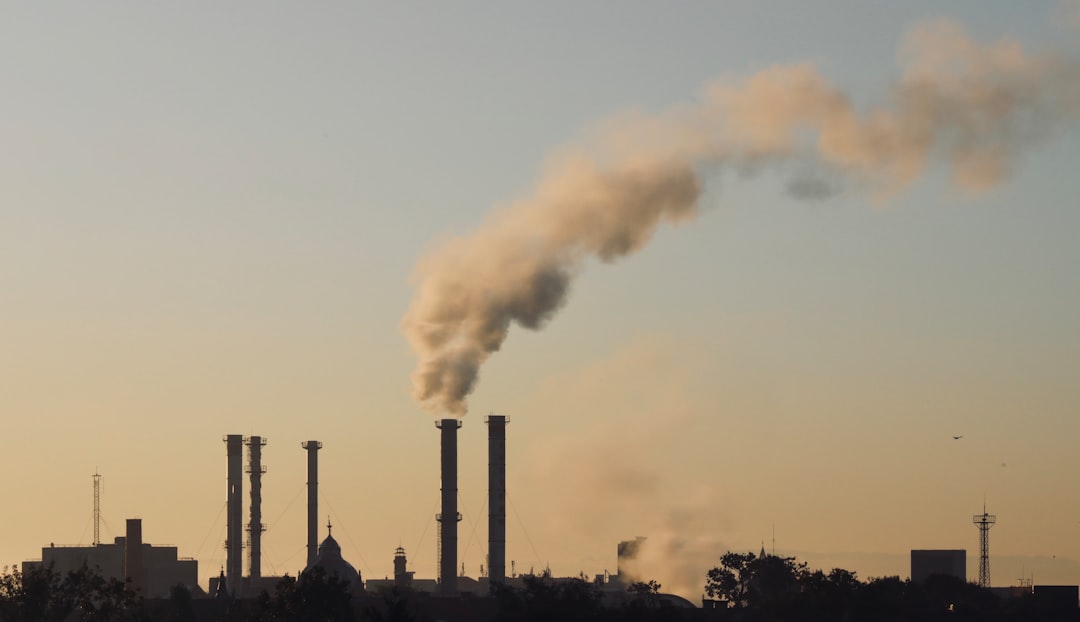
You might not think about it often, but the air you breathe, the very stuff that fills the vast expanse above you, plays a profoundly critical role in keeping you alive, and more importantly, in feeding every single person on this planet. You’re breathing in a world, and a significant portion of that world is nitrogen. In fact, approximately 78% of the Earth’s atmosphere is composed of this seemingly inert gas, N₂. Yet, this omnipresent molecule, in its atmospheric form, is largely unusable by the plants that form the foundation of our food chains. The journey of atmospheric nitrogen from the sky to your dinner plate is a complex, often unseen, but undeniably essential process that sustains global agriculture. Without its intricate cycling and eventual conversion into forms plants can absorb, the idea of feeding billions would be an impossible dream. You rely on this silent workhorse more than you realize, and understanding its vital role is key to appreciating the delicate balance of our planet’s life-support systems.
You see green plants everywhere – towering trees, lush lawns, vibrant crops in fields stretching to the horizon. But what makes them grow, flourish, and ultimately provide the sustenance you need? While sunlight, water, and carbon dioxide are certainly crucial, a lesser-known but equally vital element underpins their very existence: nitrogen. You might think of nitrogen as just another component of the air, but for plants, it’s a building block, a fundamental ingredient in their biochemical machinery.
Nitrogen as a Macronutrient Powerhouse
Think of a plant as a tiny, incredibly efficient factory. Within this factory, countless processes are happening simultaneously to convert sunlight and simple molecules into the complex carbohydrates, proteins, and other compounds that make up the plant’s structure and energy stores. Nitrogen is a key raw material for many of these operations. It’s a central component of amino acids, the building blocks of proteins. Proteins are the workhorses of the cell, involved in everything from enzyme activity that drives metabolic reactions to structural support that gives plants their form. Without sufficient nitrogen, plants cannot synthesize the proteins they need to grow, repair themselves, or reproduce.
The Green Signal: Chlorophyll and Photosynthesis
Have you ever noticed how a lack of nitrogen can turn leaves yellow and stunted? This isn’t a coincidence. Nitrogen is an integral part of chlorophyll, the pigment that gives plants their characteristic green color and, crucially, absorbs sunlight for photosynthesis. Photosynthesis is the process by which plants convert light energy, water, and carbon dioxide into glucose (a sugar that fuels growth) and oxygen. If a plant can’t produce enough chlorophyll due to a nitrogen deficiency, its ability to capture sunlight is severely hampered. This directly impacts its energy production, leading to reduced growth and yield. You essentially wouldn’t have the energy-rich food you depend on without efficient photosynthesis, and nitrogen is a non-negotiable component of that process.
Beyond Green: Nitrogen in Nucleic Acids and Growth Regulators
The importance of nitrogen extends beyond just proteins and chlorophyll. It’s also a critical component of nucleic acids, the molecules that carry genetic information (DNA and RNA). These molecules are essential for cell division and replication, meaning they are fundamental to a plant’s ability to grow and develop. Furthermore, nitrogen is found in various plant hormones and growth regulators that control everything from germination and flowering to fruit development and dormancy. So, not only does nitrogen help build the plant’s structure and energy production systems, but it also orchestrates its growth and development from start to finish.
Atmospheric nitrogen plays a crucial role in sustaining global agriculture, as it is a key component of fertilizers that enhance soil fertility and crop yields. For a deeper understanding of how nitrogen contributes to food production and the intricate processes involved, you can explore a related article on this topic at Freaky Science. This resource provides insights into the nitrogen cycle and its significance in feeding the world’s growing population.
The Atmospheric Conundrum: N₂’s Impenetrable Fortress
You’ve established that plants desperately need nitrogen. Yet, the vast majority of it is locked away in the atmosphere as dinitrogen gas (N₂). This molecule, consisting of two nitrogen atoms joined by a triple covalent bond, is one of the most stable chemical compounds on Earth. This stability, while beneficial in keeping our atmosphere from being overly reactive, presents a significant challenge for life. Plants, and indeed most living organisms, cannot directly utilize N₂. Imagine a magnificent buffet laid out before you, but all the doors are locked, and you have no key. That’s the situation for plants with atmospheric nitrogen.
The Triple Bond: A Molecular Fortress
The triple bond between the two nitrogen atoms in N₂ is incredibly strong. It requires a substantial amount of energy to break this bond and release the individual nitrogen atoms. You can think of it like trying to snap a very thick, rigid stick in half. Most biological processes simply don’t possess the necessary power or enzymatic machinery to overcome this energetic barrier. This is why atmospheric nitrogen remains inaccessible to plants for the most part, even though it constitutes such a huge portion of their environment.
The Limitation of Direct Assimilation
If plants could directly absorb N₂ from the atmosphere, there would be no need for the complex nitrogen cycle we’ll discuss. However, their root systems and internal biochemical pathways are not equipped for this task. They can absorb nitrogen only in specific, “fixed” forms, such as ammonium (NH₄⁺) or nitrate (NO₃⁻). The challenge, therefore, lies in converting atmospheric N₂ into these usable forms. This conversion process is the linchpin of the entire nitrogen cycle and the reason why other organisms and processes become so incredibly important in feeding you.
The “Nitrogen Problem” in Agriculture
For centuries, farmers have grappled with this “nitrogen problem.” Without understanding the underlying chemistry, they observed that certain soils were more fertile than others, and that crop yields varied significantly. They learned through trial and error that adding organic matter, such as manure or compost, could improve soil fertility. This practice, though empirical, was essentially a rudimentary way of introducing fixed nitrogen into the soil, albeit in slow-release forms. The advent of modern agriculture, however, has magnified the demand for nitrogen, making the efficient fixation of atmospheric N₂ a critical issue for global food security.
The Biological Engineers: Nitrogen Fixation’s Heroes
Since plants can’t break down atmospheric N₂ on their own, nature has evolved an ingenious solution: a group of specialized microorganisms, primarily bacteria, that possess the unique ability to convert N₂ into ammonia (NH₃), a process called biological nitrogen fixation. These microscopic powerhouses are the true engineers of the nitrogen cycle, performing a feat that is essential for all life on Earth. You owe a significant portion of your food to their tireless work.
Rhizobia and the Legume Partnership: A Symbiotic Marvel
Perhaps the most well-known and agriculturally significant nitrogen fixers are the Rhizobia bacteria. These remarkable microbes form a symbiotic relationship with plants belonging to the legume family, which includes familiar foods like beans, peas, lentils, soybeans, and peanuts. When Rhizobia infect the root hairs of a legume plant, they trigger the formation of specialized structures called root nodules. Inside these nodules, the bacteria are provided with a protected environment and a steady supply of energy from the plant. In return, they perform nitrogen fixation, converting atmospheric N₂ into ammonia, which is then made available to the plant in a usable form. This partnership is a classic example of mutualism, where both organisms benefit immensely. You get nutritious legumes, and the plant gets its essential nitrogen, all thanks to the Rhizobia.
Free-Living Nitrogen Fixers: Unsung Heroes of the Soil
While the legume-rhizobia symbiosis is celebrated, it’s important to remember that many other bacteria live freely in the soil and water, independently performing nitrogen fixation. Genera like Azotobacter and Clostridium are examples of free-living nitrogen fixers. These organisms don’t rely on a specific plant partner but rather extract energy from organic matter in the soil. Their contribution to the overall nitrogen pool, though less concentrated than in legume fields, is still vital, particularly in natural ecosystems and in enriching agricultural soils over time. They are the constant, background workers ensuring a steady trickle of fixed nitrogen into the environment.
Cyanobacteria: The Ancient Fixers of Water and Soil
Another crucial group of nitrogen fixers are the cyanobacteria, often referred to as blue-green algae. These ancient organisms, which are photosynthetic, play a significant role in nitrogen fixation, especially in aquatic environments and damp soils. They can fix nitrogen both independently and in association with other organisms, such as certain plants like the water fern Azolla. Cyanobacteria are particularly important in tropical and subtropical regions, contributing significantly to the natural fertility of rice paddies and other ecosystems. Their ability to harness solar energy while fixing nitrogen makes them a powerful force in nutrient cycling.
The Man-Made Miracle: The Haber-Bosch Process and Its Impact

While biological nitrogen fixation is a natural and essential process, it alone couldn’t keep pace with the ever-increasing demands of a growing global population. This is where human ingenuity, and a groundbreaking chemical process, enters the picture. The Haber-Bosch process, developed in the early 20th century, revolutionized agriculture by enabling the industrial synthesis of ammonia from atmospheric nitrogen and hydrogen. This invention, while having significant environmental implications, has undoubtedly been a cornerstone of modern food production.
The Genesis of Industrial Ammonia Production
Before the Haber-Bosch process, obtaining fixed nitrogen for fertilizers relied heavily on natural sources, which were often limited and unsustainable. The process, named after German chemists Fritz Haber and Carl Bosch, overcame the energetic barrier of the nitrogen triple bond by using high temperatures and pressures, along with a catalyst (typically iron-based), to force atmospheric nitrogen and hydrogen gas to react and form ammonia. This was a monumental achievement in chemical engineering, allowing for the mass production of a key nutrient for plant growth.
Feeding the Billions: The Fertilizer Revolution
The widespread adoption of synthetic nitrogen fertilizers, made possible by the Haber-Bosch process, has had a transformative impact on global food production. Farmers could now supplement or replace the nitrogen supplied by natural processes, leading to significantly higher crop yields. This increase in productivity has been instrumental in feeding a population that has grown exponentially over the past century. Without these synthetic fertilizers, it’s estimated that a significant portion of the current global population would simply not be sustainable. You are, in a very real sense, eating food that has been enabled by this industrial process.
The Double-Edged Sword: Environmental Considerations
While the Haber-Bosch process is undeniably a miracle of modern chemistry when it comes to feeding the world, it’s crucial to acknowledge its significant environmental consequences. The process is energy-intensive, relying heavily on fossil fuels (natural gas is often used as a source of hydrogen). This contributes to greenhouse gas emissions and climate change. Furthermore, the overuse and inefficient application of synthetic nitrogen fertilizers can lead to environmental pollution, including eutrophication of waterways (due to nutrient runoff) and the release of nitrous oxide, a potent greenhouse gas, into the atmosphere. Striking a balance between utilizing this essential technology and mitigating its environmental impact is one of the key challenges facing sustainable agriculture today.
Atmospheric nitrogen plays a crucial role in feeding the world, as it is a key component in the production of fertilizers that enhance crop yields. This process of nitrogen fixation allows plants to absorb nitrogen from the atmosphere, making it available for their growth. For a deeper understanding of how this essential element contributes to global food security, you can read more in this insightful article about the science behind nitrogen’s role in agriculture. To explore this topic further, visit this article.
The Nitrogen Cycle: Nature’s Recycling System
| Aspect | Information |
|---|---|
| Atmospheric Nitrogen | 78% of the Earth’s atmosphere is made up of nitrogen gas (N2) |
| Nitrogen Fixation | Specialized bacteria convert atmospheric nitrogen into a form that plants can use |
| Plant Growth | Nitrogen is a key component of chlorophyll, essential for photosynthesis and plant growth |
| Food Production | Nitrogen is a critical nutrient for crop production, contributing to the growth of fruits, vegetables, and grains |
| Environmental Impact | Excessive nitrogen runoff from agriculture can lead to water pollution and ecosystem disruption |
You’ve seen how atmospheric nitrogen enters the biosphere through fixation and how it’s utilized by plants. But what happens to that nitrogen once it’s in the plant, or once the plant dies? This is where the broader concept of the nitrogen cycle comes into play. It’s a continuous, complex process of transformation and movement of nitrogen through the atmosphere, soil, water, and living organisms. This cycle is nature’s ingenious way of recycling this essential element, ensuring that it remains available for life.
Assimilation and Uptake: From Soil to Plant
Once nitrogen is fixed into usable forms like ammonium and nitrate, it’s readily available for uptake by plant roots. Plants then assimilate this inorganic nitrogen into organic molecules, forming the proteins, nucleic acids, and other nitrogen-containing compounds essential for their growth and development. This is the point where atmospheric nitrogen, indirectly, becomes a part of you when you consume plant-based foods.
Ammonification: The Return of Nitrogen to the Soil
When plants and animals die, or when animals excrete waste, the organic nitrogen contained within their tissues is broken down by decomposers – primarily bacteria and fungi. This process, called ammonification, converts organic nitrogen back into inorganic ammonium ions (NH₄⁺). These ammonium ions can then be absorbed by plants, or they can undergo further transformations within the soil. Ammonification is a vital step in returning nitrogen from dead organic matter back into the soil, making it available for future plant growth.
Nitrification: From Ammonium to Nitrate
Ammonium ions (NH₄⁺) are a usable form of nitrogen for many plants, but they can also be further transformed through a process called nitrification. This is a two-step process carried out by specific groups of soil bacteria. First, ammonia-oxidizing bacteria convert ammonium into nitrite (NO₂⁻). Then, nitrite-oxidizing bacteria convert nitrite into nitrate (NO₃⁻). Nitrate is generally the preferred form of nitrogen for most plants, as it’s highly mobile in the soil and easily absorbed by their roots.
Denitrification: The Return Trip to the Atmosphere
The nitrogen cycle wouldn’t be complete without a mechanism to return nitrogen back to the atmosphere, thus completing the loop. This is achieved through denitrification, a process carried out by anaerobic bacteria (bacteria that thrive in the absence of oxygen). Under low-oxygen conditions, these bacteria convert nitrates back into nitrogen gas (N₂), which is then released into the atmosphere. This process is crucial for preventing an over-accumulation of nitrogen in the soil and water. While essential for the cycle’s balance, it also represents a loss of fixed nitrogen from the agricultural system, which is why replenishment through fixation is so critical.
The Future of Nitrogen: Sustainability and Innovation
You’ve seen the immense importance of atmospheric nitrogen in feeding the world, from its natural fixation by microbes to its industrial production. However, as you look towards the future, the way we manage nitrogen becomes increasingly critical. The growing global population, coupled with the environmental challenges associated with current nitrogen practices, demands innovation and a shift towards more sustainable approaches.
Precision Agriculture and Nutrient Management
The key to a more sustainable future lies in using nitrogen more efficiently. Precision agriculture techniques, utilizing GPS, sensors, and data analytics, allow farmers to apply fertilizers precisely where and when they are needed. This minimizes over-application, reduces waste, and mitigates environmental pollution. By understanding the specific nutrient needs of different parts of a field, you can ensure that nitrogen is delivered with maximum benefit and minimum harm.
Enhancing Biological Nitrogen Fixation
Research is actively exploring ways to enhance the natural processes of biological nitrogen fixation. This includes developing new legume varieties with improved symbiotic relationships with rhizobia, and exploring the potential of other nitrogen-fixing microbes to improve soil fertility. Promoting practices like cover cropping with legumes can also naturally enrich agricultural soils with nitrogen, reducing the reliance on synthetic fertilizers.
Developing Alternative Nitrogen Sources and Technologies
The search for novel nitrogen solutions continues. Scientists are investigating ways to produce fertilizers from renewable resources and to develop more energy-efficient methods for ammonia synthesis. Innovations in areas like bio-fertilizers and slow-release nitrogen compounds also hold promise for a more sustainable nitrogen future. The goal is to decouple food production from the heavy reliance on fossil fuel-based nitrogen fertilizers.
The Interconnectedness of Our Food System
Ultimately, understanding the essential role of atmospheric nitrogen in feeding the world highlights the intricate interconnectedness of our planet’s natural systems and human endeavors. From the microscopic bacteria in the soil to the vast industrial plants producing fertilizers, and finally to the food on your plate, nitrogen embarks on an incredible journey. By appreciating this journey and embracing sustainable practices, you can help ensure that this vital element continues to support life and feed a growing global population for generations to come.

We Figured Out How to Turn Air Into Food
FAQs
What is atmospheric nitrogen?
Atmospheric nitrogen is the most abundant gas in the Earth’s atmosphere, making up about 78% of the air we breathe. It exists in the form of N2 molecules, which are made up of two nitrogen atoms bonded together.
How does atmospheric nitrogen feed the world?
Atmospheric nitrogen is essential for the growth of plants, as it is a key component of chlorophyll, the molecule that allows plants to photosynthesize. However, plants cannot use atmospheric nitrogen directly. Instead, they rely on nitrogen-fixing bacteria to convert atmospheric nitrogen into a form that plants can use, such as ammonia or nitrate.
What is nitrogen fixation?
Nitrogen fixation is the process by which nitrogen-fixing bacteria convert atmospheric nitrogen into a form that plants can use. These bacteria live in the soil or in symbiotic relationships with certain plants, such as legumes. They have the ability to break the strong triple bond between nitrogen atoms in N2 molecules and convert the nitrogen into a form that can be taken up by plants.
How is atmospheric nitrogen used in agriculture?
In agriculture, atmospheric nitrogen is used to fertilize crops. Farmers can apply nitrogen-rich fertilizers to their fields, which provide plants with the nitrogen they need to grow and produce high yields. Additionally, some crops, such as legumes, have the ability to form symbiotic relationships with nitrogen-fixing bacteria, allowing them to access atmospheric nitrogen directly.
What are the environmental impacts of atmospheric nitrogen use?
While atmospheric nitrogen is essential for plant growth, excessive use of nitrogen fertilizers in agriculture can lead to environmental problems. For example, nitrogen runoff from fields can contribute to water pollution, leading to algal blooms and oxygen-depleted “dead zones” in bodies of water. Additionally, nitrogen oxides released from agricultural activities can contribute to air pollution and climate change.