You’re standing in a lush field, the emerald green of healthy crops stretching as far as the eye can see. It’s a picture of agricultural success, a testament to human ingenuity and our ability to feed a growing world. But beneath this verdant surface, a silent, complex story is unfolding, one with profound implications for the planet you call home. This is the story of nitrogen fertilizer, a miracle of modern agriculture that, while undeniably crucial, carries a significant environmental cost.
You might associate nitrogen with the air you breathe; it makes up roughly 78% of the Earth’s atmosphere. It’s also an essential building block for all life, a critical component of proteins, DNA, and chlorophyll. Plants, however, cannot directly utilize atmospheric nitrogen. They need it in a form they can absorb through their roots – typically nitrates and ammonium. For millennia, natural processes like lightning strikes and the action of nitrogen-fixing bacteria in the soil replenished this vital nutrient. But as your population boomed and the demand for food skyrocketed, these natural cycles proved insufficient.
This is where the Haber-Bosch process, a revolutionary industrial method developed in the early 20th century, entered the picture. It enabled the mass production of ammonia from atmospheric nitrogen and hydrogen, the primary ingredient in most nitrogen fertilizers. This innovation, widely hailed as one of the most important of the last century, dramatically increased crop yields, averting widespread famine and supporting unprecedented population growth. You owe a great deal of your modern existence to this process.
However, this remarkable achievement has come at a steep price. The extensive and often inefficient use of synthetic nitrogen fertilizers has disrupted natural nitrogen cycles, leading to a cascade of environmental problems that are now impacting ecosystems and human health globally. You’re witnessing the unintended consequences of a powerful technology, a reminder that progress, while essential, must be approached with careful consideration of its broader impacts.
The Ubiquity of Nitrogen Fertilizers
You see them everywhere. From vast agricultural landscapes to the manicured lawns of suburban homes, nitrogen fertilizers are a pervasive presence. Their ease of application, predictable results, and affordability have made them the go-to solution for maximizing plant growth. The global production of nitrogen fertilizers is measured in hundreds of millions of metric tons annually, a figure that continues to climb. This widespread adoption means that the environmental footprint of these fertilizers is not a niche concern but a global challenge that demands your attention.
Historical Context of Fertilizer Use
Before the advent of synthetic fertilizers, farmers relied on natural methods to replenish soil fertility. Crop rotation with legumes (plants that host nitrogen-fixing bacteria), the application of animal manure, and the incorporation of cover crops were common practices. These methods, while less efficient in terms of immediate yield increases, were inherently more sustainable and worked in harmony with natural ecological processes. The shift to synthetic fertilizers represented a radical departure, driven by the imperative to produce more food, faster.
The Role of Nitrogen in Plant Physiology
To understand the impact of excess nitrogen, you must first appreciate its vital role in plant life. Nitrogen is a macronutrient, meaning plants require it in large quantities for healthy growth. It’s a key component of amino acids, the building blocks of proteins, which are essential for cell structure, enzyme function, and plant defense mechanisms. Nitrogen is also a central element of chlorophyll, the pigment responsible for photosynthesis, the process by which plants convert sunlight into energy. Without adequate nitrogen, plant growth is stunted, leaves turn yellow, and yields suffer.
The environmental effects of nitrogen fertilizer are a growing concern among scientists and policymakers alike, as excessive use can lead to issues such as water pollution and biodiversity loss. A related article that delves deeper into these impacts can be found at Freaky Science, where it discusses the balance between agricultural productivity and ecological health. Understanding these dynamics is crucial for developing sustainable farming practices that minimize harm to our ecosystems.
The Environmental Fallout: A Symphony of Disruptions
The abundance of readily available nitrogen from fertilizers, far beyond what plants can immediately absorb or what natural systems can process, creates a series of ecological imbalances. This excess nitrogen doesn’t just stay put in the soil; it embarks on a journey through the environment, impacting water bodies, the atmosphere, and even contributing to climate change.
Water Pollution: The Eutrophication Effect
Perhaps the most visible and well-documented environmental consequence of nitrogen fertilizer overuse is the pollution of water bodies. When nitrogen-rich runoff from agricultural fields enters rivers, lakes, and oceans, it acts like a potent fertilizer for aquatic plants and algae.
Algal Blooms and Their Consequences
This surge in nutrient availability leads to rapid and excessive growth of algae, a phenomenon known as an algal bloom. While some algae are harmless, certain types, particularly cyanobacteria (often referred to as blue-green algae), can produce toxins harmful to humans and wildlife. These blooms can cover the surface of water bodies, blocking sunlight from reaching submerged aquatic vegetation, which is crucial for oxygen production and habitat.
Dead Zones and Their Impact on Aquatic Life
As the abundant algae in a bloom die, they sink to the bottom of the water body, where their decomposition consumes vast amounts of dissolved oxygen. This depletion of oxygen creates areas with little to no oxygen, known as “dead zones.” These zones are inhospitable to most aquatic life, leading to mass fish kills and devastating impacts on entire ecosystems. The Gulf of Mexico, for example, has a significant dead zone largely attributed to nutrient runoff from agricultural lands in the Mississippi River basin.
Nitrate Contamination of Drinking Water
Beyond the ecological damage, nitrogen fertilizers can also contaminate your drinking water. When nitrates leach through the soil, they can reach groundwater aquifers, which are often sources of drinking water. High levels of nitrates in drinking water are a serious health concern, particularly for infants, as they can lead to methemoglobinemia, or “blue baby syndrome,” a condition where the blood’s ability to carry oxygen is reduced.
Air Pollution: The Rise of Nitrous Oxide
While water pollution is a significant concern, the impact of nitrogen fertilizers on the atmosphere is equally alarming, particularly their contribution to climate change. A portion of the applied nitrogen fertilizer is converted by soil microbes into nitrous oxide (N₂O), a potent greenhouse gas.
Nitrous Oxide: A Super Greenhouse Gas
Nitrous oxide is about 300 times more effective at trapping heat in the atmosphere than carbon dioxide over a 100-year period. This makes it a significant contributor to global warming. Agricultural soils are the largest anthropogenic source of nitrous oxide emissions, and the use of nitrogen fertilizers is a primary driver of this. You are effectively releasing a powerful climate-warming agent into the atmosphere with every application of these fertilizers.
The Microbial Conversion Process
The conversion of nitrogen into nitrous oxide occurs through two main microbial processes: nitrification and denitrification. Nitrification is the oxidation of ammonia to nitrite and then to nitrate, while denitrification is the reduction of nitrate to nitrogen gas, which can then be released as N₂O. Factors like soil moisture, temperature, and the availability of oxygen influence the rate of these processes and, consequently, the amount of nitrous oxide released.
Impact on the Ozone Layer
Beyond its greenhouse gas properties, nitrous oxide also plays a role in the depletion of the stratospheric ozone layer. In the upper atmosphere, N₂O molecules can break down and release nitrogen oxides, which catalyze the destruction of ozone. While not as significant as chlorofluorocarbons (CFCs) were, it’s another layer of environmental concern associated with nitrogen fertilizer use.
Soil Health Degradation: A Long-Term Consequence
The continuous application of synthetic nitrogen fertilizers can have detrimental effects on soil health over time, undermining the very foundation of agricultural productivity.
Acidification of Soils
Nitrogen fertilizers, particularly those in the ammonium form, can lead to the acidification of soils. As plants absorb ammonium, hydrogen ions are released into the soil, lowering the pH. Over time, this can make soils more acidic, which can hinder the availability of essential micronutrients and negatively impact soil microbial communities.
Loss of Soil Biodiversity
Healthy soils teem with a diverse array of microorganisms, fungi, and invertebrates that play crucial roles in nutrient cycling, soil structure, and disease suppression. The overuse of synthetic fertilizers can disrupt these delicate ecosystems, favoring certain microbes over others and leading to a decline in overall soil biodiversity. This loss can make soils more vulnerable to erosion and disease.
Dependence on External Inputs
As soils become less healthy and microbial communities are depleted, they become increasingly reliant on external inputs, like synthetic fertilizers, to maintain productivity. This creates a vicious cycle, where farmers become more dependent on these manufactured products, further exacerbating the environmental impacts. You’re inadvertently creating a system that is less resilient and more vulnerable.
Mitigating the Impact: Towards Sustainable Nitrogen Management

Recognizing the significant environmental consequences of nitrogen fertilizer overuse, a growing body of research and practical innovation is focused on developing and implementing more sustainable nitrogen management strategies. The goal is not to eliminate nitrogen fertilizers entirely – that would be impossible and detrimental to food security – but to use them more efficiently and responsibly.
The environmental effects of nitrogen fertilizer are a growing concern, as excessive use can lead to issues such as water pollution and soil degradation. A related article that delves deeper into this topic can be found at Freaky Science, which explores the impact of agricultural practices on ecosystems and offers insights into sustainable alternatives. Understanding these effects is crucial for developing effective strategies to mitigate the negative consequences of nitrogen fertilizer on our environment.
Precision Agriculture and Site-Specific Application
One of the most promising avenues for reducing nitrogen fertilizer impact is the adoption of precision agriculture techniques. These technologies allow farmers to apply fertilizers exactly where and when they are needed, and in the precise amounts required.
Variable Rate Application Technology (VRAT)
VRAT systems utilize GPS technology, soil maps, and sensor data to create prescription maps for fertilizer application. This means that different zones within a field might receive varying rates of fertilizer based on their specific needs, rather than a uniform application across the entire area.
Soil Testing and Crop Monitoring
Regular and accurate soil testing is fundamental to understanding the existing nutrient levels in the soil. Combined with crop monitoring through aerial imagery or sensors, farmers can assess the actual nitrogen needs of their crops at different growth stages, further refining application rates.
Agronomic Practices for Improved Nitrogen Use Efficiency
Beyond technological solutions, several agronomic practices can significantly improve how efficiently crops utilize nitrogen.
Optimizing Fertilizer Timing and Placement
The timing of fertilizer application is crucial. Applying nitrogen too early can lead to leaching before plants can absorb it, while applying it too late might not benefit the crop during its peak growth period. Strategic placement of fertilizers, such as banding them near the plant roots, can also improve uptake and reduce losses.
Incorporating Legumes and Cover Crops
Reintroducing the wisdom of past agricultural practices is vital. Planting legumes like soybeans or clover as part of crop rotations can naturally enrich the soil with nitrogen. Cover crops, grown between cash crop seasons, can also scavenge excess nitrogen from the soil, preventing it from leaching, and then release it slowly when tilled back into the ground.
Managing Soil Moisture and Aeration
Soil conditions play a critical role in nitrogen transformations. Maintaining optimal soil moisture and aeration can influence the balance between beneficial plant uptake and the production of harmful nitrous oxide. Practices like improving drainage and avoiding soil compaction can contribute to better nitrogen management.
Biological Approaches and Innovation
The scientific community is also exploring innovative biological approaches to nitrogen management, aiming to harness natural processes and reduce reliance on synthetic inputs.
Enhanced Nitrogen-Fixing Microbes
Research is underway to develop and enhance microbial inoculants that can more effectively fix atmospheric nitrogen in the soil or improve nutrient availability to plants. This could offer a more natural and sustainable alternative to synthetic fertilizers.
Slow-Release Fertilizers and Biostimulants
The development of slow-release nitrogen fertilizers, which gradually release nutrients over time, can help match nitrogen availability with crop demand, minimizing losses. Biostimulants, substances that enhance nutrient uptake and plant growth, are also being explored as complementary tools.
The Future of Farming: A Balanced Approach to Nitrogen
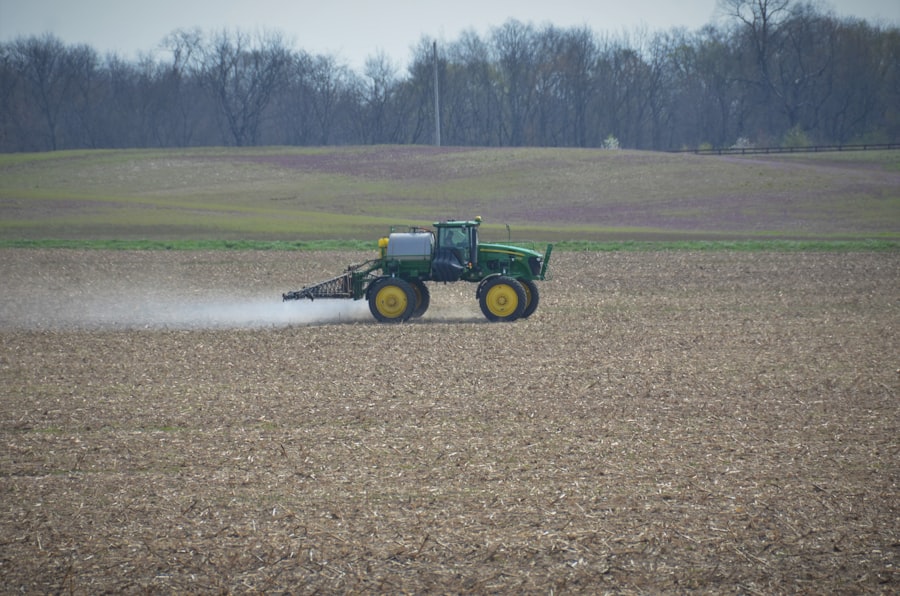
The environmental impact of nitrogen fertilizer is a complex issue, deeply intertwined with global food security and the health of your planet. You’ve come to rely heavily on this powerful agricultural tool, and its role in feeding billions is undeniable. However, the unintended consequences are now too significant to ignore. You stand at a critical juncture, where the choices you make today will shape the future of both agriculture and the environment.
Balancing Productivity and Environmental Stewardship
The challenge ahead is to find a harmonious balance between maintaining high agricultural productivity to feed a growing global population and acting as responsible stewards of the environment. This requires a multi-faceted approach that integrates scientific innovation, sound agronomic practices, and a collective commitment to sustainability. You must move beyond a sole focus on maximizing yield at any cost and embrace a more holistic perspective that considers the entire ecological system.
Policy and Regulation: Guiding the Transition
Governments and international organizations have a crucial role to play in guiding this transition. Policies that incentivize sustainable nitrogen management, such as subsidies for practices that reduce fertilizer use or regulations that limit nutrient runoff, can be powerful drivers of change. Investing in research and development for more sustainable fertilizer technologies and practices is also essential.
Consumer Choice and Awareness: Driving Demand for Sustainability
As consumers, you also wield considerable influence. Your choices about the food you purchase can send powerful signals to the agricultural industry. Supporting farmers who adopt sustainable practices, demanding transparency in food production, and educating yourselves about the environmental footprint of your food choices can all contribute to a more sustainable agricultural system. You have the power to shape the market and encourage a shift towards more responsible production methods.
The Long Road Ahead: Continuous Learning and Adaptation
The journey towards truly sustainable nitrogen management is not a short one. It requires continuous learning, adaptation, and a willingness to embrace new approaches. As our understanding of ecological systems deepens and new technologies emerge, so too will our strategies for managing nitrogen.
The Importance of Integrated Nutrient Management
Ultimately, the most effective solutions will likely involve integrated nutrient management, combining the best of traditional knowledge, modern science, and a deep respect for natural processes. This means looking at the entire nutrient cycle, not just focusing on nitrogen in isolation, and considering the interconnectedness of soil, water, air, and living organisms.
A Collective Responsibility
The environmental impact of nitrogen fertilizer is a shared responsibility. Farmers, scientists, policymakers, and consumers all have a role to play in ensuring that we can continue to feed the world without compromising the health of the planet for future generations. You are the inheritors of this planet, and the choices you make now will determine its future. The story of nitrogen fertilizer is a powerful reminder that human progress, while often beneficial, demands constant vigilance and a commitment to a more sustainable path.

We Figured Out How to Turn Air Into Food
FAQs
What are the environmental effects of nitrogen fertilizer?
Nitrogen fertilizer can lead to water pollution through runoff, which can cause algal blooms and harm aquatic ecosystems. It can also contribute to air pollution through the release of nitrous oxide, a potent greenhouse gas.
How does nitrogen fertilizer impact soil quality?
Excessive use of nitrogen fertilizer can lead to soil acidification, which can reduce the soil’s ability to support plant growth. It can also disrupt the balance of nutrients in the soil, leading to nutrient imbalances and decreased soil fertility over time.
What are the effects of nitrogen fertilizer on biodiversity?
Nitrogen fertilizer can lead to changes in plant communities, favoring the growth of certain species over others. This can impact the diversity of plant and animal species in an ecosystem, leading to a decrease in overall biodiversity.
What are some ways to mitigate the environmental effects of nitrogen fertilizer?
Practices such as precision agriculture, cover cropping, and the use of slow-release fertilizers can help reduce the environmental impact of nitrogen fertilizer. Additionally, implementing buffer zones and riparian buffers can help prevent nitrogen runoff into waterways.
How does nitrogen fertilizer contribute to climate change?
The production and use of nitrogen fertilizer can lead to the release of nitrous oxide, a potent greenhouse gas that contributes to climate change. Additionally, the energy-intensive process of producing nitrogen fertilizer can also contribute to carbon emissions.